Fábio Sabag
Directing
Biography
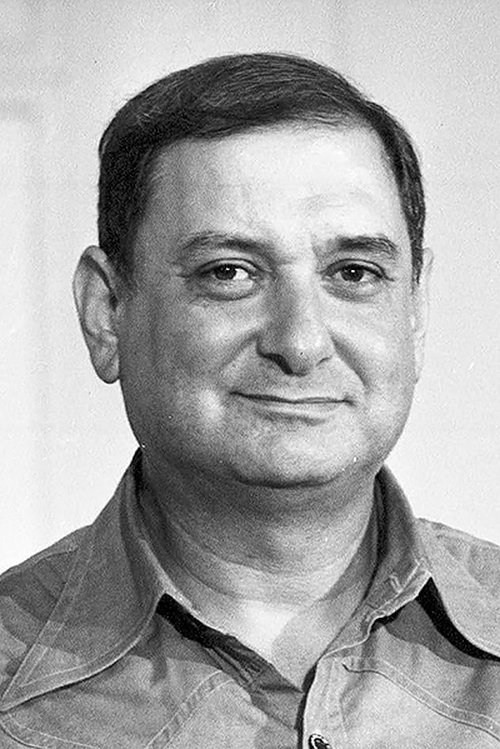
Fábio Sabag, stage name of Fadolo Sabag, (Bariri, November 19, 1931 – Rio de Janeiro, December 31, 2008) was a Brazilian actor, director and producer of theater, cinema and television.
Known For

No description available.
Sítio do Pica-Pau Amarelo

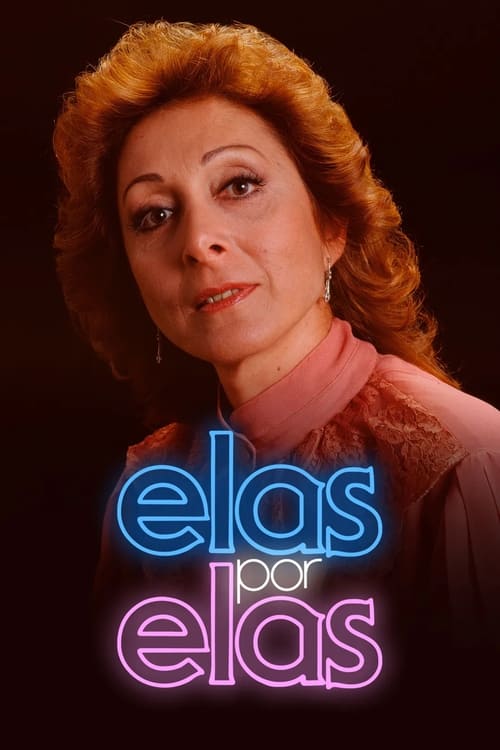
Seven high school friends reunite after 20 years. Memories of the past and coincidences of the present reveal the secrets and affections that bind the women and their families.
Elas por Elas

Brava Gente was a television series aired by TV Globo in Brazil between 2000 and 2003, initially as a special year-end. The program was adapted from stories and national stories, and plays by famous playwrights, screenwriters and signed by a number represented by several actors and actresses. The genres of the stories varied each week with the style of each director or author. Brava Gente in the stories ranged from comedies and dramas. In all 53 episodes were shown, broadcast on Tuesday nights.
Brava Gente

The story follows the lives of Naná and Gegê, a pair of con artists. Gegê is the uncle of Tina Pepper, a Tina Turner fan who dreams of becoming a famous singer.
Cambalacho

No description available.
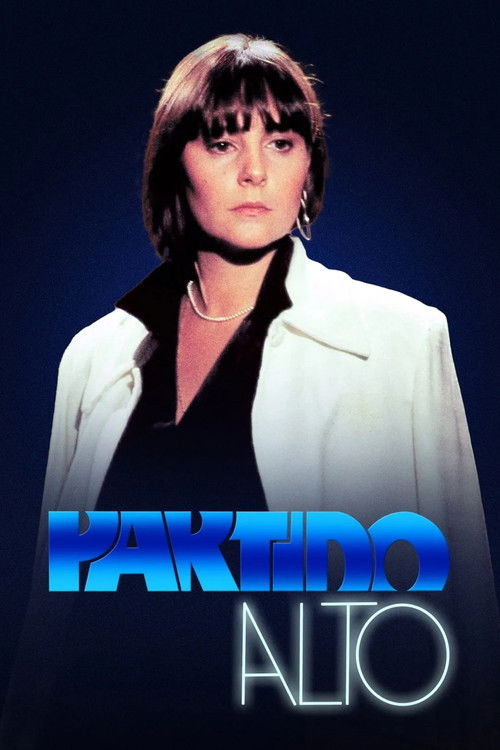
Partido Alto

The plot revolves around a love triangle between Rosemere, Rafaela, and Herbet Alvaray. They are unaware of the same man's presence in their lives and, due to fate, become friends.
Brega & Chique

No description available.
O Casarão

No description available.
Mandala

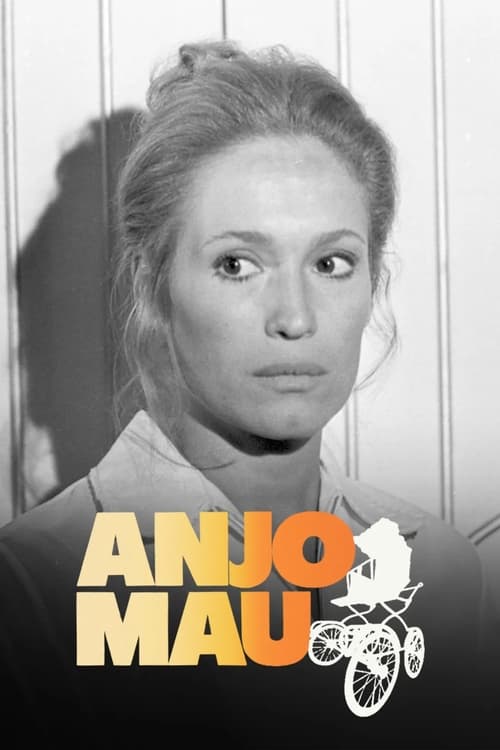
A poor young woman, unhappy with her inevitable destiny as a suburban housewife, gets a job as a nanny for a wealthy family and falls in love with her employer's brother, using every trick to win him over and ultimately become the lady of the mansion. .
Anjo Mau

No description available.
Anjo de Mim

No description available.
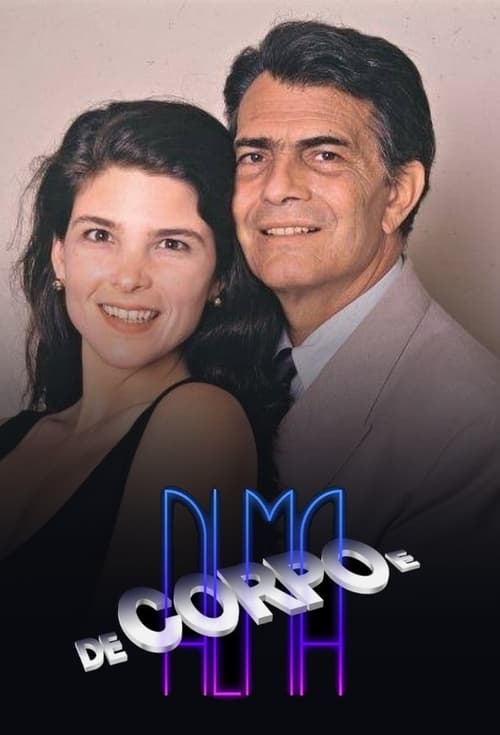
De Corpo e Alma

In the imaginary king of Avilan, the bastard prince Jean Pierre leads a popular group against councilors who will invade Rainha Valentine's palace and take away the power.
Que Rei Sou Eu?

Monarchists and Republicans confront themselves in Araruna, a small town in the interior of São Paulo, in 1886, two years before the promulgation of the Golden Law. Sinhá Moça's love story, daughter of Colonel Ferreira, Baron de Araruna, and a slave-boy, with the young Dr. Rodolfo, an active Republican abolitionist, faced with the difficulties of the campaign for the abolition of slaves. The two meet on the train, when Sinhá Moça, after completing her studies in the provincial capital, returns to Araruna. Like Rodolfo, she has abolitionist ideas and criticizes her father's attitudes, fighting for the defense of blacks. Sinhá Moça, together with Rodolfo and other abolitionists, invade the slave quarters at night and liberate the blacks, giving them to the abolitionist associations, which guide them towards freedom.
Sinhá Moça

No description available.
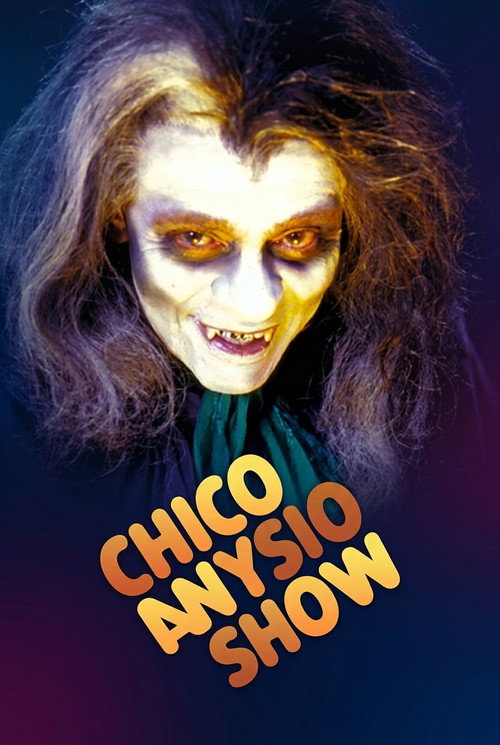
Chico Anysio Show

No description available.
Nina

Adaptations of 40 short stories of brazilian playwright Nelson Rodrigues, written between 1951 and 1961. The stories were considered scandalous at the time as Rodrigues used immoral characters and black humor to satirize the hypocrisy and repression in people's daily lives.
A Vida Como Ela É...

Diana, the Angel of Death, assigns an Emissary to retrieve Isabela from Earth. Upon meeting her, however, he becomes enchanted by the young woman and hesitates to take her.
O Sexo dos Anjos

No description available.
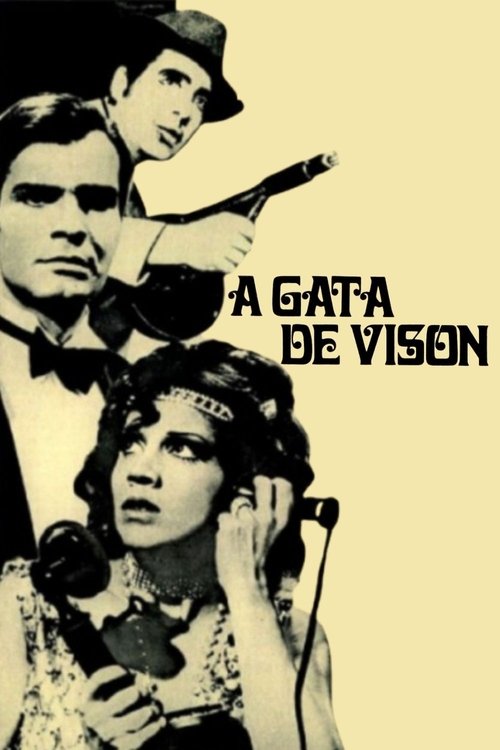
A Gata de Vison

No description available.
Cavalo de Aço

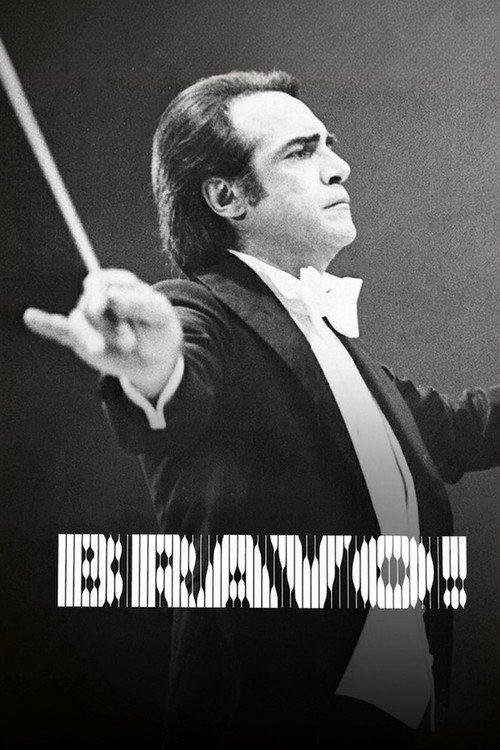
A widowed conductor rediscovers love when he meets a young woman from the countryside, but doubts about his music make him question his competence and distance himself from the woman he loves.