Per-Åke Holmquist
Directing
Known For
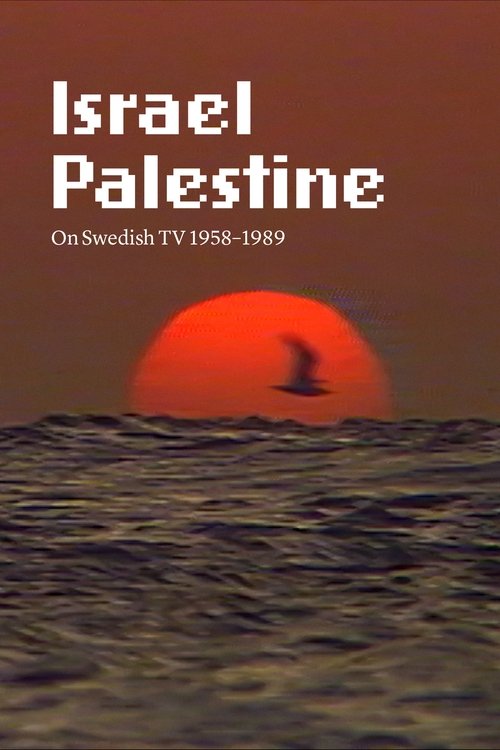
Archival film maestro Göran Hugo Olsson has assembled—from a vast catalogue of footage in the vaults of Sweden’s national television service SVT—accounts of the Israeli-Palestinian conflict as witnessed and represented by Swedish journalists. Stories of the beginning of the Israeli state interwoven with the Palestinian struggle for independence. News coverage with Yasser Arafat and interviews with Israeli foreign minister Abba Eban during a visit to Sweden unseen since first broadcast. From the tenth anniversary of Israel’s founding to the First Intifada, perspectives and encounters with statesmen, civilians, revolutionaries, and intellectuals tell the story from myriad angles of an evolving media landscape, revivifying a history of the ongoing conflict.
Israel Palestine on Swedish TV 1958-1989
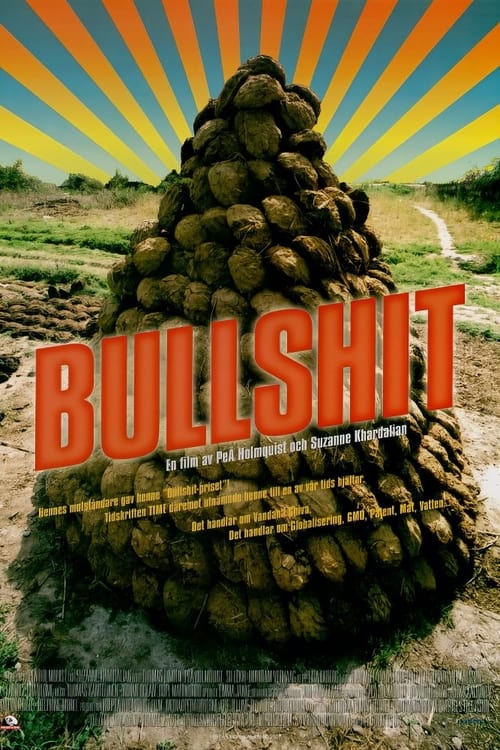
Her opponents gave her the “Bullshit Award” for sustaining global poverty. Time Magazine hailed her as one of the great heroes of our time – an icon for young people all over the world. She is Vandana Shiva and this is a film about globalization, genetic engineering, bio-piracy, and indigenous knowledge.
Bullshit
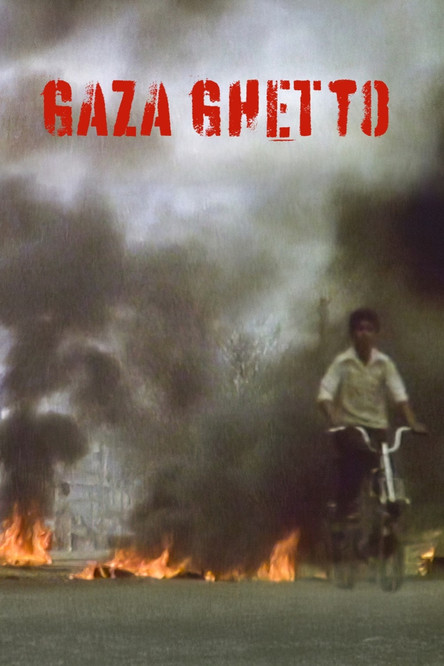
Gaza Ghetto: Portrait of a Family, 1948 – 1984 is a documentary film about the life of a Palestinian family living in the Jabalia refugee camp. The film, created by Joan Mandell, Pea Holmquist, and Pierre Bjorklund in 1984 is believed to be the first documentary ever made in Gaza. The film features Ariel Sharon, Binyamin Ben-Eliezer and soldiers on patrol "candidly discuss[ing] their responsibilities." The film follows a refugee family from the Gaza Strip who visit the site of their former village, now a Jewish town in Israel. As the grandfather and great-grandfather point out an orchard and sycamore fig that belonged to Muhammed Ayyub and Uncle Khalil, an Israeli resident appears and tells them to leave, claiming they need a permit to be there. The mother tells him that, "We work in Jaffa and Tel Aviv and that's not forbidden," to which he replies, "Here it's forbidden."
Gaza Ghetto

The Portuguese Revolution (1974-75) seen through the eyes of some of the most important photographers and filmmakers that witnessed the event. Their dreams and expectations and what came out of the revolution. With outstanding historical footage.
Another Country
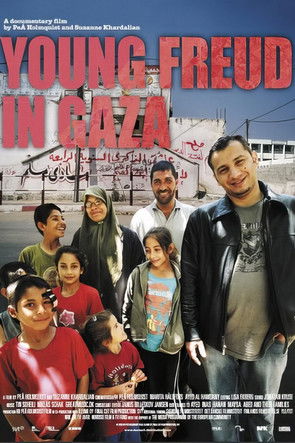
Ayed is a young Palestinian psychologist living in the embargoed territory of the Gaza Strip. Young Freud in Gaza follows him over the course of two years. This is a turbulent part of the world: suicide attacks, demonstrations and armed combat are the order of the day. In Ayed's own words, "We need a million psychologists in Gaza." The inhabitants of the Gaza Strip are constantly confronted with violence, and this has its repercussions on their mental health.
Young Freud in Gaza
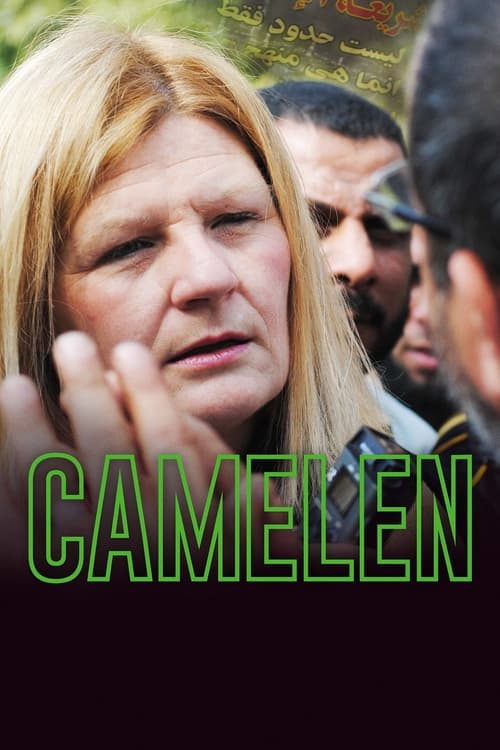
Cecilia Uddén, known as "Camelen", is a Middle East foreign correspondent working for Swedish Radio and alone in having been awarded Stora Journalistpriset ("The Swedish Grand Journalism Prize") twice. This film chronicles her life in Cairo, thereby highlighting the complex situation and conflicts in the Middle East.
Camelen
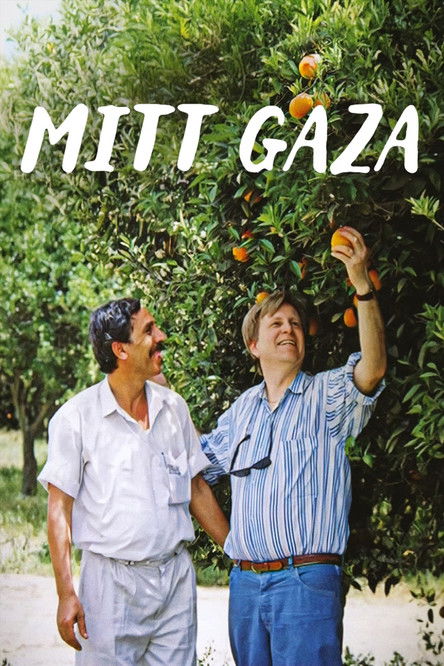
The last 31 years, PeÅ Holmquist has filmed in Gaza, depicting the fate of its people in this often cruel world. Now Holmquist makes a personal reflection based on his many visits to Gaza, most recently after the three-week intense war with Israel during 2008-2009.
My Gaza
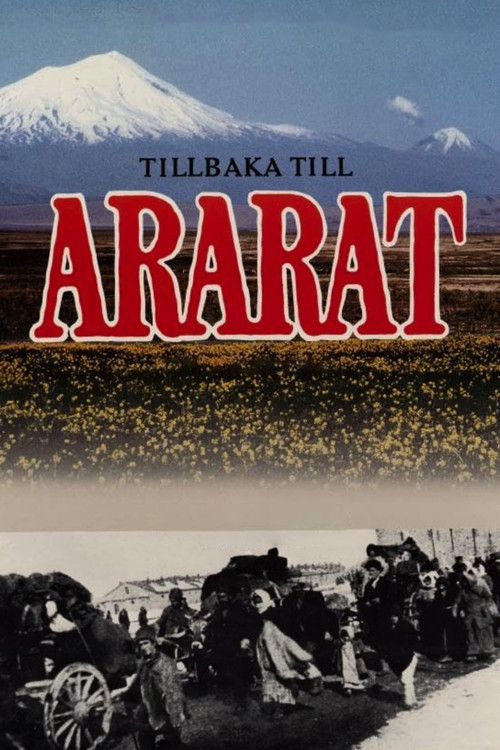
The first genocide of this century occurred during the first World War, when 1.5 million Armenians were killed, and an entire nation was driven from its land. Back to Ararat is the first film to examine this tragic episode in depth. Traveling from the old ruins to new Armenian communities around the world, the film presents a people united in its dream of returning to its homeland. But no one will listen to their arguments. In fact, Turkish representatives in the film argue the genocide never took place. Back to Ararat is a powerful reminder of a global injustice which has gone unaddressed.
Back to Ararat
In the Thai mountains lives the headman Lao-Tong. In the late 1960s, the photographer PeÅ Holmquist met him for the first time. 27 years later, he returns.
The Headman and I
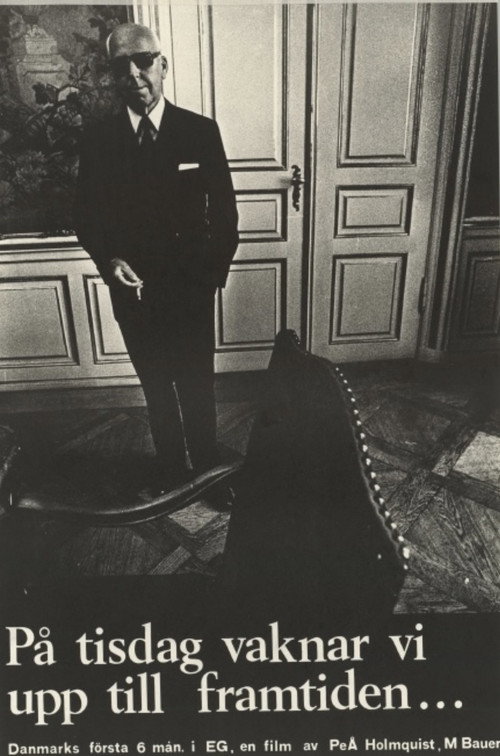
Documentary about Denmarks first six months as a member of the EU
På tisdag vaknar vi upp till framtiden
Documentary film that follows politicians during various events.
The Evening Before the Next Day
The interactions between three seventeen-year-old boys in Sweden. Thomas and Helge are born in Sweden while Jack is born in Libanon.
På osäker mark
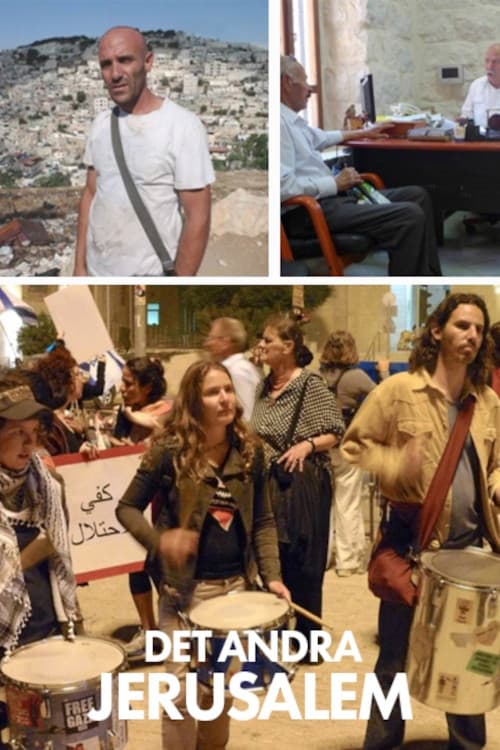
Archaeological gardens and tunnels are built. Khaled and other Palestinians lose their homes. Lawyer Ziad gets angry new clients every day. Arieh and other Israeli settlers move in. PeÅ Holmqvist and Suzanne Khardalian follow a turbulent Jerusalem, 50 years after Israel took full control.
The Other Jerusalem
At the height of the Vietnam War, in 1969, Swedish filmmaker PeÅ Holmquist traveled to South East Asia to make a film on a Hmong village leader named Lao-Tong and the Hmong. This film documents Holmquist’s return after 30 years. With new material filmed in Thailand, Laos, and the United States, and incorporating scenes from the 1969 documentary, the film shows how much has changed, and what has happened to the Hmong, both in Thailand and Laos, and in the United States.
From Opium to Chrysanthemums
Garbis is 99 years old, and one of the last survivors of the 1915 Armenian Genocide.
Jag hatar hundar
A documentary portrayal of Duisburg, a poisoned, slowly dying city of 700,000 inhabitants. Children in Duisburg grow more slowly than other children, ten times as many people die of lung cancer. The population and local politicians protest against further industry, but it is big finance and EU politicians who decide and now the city's industry is to be expanded with petrochemical plants.
Alarm
A documentary that describes the situation of a migrant worker family in EEC Germany. Through interviews with workers, unions and business leaders, it is explained that labor must be moved to where the capital is.
Arbetare i EEC
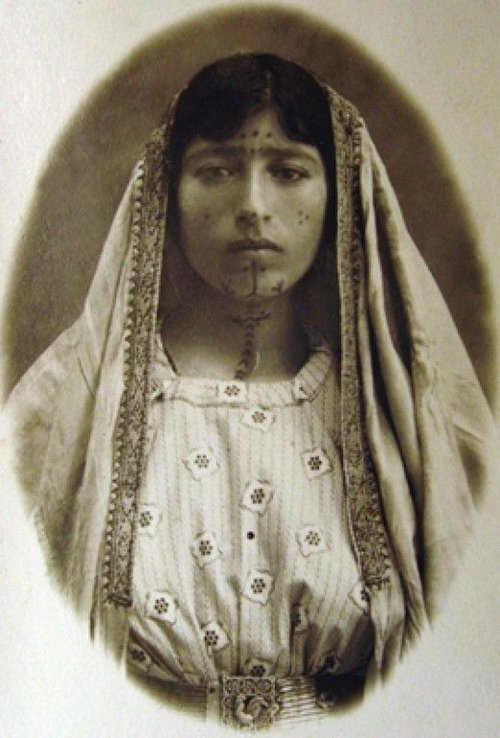
Grandma's Tattoos is a powerful documentary that reveals the fate of thousands of forgotten women, mostly teenagers and young girls, who survived the 1915 Armenian Genocide but were forced into prostitution by their captors. Many of these women were tattooed as a permanent mark of their status.
Grandma's Tattoos
More than half of India's imports today come from the United States, and American banks and companies are gaining an ever-tighter grip on the Indian economy. How do these companies work? Who benefits from their investments? How are the Indian workers who build their giant buildings doing? A film about how American companies are establishing themselves in India.