FEEL IT.STREAM
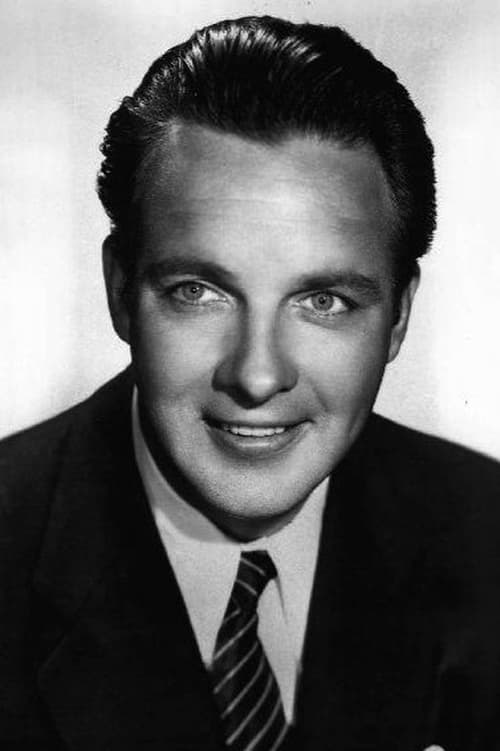
Bob Crosby

Bob Crosby

Acting

Biography

George Robert Crosby (August 23, 1913 – March 9, 1993) was an American jazz singer and bandleader, best known for his group the Bob-Cats, which formed around 1935. The Bob-Cats were a New Orleans Dixieland-style jazz octet. He was the younger brother of famed singer and actor Bing Crosby. On TV, Bob Crosby guest-starred in The Gisele MacKenzie Show. He was also a regular cast member of The Jack Benny Program, on both radio and television, taking over the role of bandleader after Phil Harris' departure. Crosby hosted his own afternoon TV variety show on CBS, The Bob Crosby Show (1953–1957). Crosby received two stars on the Hollywood Walk of Fame, for television and radio. [biography (excerpted) from Wikipedia]
Known For

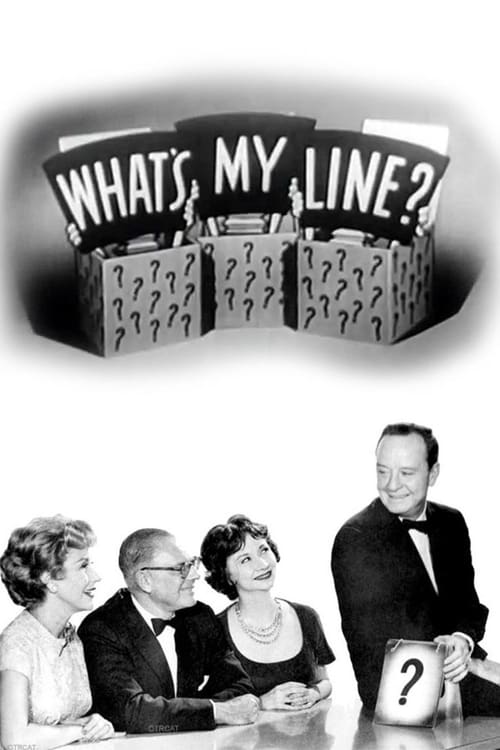
What's My Line?
7.0

Four panelists must determine guests' occupations - and, in the case of famous guests, while blindfolded, their identity - by asking only "yes" or "no" questions.

What's My Line?

1950
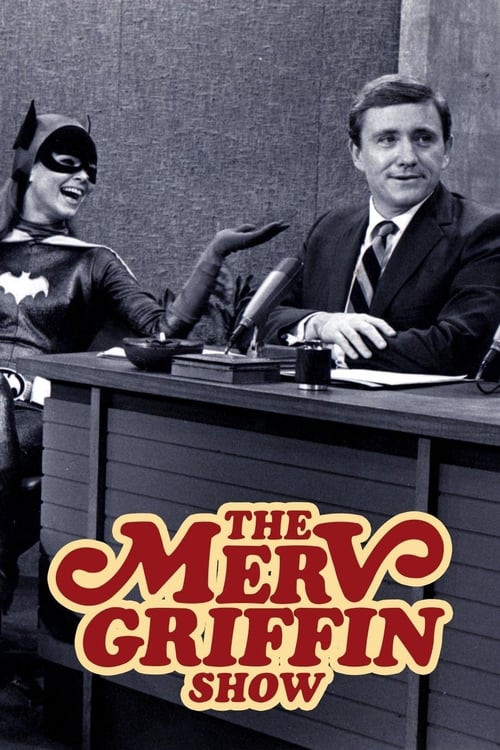
The Merv Griffin Show
6.6

No description available.

The Merv Griffin Show

1962
The Ed Sullivan Show
6.8

The Ed Sullivan Show is an American TV variety show that originally ran on CBS from Sunday June 20, 1948 to Sunday June 6, 1971, and was hosted by New York entertainment columnist Ed Sullivan. It was replaced in September 1971 by the CBS Sunday Night Movie, which ran only one season and was eventually replaced by other shows. In 2002, The Ed Sullivan Show was ranked #15 on TV Guide's 50 Greatest TV Shows of All Time.

The Ed Sullivan Show

1948
The Bob Hope Show
7.0

The Bob Hope Show hosted by Bob Hope, debuted on April 9, 1950. During the 1952-1953 season, NBC rotated with other variety shows in a Sunday night block known as "The Colgate Comedy Hour" (Sept. 1950 to Dec. 1955). Also known as, "The Chevy Show with Bob Hope." When the first special debuted in October of 1950 it was the most expensive television program made up to that point - costing an astronomical $1,500 a minute to produce. Bob Hope had his own television show and radio show at the same time. For the next three seasons, The Bob Hope Show was broadcast once a month on Tuesday nights, giving Milton Berle a week off. Bob ended his radio show in April, 1956. Bob Hope also had another show by a similar name, "The Bob Hope Show (All Star Revue)". In addition, he performed in "Specials" for many years. It is the longest running variety program in television's history with a record of 45 years of televised entertainment.

The Bob Hope Show

1950
Startime
6.8

Startime, an anthology of drama, comedy and variety, was one of the first American television shows broadcast in color.

Startime

1959
The Greatest Show on Earth
6.4

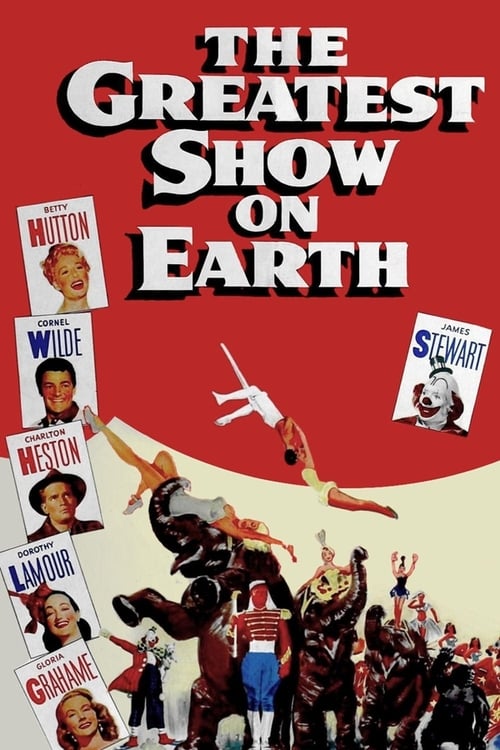
To ensure a full profitable season, circus manager Brad Braden engages The Great Sebastian, though this moves his girlfriend Holly from her hard-won center trapeze spot. Holly and Sebastian begin a dangerous one-upmanship duel in the ring, while he pursues her on the ground.

The Greatest Show on Earth

1952
Holiday Inn
7.0

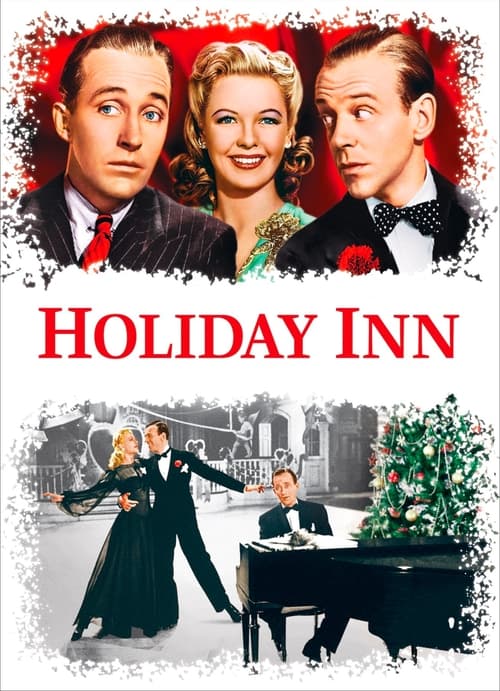
Lovely Linda Mason has crooner Jim Hardy head over heels, but suave stepper Ted Hanover wants her for his new dance partner after fickle Lila Dixon gives him the brush. Jim's supper club, Holiday Inn, is the setting for the chase by Hanover and his manager.

Holiday Inn

1942
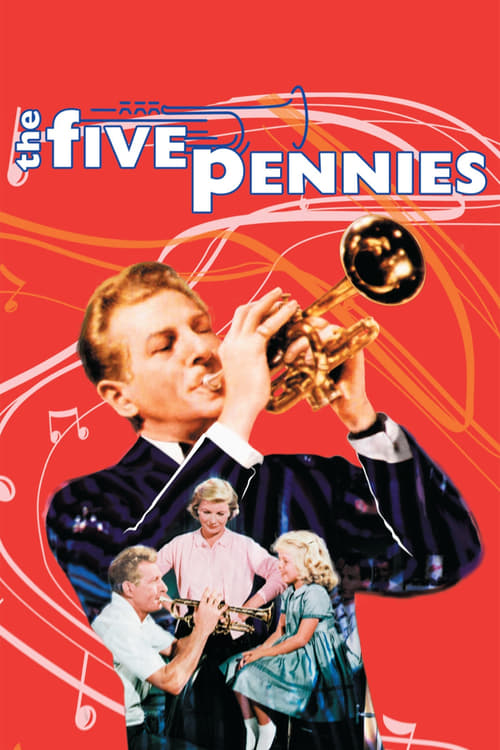
The Five Pennies
6.9

Dixieland cornetist Red Nichols runs into opposition to his sound, but breaks through to success. He marries a warm, patient woman and even finds time to raise a family. Then tragedy strikes when their daughter contracts polio.

The Five Pennies

1959
Road to Bali
6.2

Having to leave Melbourne in a hurry to avoid various marriage proposals, two song-and-dance men sign on for work as divers. This takes them to an idyllic island on the way to Bali where they vie with each other for the favours of Princess Lala. The hazardous dive produces a chest of priceless jewels which arouses the less romantic interest of some shady locals.

Road to Bali

1952
No image
N/A

Trace the history of television and its impact on American culture with clips, newsreels, and exclusive interviews from television greats like Walter Cronkite, Carol Burnett, and Jay Leno.

Television: The First Fifty Years

1999
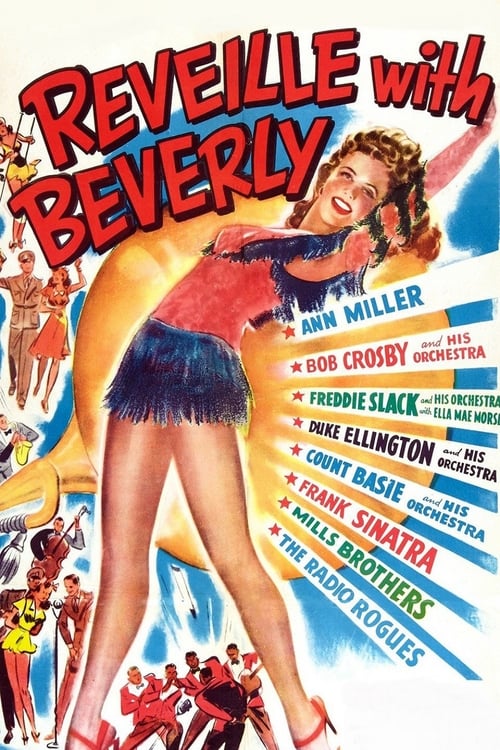
Reveille with Beverly
7.5

Beverly Ross, the switchboard operator at a local radio station, jumps at the chance to be the DJ for an early morning show before the soldiers at a nearby army camp assemble for reveille. Beverly, with her modern music, camp bulletins and chatter, is a hit with the soldiers. Beverly's younger brother and his two buddies are soldiers at the camp. The buddies vie for Beverly's attentions.

Reveille with Beverly

1943
Thousands Cheer
6.4

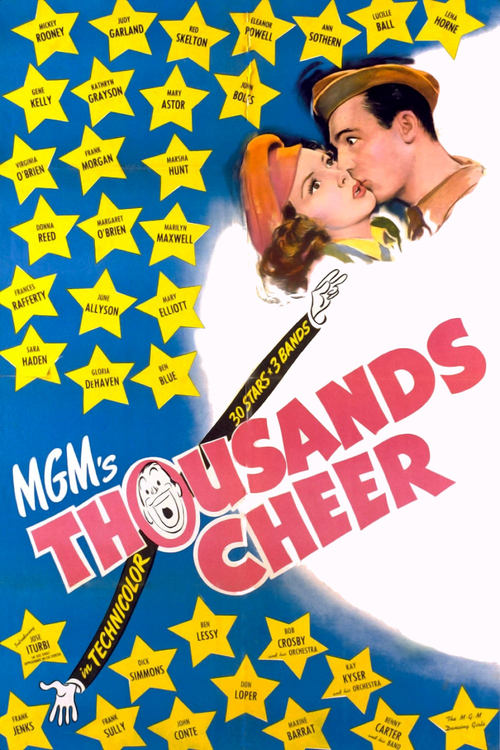
Acrobat Eddie Marsh is in the army now. His first act is to become friendly with Kathryn Jones, the colonel's pretty daughter. Their romance hits a few snags, including disapproval from her father. Eddie's also plagued by fear of having an accident during his family's trapeze act in the army variety show, which also features a gallery of MGM stars.

Thousands Cheer

1943
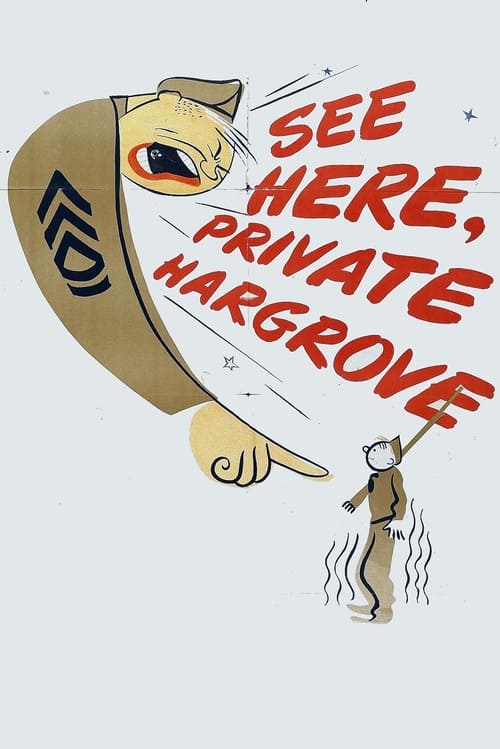
See Here, Private Hargrove
6.5

Journalist Marion Hargrove enters the Army intending to supplement his income by writing about his training experiences. He muddles through basic training at Fort Bragg with the self-serving help of a couple of buddies intent on cutting themselves in on that extra income.

See Here, Private Hargrove

1944
Kansas City Kitty
6.3

A piano teacher and her roommate decide to invest their savings in a music publishing company. Comedy with music.

Kansas City Kitty

1944
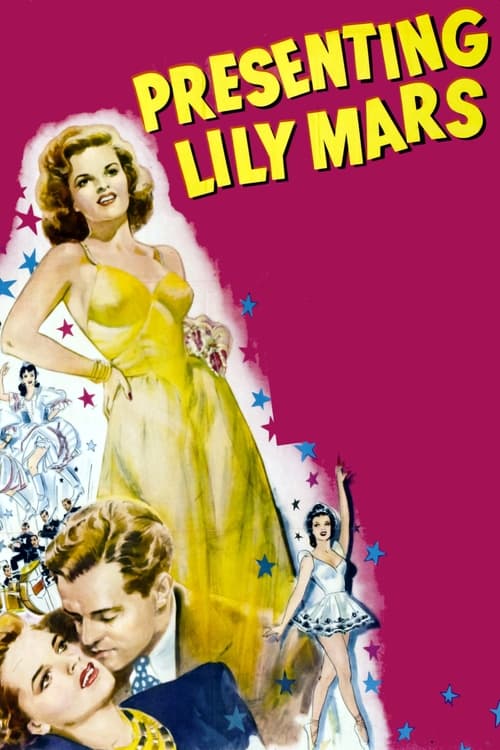
Presenting Lily Mars
6.4

Starstruck Indiana small-town girl Lily is pestering theatrical producer John Thornway for a role but he is reluctant.

Presenting Lily Mars

1943
The Singing Sheriff
9.0

In this comic western, a Broadway star leaves his musical revue to go West and help out his troubled friend. While there, the performer finds himself forced into becoming the town sheriff. Mayhem ensues, but somehow, the crooner manages to round up a band of killers.

The Singing Sheriff

1944
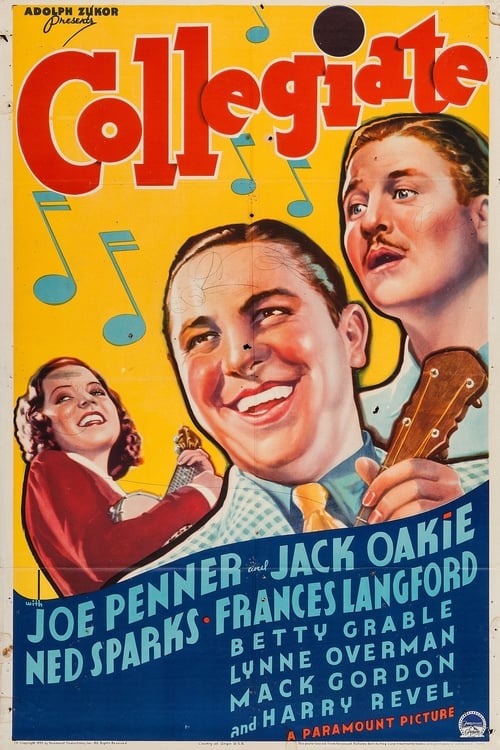
Collegiate
7.0

A Broadway playboy inherits an almost bankrupt girls' school and tries to save it by a big show.

Collegiate

1936
Rookies on Parade
10.0

The story details the misadventures of two itinerant songwriters named Duke (Crosby) and Cliff (Foy) as they try to survive Army boot camp. Intending to boost the morale of their fellow draftees, our heroes stage a big musical show, which they eventually hope will graduate to Broadway.

Rookies on Parade

1941
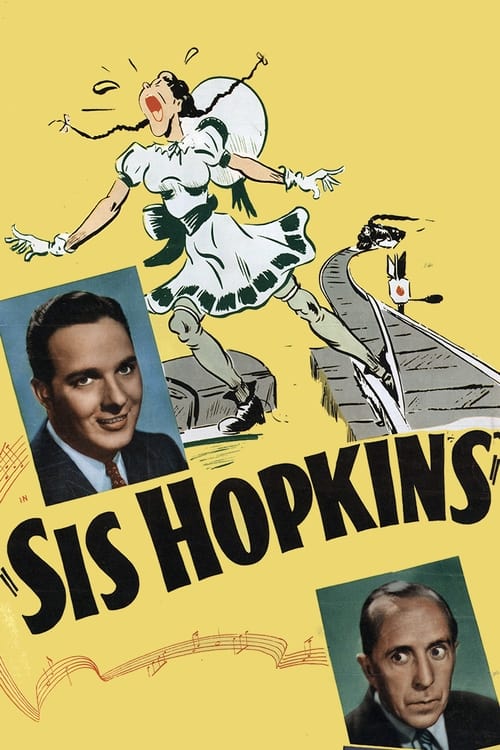
Sis Hopkins
6.3

An unsophisticated farm girl enrolls in college and stars in the campus musical.

Sis Hopkins

1941
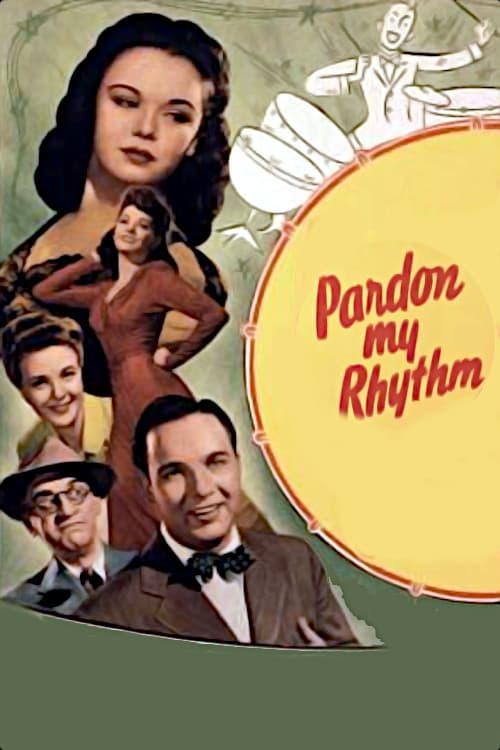
Pardon My Rhythm
7.0

A high school bandleader captures the interest of a popular co-ed.

Pardon My Rhythm

1944