FEEL IT.STREAM
Coleman Hawkins

Coleman Hawkins

Acting

Biography

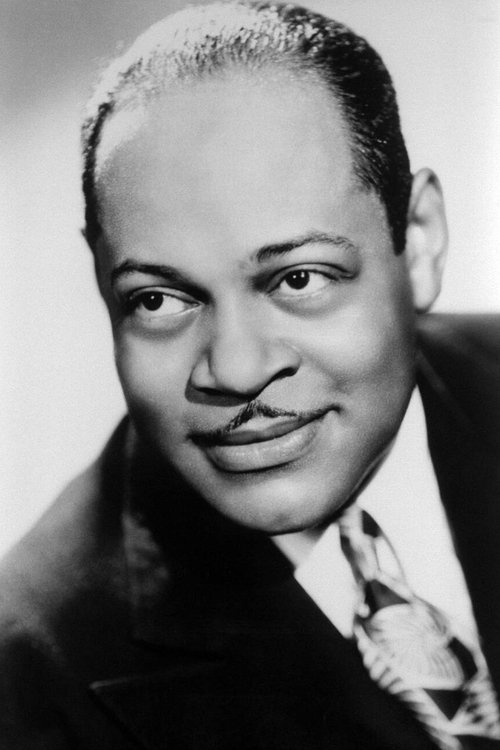
Coleman Randolph Hawkins (November 21, 1904 – May 19, 1969), nicknamed "Hawk" and sometimes "Bean", was an American jazz tenor saxophonist. One of the first prominent jazz musicians on his instrument, as Joachim E. Berendt explained: "There were some tenor players before him, but the instrument was not an acknowledged jazz horn". Hawkins biographer John Chilton described the prevalent styles of tenor saxophone solos prior to Hawkins as "mooing" and "rubbery belches". Hawkins denied being first and noted his contemporaries Happy Caldwell, Stump Evans, and Prince Robinson, although he was the first to tailor his method of improvisation to the saxophone rather than imitate the techniques of the clarinet. Hawkins' virtuosic, arpeggiated approach to improvisation, with his characteristic rich, emotional, and vibrato-laden tonal style, was the main influence on a generation of tenor players that included Chu Berry, Charlie Barnet, Tex Beneke, Ben Webster, Vido Musso, Herschel Evans, Buddy Tate, and Don Byas, and through them the later tenormen, Arnett Cobb, Illinois Jacquet, Flip Phillips, Ike Quebec, Al Sears, Paul Gonsalves, and Lucky Thompson. While Hawkins became known with swing music during the big band era, he had a role in the development of bebop in the 1940s. Fellow saxophonist Lester Young, known as the "President of the Tenor Saxophone", commented, in a 1959 interview with The Jazz Review: "As far as I'm concerned, I think Coleman Hawkins was the president, first, right? As far as myself, I think I'm the second one." Miles Davis once said: "When I heard Hawk, I learned to play ballads." Description above from the Wikipedia article Coleman Hawkins, licensed under CC-BY-SA, full list of contributors on Wikipedia.
Known For

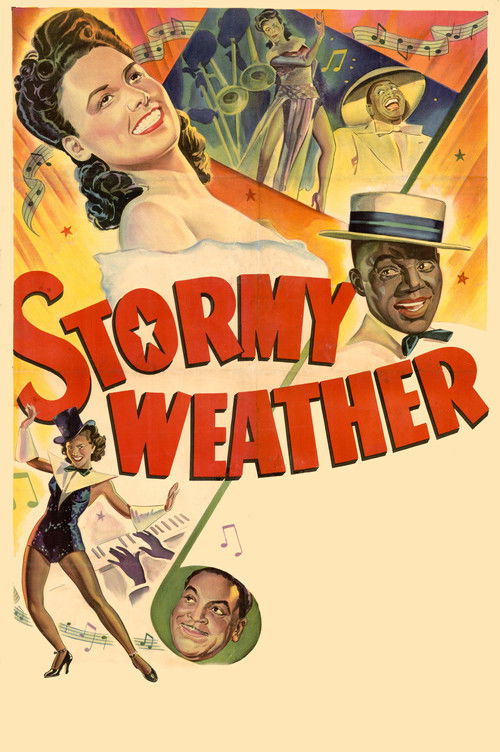
Stormy Weather
6.9

The relationship between an aspiring dancer and a popular songstress provides a retrospective of the great African-American entertainers of the early 1900s.

Stormy Weather

1943
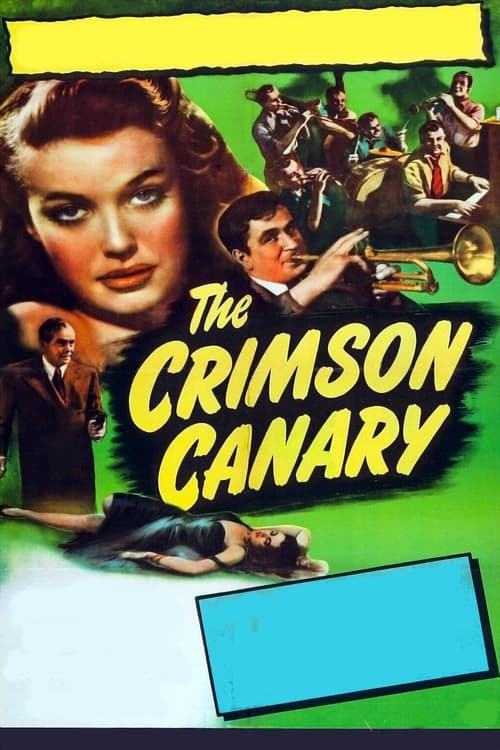
The Crimson Canary
7.5

When a conniving female singer turns up dead, with the evidence pointing to the band’s drummer, jazz trumpeter Danny Brooks attempts to clear him—only to implicate himself and the rest of the band in the process. Can a jazz-loving police detective and Danny’s fiancée solve the case before the next downbeat?

The Crimson Canary

1945
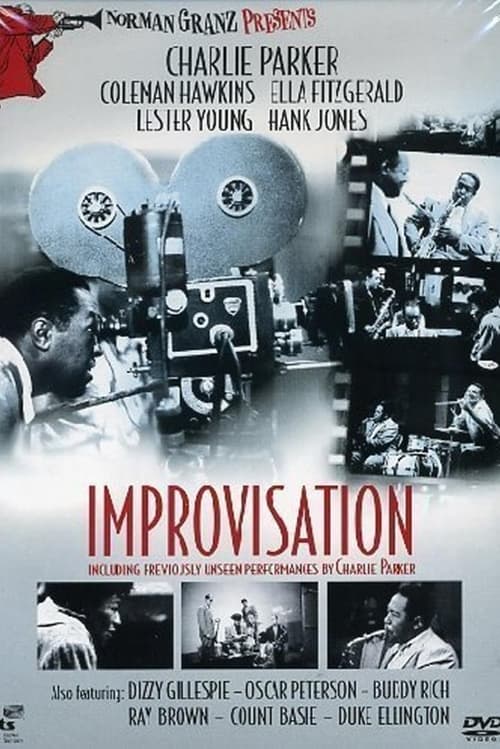
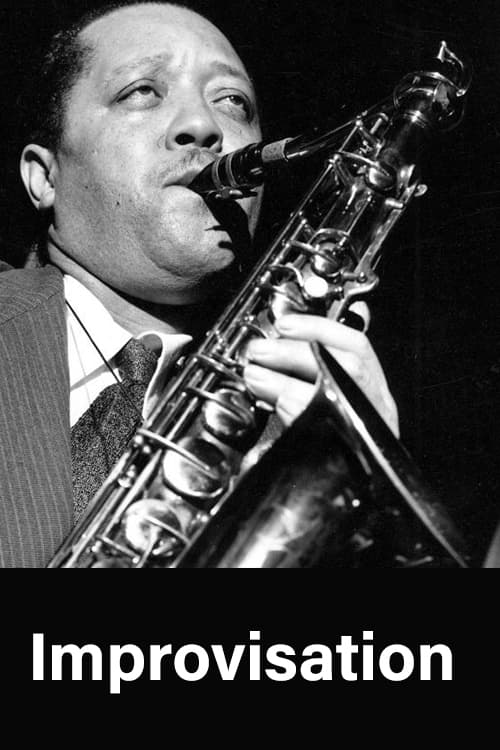
Improvisation
N/A

Improvisational jazz performance filmed in 1950 by Gjon Mili plus Duke Ellington Trio filmed in July 1966, Count Basie at the Montreux Jazz Festival 1977, Joe Pass 1979, Ella Fitzgerald 1979, and Oscar Peterson at the Montreux Jazz Festival 1977.

Improvisation

2004
Improvisation
5.0

An improvised jazz session with some of the greats from the 1950s era including Ella Fitzgerald.

Improvisation

1950
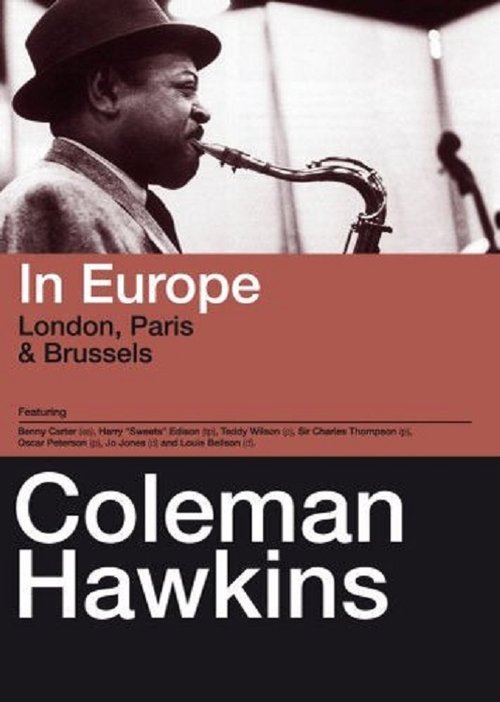
Coleman Hawkins – In Europe, London, Paris & Brussels
N/A

No description available.

Coleman Hawkins – In Europe, London, Paris & Brussels

2008
Kid Dynamite
N/A

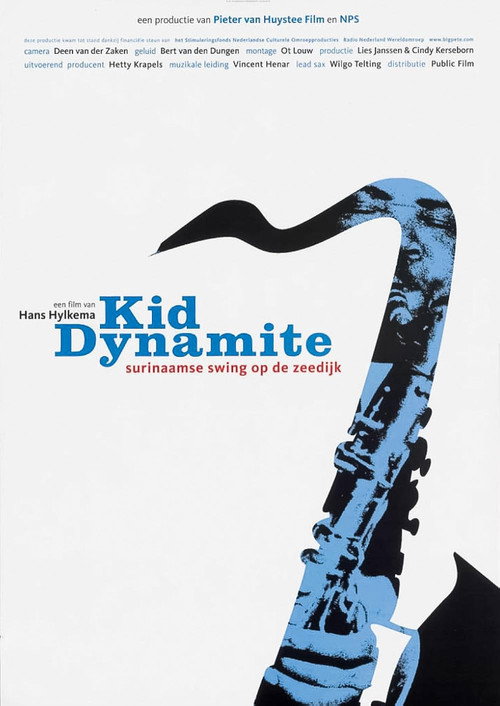
No description available.

Kid Dynamite

2001
No image
5.5

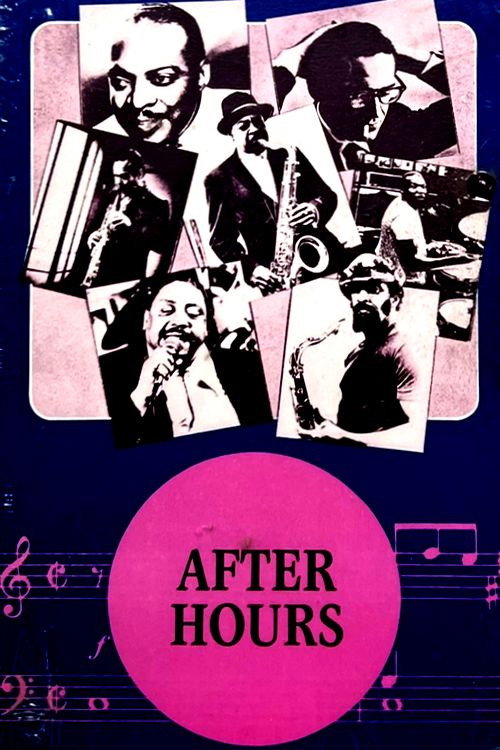
Documentary short showcasing the genius of jazz greats Coleman Hawkins, Roy Eldridge, Cozy Cole, and Milt Hinton, among others.

After Hours

1961
The Sound of Jazz
8.0

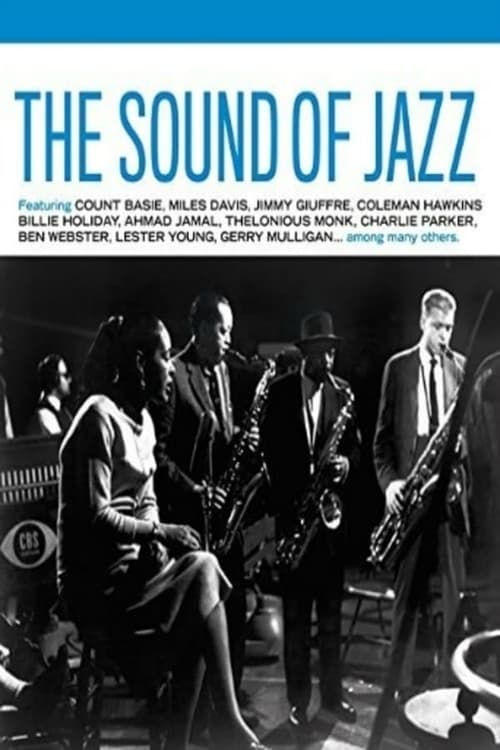
The Sound of Jazz is an historic episode from the "Seven Lively Arts" anthology series featuring jazz greats in concert. Hosted by John Crosby, it offers some fascinating performances from Count Basie, Billie Holliday, Thelonious Monk and many more. This 58-minute program is a truly original and unique broadcast from CBS Studio 58 in New York on December 8, 1957.

The Sound of Jazz

1957
No image
N/A

Jazz Icons: Coleman Hawkins presents two incredible concerts from 1962 and 1964 featuring 140 minutes of music. Both concerts feature stellar European and American side-musicians including Harry “Sweets” Edison on trumpet and drummer “Papa” Jo Jones – both jazz legends in their own right. The 1962 show is a newly-discovered one-hour concert from the Adolphe Sax Festival in Belgium, which has never been seen. Coleman Hawkins, “The Father of Jazz Saxophone,” demonstrates in these two concerts why he is still considered one of the most important innovators in the history of jazz.

Jazz Icons - Coleman Hawkins Live in '62 & '64

2009