Henning Camre
Camera
Biography
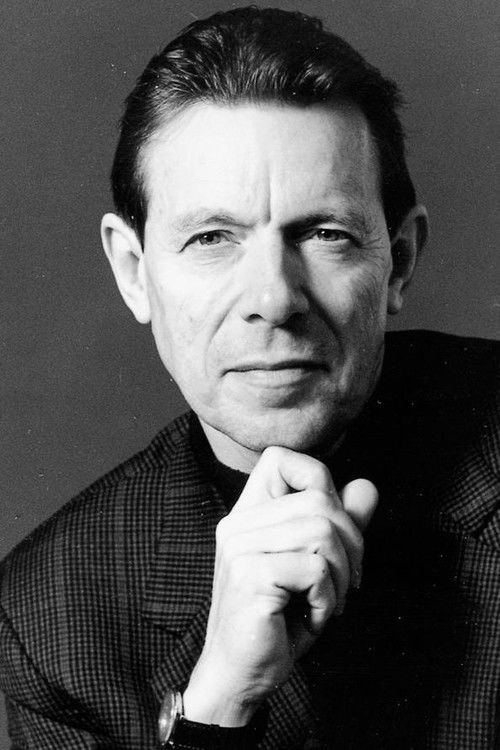
Henning Camre is a Danish cinematographer and film industry administrator, currently President of the Think Tank on European Film and Film Policy. He started out as a cinematographer in the first half of the 1970s before he became the principal of first the Danish Film School and then the National Film and Television School in England before he became a Director and reformer of the Danish Film Institute.
Known For

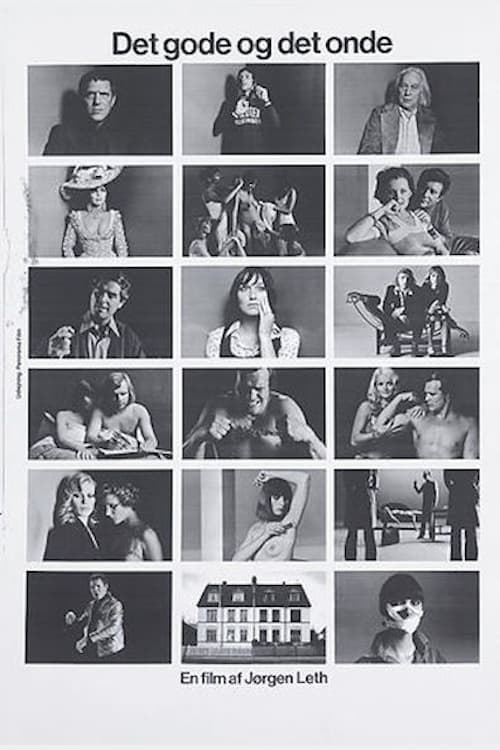
Jørgen Leth can squeeze poetry from a stone and wit from dust, and he can find love where the milk of human kindness runs dry. In a series of tableaux of Life in Denmark, he carries absurdism to a happy extreme. To act out his minuscule non-dramas, he uses a motley crew of professional actors like Ghita Nørby and Claus Nissen, writer Dan Turéll plus a snake charmer, a bicycle racer and a circus queen.
Good and Evil

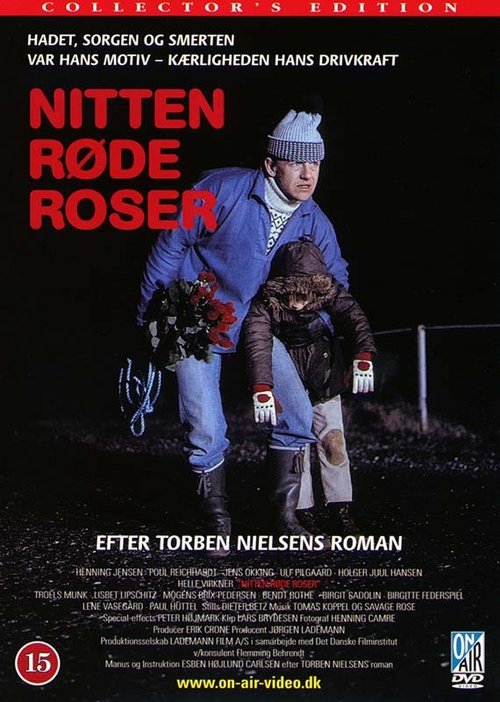
After his girlfriend is killed in an automobile accident, a man decides the best revenge on those responsible is to murder their loved ones.
Nineteen Red Roses

Poet-filmmaker Jørgen Leth taps his own earliest inspirational veins by free-floating through a camera/microscope-enhanced set of poems with love as their first and final subject. For example, how a tropical island woman prepares for a meeting with her lover. The film was shot partly in the South Pacific with more than a nod to social anthropoliogist B. Malinowski's historical work The Sexual Life of Savages.
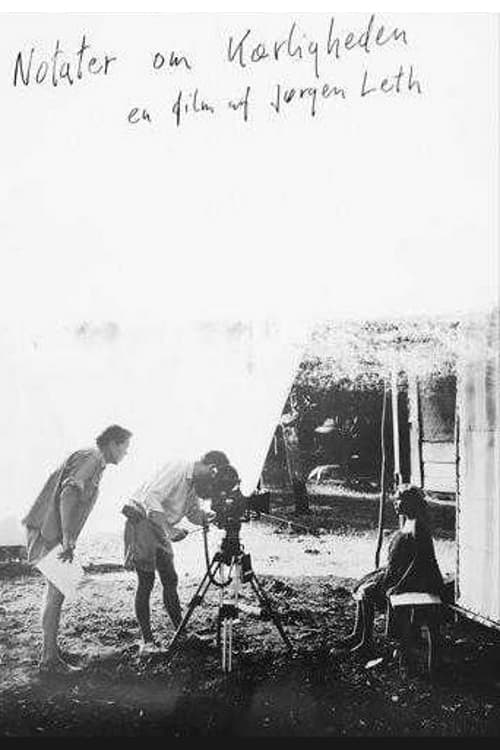
Notes on Love
German/French TV documentary portraying Danish film director Lars von Trier.
In Doctor von Trier's Laboratory: Back to the Magic of Cinema

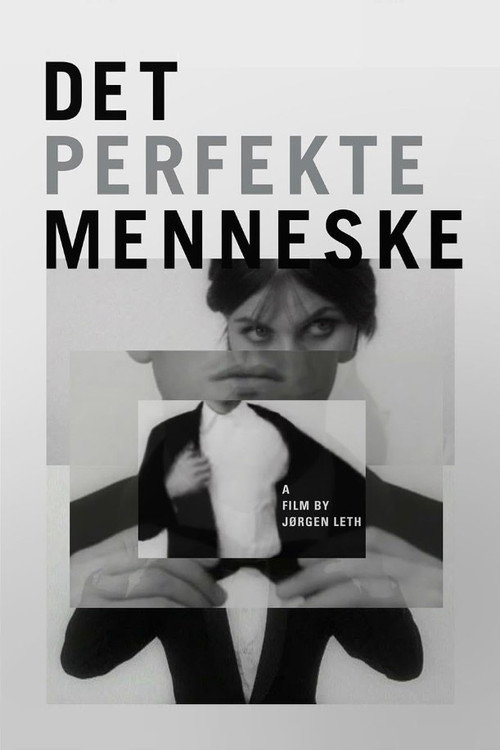
An elegant and humorous film—in the guise of a serious anthropological treatise—spotlights "The Perfect Human," a model of the modern Dane created by our wishful thinking.
The Perfect Human

An experimental sports film made partly during the Scandinavian Open Championships in Halmstad in 1970, partly during the Chinese players' exhibition tour in Denmark immediately after the SOC. First of all, it is a film about their style, about the artistic culmination that is ping-pong at its best, it records China's comeback into the international sports world.
Chinese Ping-Pong
Jørgen Leth's experimental take on Ophelia's madness scene in Shakespeare's Hamlet.
Ophelia's Flowers

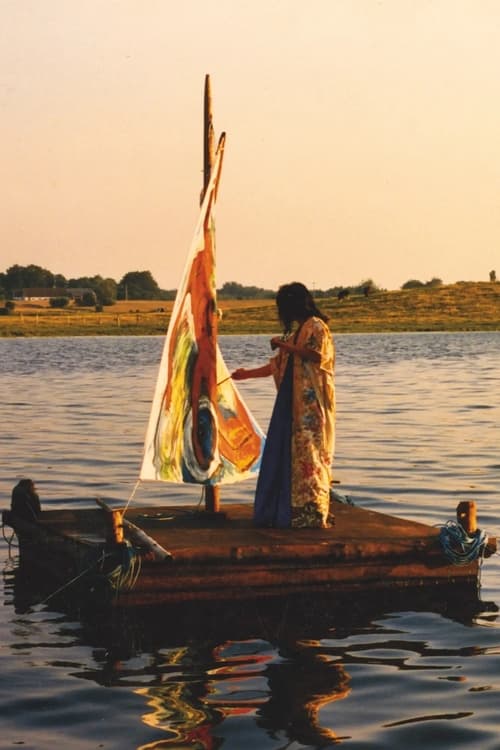
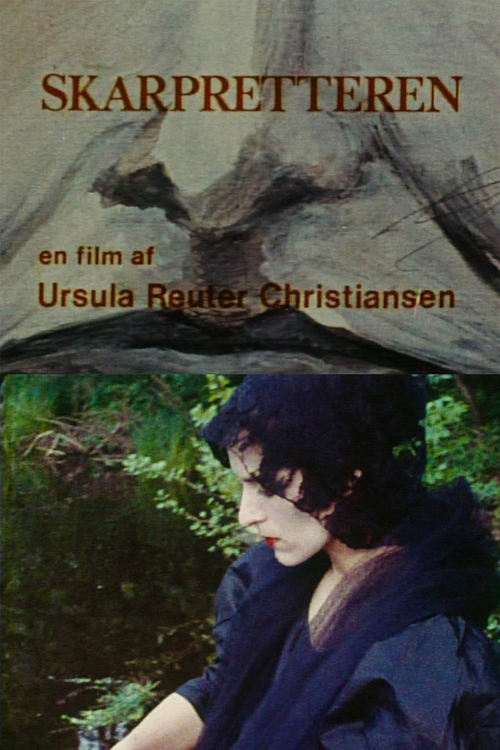
Starring Reuter Christiansen herself and shot in the lush landscape of Møn, the Danish island where she has lived since 1970, THE EXECUTIONER uses a fragmented narrative to tell “a story of woman’s degradation and exaltation,” as its subtitle indicates. A landmark of Danish feminist art, the film was also Reuter Christiansen’s first major collaboration with Henning, who composed the film’s lyrical, subtly experimental music.
The Executioner
The classic chase. The mechanics of escape and repression. About identity loss, role-playing, and alienation, as they say.
Tegneserie

With the relationship between mother and daughter as a common theme, the film is divided into 9 image rooms with action patterns that are based on archetypal images and motifs. The film is unconventional in its choice of means of action. Ursula Reuter Christiansen, who is a painter, tells her adventurous stories with an emphasis on the visual element, which works in interaction with Henning Christiansen's original soundtrack. (DFI)