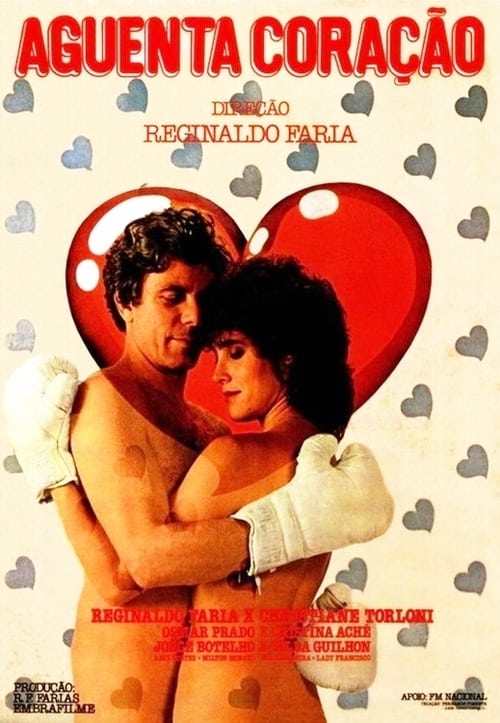
Directing
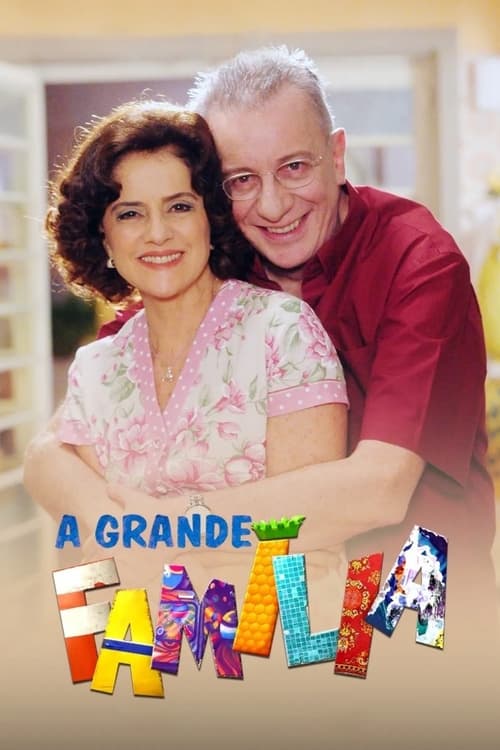
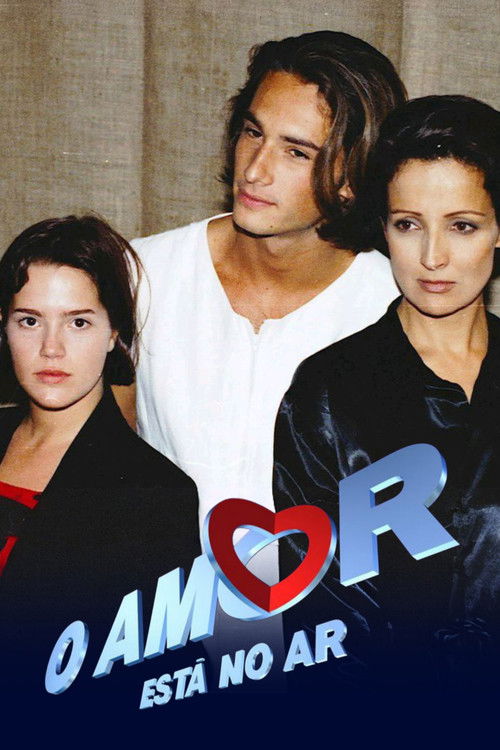
The daily lives of a typical Brazilian middle-class family, that are always very close and tries, in their way, to survive the financial and relationship difficulties.
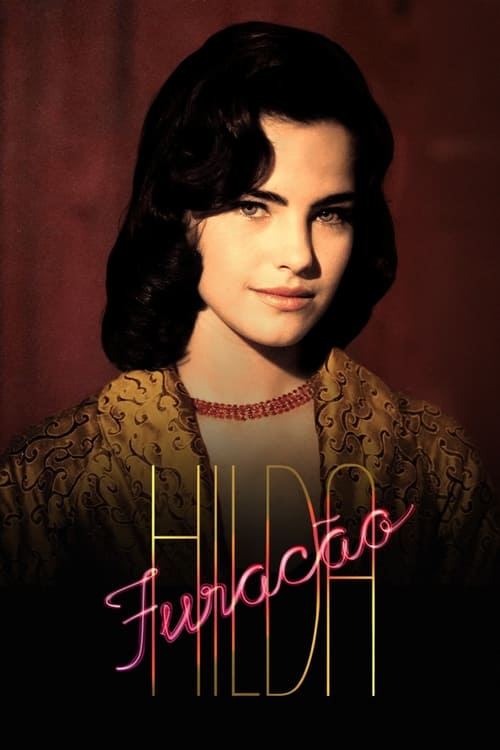
After breaking off her engagement on her wedding day and going directly to a prostitution house, a young model becomes the city's most famous harlot, known as "Hilda Hurricane", in the 50's Brazil. She could do fine if it wasn't for Malthus, a young novice said to be a saint, for whom she falls in love. However, the boy is kept under the strict, severe doctrine of Father Nelson, a conservative priest intolerant even to every minor sin. Things start getting harder when Roberto, Malthus' old friend and a communist reporter (the actual author of the story), tries to interview Hilda and disclosure the real reasons behind her radical change of mind. In the meantime, the middle-classes are terrified by the "leftist threat" in Brazilian politics.
No description available.
Fernanda and Vivi are identical, but from different worlds. A cruel plan swaps their identities and transforms their lives into a game of lies and ambition.
The elegant and wealthy Bárbara gives birth to a stillborn child, but never receives the bad news. Her husband, Guilherme, swaps the child's body for that of a baby whose mother is very poor and unable to raise him. Thirty years later, Eugênio, the swapped boy, suffers mercury poisoning, develops leukemia, and needs an urgent bone marrow transplant. But the surgery can only be performed with a donation from a blood relative. Faced with the risk of his son's death, Guilherme tells Bárbara the truth. With everything clarified, the two go in search of Anabel Muñoz, the boy's real mother and the only one who can save his life. Anabel kept her pregnancy a secret, but never forgot the child she had with the unscrupulous Urbano. She is the widow of the Cuban Félix Muñoz and has five other children: Valentim, Remédios, Amparo, Assunção, and Antônio.
The soap opera's central theme is life after death, inspired by the philosophy of Allan Kardec, the codifier of Spiritism. The character who drives the plot is Alexandre, a delinquent who kills himself in prison after being convicted of robbery followed by homicide and goes on to torment the lives of all those he considers responsible for his tragic fate.
Brava Gente was a television series aired by TV Globo in Brazil between 2000 and 2003, initially as a special year-end. The program was adapted from stories and national stories, and plays by famous playwrights, screenwriters and signed by a number represented by several actors and actresses. The genres of the stories varied each week with the style of each director or author. Brava Gente in the stories ranged from comedies and dramas. In all 53 episodes were shown, broadcast on Tuesday nights.
Carlão is an honest but hot-tempered taxi driver who discovers a suitcase containing two million reais in his car, the proceeds of a bank robbery. This is the second version of the telenovela, originally aired in 1975.
Millionaire Frederico Berger grapples with the trauma of a tragedy. The arrival of his housekeeper, Flávia Cristina, unjustly accused of a crime, transforms everyone's lives.
The daily life of two friends, Sueli and Fátima, whom despite being independent and single women, always feel smothered.
Due to a rare phenomenon, a woman finds herself pregnant with twins by two men. Over time, she strives to keep her family united — and her secrets hidden.
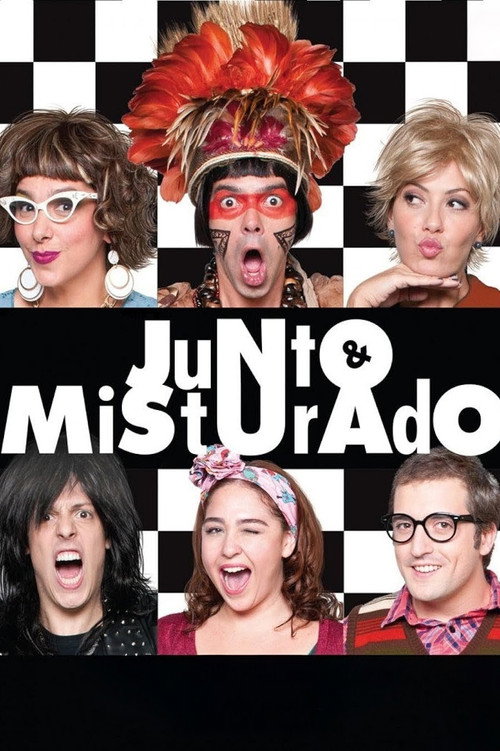
A sketch show satirizing Brazilian television programs.
The story is set in the quiet, fictional town of Ouro Velho. Sofia Schnaider is a striking woman of great class and intelligence, possessing strong ethical values inherited from her Jewish family, who emigrated to Brazil after the war. Following the death of her husband—the aristocrat Victor Sousa Carvalho—Sofia takes over the family business, Estrela Dourada, which operates water-based tourism activities on the large local reservoir. However, her mother-in-law, Úrsula, refuses to accept this arrangement and launches a fierce battle for control of the Sousa Carvalho business empire.
The relationship among three friendly couples turns upside down when two of the men get a job on TV. Their girlfriends leave them, looking for more action in their lives.
Christian and Renato are identical twins who have opposite lives: Christian grew up in an orphanage and is underemployed, struggling to survive. Renato was adopted by a rich family and had everything that money can buy. When they meet again as adults, a tragedy happens: Renato is murdered and identified as Christian who, in turn, takes the place of his brother. However, to this end, he must leave behind his identity and his great love.
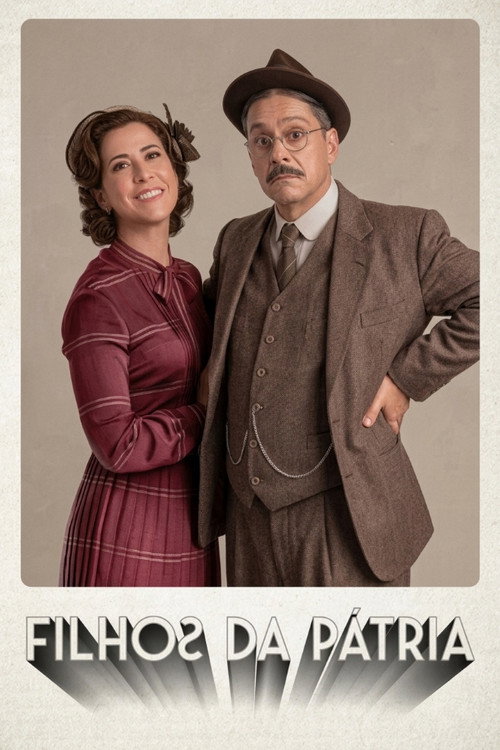
The Bulhosa family lands a century later—this time in the 1930s, at the start of the Vargas Era—yet retains the mannerisms and all the eccentricity characteristic of the clan.
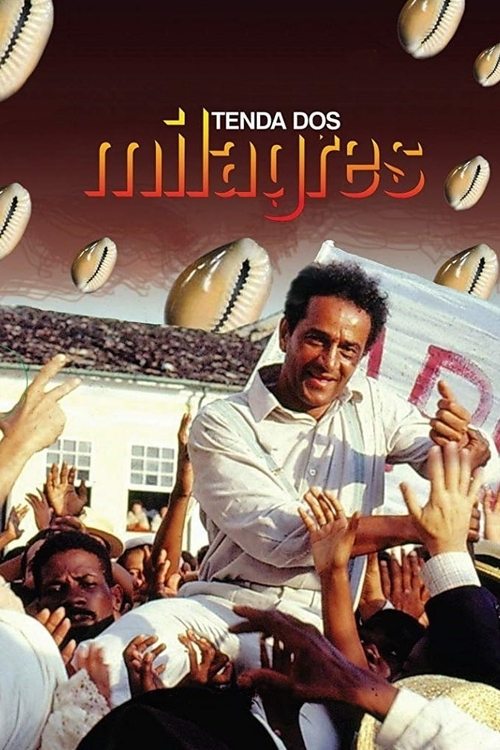
The miniseries addresses the struggle of Pedro Arcanjo, guided by Magé Bassã, his holy mother, to protect African culture and integrate it into Brazilian society, creating a new culture. The plot takes place in the Bahian setting filled with the stories of the characters who intersect in Arcanjo's struggle: the friendship with Mestre Lídio, shaken when Rosa de Oxalá, his wife, falls in love with Archanjo; loves prohibited by the incompatibility of saints; the fight against the intolerance and racial prejudice of those in power.