Acting
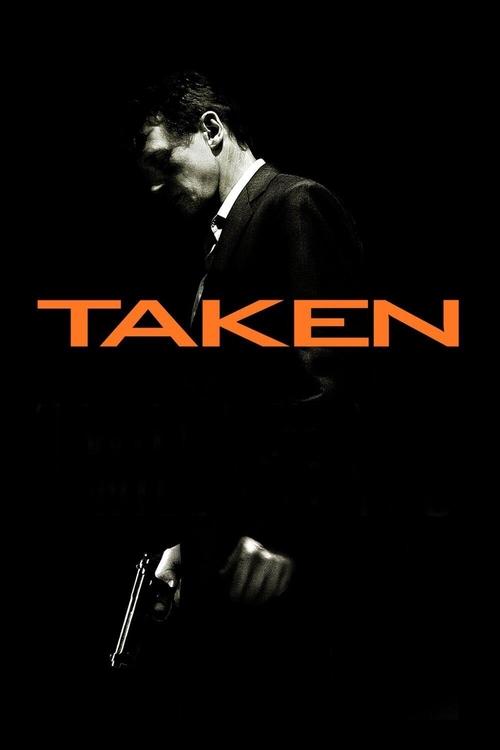
Bryan Mills, a former government operative, is trying to reconnect with his teenage daughter Kim. After reluctantly agreeing with his ex-wife to let Kim go to Paris on vacation with a friend, his worst nightmare comes true. While on the phone with his daughter shortly after she arrives in Paris, she and her friend are abducted by a gang of human traffickers. Working against the clock, Bryan relies on his extensive training and skills to track down the ruthless gang that abducted her and launch a one-man war to rescue his daughter.
After ratting out his Mafia cohorts, Giovanni Manzoni and his family enter the Witness Protection Program and relocate to a sleepy town in France. Despite the best efforts of their handler to keep them in line, Giovanni (now called Fred Blake), his wife and children can't help but resort to doing things the "family" way. However, their dependence on such old habits places everyone in danger from vengeful mobsters.
It’s the first day of the 1963 school year at Voltaire High! And for the first time, girls and boys will mingle. This first year of coeducation is full of surprises, both for teachers and students.
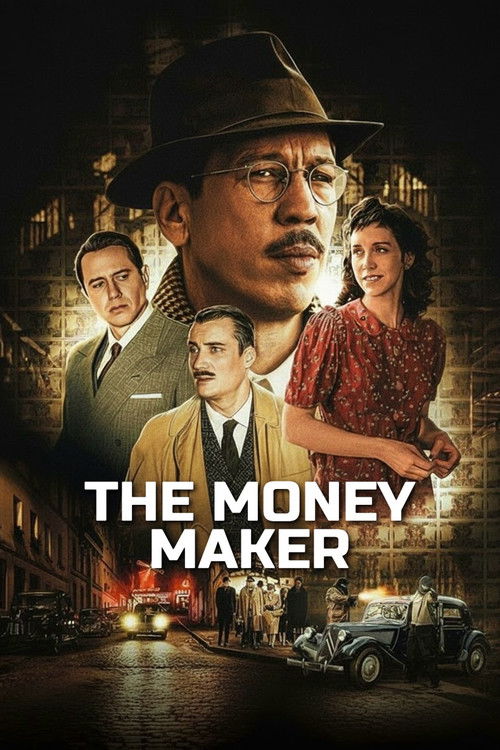
A Polish engineer relocates to France and becomes a legendary counterfeiter. Working solo, he crafts flawless fake francs worth millions over 14 years, earning the nickname "Cézanne of counterfeit money" for his artistic skill and output.
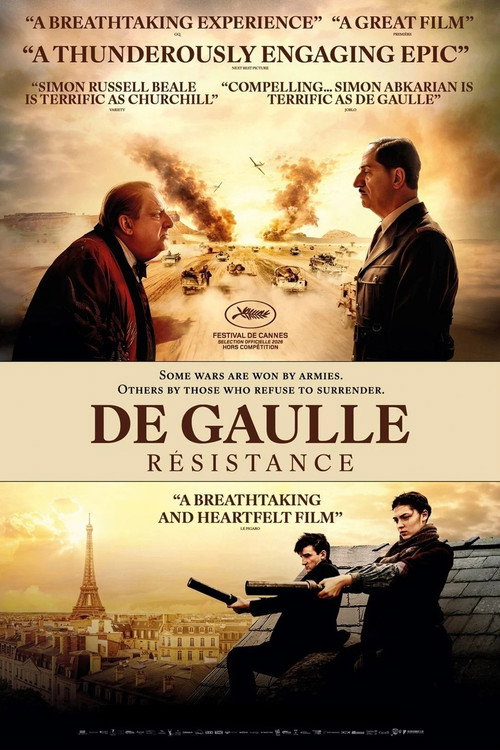
June, 1940. France collapses and signs the armistice. In the midst of the chaos, one man refuses to give up. Alone against the odds, this unknown general flees to London to save what remains of freedom.
Part two of a two-part biopic following French army officer Charles De Gaulle's life and political commitment between 1940 and 1945, and trace his development towards a political career.
Inspired by the true events of one of France's most notorious non-violent robbers, Bruno Sulak, in the 1980s. He led multiple heists, then captured public attention for his many daring escapes from police custody...always to reunite with his beloved lover and accomplice Annie, becoming both France's Public Enemy #1 and an icon of Freedom.
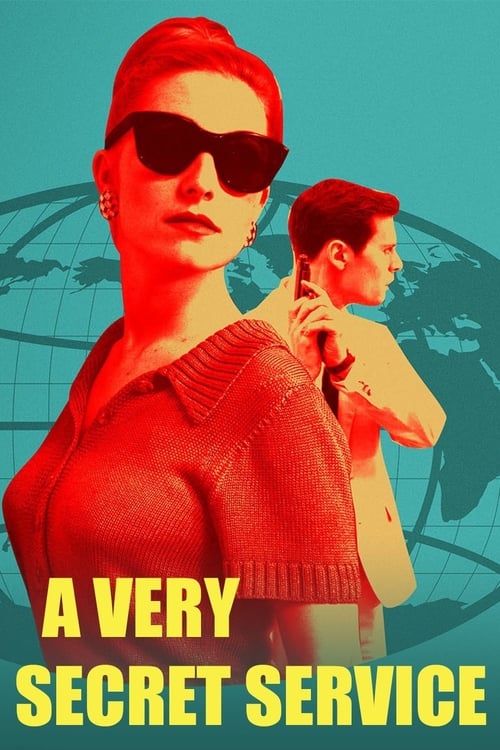
At the height of the Cold War in 1960, André Merlaux joins the French Secret Service and contends with enemies both foreign and bureaucratic.
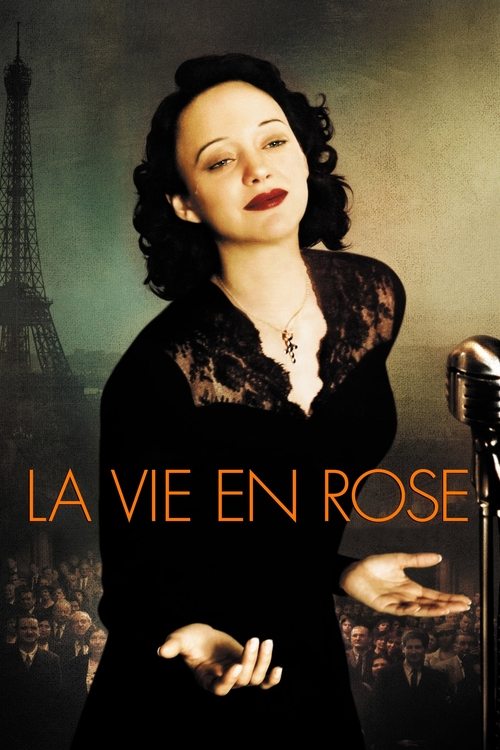
From the mean streets of the Belleville district of Paris to the dazzling limelight of New York's most famous concert halls, Edith Piaf's life was a constant battle to sing and survive, to live and love. Raised in her grandmother's brothel, Piaf was discovered in 1935 by nightclub owner Louis Leplee, who persuaded her to sing despite her extreme nervousness. Piaf became one of France's immortal icons, her voice one of the indelible signatures of the 20th century.
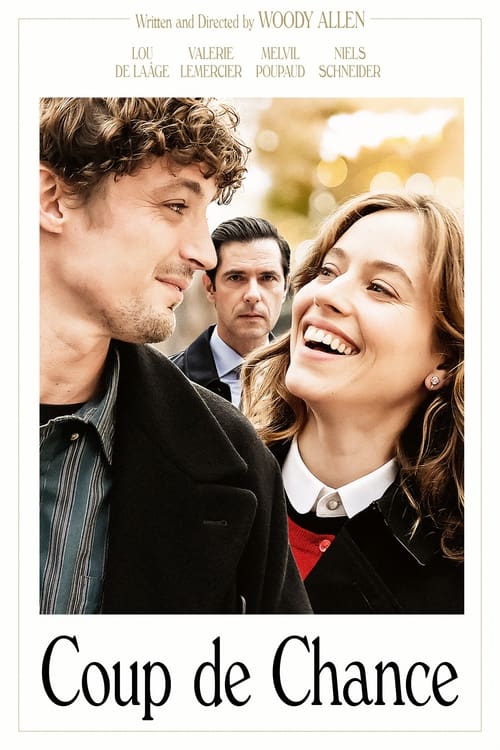
Fanny and Jean have everything of an ideal couple: fulfilled professionally, they live in a magnificent apartment in the beautiful districts of Paris, and seem to be in love as on the first day. But when Fanny crosses, by chance, former classmate Alain, she's immediately capsized. They see each other again very quickly and grow closer.
In 2013, Vanessa Springora recounts how she found herself under the influence of a famous writer. In 1986, she was 13; him, almost 50. The victim of a triple predation: sexual, literary, and psychic, there's more beyond her individual story. She questions the excesses of an era, and the complacency of an environment blinded by talent and celebrity.
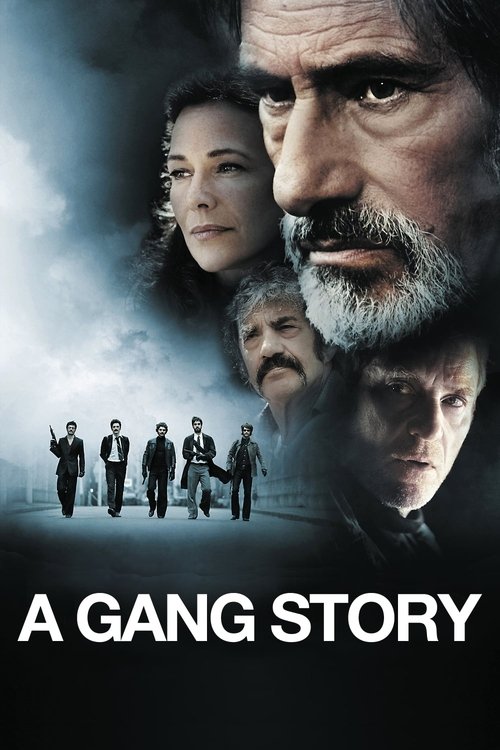
After growing up in a poor gypsy camp, Edmond Vidal, aka Momon, has retained a sense of family, unfailing loyalty and pride in his origins. Most of all, he has remained friends with Serge Suttel, with whom he first discovered prison life - for stealing cherries. The two of them inevitably got involved in organized crime. The team they formed, the Ganf Des Lyonnais, made them the most notorious armed robbers of the early 1970s. Their irresistible rise ended in 1974 with a spectacular arrest. Today, as he nears 60, Momon would like to forget that part of his life. He has found peace by retiring from the "business". He tends to his wife Janou, who suffered so in the past, and to his children and grandchildren, all of whom have great respect for this man of simple and universal values, so clear-headed and full of kindness. But then Serge Suttel, who has disowned nothing of his past, comes back into the picture.
No description available.
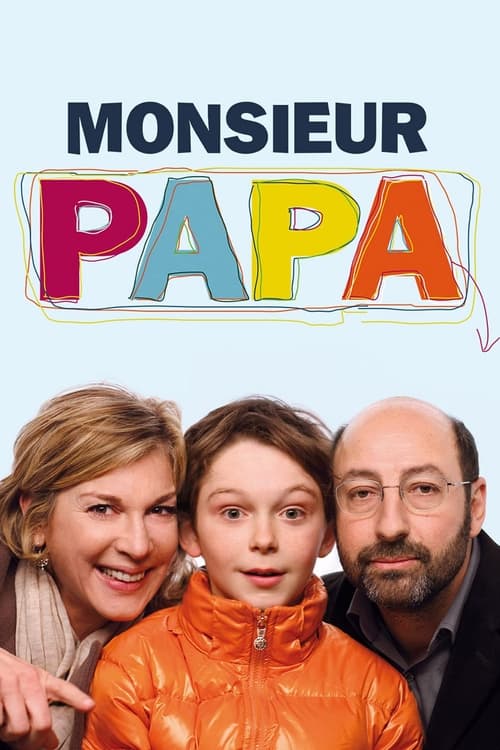
Monsieur Papa is a moving portrait of a modern family, centering around 12 year-old Marius Vallois. Born in a wealthy family, Marius is the son of Marie Vallois, a successful CEO. Marie loves her son unconditionally, but Marius has never known his father and suffers greatly from it. When Marius starts shoplifting and doing badly at school, Marie decides to recruit a father figure for him. One day in her office building, she meets Robert Pique. Robert is a peculiar man who has a background in finance, but makes ends meet ironing clothes for his neighbors. Reluctant at first, Robert agrees to be paid to meet Marius and pretends to be his father. Marius immediately understands that Robert is not his dad, but very quickly, a deep bond develops between them.
In 1963, Esther gives birth to Roland, the youngest of a large family. Roland is born with a club foot that prevents him from standing. Against everyone's advice, she promises her son that he will walk like the others and that he will have a fabulous life. From then on, Esther will do everything in her power to keep this promise. Through decades of trials and miracles of life, this film is the story of a true, funny and moving story, that of an incredible destiny and the greatest love there is: that of a mother for her child.
A quiet community is devastated by the murder of a teenage supporter during a local football match.
In September 1963, the Lycée Voltaire, until then reserved for boys, became co-educational and welcomed girls for the first time. Even if there were only a few girls, this opening was a real revolution. The life of the school was turned upside down.
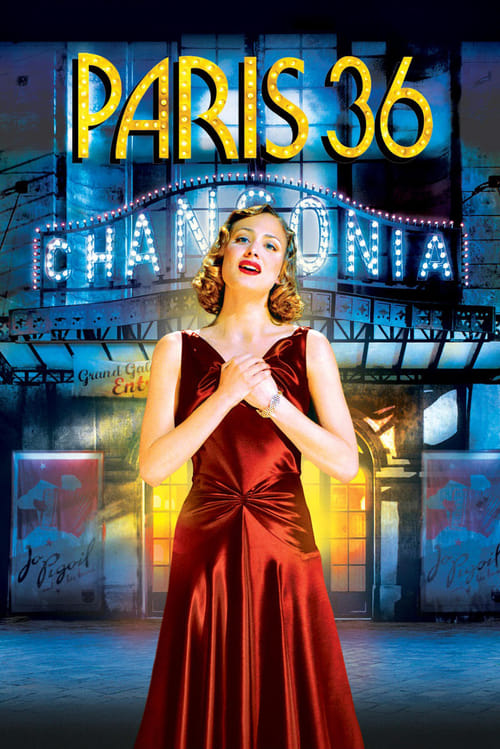
A star is born in a time of both celebration and instability in this historical drama with music from director Christophe Barratier. In the spring of 1936, Paris is in a state of uncertainty; while the rise of the Third Reich in Germany worries many, a leftist union-oriented candidate, Léon Blum, has been voted into power, and organized labor is feeling its new power by standing up to management.