Jan Němec
Directing
Biography
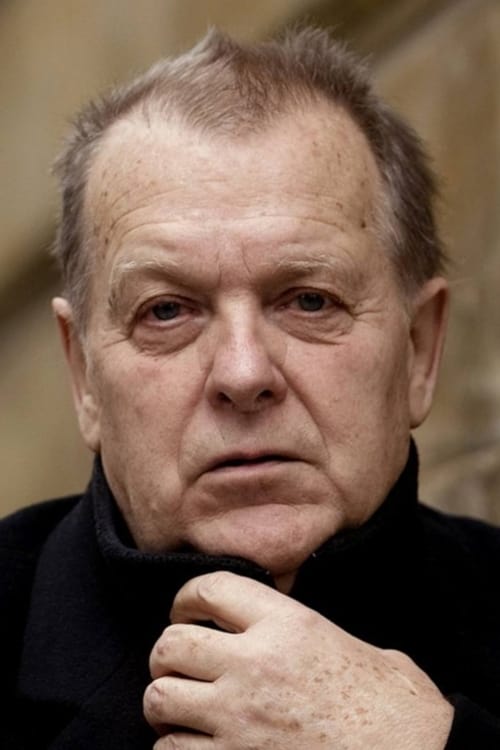
Jan Němec (12 July 1936 – 18 March 2016) was a Czech filmmaker whose most important work dates from the 1960s. Film historian Peter Hames has described him as the "enfant terrible of the Czech New Wave."
Known For

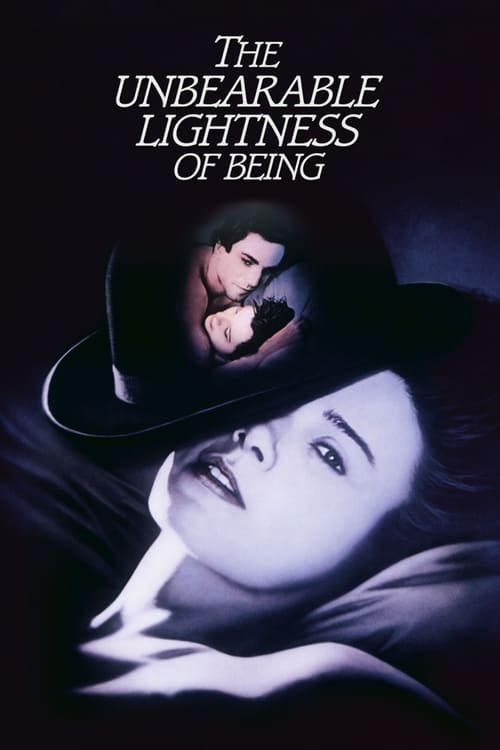
Successful surgeon Tomas leaves Prague for an operation, meets a young photographer named Tereza, and brings her back with him. Tereza is surprised to learn that Tomas is already having an affair with the bohemian Sabina, but when the Soviet invasion occurs, all three flee to Switzerland. Sabina begins an affair, Tom continues womanizing, and Tereza, disgusted, returns to Czechoslovakia. Realizing his mistake, Tomas decides to chase after her.
The Unbearable Lightness of Being
No description available.
GENUS
Television series Golden Sixties examines new insights into Czech and Slovak cinema of the 1960s and the role of the Czechoslovak New Wave. Each episode focuses on a different filmmaker.
Golden Sixties
No description available.
GEN

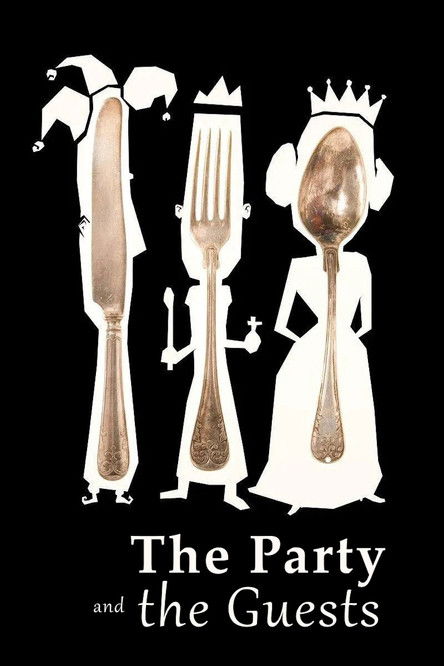
A group of the bourgeois head for a prominent figure's birthday party. As they venture through the woods and have a picnic, they're suddenly surrounded by some suspicious strangers.
The Party and the Guests

The film tells the life story of its director, Jan Nemec, one of the most known and important filmmakers of Czech New Wave.
The Wolf from Royal Vineyard Street

Two Jewish boys escape from a train transporting them from one concentration camp to another. Beyond themes of war and anti-Nazism, the film concerns itself with man's struggle to preserve human dignity.
Diamonds of the Night

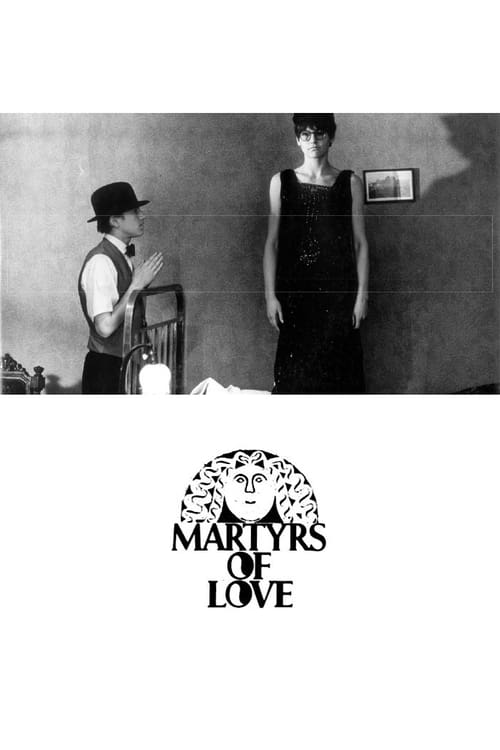
A quintet of vignettes based on short stories by Bohumil Hrabal: an eventful trip to the motorcycle races results in drunkenness, long-winded discussions, and death; two elderly men create false biographies; insurance agents visit an eccentric painter/goat farmer and his mother; guests at a wedding reception remain oblivious to outlying misery; and a working-class boy romances a Roma girl.
Pearls of the Deep
Documentary about the film academy in Prague and the Czech Film in 1965.
An Occasion to Speak

A Hungarian immigrant adjusts to life in California, as his sons venture off into their own adult lives, which often clash with his old world ideas.
'68
No description available.
Horí

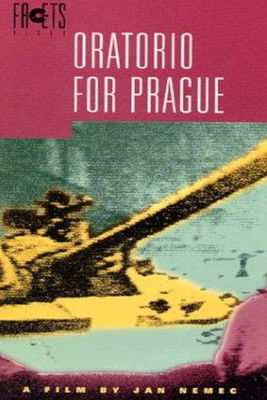
A unique document of the 1968 Soviet invasion of Czechoslovakia, what began as a documentary about the liberalization of Czechoslovakia evolved into a record of the entry of Russian tanks into Prague.
Oratorio for Prague

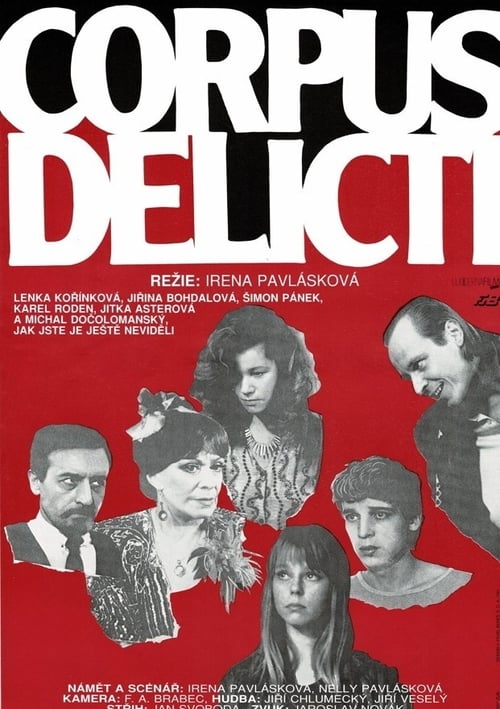
The subject of this film, which takes an analytical look at the life of all of us with an analytical eye, is the evil microbe that has slowly infiltrated the organism of the Czech nation. Through the intertwining fates of three couples, it evokes domestic life before November 1989, burdened by a suffocating atmosphere of unfreedom, and after November, when relatively nothing has changed because people have not changed. The bleak conclusion suggests that the plague epidemic is still ongoing.
Corpus delicti
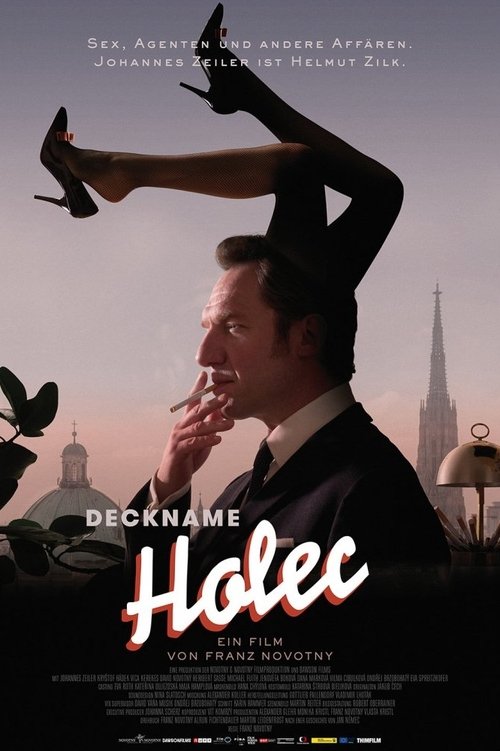
This controversial feature blends documentary, archival footage and fiction into an elliptical narrative in which two young people in Prague, an ancient seat for the practice of alchemy, follow the trail for the mystical philosopher's stone. History and future blend as brilliant montage sequences and fanciful leaps of the imagination work to posit questions about the legacy of the past and how it influences the individual's personal freedom and responsibility.
Code Name: Ruby

Travelling salesman Gregor Samsa wakes to find that he's been transformed into a giant insect. This particular Franz Kafka adaptation is seen from Gregor's point of view, continuing to explore themes of alienation, family duty, and the absurdity of modern life as the Samsa clan cope with how to go on with the situation at hand.
Metamorphosis

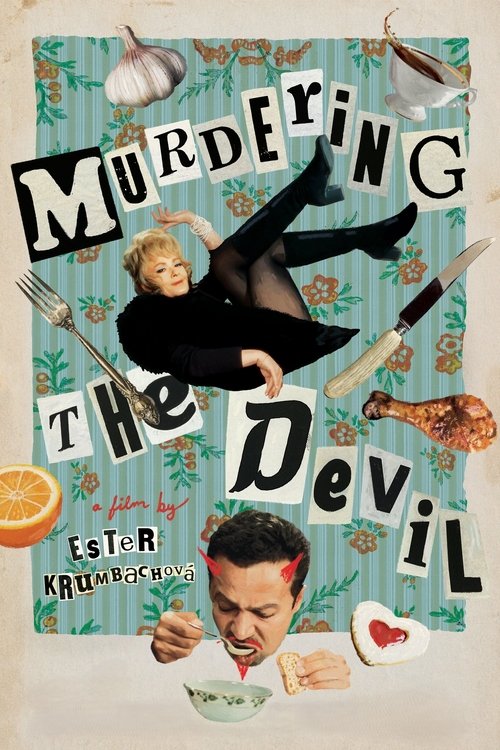
A lonely woman gets more than she bargained for when she begins wooing Mr Devil, an insatiable glutton who turns out to be the boyfriend from Hell.
Killing the Devil

In 1992, Prague is the capital of a small kingdom. The prince is supposed to choose his bride to be at a royal ball. But to everybody's surprise, he chooses an ugly cleaning-woman. She is shy and silent, but after the marriage she turns into a wild and rumbustious woman with an obstinate and stubborn mind. They both try to kill each other, but the queen is thrown into the dungeons.
Flames of Royal Love

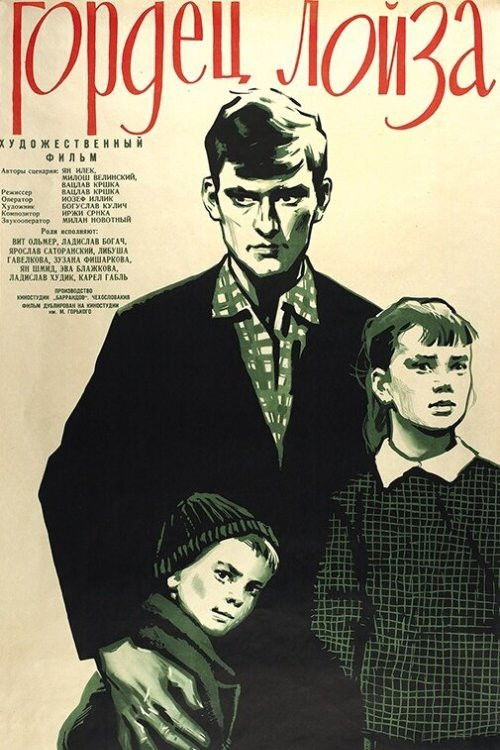
Set in a village, the story of a simple-minded, not-so-responsible young man who still manages to take care of his younger siblings after their father has left the family. Good thing he could lean on the principles of exemplary socialist morality. Not surprisingly, the attempt to capture something of the mentality and conditions of the contemporary village breaks down into simple, poster-like lessons.
Osení
A labyrinthine portrait of Czech culture on the brink of a new millennium. Egon Bondy prophesies a capitalist inferno, Jim Čert admits to collaborating with the secret police, Jaroslav Foglar can’t find a bottle-opener, and Ivan Diviš makes observations about his own funeral. This is the Czech Republic in the late 90s, as detailed in Karel Vachek’s documentary.
Bohemia Docta or the Labyrinth of the World and the Lust-House of the Heart (A Divine Comedy)

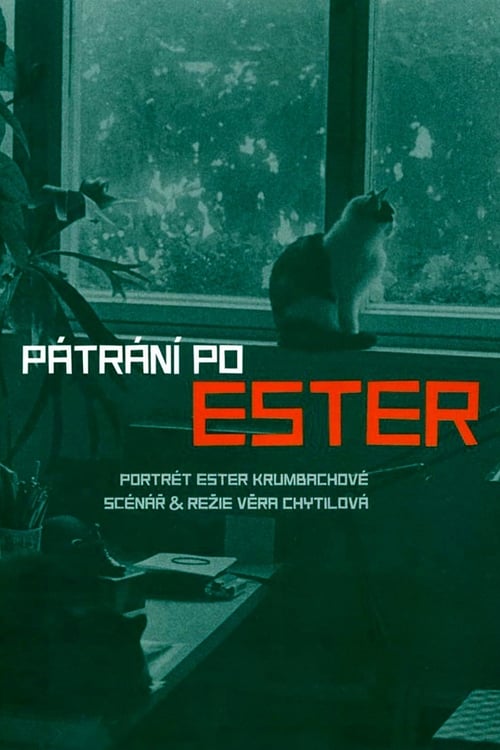
Ester Krumbachová - a costume designer, screenwriter, director; one of the boldest personalities of the Czech New Wave. She worked in theatre, she was a writer and an illustrator. She co-created films such as O slavnosti a hostech (1966), Sedmikrásky (1966), Vsichni dobrí rodáci (1969), Pension pro svobodné pány (1968), Valerie a týden divu (1970), Slamený klobouk (1972) and many others. In the 1960s, she was a 'pivot' of the art scene in Prague, attracting artists who were on the threshold of their career, just setting out to find their own form of self-realization. Those who underwent her tutelage remember her forever. Director Vera Chytilová talks to those who knew Ester Krumbachová, who worked with her, befriended her, loved her. She sets off on a search that is to end by answering the question: Who was Ester?