Klaus Rifbjerg
Writing
Biography
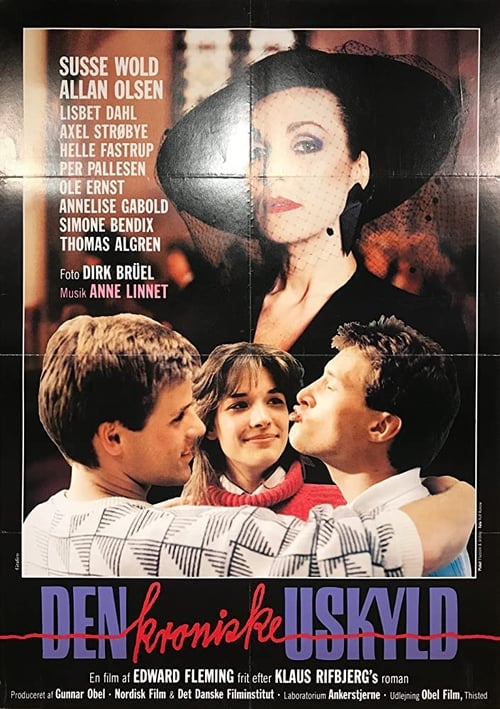
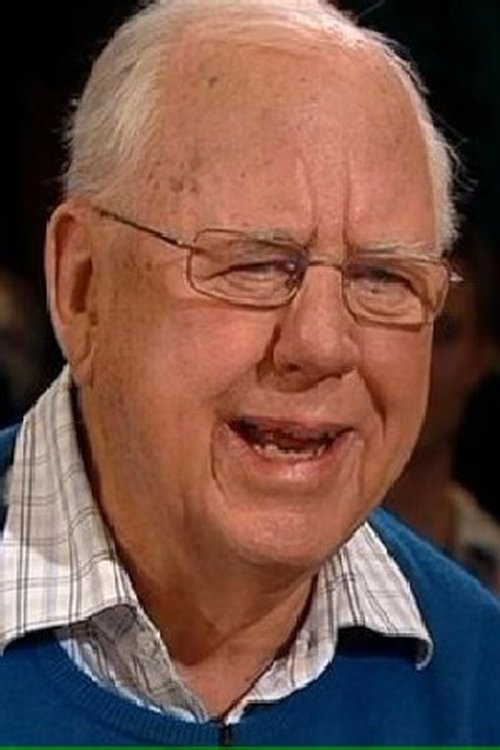
Klaus Rifbjerg (15 December 1931 – 4 April 2015) was a Danish writer. He authored more than 170 novels, books and essays. In 1965 he co-produced the film 4x4 which was entered into the 4th Moscow International Film Festival. Rifbjerg was born in Copenhagen and grew up on the island of Amager, which is part of the city, the child of two teachers. Later he studied English and literature, in Copenhagen and for a year in the US at Princeton University. His breakthrough was in 1958 with the novel Den kroniske Uskyld. It was made into a film in 1985, directed by Edward Fleming. From that time on he published more than 100 novels as well as poetry and short story collections, plays, TV and radio plays, film scripts, children's books and diaries. Rifbjerg is also known for having been a journalist and critic. Along with Villy Sørensen, he was editor of the publication Vindrosen, and from 1984 to 1991 he was the literary director of Gyldendal. Among other honors, he was awarded the Swedish Academy Nordic Prize (1999), known as the 'little Nobel'[citation needed]; The Nordic Council's Literature Prize (1970), the Rungstedlund Award (2009) and the grand prize of the Danish Academy (1966). Rifbjerg has been seen as the first true modernist author in Danish, as he became increasingly more experimental though the 1960s, culminating with Anna (jeg) Anna. Many of his works from 1970 and some 25 years on are seen as being looser in scope and composition, often humorous or sarcastic, often leaving the protagonist chaotically alone with his or her existential and psychological hangups, subtly exemplifying modernism as the breakdown of the normality of the bourgeoisie. A principal theme is the portrayal of children and their difficulties establishing their own identity. Rifbjerg's works from the 2000s opened a new line of inspiration: historic events. On 4 April 2015 Rifbjerg died in Copenhagen after a long illness, aged 83.
Known For

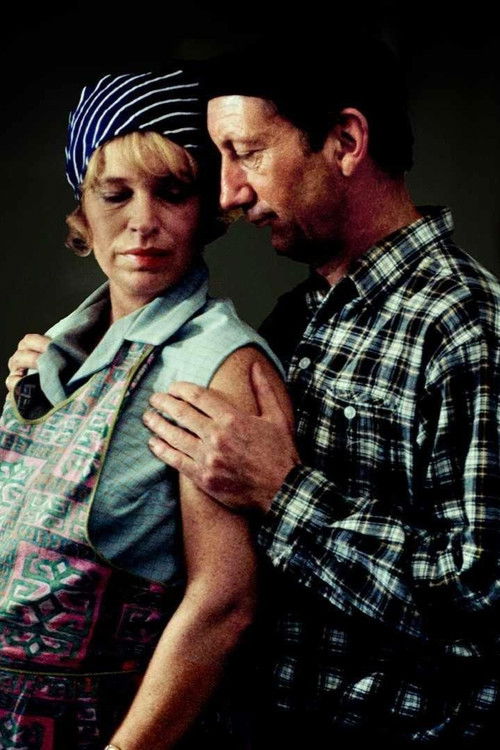
No description available.
Vores år

A documentary view of the Basque ball-game in which a small hard leather ball is hit against a wall. The film gives an impression of the game itself and of those who play it, not only the star performers (and the myths that surround them), but also those who just play in the streets and alleyways. The film sees the game it its cultural context and conveys the emotions and stories that are peculiar to the Basque country.
Pelota

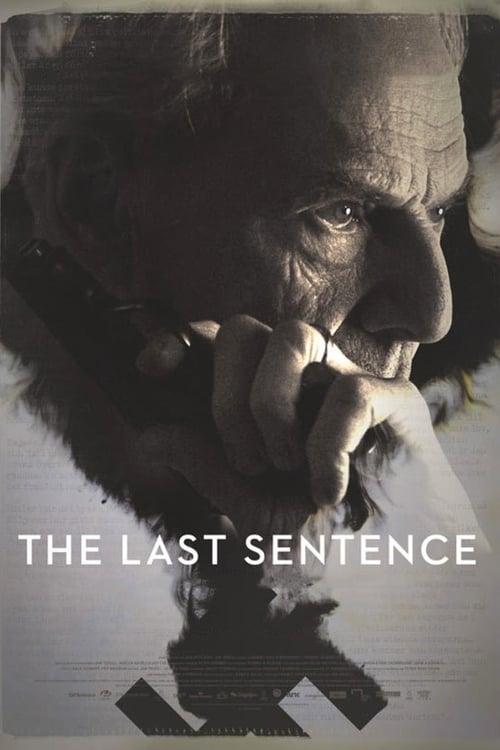
Renowned journalist Torgny Segerstedt declares war against Hitler as he criticizes Swedish politicians who tried to look away from the tyranny of the Nazis with the good excuse of “neutralism”. His only weapon is his pen and his life is full of gossip such as an affair with his boss’ wife, a love scandal with a secretary younger than his daughter, and the suicide of his wife. However, he continues to fight a one man battle against Hitler and the Nazi regime until his death, throwing the question “Can one person really change history?” to the audience.
The Last Sentence

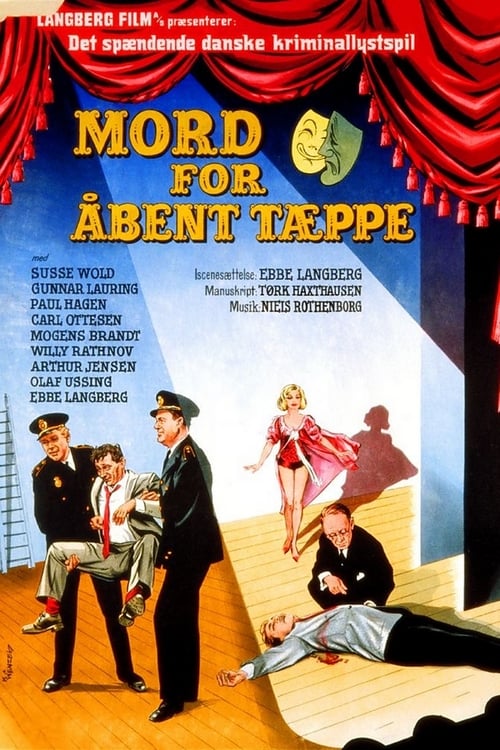
The action takes place in a theater, where actor and theater director Poul Bech is shot by his co-star Eva Berthelsen in the middle of a premiere. The script says he should be shot, but not with real bullets! Everyone at the theater seems to have a reason to want him dead. However, another murder must be committed before the killer can be found.
Mord for åbent tæppe

The Swedish 19th century engineer Salomon August Andrée sets out to become the first man on the north pole. His idea is to launch a polar expedition using a hydrogen balloon, together with two friends. The balloon, "The Eagle", takes off from Svalbard in 1897, but the three men are never heard from again.
The Flight of the Eagle

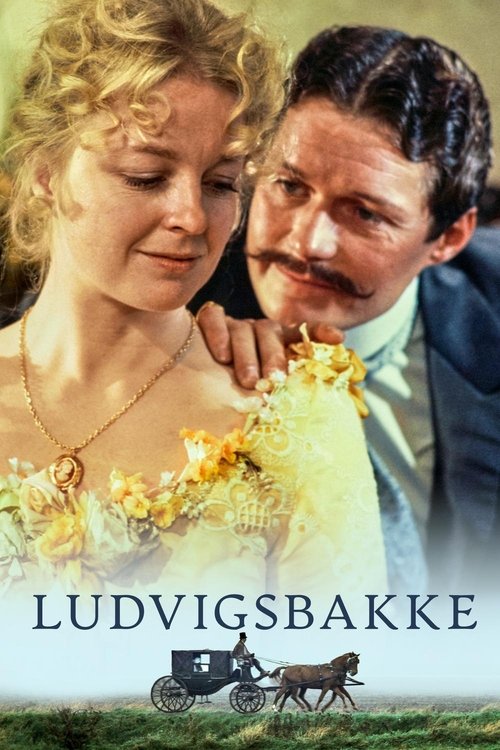
No description available.
Ludvigsbakke

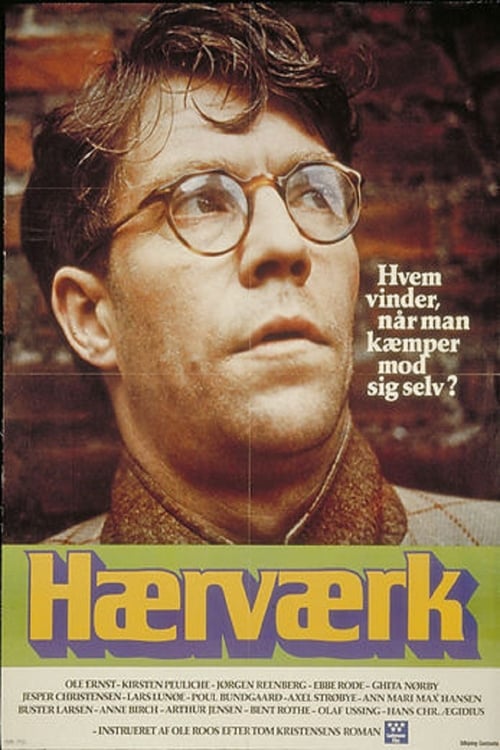
Based upon the novel "Hærværk" by Tom Kristensen about the self destructive person. The literary reviewer Ole Jastrau chooses to free himself from his well-ordered middle class life. He allow the seriously left-wing writer Steffensen move in with himself which soon causes disintegration of his home an marriage.
Vandalism

A new foreman, Huus, arrives in a sleepy Danish village, much to the delight of the unmarried women there. However, Huus becomes very friendly with Katinka and her husband, Bai, the stationmaster. Katinka, childless and in frail health, gradually falls in love with Huus, though her husband does not seem to notice. Based on the work by Herman Bang.
Katinka

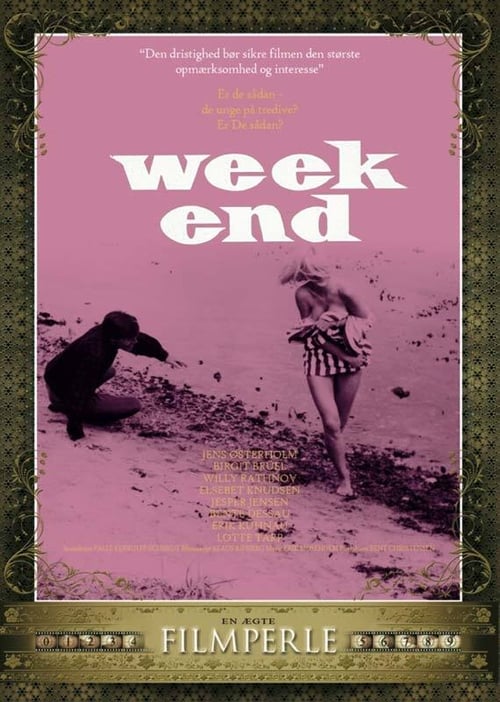
A group of better-off thirty-somethings meet for a weekend in Knud and Beth's home. The host couple is prone to bickering regularly. The married couples (Jan and Ilse, and Kjeld and Tove) that are visiting understand and try to stay out of the way. Bachelor Lars, however, comes into his own and is a constant source of provocative comments.
Weekend

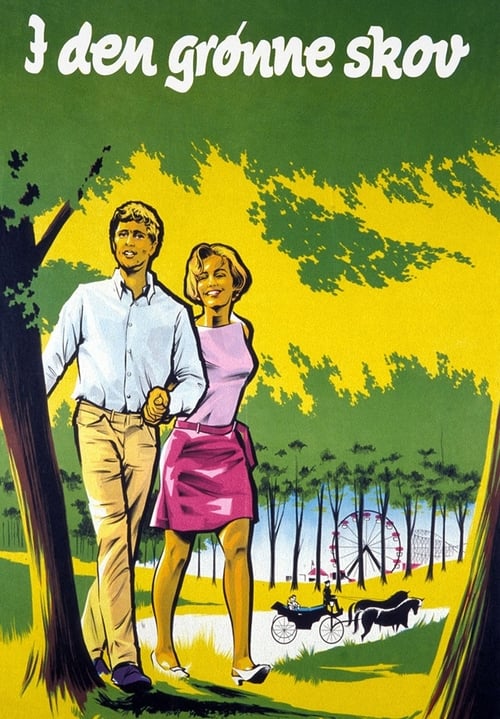
"Modern vaudeville," where the entire story takes place at Dyrehavsbakken. In an impressionistic style, it tells the story of the waiter Mowitz, who ponders whether he loves the singer Myrna and what true love really is. He ponders too long; Myrna instead becomes engaged to the pianist Bertram, who can get her into the Circus Revue. Mowitz also takes too long to discover the singer Lillian's interest, so his friend Max snatches her up instead, while Mowitz can continue his search for the one and only.
I den grønne skov
Jørgen Leth's personal, pleasurable distillation of Danish literature covers seven poets alive at the time of production and twenty classical poets. A handful of actors share readings of the classical texts in semi close ups against a dark background; the living poets read their own works.
Danish Literature

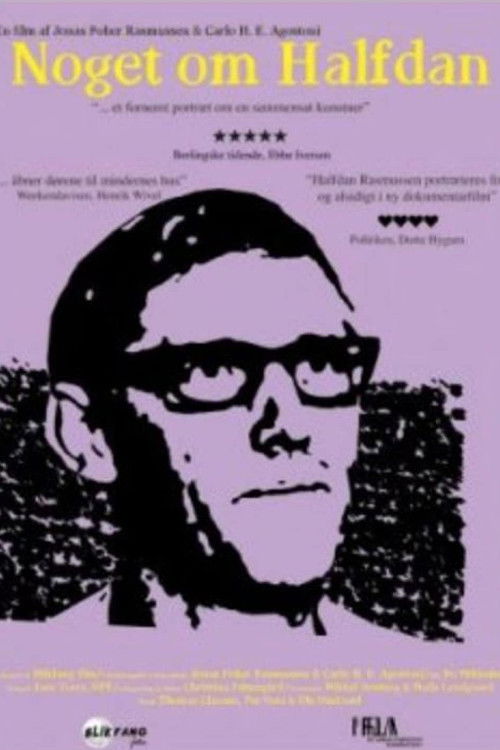
A moving portrait of one of the most loved and read Danish poets, Halfdan Rasmussen. The film covers both the early years with poverty and wartime on to success and the humorous nonsense verses that has made Rasmussen one of the most read authors in Denmark.
Something About Halfdan
In 1950s Copenhagen, Jens is a law student with a part-time job in a law firm. He lives at home and is more or less engaged to Lis. Jens' life is very regular and organized until he meets slightly older Erhard, a head clerk at the firm. Erhard lures Jens into the mysterious city nightlife, and from now on, Jens' life changes. The engagement is broken off and his education is neglected.
Shadow of the Clouds

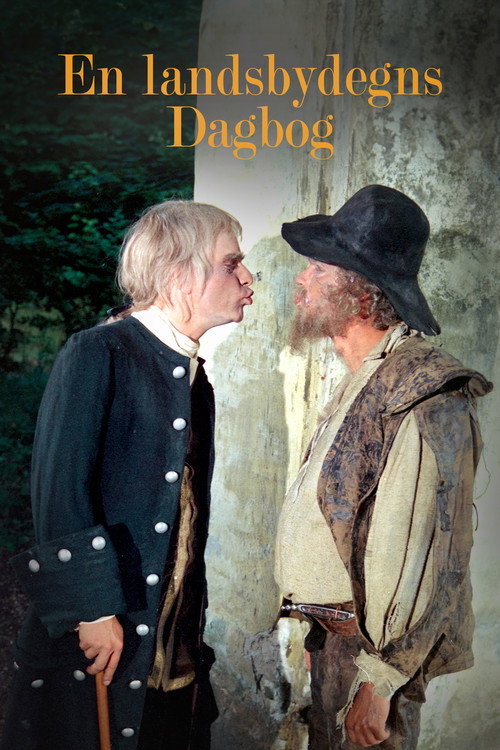
No description available.
Brudstykker af en landsbydegns dagbog

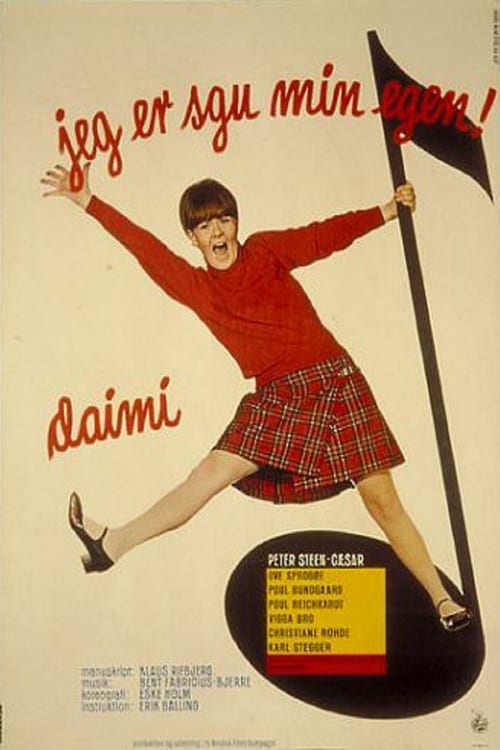
Being yourself – and above all your own master – that is what the film is about. After a short stay at a girls' home, Annie returns to society and has to adapt once again. It isn't long before Annie gets involved in a deadly fight and is even taken to the police station and brought before the court. Fortunately, one of the jurors takes an interest in her and offers to take care of her and give her a home. However, Annie cannot stand this home and runs away.
Jeg er sgu min egen

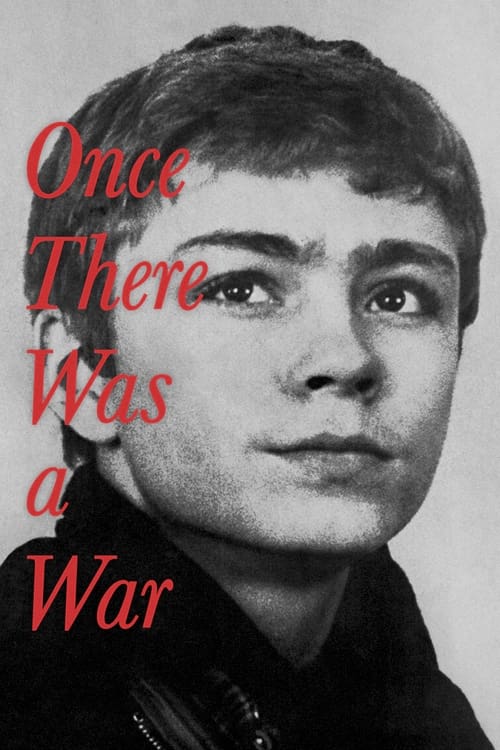
The film is a window into the world of fifteen-year-old Tim, sharing his joys and sorrows and his first encounter with love, during the German occupation of Denmark in World War II.
Once There Was a War

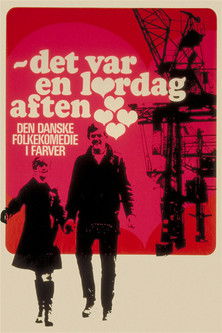
One Saturday evening, Trine prepares dinner for her boyfriend Hans. Unfortunately, Hans is delayed, as on his way between Frihavnen and Valby, he encounters a series of individuals whom he feels compelled to wait for in various ways. Back at the club apartment, Trine decides to transform the romantic dinner into a kitchen party for her friends.
Det var en lørdag aften

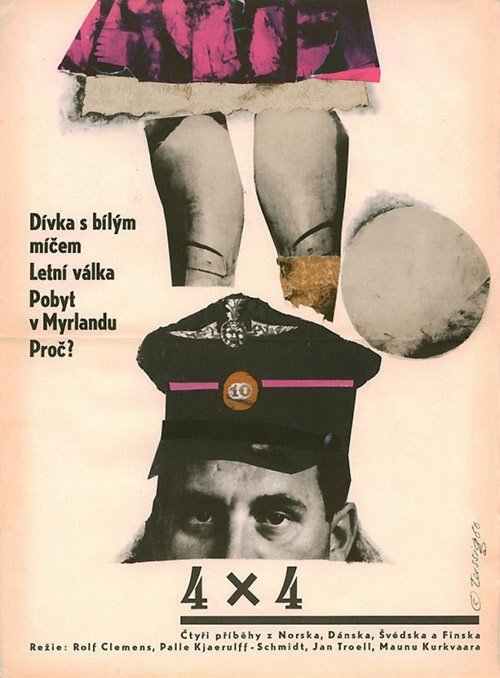
Four short stories from Norway, Denmark, Sweden and Finland.
4 x 4
Udenrigskorrespondenten was Leth's first feature but must be regarded as an experiment in fiction rather than an action film in the usual sense. Alex Hansen (Henning Jensen) is a peripatetic correspondent and at the start of the film on an assignment in civil-war-ravaged El Salvador.
Interference

On a day in April 1996, four stories play out in the confines of a flat in the heart of Oslo.