Chantal Thomas
Writing
Biography
Chantal Thomas (born 18 October 1945, in Lyon) is a French writer and historian. Her 2002 book, Farewell, My Queen, won the Prix Femina and was adapted into a 2012 film starring Diane Kruger and Léa Seydoux. Thomas was born in Lyon in 1945, and was raised in Arcachon, Bordeaux, and Paris. Her life has included teaching jobs at American and French universities (such as Yale and Princeton) as well as a publishing career. She has published nineteen works, including essays on the Marquis de Sade, Casanova, and Marie Antoinette. In 2002, Thomas published Les adieux à la reine (Farewell, My Queen). The novel gave a fictional account of the final days of Marie Antoinette in power through the perspective of one of her servants. It won the Prix Femina in 2002, and was later adapted into the 2012 film Farewell, My Queen. The film stars Diane Kruger as the titular queen and Léa Seydoux as her servant Sidonie Laborde. Thomas co-wrote the screenplay, and it opened the 62nd Berlin International Film Festival. Helen Falconer of The Guardian called the work "a well written slice of history" with "evocative, observant prose," but criticized it for creating a narrator who "merely provides us with a pair of eyes to see through rather than capturing our interest in her own right." While disagreeing in its classification as a novel, Falconer did however add that Farewell, My Queen "generates in the reader a real sense of being a fly on the wall, eavesdropping on the affairs of the great and the not so good." Thomas is currently the director of research at the French National Centre for Scientific Research. She was elected a member of the Académie française (seat number 12) on 28 January 2021. Source: Article "Chantal Thomas" from Wikipedia in English, licensed under CC-BY-SA 3.0.
Known For
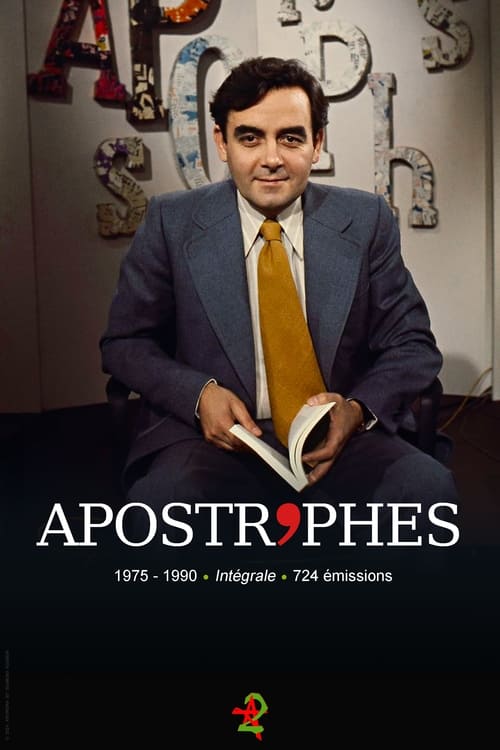
Apostrophes was a live, weekly, literary, prime-time, talk show on French television created and hosted by Bernard Pivot. It ran for fifteen years (724 episodes) from January 10, 1975, to June 22, 1990, and was one of the most watched shows on French television (around 6 million regular viewers). It was broadcast on Friday nights on the channel France 2 (which was called "Antenne 2" from 1975 to 1992). The hourlong show was devoted to books, authors and literature. The format varied between one-on-one interviews with a single author and open discussions between four or five authors.
Apostrophes
French current affair show
Infrarouge
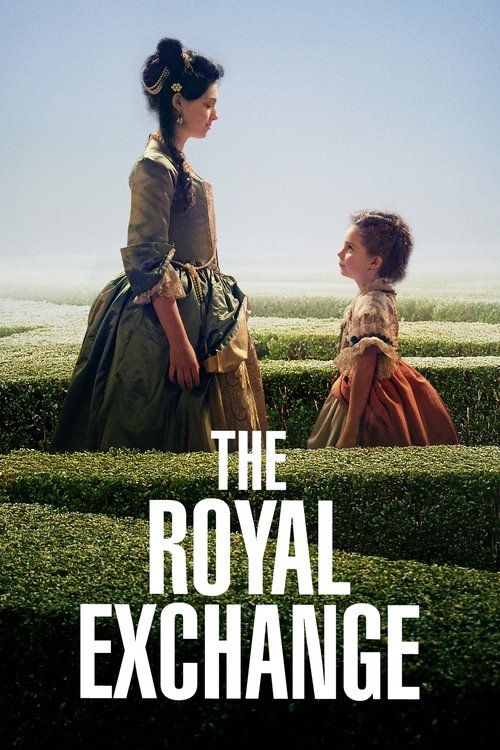
After many years of confrontation, the treasures of Spain and France are empty. In 1721, the regent of France draws up an ambitious plan to inaugurate an era of peace and prosperity that will heal the economies of both nations: his intention is to build a solid network of marriage alliances that will involve four children of very different ages who know nothing of betrayals and power games…
The Royal Exchange
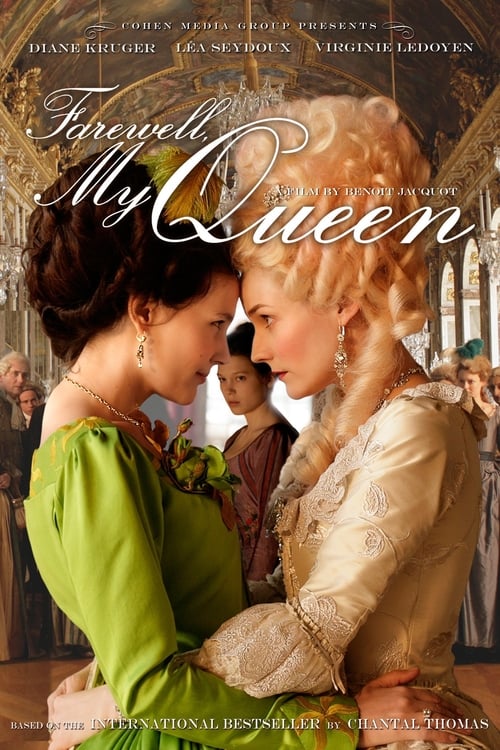
A look at the relationship between Marie Antoinette and one of her readers during the final days of the French Revolution.
Farewell, My Queen
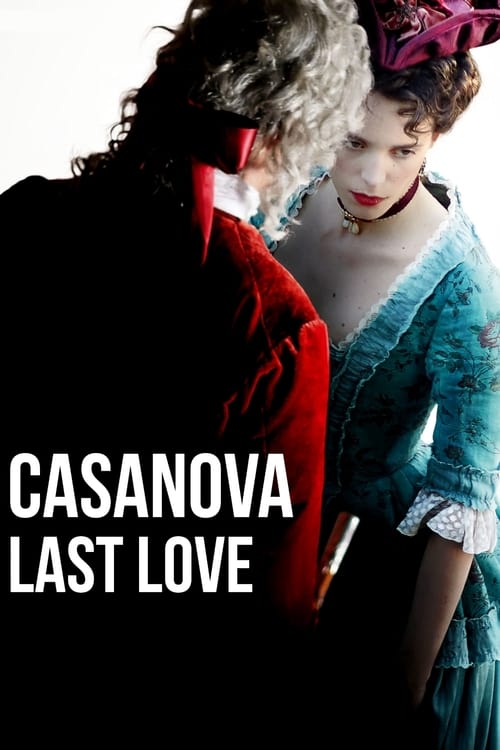
Year 1763. Forced into exile, the famous libertine Giacomo Casanova leaves Paris and travels to London, where he meets Marianne de Charpillon, a young prostitute to whom he is so attracted that he forgets about the other women.
Casanova, Last Love
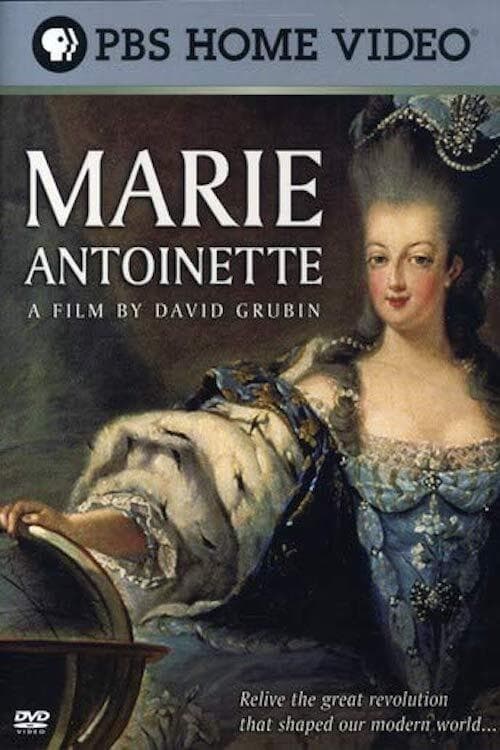
This was a very human account of the lives and deaths of Marie Antoinette and Louis the XVI focusing primarily on Marie. It is an account of their lives from birth to death and the circumstances leading to the downfall of the French monarchy.
Marie Antoinette: A Film by David Grubin
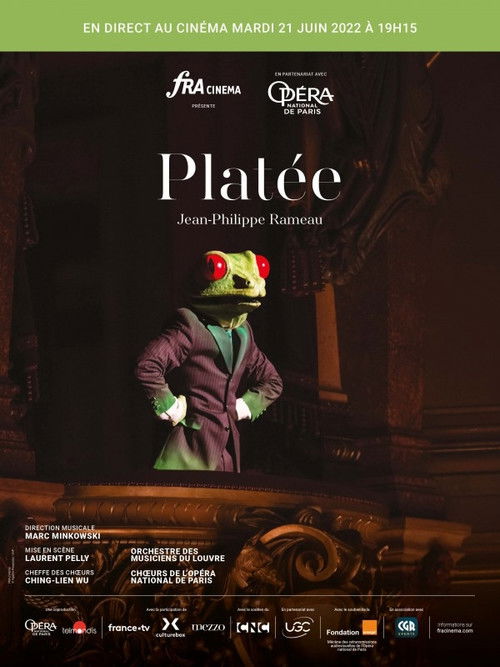
Jean-Philippe Rameau’s Platée is a masterpiece of the French operatic repertoire and was highly regarded by critics during the composer’s lifetime. Composed for the marriage of the Dauphin Louis, son of Louis XV, to the Infanta Maria Teresa of Spain, it was first performed at Versailles in 1745 and became an instant hit. The plot revolves around the ugly and conceited frog Platée, the victim of a machination of the gods who make her believe that she is loved by Jupiter. Is this Rameau mocking Princess Maria Teresa of Spain – reputedly a woman of little beauty? Or the French court, which saw itself as a new Olympus? This classic production from the Opéra national de Paris by Marc Minkowski and Laurent Pelly returns to the stage with an entirely new cast, featuring Julie Fuchs, Mathias Vidal, Jean Teitgen and Lawrence Brownlee in the title-role.
Platée (Palais Garnier)
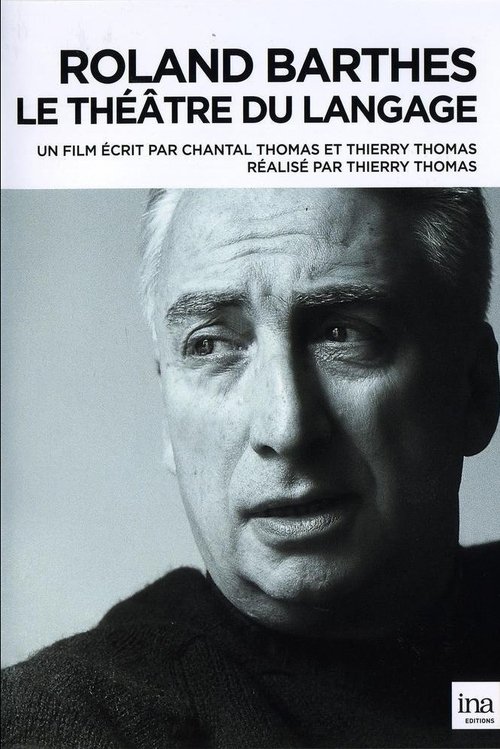
Most of the time, Roland Barthes is classified in the category of the 1970s intellectuals, where all his fascinating singularity fades. Our movie holds exactly to the desire of making perceptible his singularity. In this purpose, the movie is constituted by an editing of archives, articulated around Barthes presence and the progress of his career. It is thus a kind of a Roland Barthes’s cinematic version by Roland Barthes, a self–portrait that could be resumed by a point of view as accurate as possible.