
Rodrigo Moreno
Directing
Biography
Rodrigo Moreno (born October 1972; Buenos Aires) is an Argentine filmmaker. He works mainly in the cinema of Argentina. According to Joel Poblete, who writes for Mabuse, a cinema magazine, Rodrigo Moreno is one of the members of the so-called "New Argentina Cinema" which began c. 1998. Moreno studied cinema and graduated from the directing program at the Universidad del Cine, Buenos Aires, Argentina, where he has been teaching directing and screenplay writing since 1996. Many of his films have been critically hailed at various international film festivals. In 1993, he wrote and directed his first short film, Nosotros, which won best film at the Bilbao International Festival of Documentary and Short Films. His 2006 film, his first film feature he directs alone, is The Minder (Spanish: El Custodio). His 2011 film A Mysterious World premiered In Competition at the 61st Berlin International Film Festival and was nominated for the Golden Bear.
Known For
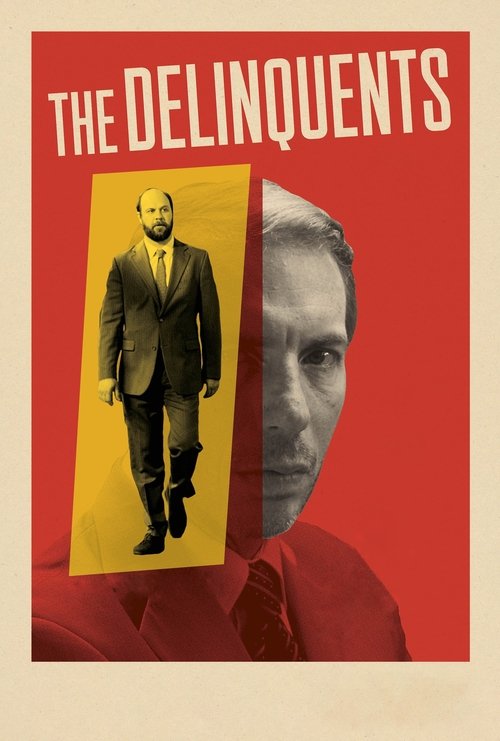
Morán works as a clerk in a bank in Buenos Aires. He is as good as invisible to his colleagues. Over dinner with his colleague Román, Morán tells him that he stole exactly $650,000, which is exactly double what he would have made until his retirement. He plans to turn himself in, but not before offering Román to split the money if agrees to hide it for the duration of his incarceration.
The Delinquents
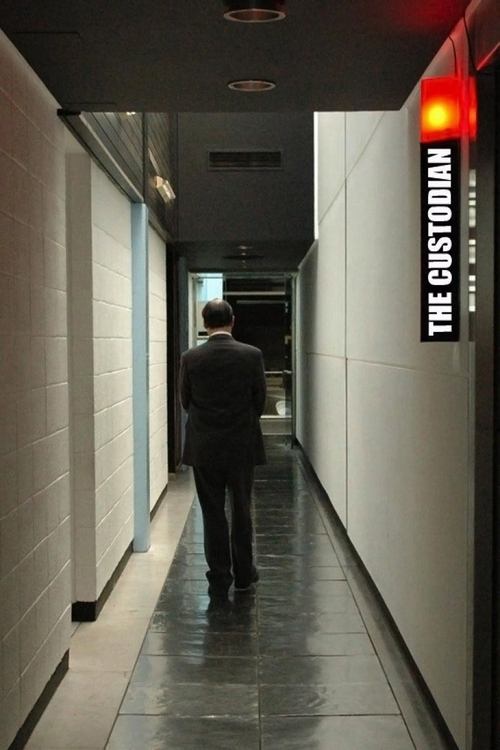
Living the mundane existence of a professional bodyguard, always in the shadows of his clients, Ruben decides to make a change that will finally give him a personal connection outside of his solitary world.
The Custodian

Deep within Buenos Aires's labyrinthine subway system, a train mysteriously disappears along with it's 30 passengers. The subway officials are greatly troubled and call in topographer Daniel Pratt to help them find it. Unfortunately, the tunnels are so vast and complex, that Pratt needs his mentor Hugo Mistein to help him. Unfortunately, he too has vanished.
Moebius
Four independent short stories but they have in common that they happen in Buenos Aires during legislative elections. A candidate for deputy, Carlos Celestini floods the city with his image and can be seen in each of the stories.
Bad Times

Marcos is an experienced nurse. He works in the night shift of a provincial private clinic. He is applied and professional but has a secret: in some extreme cases he applies euthanasia. He'll soon meet someone that knows what he's doing.
The Dose
The portrait of a man and his attempts to make things up with life after losing his job.
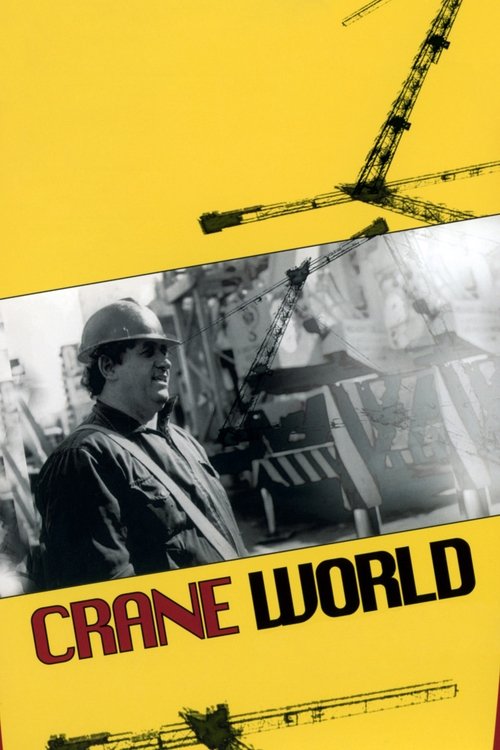
Crane World
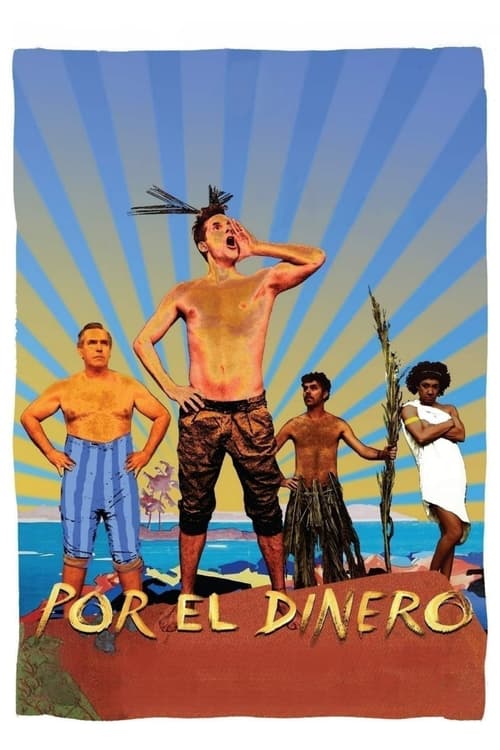
A miserable Argentine troupe of actors, dancers, musicians, filmmakers and a girl embark on a theatre tour to some country, probably in Latin America.
For the Money
Trelles and Amílcar share a room in a boarding house, the rent of which has not been paid for a long time. Trelles is a waiter in a typical Buenos Aires bar while Amilcar is an amateur bolero singer, who divides his time between sleeping and singing for free in a cabaret.
Us
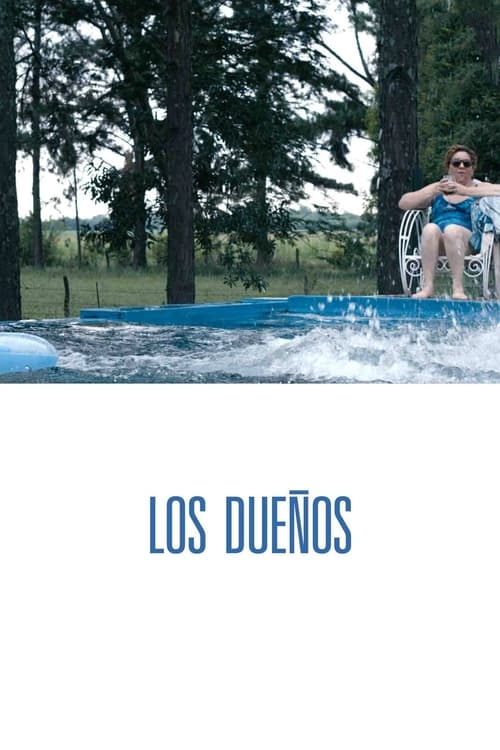
Sergio and his family work in an estate in Argentina’s northern region. When their employers aren't home, they occupy the main house and emulate the life of the owners. Then Pia, the eldest daughter of the owner, arrives at the estate with the intention of staying a few days until her father’s marriage...
The Owners
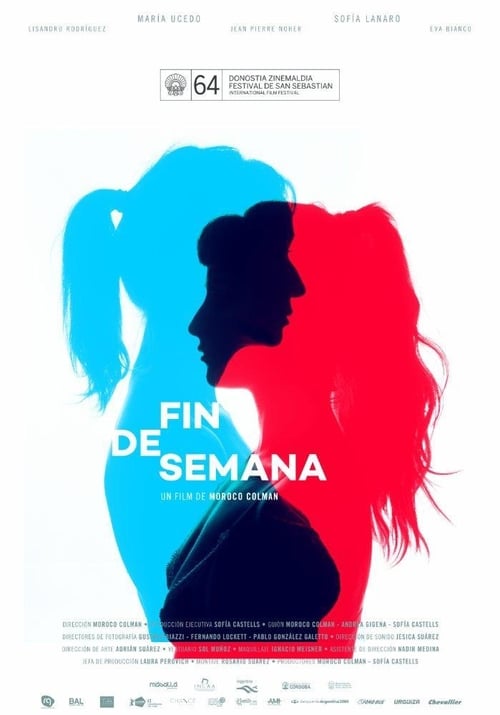
Carla arrives after years of absence to accompany Martina. Relations between them are cold; there's something unspoken between them. Martina slips away for secret meetings with Diego, a man twice her age. The two are involved in a hardcore sex game that's out of control. When Carla discovers the relationship she confronts Diego.
Weekend
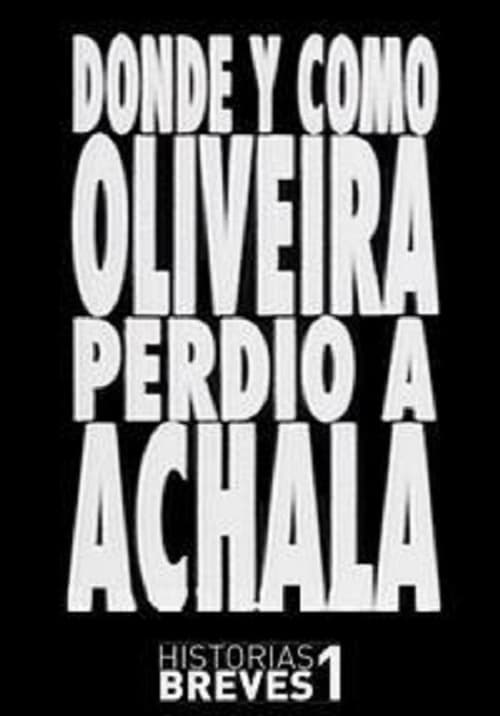
Two men of low life travel by car under a sweltering sun. They do not find the place they are looking for, lost in a remote Argentine countryside. They arrive at a workshop to ask questions and events seem to take off. The short was part of "Short Stories I" (1995).
Historias Breves I: Dónde y cómo Oliveira perdió a Achala
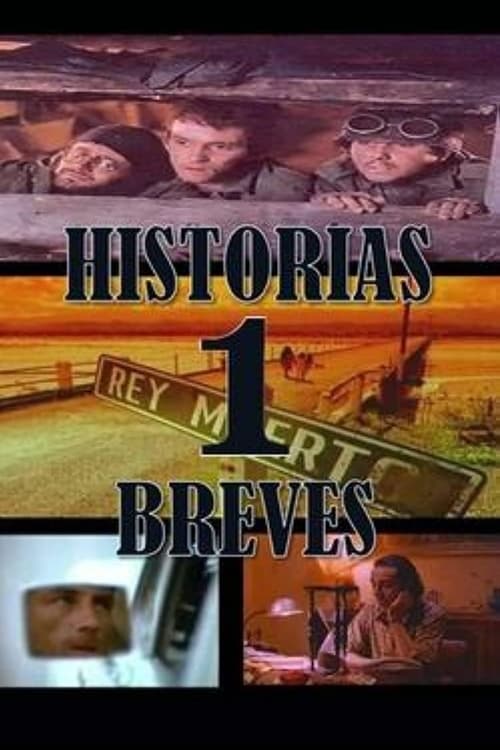
The film brings together the winners of the first edition of the Argentine National Film Board's (INCAA) annual public script competition, the grand prize of which is the budget to produce a short film. Eventually screened in national theaters, the omnibus film gave rise and recognition to a new generation of Argentine filmmakers known collectively as the New Argentine Cinema—a wave of contemporary filmmaking that began in the mid-1990s in reaction to decades of political and economic crises in the country.
Historias Breves 1
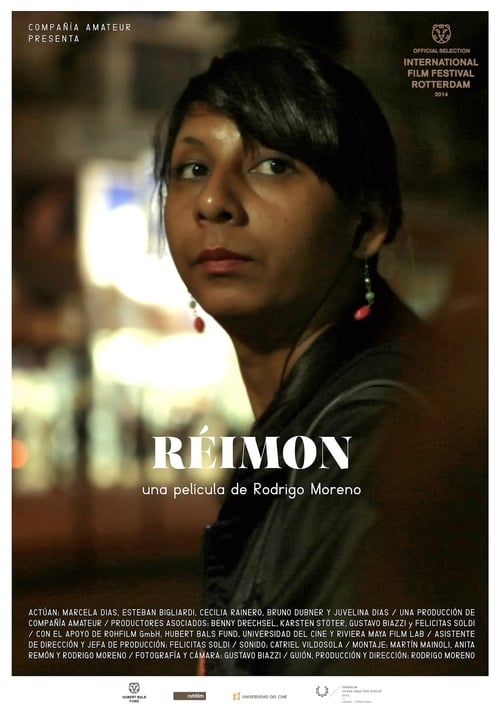
This film is a political and poetic portrait of the daily life of a low class woman who plays the part of a cleaning lady. Ramona lives in the suburbs of Buenos Aires. Every day she travels four hours and a half to reach her job and to get back home. She divides her working time between two upper middle-class homes where she receives the name of Réimon, a sound that evokes the English language, a Buenos Aires upper class snobbish custom. It´s fiction and it´s not. It´s also a film about the labour conditions of a worker, about the time this worker uses for working and the efforts that implies working. It´s also about the absurdity of cleaning someone else´s house, the absurdity of modern life and the differences between social classes.
Reimon
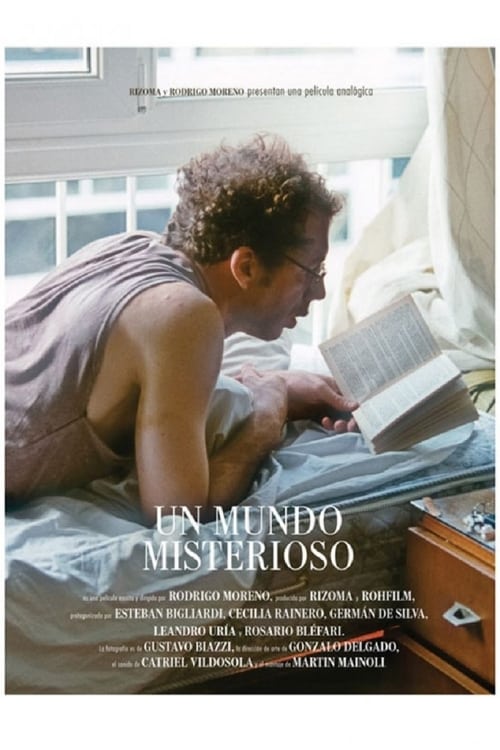
Boris is stunned when his girlfriend Ana asks for some time apart. He doesn't know why and she can't explain it. Some time can mean so many things. How much time apart? A week, a month, years? During this imprecise period of uncertainty, Boris is left at the mercy of chance. His life transforms into an erratic urban journey: moving into a transient hotel, buying a temperamental communist-era car, meeting up with a long-lost classmate, random encounters with other women and repeatedly trying to get back together with Ana.
A Mysterious World
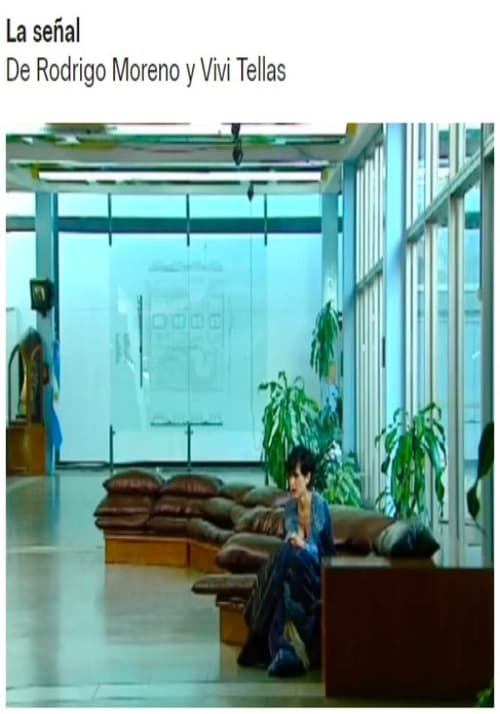
An actress goes to Canal Siete's studios to act on a TV version of Chéjov's "The Seagull". As the leading actor doesn't appear, an assistant must take his place.
The Signal
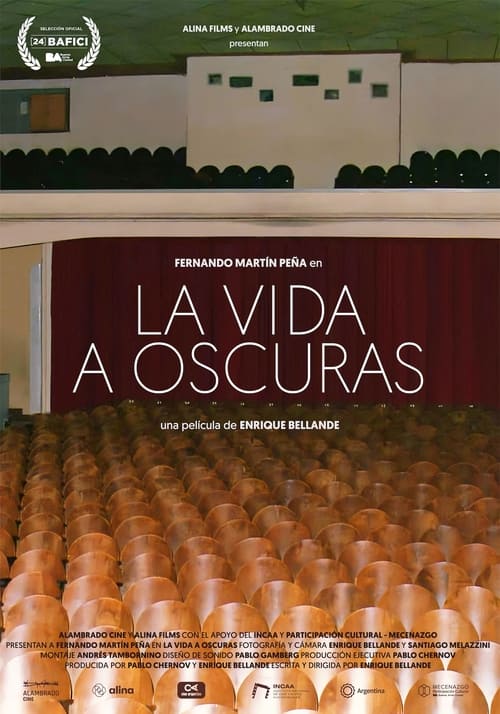
It is an approach to the figure of Fernando Martín Peña, but it is also a film about cinema, about a transcendental movement in its history, its spaces and rituals.
Life in the Dark
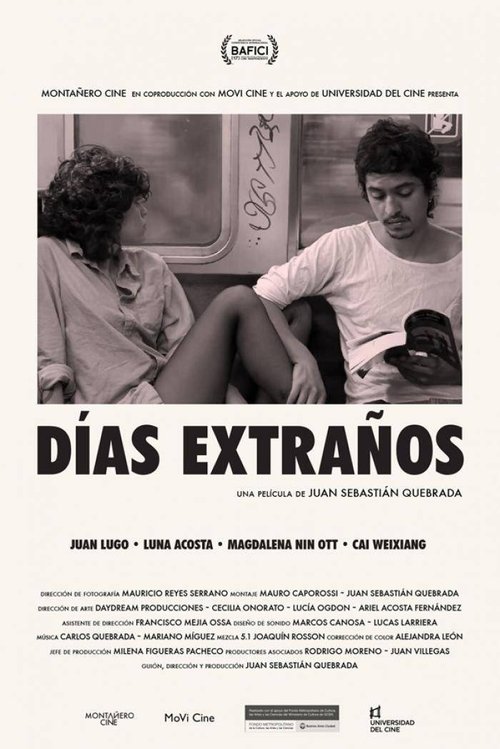
Two young Colombians, Luna y Juan, live in the suburbs of a Buenos Aires without Argentines. Their relationship oscillates between tender gestures and violent explosions. Everything between them gradually gets more intense: their games, fights, recklessness and even their monotony. But something changes when Federica shows up that sets into crisis the fragile nature of their relationship, unveiling the decadence they have gotten themselves into.
Strange Days
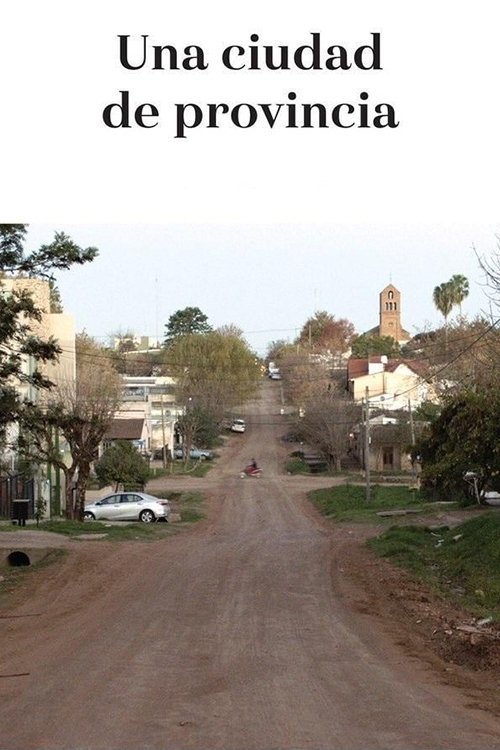
An intimate, amiable and yet unforgettable symphony of the life of every country town in the world in several vignettes – even if this focuses on Colón, a couple of hours north of Buenos Aires. Both lyrical and modest.
A Provincial Town
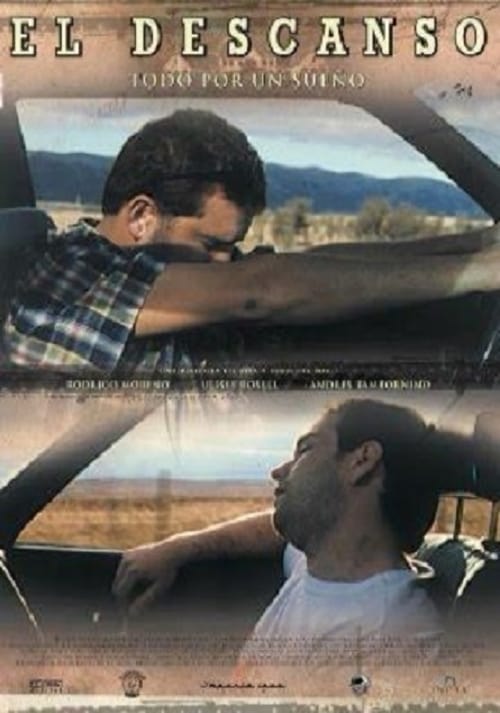
Two buddies' road trip is halted by car trouble in the middle of nowhere; they stumble on a derelict hotel and are inspired to try to restore it, with the help of an odd bunch of locals.
Hotel Descanso
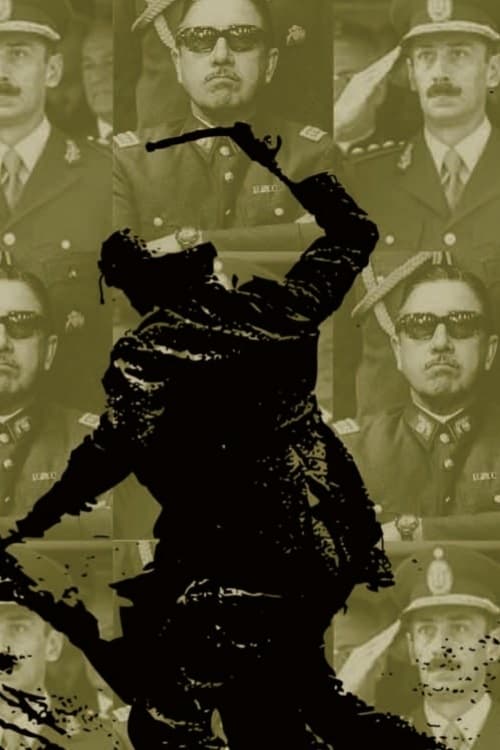
This documentary was shot in four countries in the Southern Cone of South America over a two-week period. It examines the democracies that re-emerged after military rule and we hear the testimony of presidents Carlos Menem, Fernando Henrique Cardoso, Patricio Alwyn and Luis Alberto Lacalle, and the reflections of many other key figures of that time. There is also an early discussion of the regional integration process that these countries were planning to promote, so we are shown a representative mosaic of each country, which makes this material truly unique.