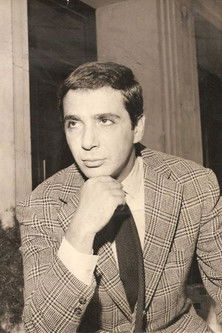
Sergio Renán
Directing
Known For
No description available.
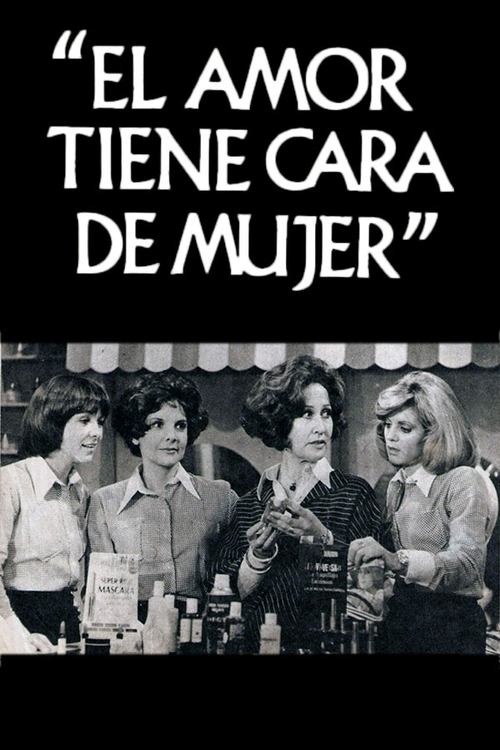
El amor tiene cara de mujer
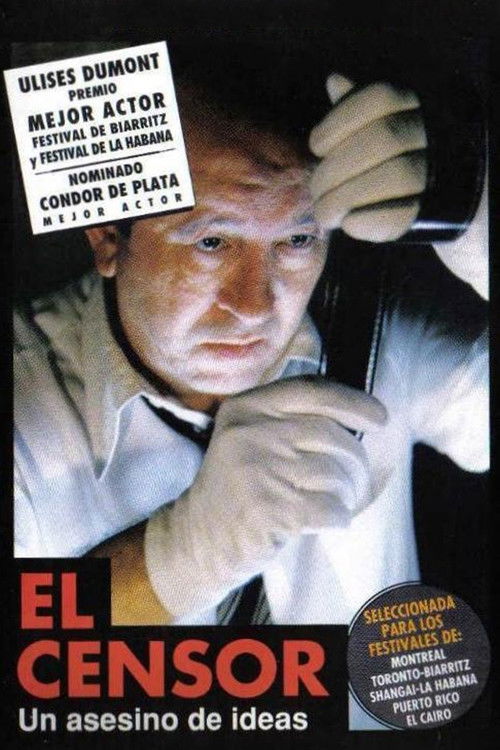
Close-up to a man who censored films during the military dictatorship in Argentina, slightly inspired by the infamous Miguel Paulino Tato.
The Eyes of the Scissors
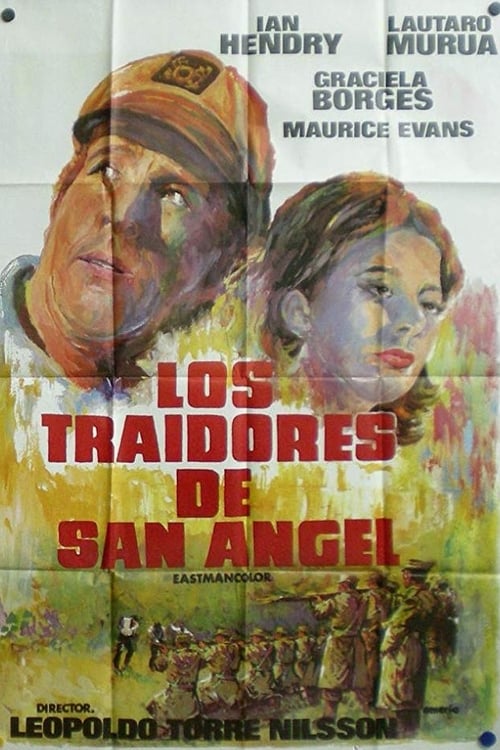
Henchmen of the dictator from a South American country blackmail Nick Thomas into being a government spy. The former smuggler is to pose as a priest and enter a monastery thought to be sympathetic with rebel guerrillas. The release of the film coincided with real-life events, as Catholic priests continued to be the victims of government persecution throughout Latin America.
Los traidores de San Ángel
No description available.
El sueño de los héroes
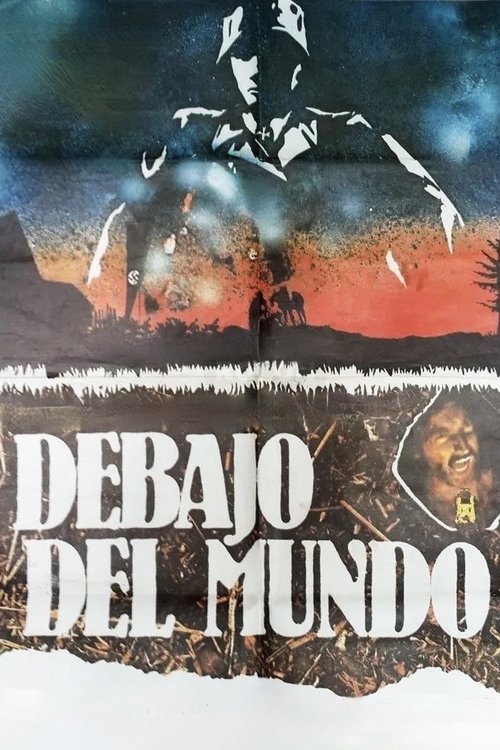
When the Germans invade Poland during World War II, a family of Jews seeks refuge in a well. Based on real events, the three survivors moved to Buenos Aires in 1952.
Under the Earth
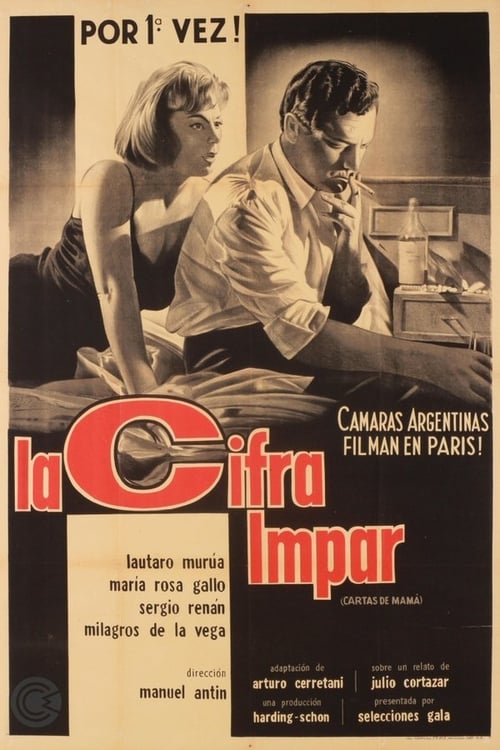
Two brothers quarrel for the love of a woman. One of them falls ill and dies; the other one marries her. The couple’s relationship falters in Paris due to the involvement of a reproaching mother, who still acts as if the dead brother were alive and living with her.
Odd Number
A man has to come to terms with his wasted youth, estranged family and grim prospects for the future.
The Truce
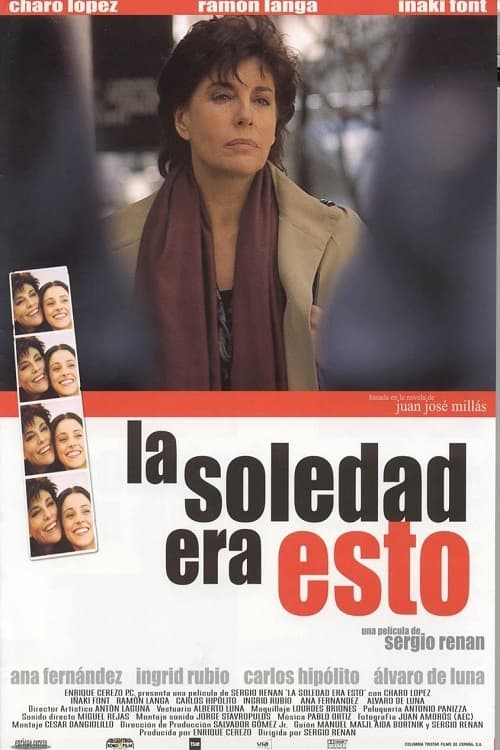
After the death of her mother, Elena (Charo López), a mature woman, begins to realize that her life, although not alone, is marked by loneliness; her marriage to Enrique (Ramón Langa) is a failure, and her relationship with her daughter Merce (Ingrid Rubio) is almost nonexistent.
This Was Solitude
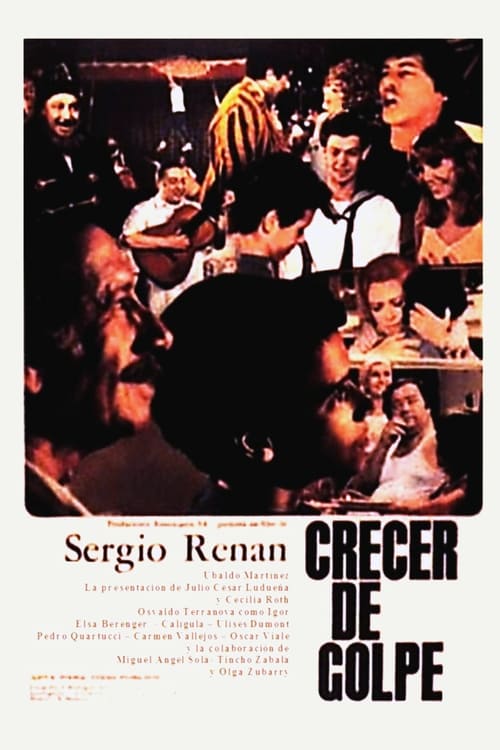
It tells the complex relationship of Milo, a teenager, and his old protector. Adaptation of "Around the cage", work of the writer Haroldo Conti, disappeared in 1976 by Argentine dictatorship.
Growing Up Suddenly
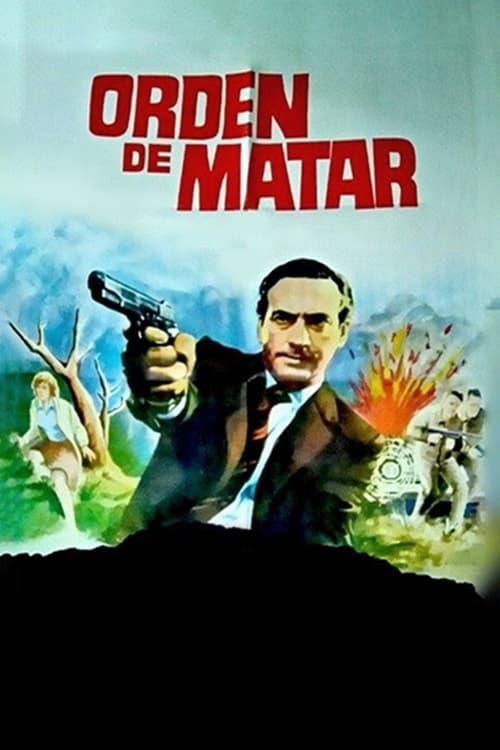
Upon learning of the murder of a friend, a police inspector sets out to take justice on his own. This attitude, contrary to his usual convictions, will gradually destroy him.
Orden de matar
No description available.
Los hipócritas
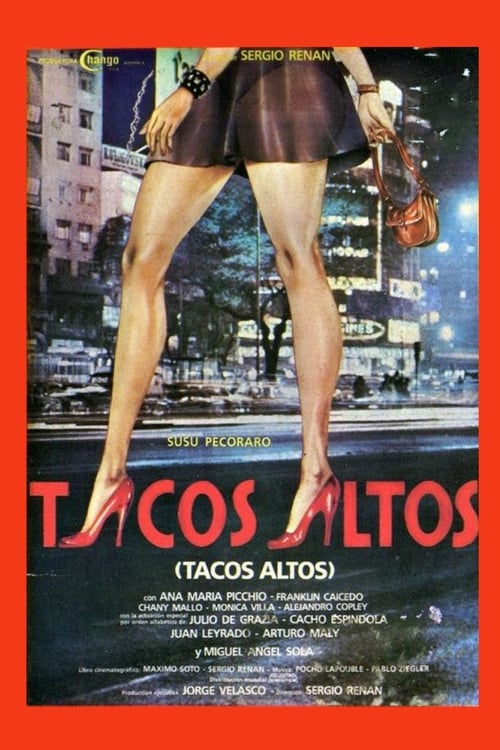
A prostitute falls in love with a painter with whom she believes she can save her life.
High Heels
A former German soldier leads a team through a bank robbery that doesn't turn out the way anybody expected.
Asalto en la ciudad
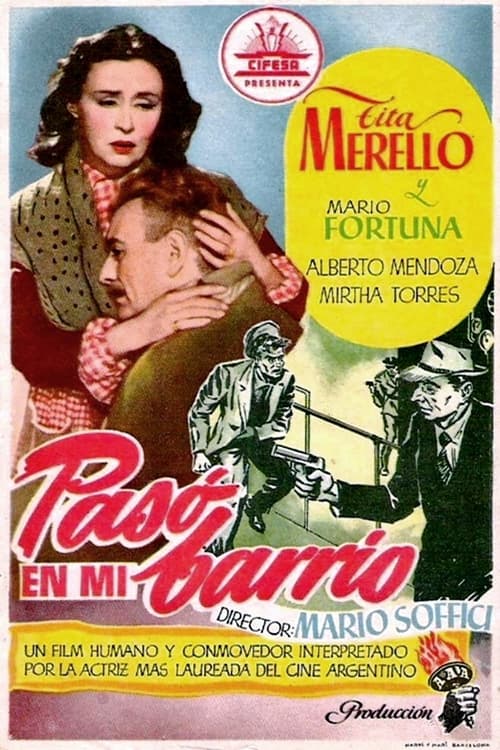
An italian man is unfairly imprisoned and his wife must work to maintain the family.
Pasó en mi barrio

The story of rebel gaucho Martin Fierro, his people, and their life in the Argentine Pampas. Based on José Hernández's epic poem.
Martín Fierro
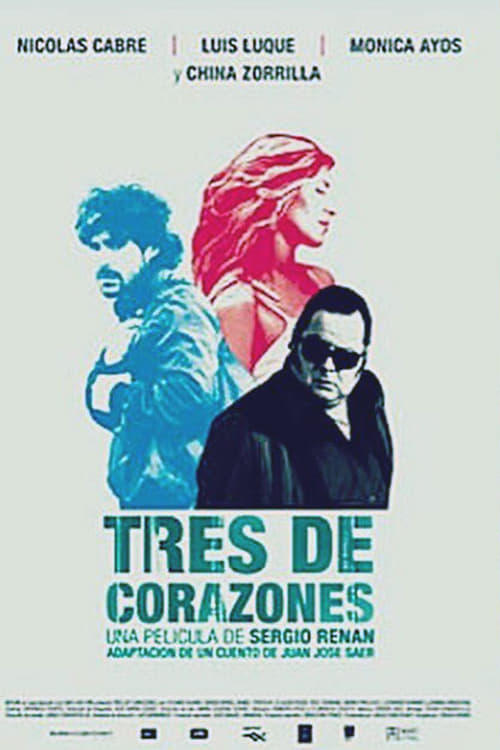
Angel decides to return to his hometown. In an inn on the route meets Dora, and they engage in conversation, but their relationship did not end there. Once installed in the same city, Angel gets a job as a taxi driver will take you to reconnect with Dora. The attraction they both feel continues, even though Angel discovers that Dora is the wife of his boss, a former police officer made in the street, given to sudden outbursts of violence. .
Tres de corazones
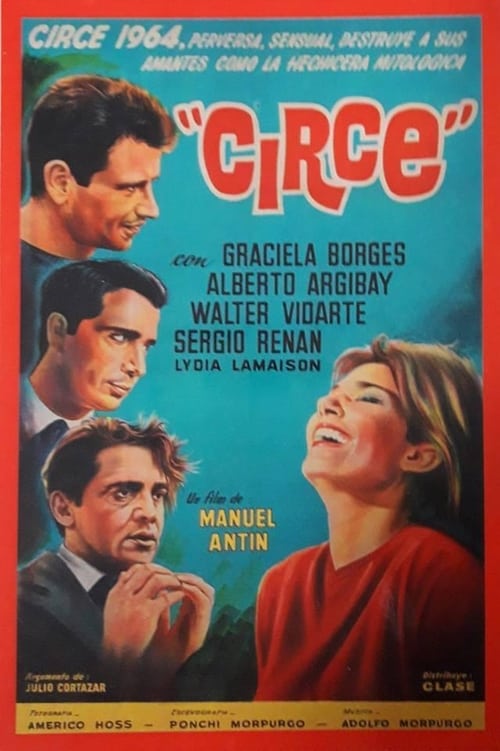
Delia Mañara is notorious in her quarter of Buenos Aires for the mysterious deaths of two of her fiancés. She lives in a twilight world and gains most satisfaction through the exercise of power over others.
Circe
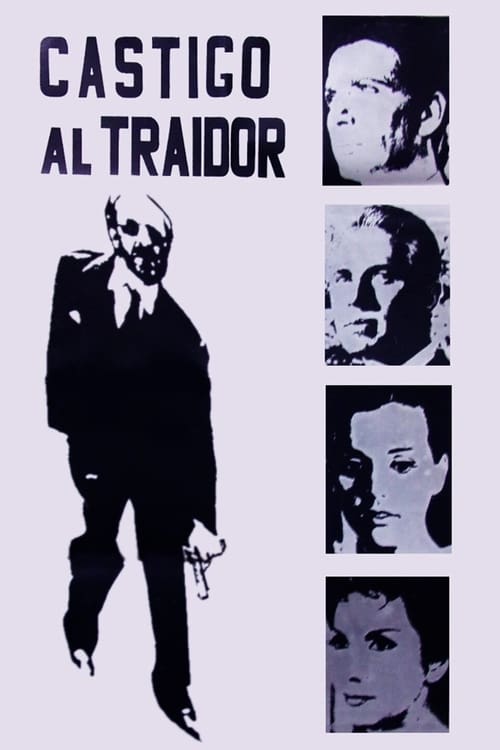
A casual monitoring becomes an obsession when a young man finds a man who reminds him of something that happened in his childhood.
Punishment to the Traitor
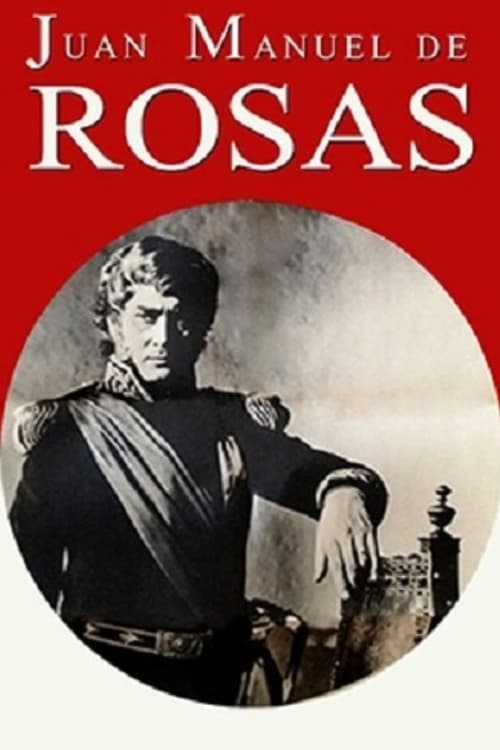
The political career of Juan Manuel de Rosas, twice Governor of the Province of Buenos Aires (1829-1832 and 1835-1852), who also ruled the Argentine Confederation during his second term in office.
Juan Manuel de Rosas
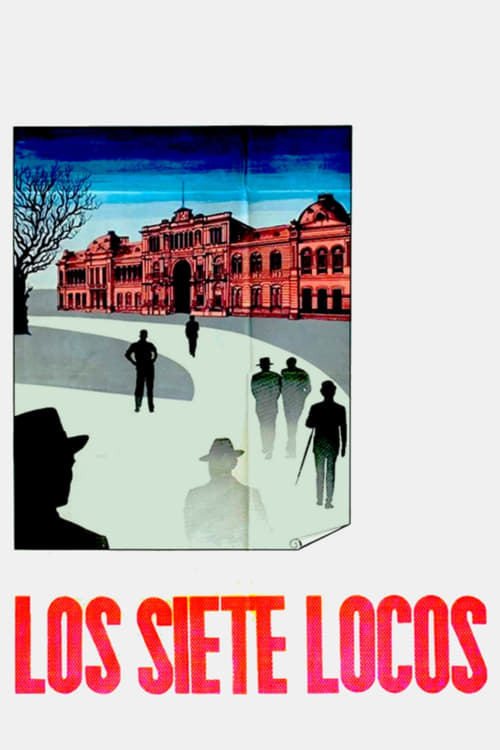
After committing a fraud on the company where he work, a man meets a strange character who will introduce him to a group that plot a terrorist attack.