Nicolás Pereda
Directing
Biography
Nicolás Pereda was born in Mexico City and holds an MFA in film from York University in Toronto. His films include the features Perpetuum Mobile (2009), Summer of Goliath (2010), Greatest Hits (2012), Killing Strangers (2013), The Absent (2014), Minotaur (2015), and My Skin, Luminous (2019) and Fauna (2020) is his latest film. His work explores the everyday through fractured and elliptical narratives using fiction and documentary tools.
Known For

Made for the Venice Film Festival's 70th anniversary, seventy filmmakers made a short film between 60 and 90 seconds long on their interpretation of the future of cinema.
Venice 70: Future Reloaded

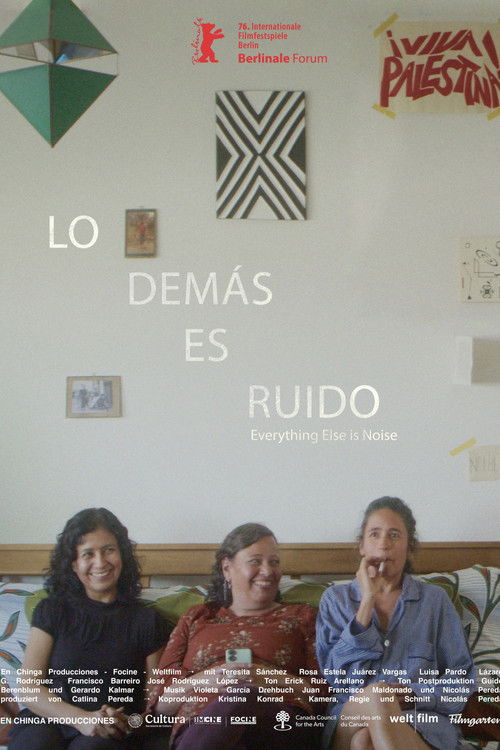
Rosa, a contemporary music composer, agrees to give her first television interview at her colleague Tere’s apartment to keep it secret from her husband. What begins as a simple professional conversation turns into an absurd and comic portrait of rivalries and affections among three women—Rosa, Tere, and Tere’s daughter Luisa—interrupted by power outages, a constantly barking dog, and the visit of a famous composer. As the interview unravels, family and artistic tensions surface, revealing, with humor, both the fragility of prestige and the strength of complicity.
Everything Else Is Noise

Three friends – a trio in love – get together after an audition. Their prosaic exchanges take a different turn when they remember how they met.
Lázaro at Night

On the outskirts of an isolated mining town, Lázaro discovers a dead body. He thinks he has a respiratory illness and doesn’t want to go back to the mine. Rumours, suspicion and desire surround him.
Copper

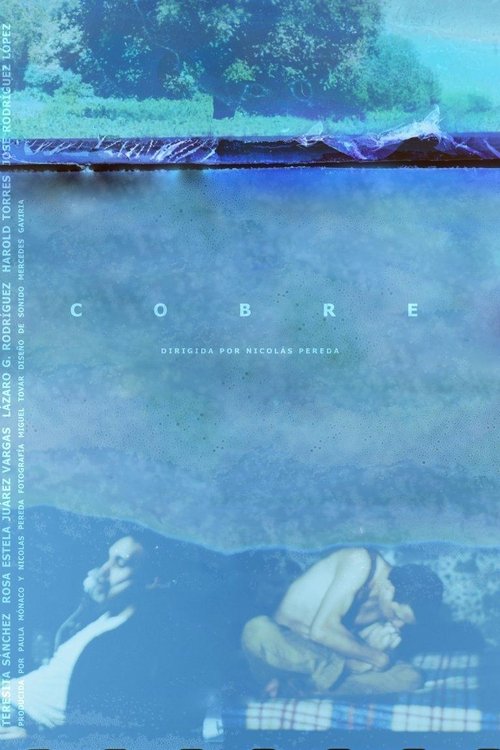
Luisa and Gabino visit their parents in a mining town in the north of Mexico. Their father’s only interest in them is sparked by Luisa’s actor boyfriend when he acts out the role of a narco kingpin. To cope with family tensions, Gabino imagines a parallel reality of detectives and organized crime.
Fauna

An itinerant mover works from the streets of Mexico City with his partner and lives with his beleaguered mother. A heightened tension within the home – by the absent older brother and unmentioned father. Gabino's casual pursuit of a career is interrupted by a series of intense and almost satirically telenovela-esque domestic vignettes.
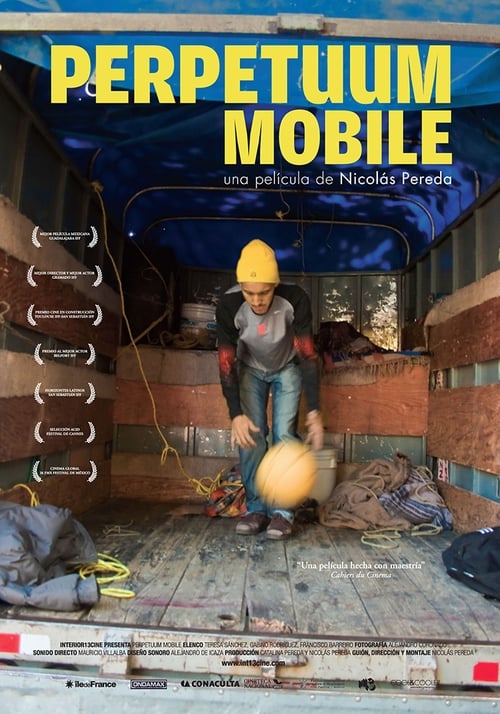
Perpetuum Mobile

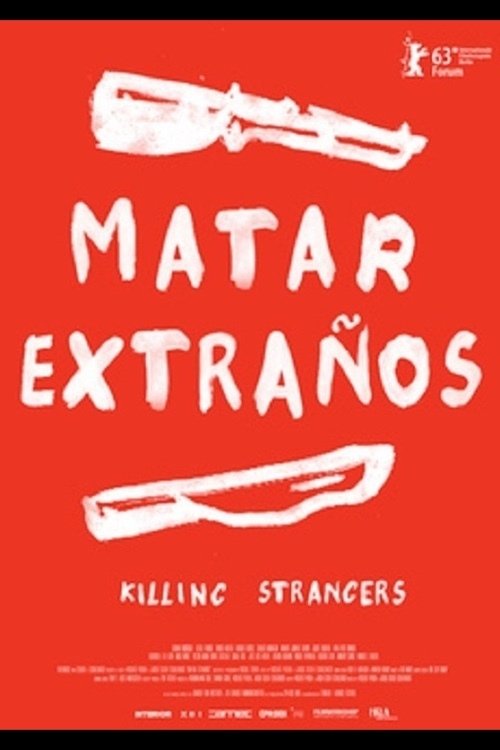
A series of auditions is taking place in a museum-like living room. Various men improvise or deliver prepared lines, rehearse gestures and slogans, aim guns, and collapse as if mortally wounded. The theme of revolution is repeatedly invoked. In between, there are scenes of a desert landscape. Three men seeking to join the Mexican Revolution at the beginning of the last century have lost their way. Conflicts smolder among them, water is running low, and mutual mistrust is beginning to take hold. Placing the reenactment of a possible historical event alongside the preparations for it serves to underline the theatricality of every cinematic account of history. Moreover, on a kind of playful meta-meta-level, the scenes in which the actors feel their way through set pieces from a Beatles song or standard battle slogans allow the viewer to witness the simultaneous construction and deconstruction of a collective myth of revolution.
Killing Strangers

Minotaur takes place in a home of books, of readers, of artists. It’s also a home of soft light, of eternal afternoons, of sleepiness, of dreams. The home is impermeable to the world. Mexico is on fire, but the characters of Minotaur sleep soundly.
Minotaur

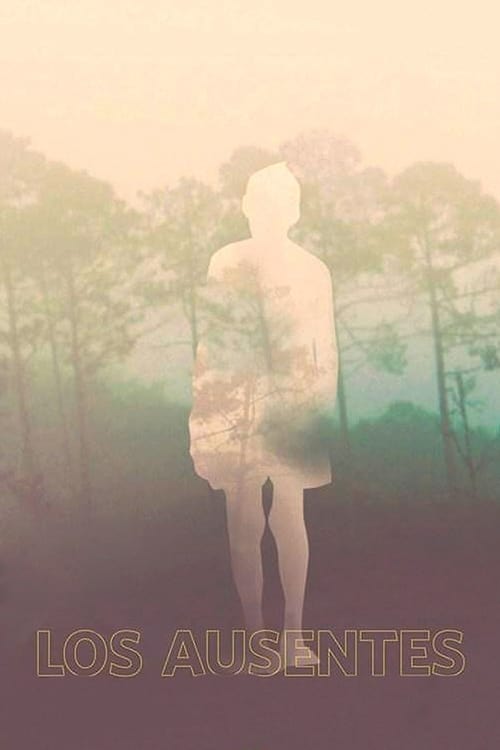
An old man lives alone in a shabby cabin in a remote mountainous area of Mexico. His house is set to be demolished in order to facilitate the redevelopment of the area. He doesn't know how to protect his house. Time goes by and one day a young man shows up on his doorstep. Looking exhausted, he starts his new routine here, cooking and doing laundry just like the old man.
The Absent

Carefully shot in black and white, All Things Were Now Overtaken by Silence is a meditation on the filming of a strange play: a fascinating monologue by actress, director, performance artist and political activist Jesusa Rodriguez of Sor Juana Ines de la Cruz’s poem First I Dream.
All Things Were Now Overtaken By Silence

Eleven award winning directors explore why nearly one out of every two students in Latin America never graduates high school.
The Empty Classroom

Summer of Goliath is a documentary/fiction hybrid that narrates various stories of the people of the town of Huilotepec in rural Mexico. Teresa's husband has disappeared and she believes he has left her for another woman. Gabino, her son, is a soldier who searches cars at the side of a country road, where very few cars pass by. He hopes one day him and Alberto, his soldier partner, will get machine guns to further intimidate the people driving by. Amalio, Nico, and Oscar are three brothers whose stories we learn through a series of interviews and reenactments. Their father left them many years ago, and their mother can barely support them. Oscar has gained the nickname Goliath after the mysterious death of his girlfriend.
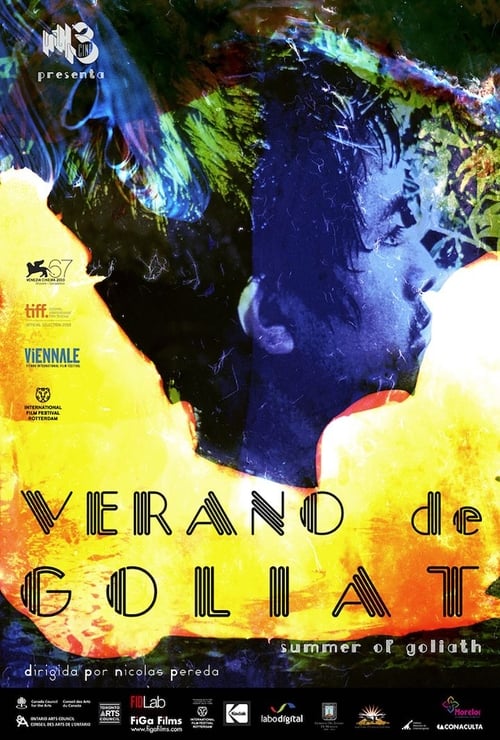
Summer of Goliath

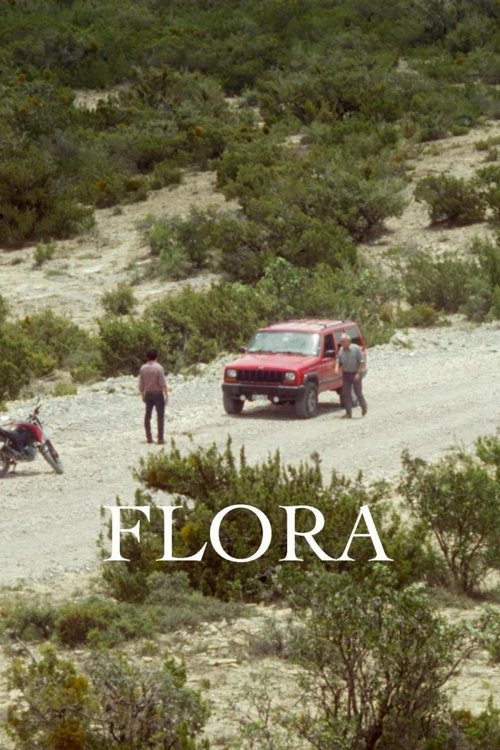
A metacinematic reflection on the nature of representation and the ongoing drug war in Mexico, Nicolás Pereda’s Flora revisits locations and scenes from the mainstream 2010 narco-comedy El Infierno, exploring the paradoxes of depicting narco-trafficking on film—its tendency both to romanticize and to obscure. To screen is both to project and to conceal.
Flora

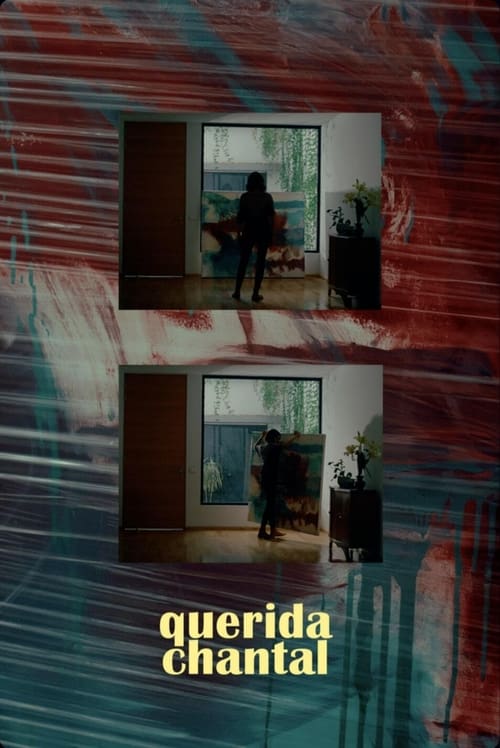
Pereda returns with a small, mysterious and moving tribute to Chantal Akerman, conceived as a series of joyful impossible letters addressed to the great disappeared from the cinema, to answer her fictional question about renting her bright apartment in Coyoacán.
Dear Chantal

Gabino, Luisa and Paco share a small apartment in Mexico City. With no money and nothing to do, they decide to leave the city.
Together

Enigmatic and deceptively playful in tone, this film from Gabino Rodríguez, in collaboration with Nicolás Pereda, boldly transforms mundane, realist observations at a rural Mexican schoolhouse into fantasy and a sly comment on childhood, rituals, and race.
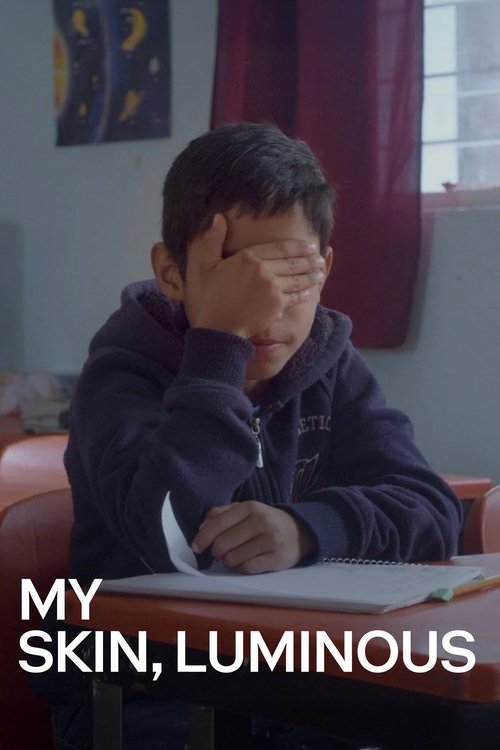
My Skin, Luminous

When Gabino's father returns home after a long absence, the two men awkwardly attempt to re-establish a relationship; but Gabino and his mother quickly tire of this man who has become a stranger to them and decide to kick him out, before realizing that he has already left. Gabino eventually tracks his father down and spends time with him in his rundown apartment, trying to figure out if there is any possibility for the two of them to ever truly communicate. Though Greatest Hits continues Pereda's exploration of his perennial themes of absence, masculinity and the difficulty of maintaining a family, it opens up a whole new set of aesthetic questions through a bold formal gambit: halfway through, the entire narrative reboots and starts from scratch with another actor playing one of the key characters, leading to different iterations of events already witnessed.
Greatest Hits

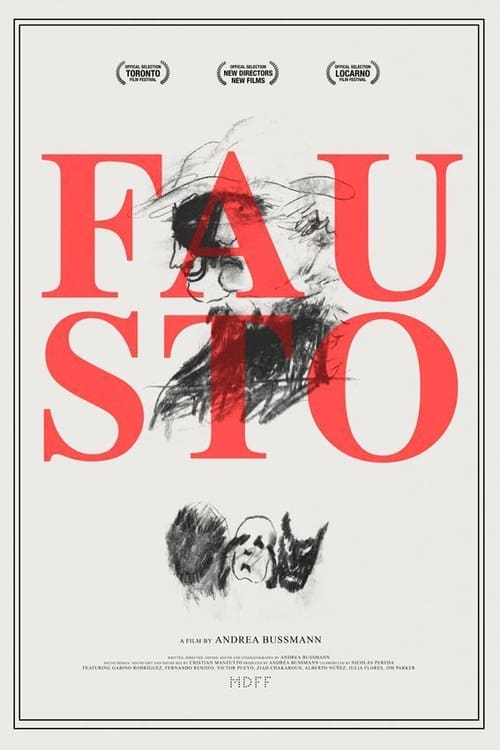
On the Oaxacan coast of Mexico, rumblings of previous times are never far from the surface. Tales of shapeshifting, telepathy and dealings with the Devil are embedded in the colonization and enslavement of the Americas. Characters from the Faust legend mingle with the inhabitants, while attempting to colonize and control nature through a seemingly never-ending building project. Through literature, myth and local entanglements, the frontier between reality and fiction, and the seen and unseen, no longer apply.
Fausto
Acclaimed Mexican Canadian filmmaker Nicolás Pereda presents a film/performance/lecture on the life and work of “C.B.,” an artist, political activist, amateur archeologist, and anarchist.
The Private Property Trilogy: A Survey of the Life and Films of C.B.

The Palace is a documentary that follows the everyday life of seventeen women who live together, sharing a large house for emotional and financial reasons. They help each other to train for various jobs. Most become nannies, domestic workers and private nurses for elderly patients.