Acting
No description available.
The Emperor in Han Dynasty,[1] also released under the title The Emperor Han Wu in some countries, is a 2005 Chinese historical television series based on the life of Emperor Wu of the Han dynasty. It uses the historical texts Records of the Grand Historian and Book of Han as its source material. The series covers the life of Emperor Wu from his early childhood to his death and some events in the reign of Emperor Jing (Emperor Wu's father and predecessor), such as the Rebellion of the Seven States. It follows the conflicts that defined the pivotal war between the Han Empire and the Xiongnu, and depicts the major victories that the Han scored over the Xiongnu during Emperor Wu's reign. Prominent historical figures such as the generals Li Guang, Wei Qing and Huo Qubing, as well as the diplomats Su Wu and Zhang Qian, also make appearances as supporting characters in the series.
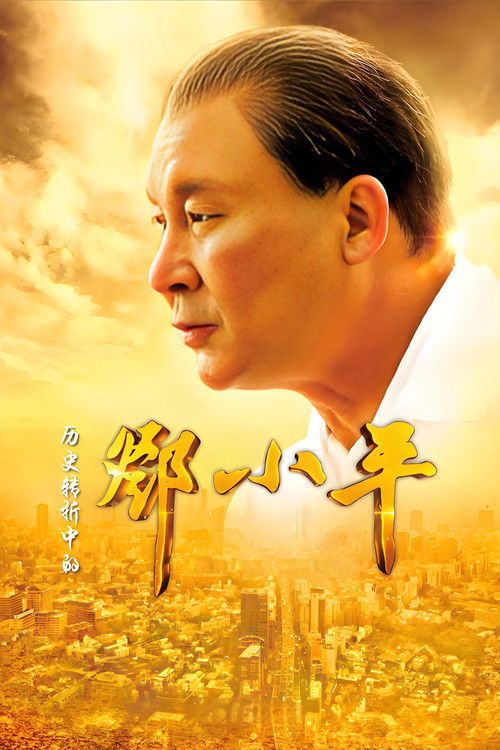
After Mao Zedong's death in 1976, Deng Xiaoping returns to power amid political turmoil. Facing divisions within the Communist Party, he leads crucial economic and defense reforms, steering China toward a hopeful future and laying the foundation for the country's revival.
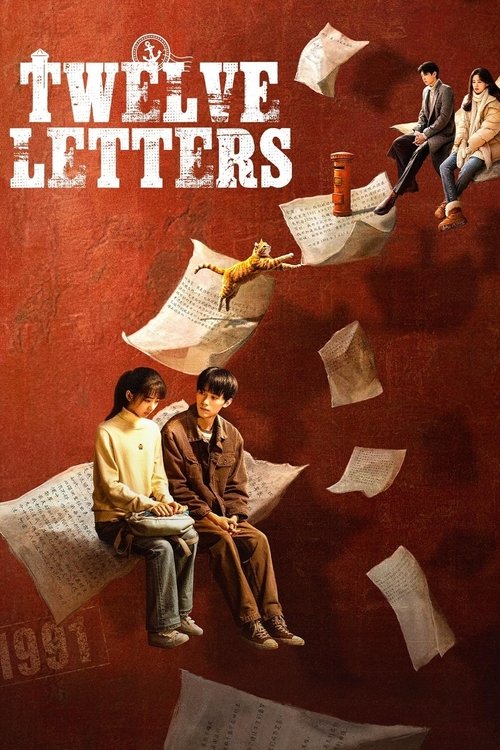
In a small town, twelve mysterious letters and a 35-year wait intertwine to shape the lives and loves of a close-knit group of friends. Yu Nian and Shen Cheng’s world is thrown into turmoil when their parents vanish, followed by cryptic messages arriving from another time. Driven to uncover the truth, they plunge into a complex puzzle, navigating dual timelines and unraveling the secrets hidden within the letters that could explain their disappearance.
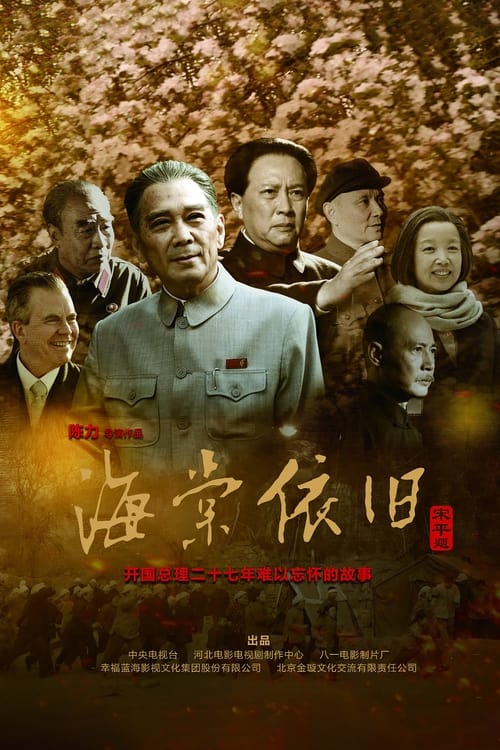
This drama describes the life of Zhou Enlai, who serves as Premier of the People's Republic of China, from the founding of the Communist State in 1949 to 1976 until his death.
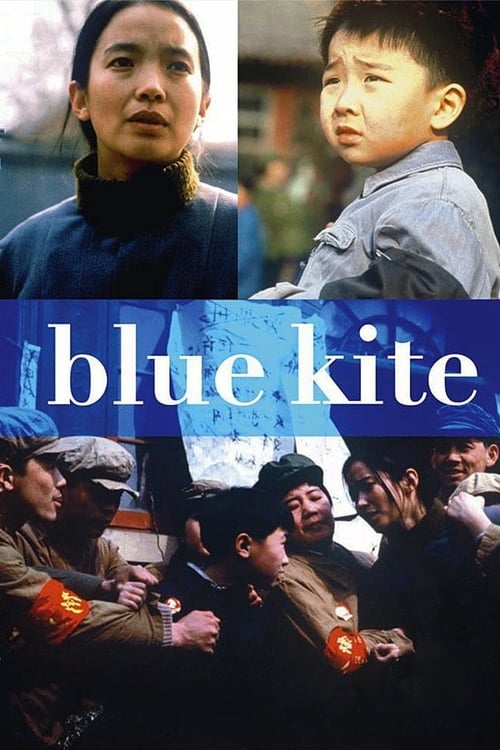
A young man recalls his childhood growing up in a poor alley in Beijing during the 1950s and 1960s.
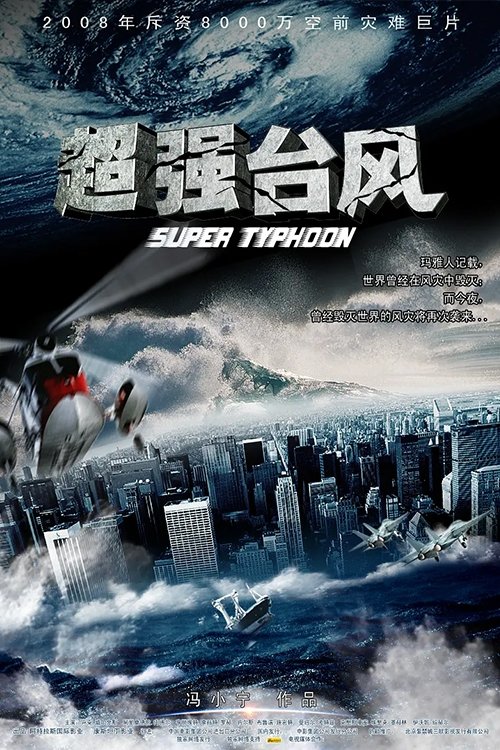
When a super typhoon strikes the city of a million people, only the heroic mayor can save the day.
Chinese drama.
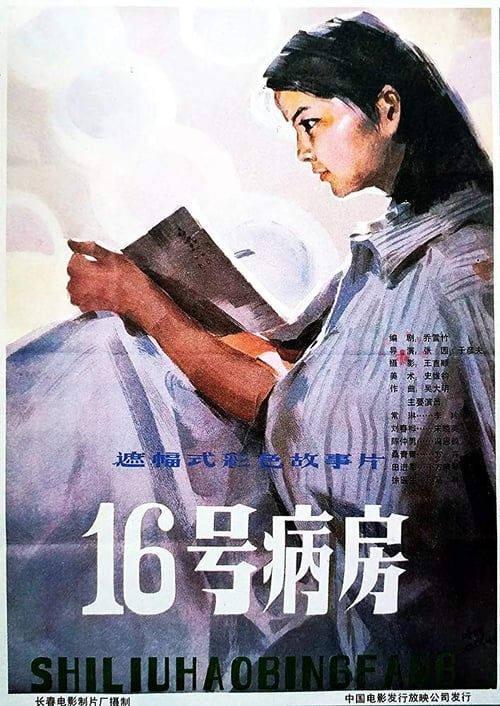
Set in early 1980s, Xishan tuberculosis hospital. Three female patients lives in ward 16. A new one moves in and makes others think about their lives.