Paulinho da Viola
Acting
Biography
Paulo César Batista de Faria, better known as Paulinho da Viola (Rio de Janeiro, November 12, 1942), is a Brazilian music producer, guitarist, cavaquinist, mandolinist, singer and composer of samba and choro, known for his sophisticated harmonies and your voice soft and gentle.
Known For

Carlão is a taxi driver who experiences a drama of conscience after fleeing bank robbers leave a suitcase with stolen money in his car: he doesn't know whether to hand it over to the police, running the risk of being accused of being an accomplice in the robbery, or whether to use the money to solve his problems.
Pecado Capital

No description available.
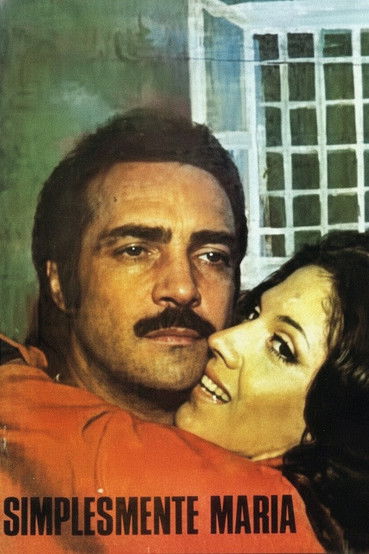
Simplesmente Maria

No description available.
Grandes Nomes

No description available.
Chico & Caetano

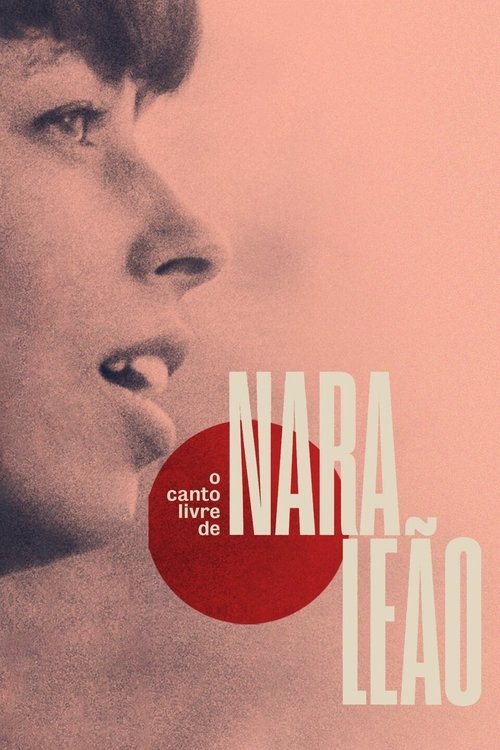
Nara Leão revolutionized Brazilian music, broke prejudices, confronted the military dictatorship, opened paths for women. All this without changing the tone of her voice.
O Canto Livre de Nara Leão

No description available.
Show 60 Anos

Follows the story of Opinião, a theatre group created in 1964 during the early Brazilian dictatorship period to oppose the government through artistic performances. Considered the first left-wing response to the dictatorship, the group gathered now famous Brazilian artists such as Nara Leão, Maria Bethânia, João do Vale and Millôr Fernandes.
Memórias do Grupo Opinião

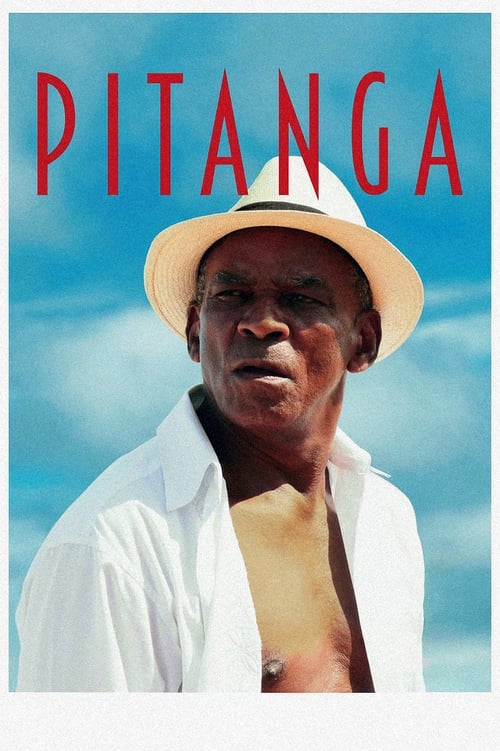
This documentary investigates the aesthetic, political and existential trajectory of emblematic Black Brazilian actor Antônio Pitanga. His career spans over five decades, and he has worked with iconic Brazilian filmmakers Glauber Rocha, Cacá Diegues and Walter Lima Jr. He was a prominent figurehead and outspoken activist during the Brazilian dictatorship, a period of unrest in Brazilian cinema. "Pitanga" deep dives into the world of Antônio and the history of Brazil. The documentary was directed by his daughter Camila Pitanga, one of widely recognised faces in Brazilian television and cinema right now. The film is also a poem, and a tender ode to fatherhood.
Pitanga

70-year-old widower living in a poor Rio de Janeiro suburb falls in love again when he finds a woman of approximately the same age.
Summer Showers

The 1948 South American Championship, won by Vasco, the first continental world champion. In the absence of period records, radio commentary was recreated, and the highlights were animated. The trajectory of CR Vasco da Gama up to that point: the fight against racism, São Januário as the country's main sports and social arena, and the culture dominated by Vasco fans.
A Força do Gigante

A documentary on Brazilian trombone player Raul de Souza who, since 1996, has lived in Paris and suffers because he goes unnoticed, unrewarded in his native land. With the sound of his trombone for a background, the film takes him back to Bangu, in Rio de Janeiro, and retraces his trajectory.
Viva Volta

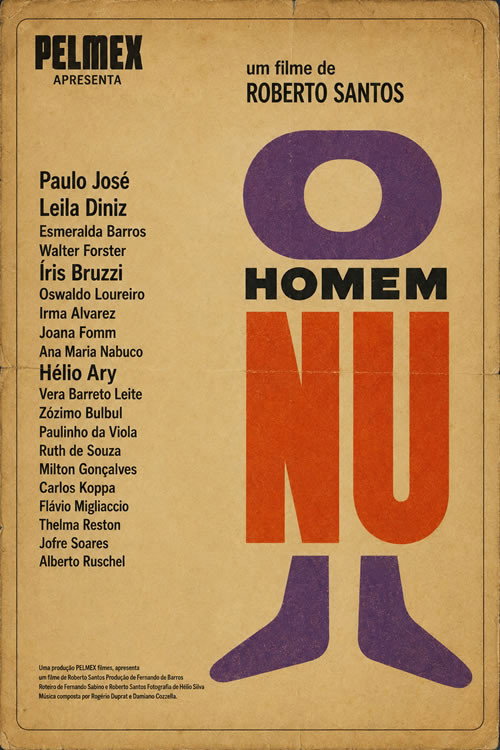
A man gets locked naked outside of his apartment.
The Naked Man

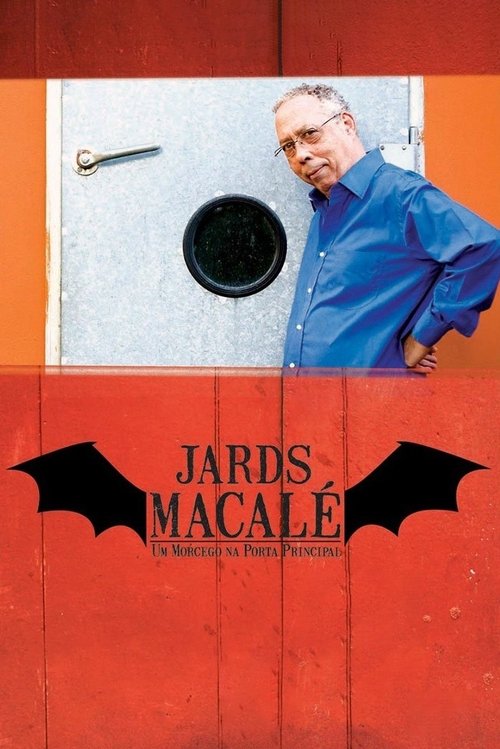
This film shines a light at the story of Jards Macalé, polemic artist and controversial character of Brazilian culture over the last four decades. Author of songs such as "Vapor Barato" and "Movimento dos Barcos", a partner in crime of poet Waly Salomão, guitar player and songwriter for Gal Costa and Caetano Veloso, actor and author of soundtracks in Nelson Pereira dos Santos' films, a personal friend of visual artists Lygia Clarke and Hélio Oiticica, but, first and foremost, someone who dreams of seeing the word "love" in the Brazilian flag.
Jards Macalé - Um Morcego na Porta Principal

Film in three segments. In the first, engaged girl falls in love with an acrobat. In the second, married woman is loved by two men. In the last, the daughter of a traditional family is rejected on her wedding night.
As Moças Daquela Hora

A prodigy of stringed instruments, a pioneer of Bossa Nova, a modernizing master of the guitar: Aníbal Augusto Sardinha, better known as Garoto (1915-1955), is one of the hidden pillars of Brazilian music. Woven by rare archival material, personal diaries and testimonies, this documentary reveals his influence and the artistic conflicts of an avant-garde artist in the golden age of Brazilian radio.
Garoto - Vivo Sonhando

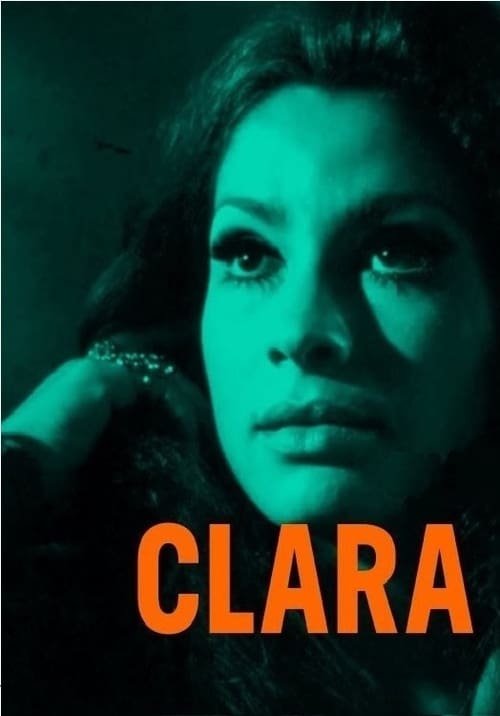
Orphaned by father and mother, Clara has always dreamed of building a singing career. At the age of 16, she moved to Belo Horizonte, where she won the ABC Golden Voice contest. In 1966, she recorded her first vinyl: A Adorable Voice by Clara Nunes. The approach to samba made her achieve the longed for success, in addition to international repercussion. Clara Nunes revolutionized the music industry, becoming the first woman to break the barriers imposed by the record label.
Clara

No description available.
Casa de Samba

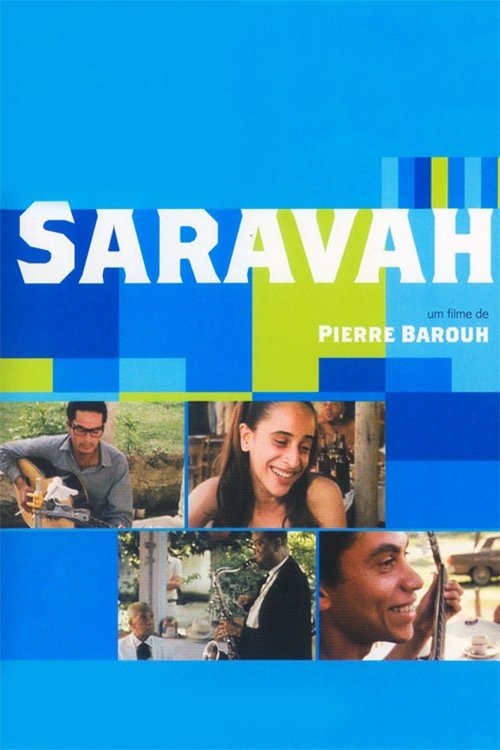
Documentary about Brazilian music circa 1969, with extremely rare scenes, such as the only color footage of Pixinguinha, images of João da Baiana, one of the fathers of Samba, Maria Bethânia rehearsing at Barroco nightclub, Baden Powell playing his acoustic guitar, Paulinho da Viola showing his masterpiece "Coisas do Mundo, Minha Nega", that he had just finished, and Márcia, a singer from São Paulo.
Saravah

Documentary about Brazilian samba songwriter and singer Paulinho da Viola, one of the most sophisticated musicians of the genre. The film shows his biography, influences, masters and friends, as well his simple and peculiar way of life, with activities like restoring old cars, working with wood, playing billiards.
Paulinho da Viola: Meu Tempo É Hoje

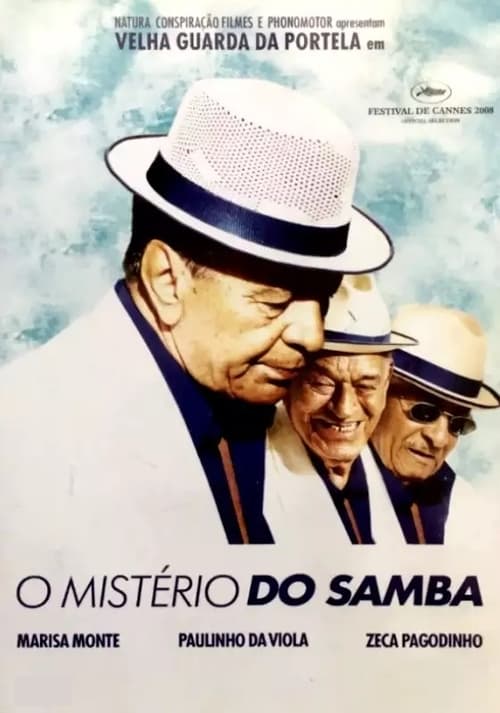
A film that depicts the everyday life and the beauty of Portela’s Old Folk – a group of veteran samba musicians who belong to one of Rio’s most revered samba schools, the one with the most first places and accolades in Rio’s Carnaval pageant. These old gentelmen’s and ladies’ musicality and poetry are unveiled through their simple, but rich and meaningful, every day life in Oswaldo Cruz, a quaint neighborhood in Rio’s North Zone, that serves both as set and as a main character in this story.