Directing
Lassie is the pet of Jeff Miller, an 11-year-old farm boy. The two become best friends and enjoy family adventures in the American countryside, teaching each other about love, nature and commitment.
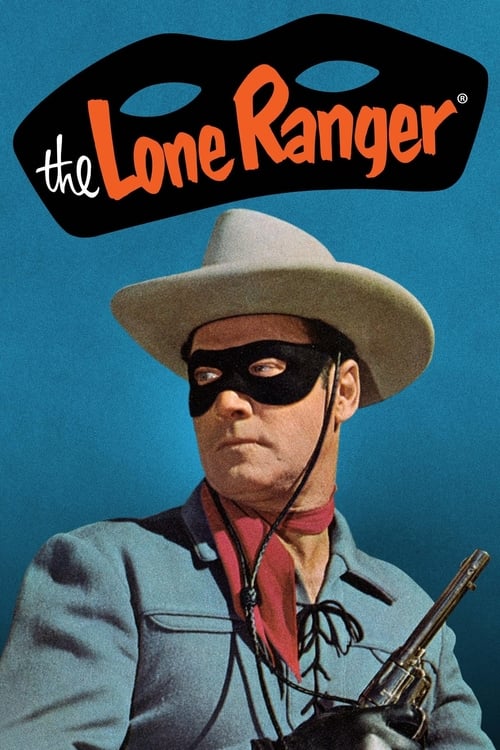
The Lone Ranger is an American western television series that ran from 1949 to 1957, starring Clayton Moore with Jay Silverheels as Tonto. The live-action series initially featured Gerald Mohr as the episode narrator. Fred Foy served as both narrator and announcer of the radio series from 1948 to its finish and became announcer of the television version when story narration was dropped there. This was by far the highest-rated television program on the ABC network in the early 1950s and its first true "hit".
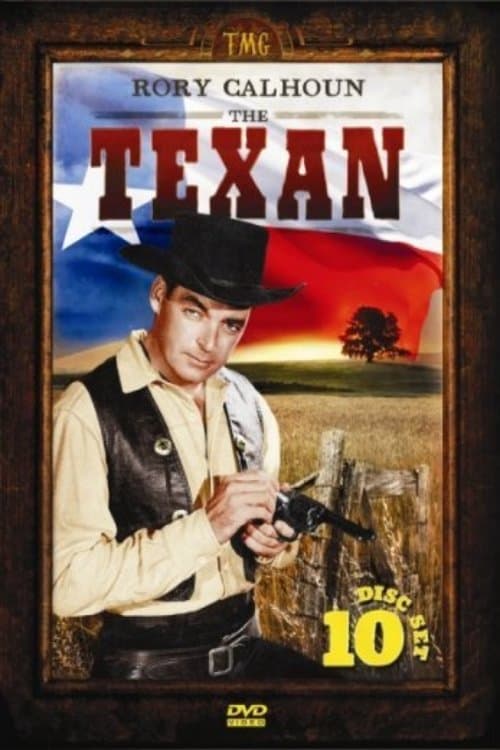
The Texan was a Western television series starring popular B movie actor Rory Calhoun, which aired on the CBS television network from 1958 to 1960.
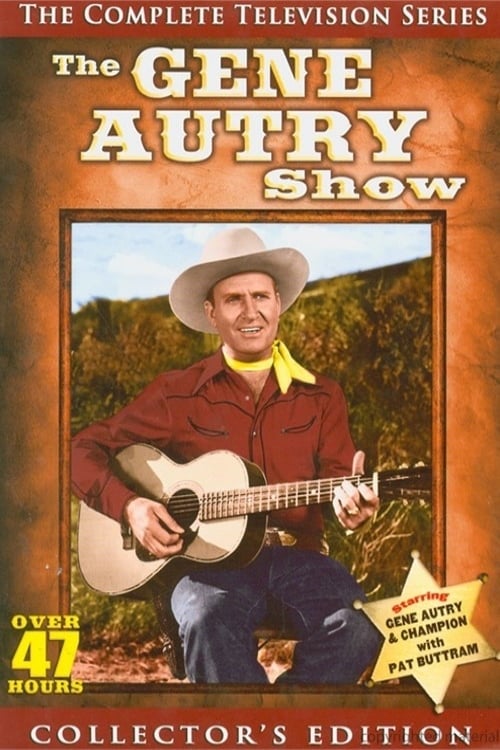
The Gene Autry Show is an American western/cowboy television series which aired for 91 episodes on CBS from July 23, 1950 until August 7, 1956, originally sponsored by Wrigley's Doublemint chewing gum.
The Adventures of Jim Bowie is an American Western television series that aired on ABC from 1956 to 1958. Its setting was the 1830s-era Louisiana Territory. The series was an adaptation of the book Tempered Blade, by Monte Barrett. The series stars Scott Forbes as the real-life adventurer Jim Bowie. The series initially portrayed Jim Bowie as something of an outdoors-man, riding his horse through the wilderness near his home in Opelousas, where he would stumble across someone needing his assistance. He was aided by the Bowie Knife, his ever-present weapon. He designed it in the first episode, The Birth of the Blade.
Cavalcade of America is an anthology drama series that was sponsored by the DuPont Company, although it occasionally presented a musical, such as an adaptation of Show Boat, and condensed biographies of popular composers. It was initially broadcast on radio from 1935 to 1953, and later on television from 1952 to 1957. Originally on CBS, the series pioneered the use of anthology drama for company audio advertising. Cavalcade of America documented historical events using stories of individual courage, initiative and achievement, often with feel-good dramatizations of the human spirit's triumph against all odds. This was consistent with DuPont's overall conservative philosophy and legacy as an American company dating back to 1802. The company's motto, "Maker of better things for better living through chemistry," was read at the beginning of each program, and the dramas emphasized humanitarian progress, particularly improvements in the lives of women, often through technological innovation.
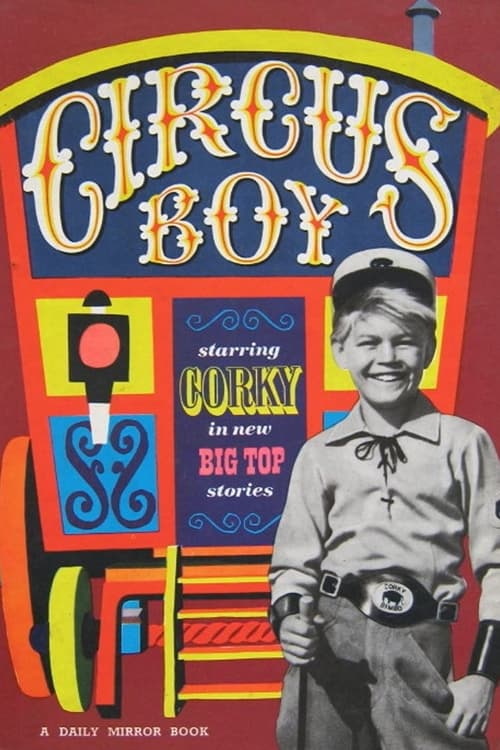
Circus Boy is an American action/adventure/drama series that aired in prime time on NBC, and then on ABC, from 1956 to 1958. It was then rerun by NBC on Saturday mornings, from 1958 to 1960. The series currently airs Saturday mornings on Antenna TV.
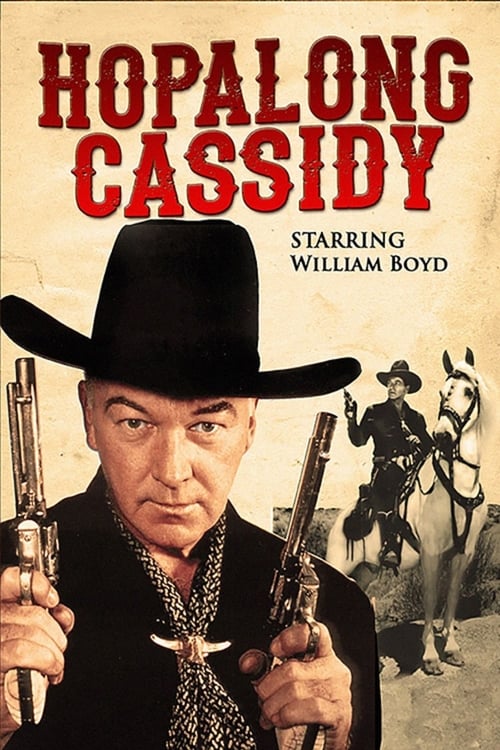
Hopalong Cassidy was television's first western program. The series aired on NBC and stared William Boyd as the cowboy Hopalong Cassidy.
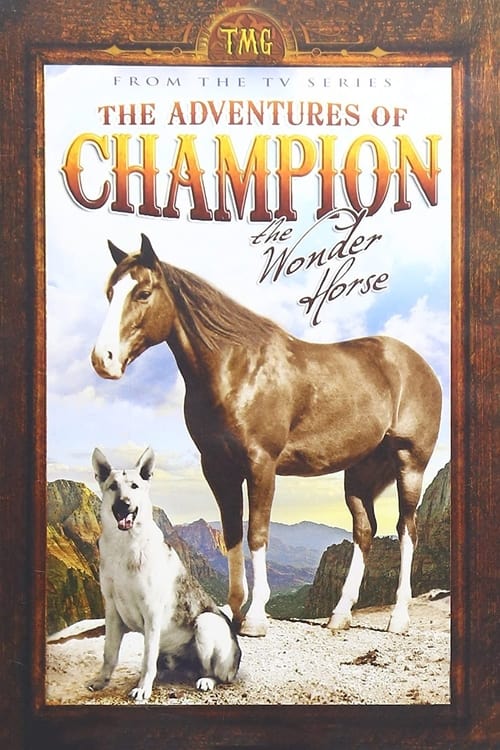
The Adventures of Champion follow a wild stallion named Champion, who remarkably becomes friends with a young boy named Ricky North.The show followed the boy and the horse as they went on crazy adventures in the Southern West during the late 1800s.
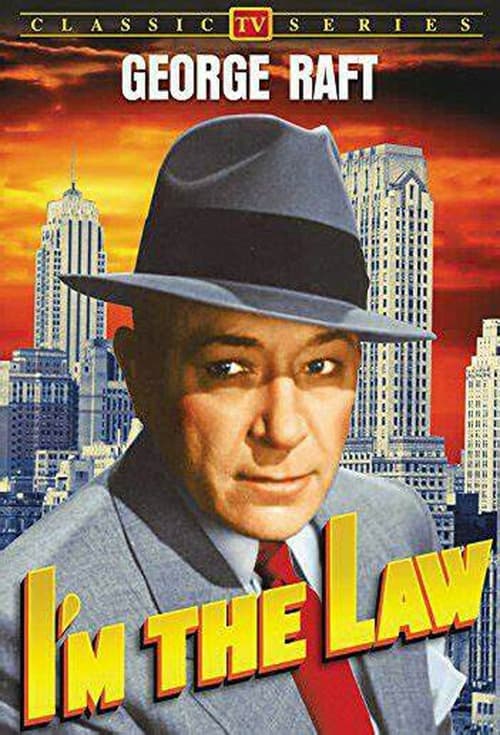
I'm the Law is the title of a 30-minute syndicated American television police drama series which aired in 1953 starring George Raft as Lt. George Kirby, a NYPD detective involved in solving a variety of crimes in New York City. The series first aired on February 13, 1953 and ended on July 31, 1953.
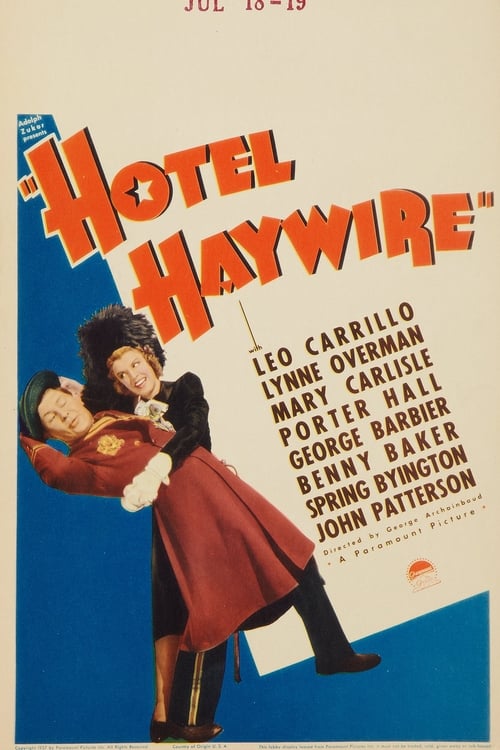
Parkhouse plays a practical joke on a poker-playing buddy by sending him home with a lady's chemise stuffed in his coat pocket. The gag backfires, whereupon Parkhouse finds himself in hot water with his own wife. Threatened with divorce, Parkhouse is advised by a zany astrologer to frame Mrs. P. in a compromising situation at the Hotel Haywire, enlisting amateur detectives Bert and Genevieve Sterns in his scheme.
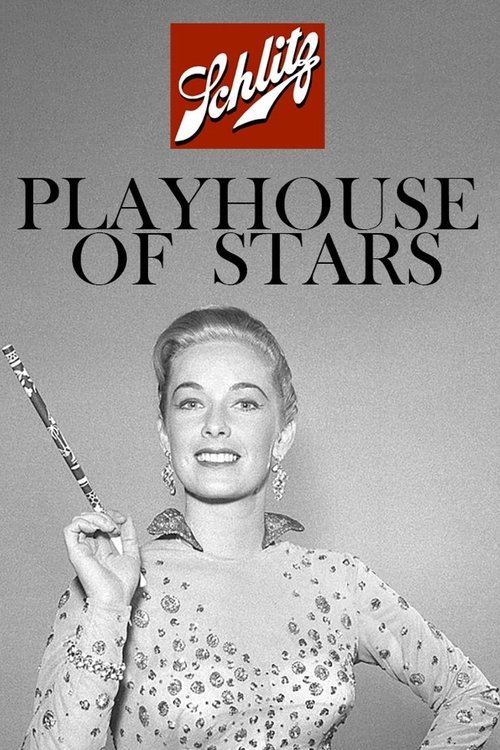
Schlitz Playhouse of Stars is an anthology series that was telecast from 1951 until 1959 on CBS. Offering both comedies and drama, the series was sponsored by the Joseph Schlitz Brewing Company. The title was shortened to Schlitz Playhouse, beginning with the fall 1957 season.
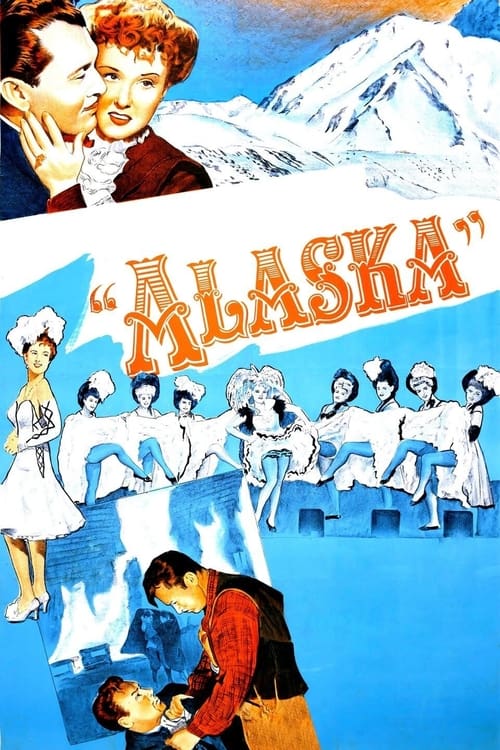
A man who has been framed on a murder charge is placed in the custody of a crooked U.S. marshal, who is secretly running a murderous claim-jumping gang.
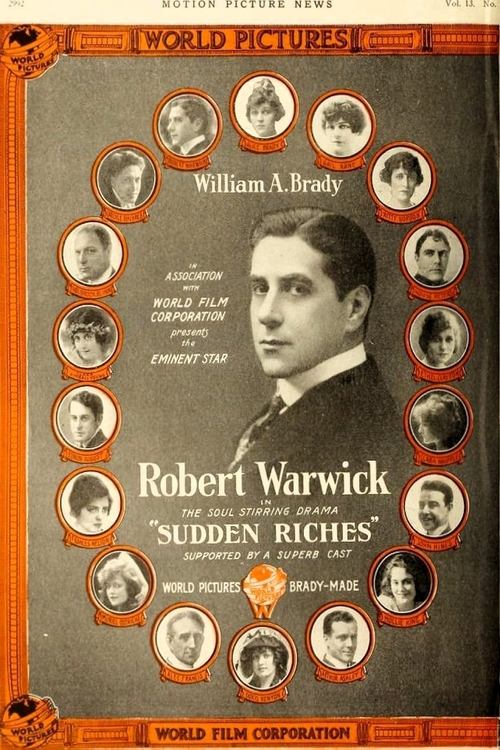
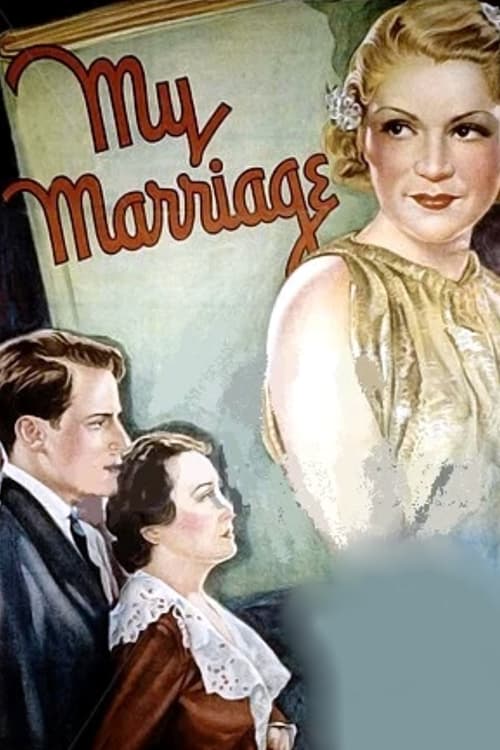
Successful, but financially struggling architect Robert Crewe is devoted to his wife Marion and daughter Emily. Unknown to him, his Uncle Abner harbors a spite for him because Robert's father stole Abner's fiancée, who died in childbirth after their marriage. Mad for revenge Abner hires a beauty to break up Robert's home, but she fails. When Abner dies, he leaves Robert his fortune hoping it will lead to Robert's downfall. He is almost proved correct but when Robert and Marion are threatened with Emily's death, they finally decide to change their lives and bring the family back together.
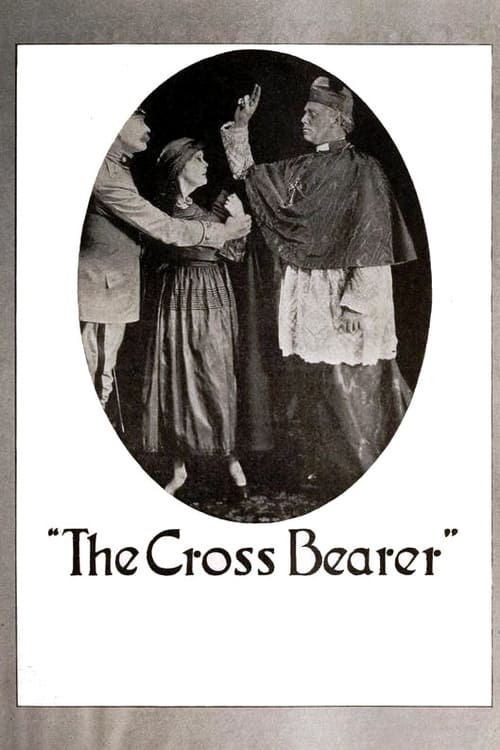
Cardinal Mercier protects the altar of his church from desecration when German forces invade the Belgian city of Louvain during World War I. Although the soldiers commit widespread atrocities, the cardinal does his best to protect the townspeople.
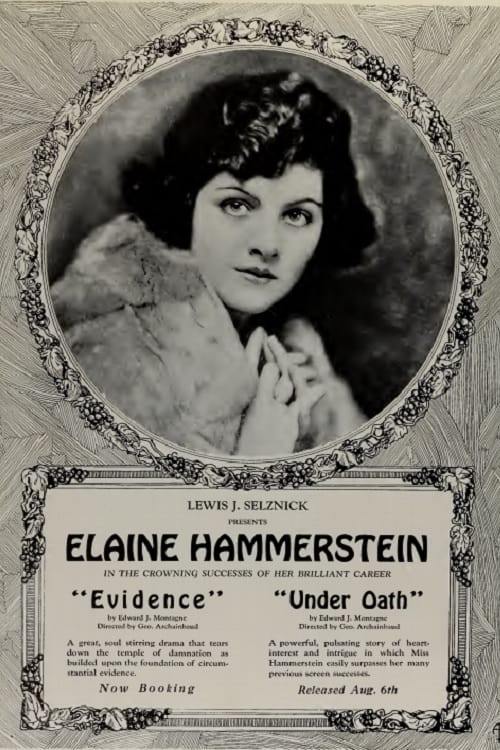
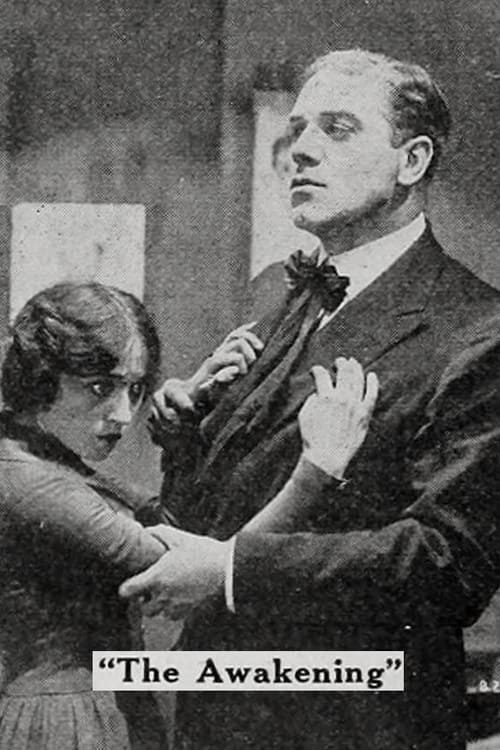
When Florette, a popular actress, and her friend Edith become rivals for the love of Walter Stanley, a leading man, Florette sacrifices her feelings for the other girl. Three years later, Phillip Rowland, a young aristocrat, falls in love with Florette. When Edith intrudes in her affairs, Florette--although she fears unhappiness will result because of their differing social positions--decides to marry Rowland regardless of the consequences. Rowland stands by his wife, although she is snubbed by his family, but when Edith conspires with Walter Stanley to place Florette in a compromising position, Judge Rowland accepts circumstantial evidence as truth and plans for a divorce. Florette, however, cleverly puts her brother-in-law on the defensive; making amends, he has her reinstated in the family's good graces. A lost film.
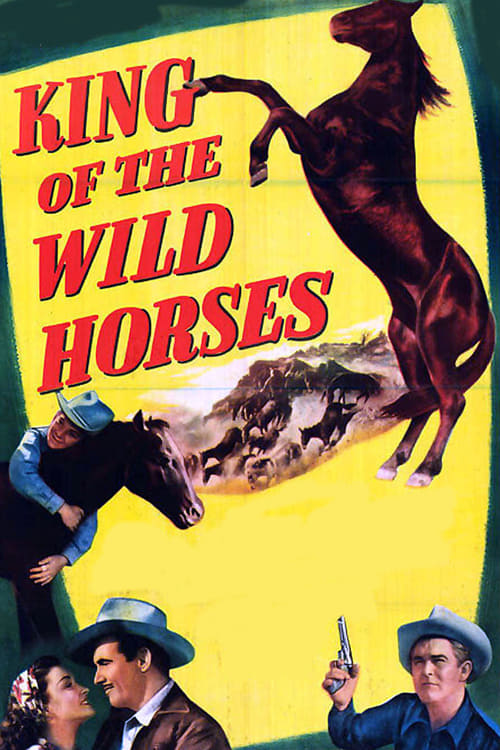
The deep unbreakable bond between a wild stallion and the boy he rescues is chronicled in this children's adventure.
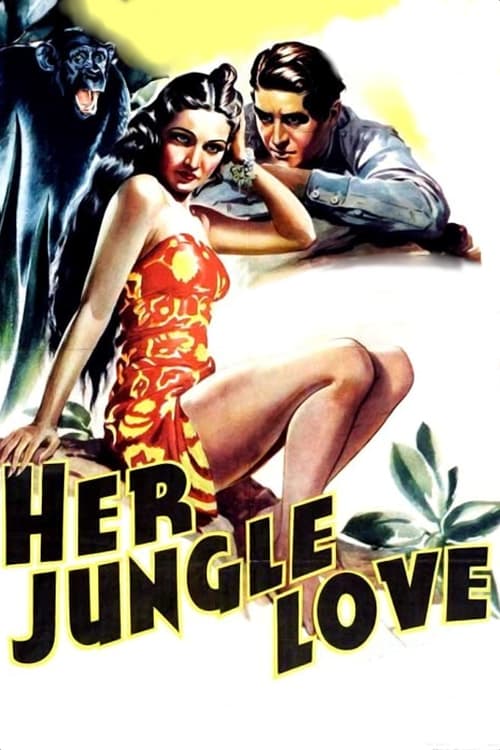
While searching the South Pacific for a missing aviator, Bob Mitchell and Jimmy Wallace are caught in a typhoon and crack up on an island, escaping unharmed with the aid of Tura, a beautiful jungle girl who is the only inhabitant of the island and is believed a goddess by the natives of the adjoining islands. The three are about to leave the island on a make-shift raft when a gang of savage tribesman land, headed by Kuasa, a half-mad potentate who informs them that all whites are his mortal enemies because an Englishwoman once spurned his love and he got his revenge by stealing her daughter, who is Tura.
When gangster's bullets put an end to the career of H.J. Barton, underworld gambling czar who masquerades as a respectable member of high society, his daughter Carol is left to bear the brunt of social stigma.
Abandoned on the church steps at birth Jacques Revilly is a pariah in his small hamlet finally heading to Paris to fulfill his dream of being an artist. After three years he has become quite adept but due to his slovenly ways and appearance he has been nicknamed “The Beast” and is once again exiled among society. One night he discovers a young girl who has collapsed in the roadside snow, with the assistance of his one friend Varney they nurse her back to health and “The Beast” begins to mend his ways.