Acting
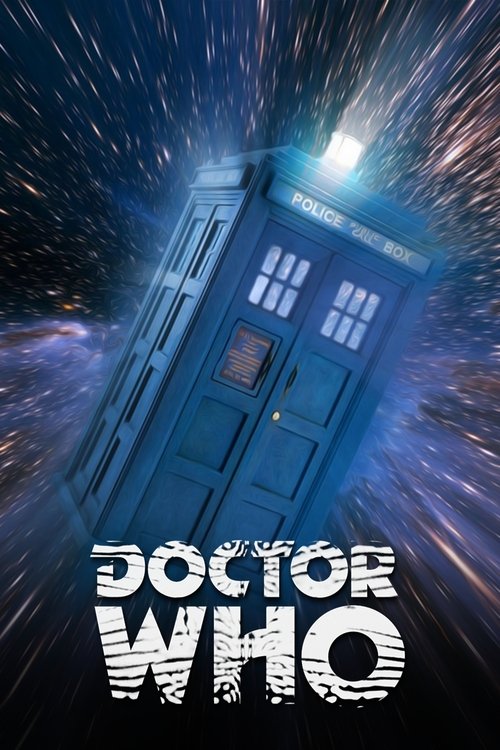
The adventures of The Doctor, a time-traveling humanoid alien known as a Time Lord. He explores the universe in his TARDIS, a sentient time-traveling spaceship. Its exterior appears as a blue British police box, which was a common sight in Britain in 1963 when the series first aired. Along with a succession of companions, The Doctor faces a variety of foes while working to save civilizations, help ordinary people, and right many wrongs.
Crown Court is an afternoon television courtroom drama produced by Granada Television for the ITV network that ran from 1972, when the Crown Court system replaced Assize courts and Quarter sessions in the legal system of England and Wales, to 1984.
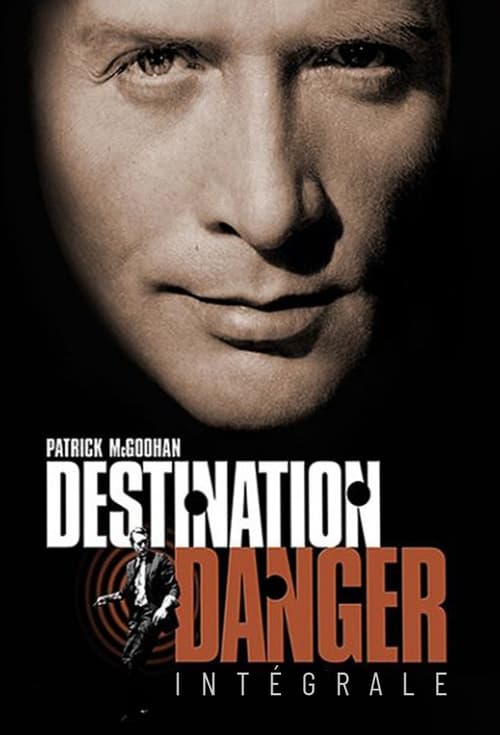
Danger Man is a British television series which was broadcast between 1960 and 1962, and again between 1964 and 1968. The series featured Patrick McGoohan as secret agent John Drake. Ralph Smart created the programme and wrote many of the scripts. Danger Man was financed by Lew Grade's ITC Entertainment.
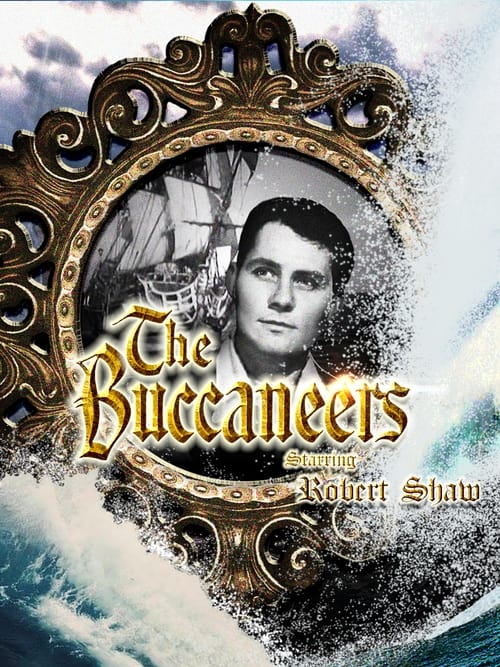
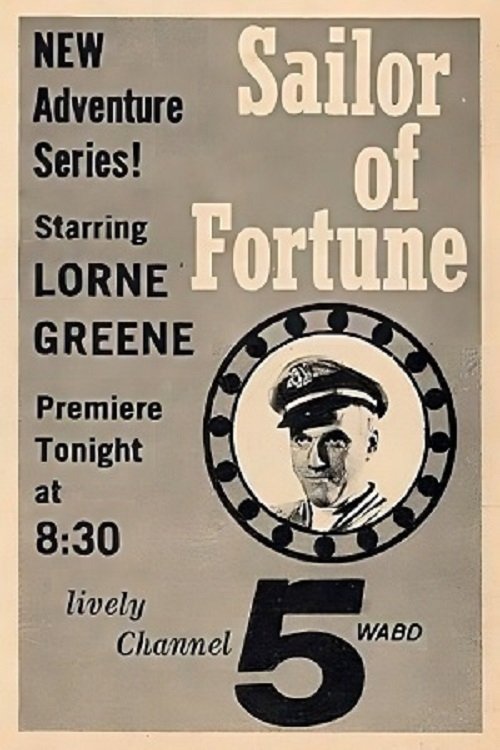
The adventures of privateer Captain Dan Tempest and his crew of former pirates as they make their way across the seven seas in The Sultana.
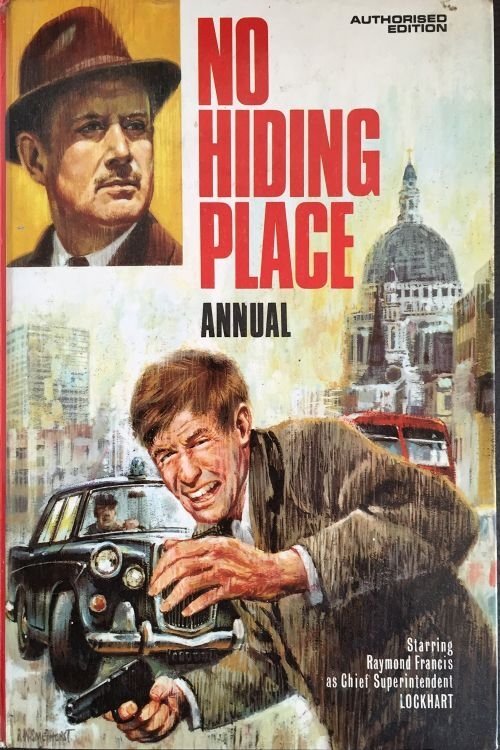
No Hiding Place is a British television series that was produced at Wembley Studios by Associated-Rediffusion for the ITV network between 16 September 1959 and 22 June 1967. It was the sequel to the series Murder Bag and Crime Sheet, all starring Raymond Francis as Detective Superintendent, later Detective Chief Superintendent Tom Lockhart.
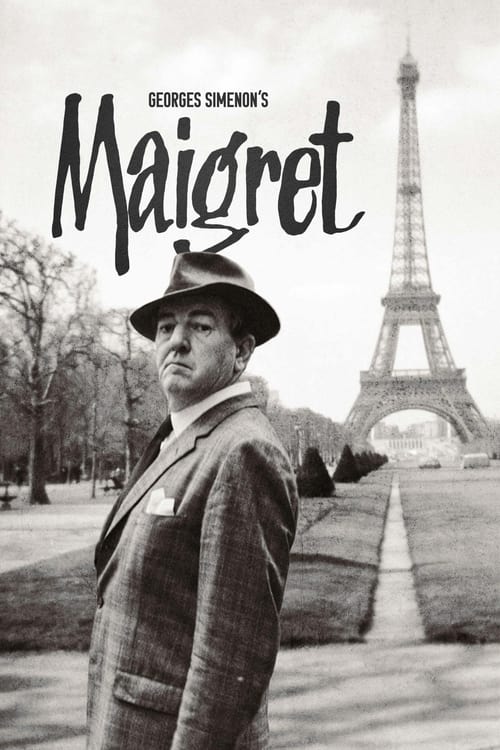
BBC series based on the novels by Georges Simenon which starred Rupert Davies as Inspector Maigret, a French police detective who preferred to watch and listen in order to solve crimes. The series ran from 1960-63 on British television.
BBC anthology drama series that ran over four seasons and replaced the previous BBC Sunday Night Theatre series.
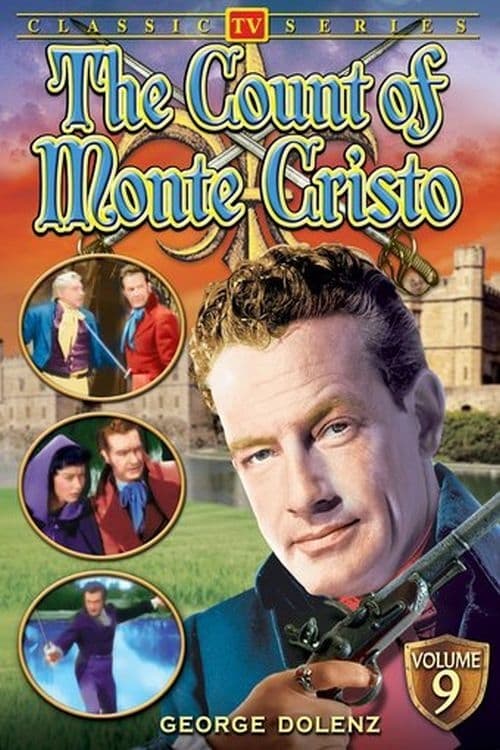
The Count of Monte Cristo was a 1956 ITC Entertainment/TPA television series adapted very loosely from the novel by Alexandre Dumas, adapted by Sidney Marshall. It premiered in the UK in early 1956 and ran for 39 thirty-minute episodes. The first twelve episodes were filmed in the United States, at the Hal Roach studios, with the rest being filmed at ITC's traditional home of Elstree. A 5-disc DVD set containing all thirty-nine episodes was released by Network Studio on 12 April 2010. ITC produced a film based on the same source-material, The Count of Monte-Cristo, in 1975.
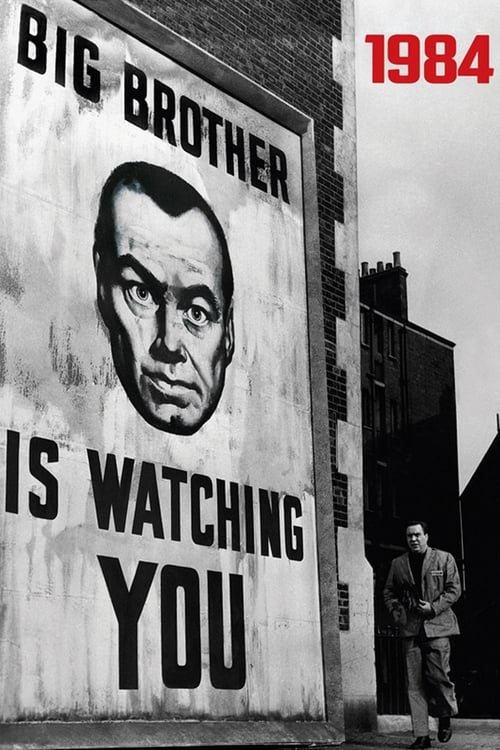
Sunday Night Theatre was a long-running series of televised live television plays screened by BBC Television from early 1950 until 1959. The productions for the first five years or so of the run were re-staged live the following Thursday, partly because of technical limitations in this era, and the theatrical basis of early television drama. Some of the earliest collaborations between Rudolph Cartier and Nigel Neale were produced for this series, including Arrow to the Heart and Nineteen Eighty-Four. The Sunday night drama slot was subsequently renamed The Sunday-Night Play which ran for four seasons between 1960 and 1963. ITV transmitted its own unrelated run of Sunday Night Theatre between 1971 and 1974.
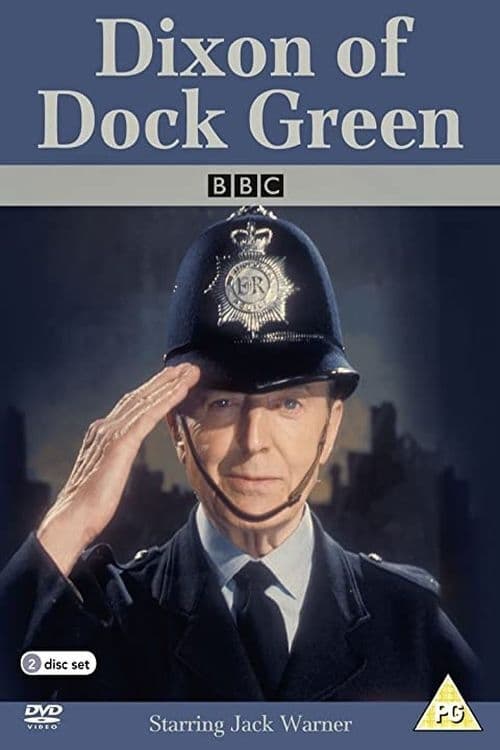
Dixon of Dock Green was a BBC television series following the activities of police officers at a fictional Metropolitan Police station in the East End of London from 1955 to 1976. Some episodes were later remade as a BBC radio series in 2005 and 2006.
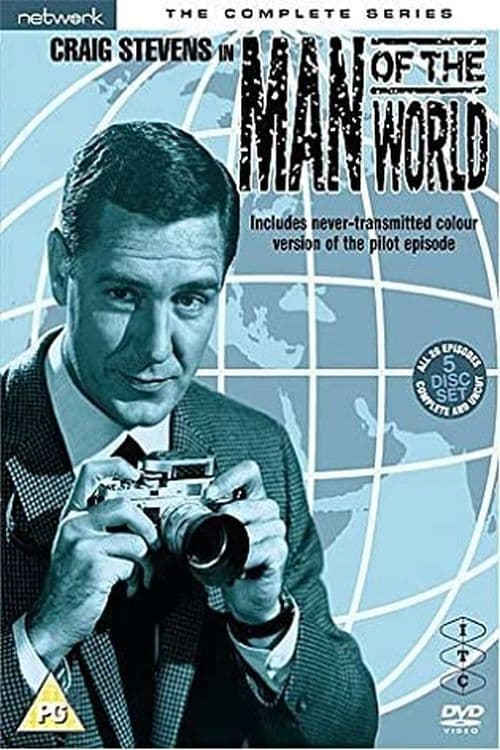
Michael Strait is a world-renowned photographer whose assignments lead him into investigating mysterious goings-on amongst the rich and glamorous and intrigue from far-flung places as Iraq, French Indochina, and Algiers.
A British television anthology series with a fantasy, science fiction and supernatural theme, similar to the American television series The Twilight Zone, and deals with normal people whose everyday situations somehow become extraordinary.
The series adapted for television some true tales from press correspondents from around the world.
A series of real trials from British history, famous and notorious, dramatised from the court records.
Resistance leader Omar Mukhtar opposes Italian colonization before World War II. The brutal guerrilla war against Italian General Rodolfo Graziani and the Fascist forces of Benito Mussolini highlights the struggle for Libyan independence and the harsh tactics utilised by the colonisers.
In sixth-century Mecca, Prophet Muhammad receives his first revelation from God as a messenger. Three years later, he's not alone in his quest and publicly declares his prophecy. Muhammad is fought by Abu Sufian and his wife Hind, rulers of Mecca. Muhammad's followers are hunted and tortured but he continues his calling.
The Revenue Men is a British television series, produced and transmitted by the BBC between 1967 and 1968. The series dealt with cases handled by the Investigation Branch of Customs and Excise such as the illegal import of goods, illegal immigration and business transactions amongst travellers. The Revenue Men was produced by Gerard Glaister. The series lasted for three series and 39 episodes in total. In spite of this fact, all of the episodes were later wiped, with no episodes extant in the BBC archives as of 2009.
When John Franklin crash-lands his Wellington bomber in occupied France at the height of the Second World War, he is concerned for the safety of his crew and worried about his own badly injured arm. His crew escapes, but the family of a mill owner risk their lives to hide Franklin in their home until he regains his health. During the following balmy summer months, the pilot's situation is further complicated by his feelings for Francoise, the daughter of the house, but as German patrols move in, his only chance of survival is to flee from France.
When a nobleman is threatened by a family curse on his newly inherited estate, detective Sherlock Holmes is hired to investigate.
The story of the conception of a new British weapon for smashing the German dams in the Ruhr industrial complex and the execution of the raid by 617 Squadron 'The Dam Busters'.