Babette Mangolte
Camera
Biography
Babette Mangolte is a French cinematographer, film director, and photographer who has lived and worked in the United States since 1970. She is best known for her work with film director Chantal Akerman.
Known For

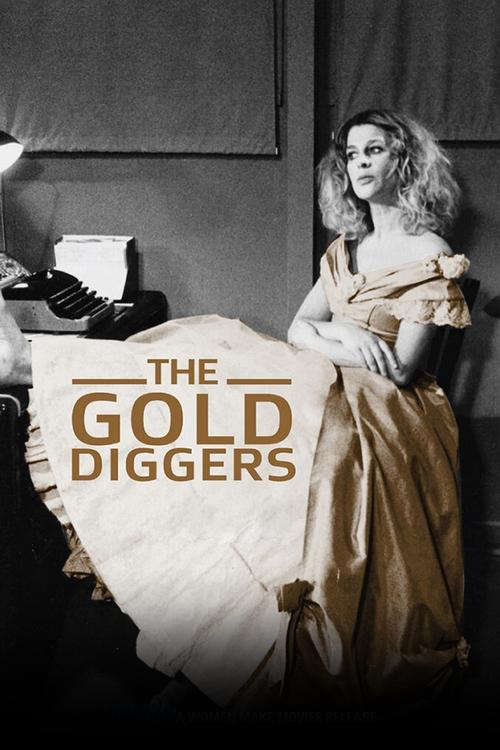
An avant-garde examination of the relationship between women and money in society. Mixing musical, silent melodrama, and philosophical treatise into a post-punk, heady brew.
The Gold Diggers

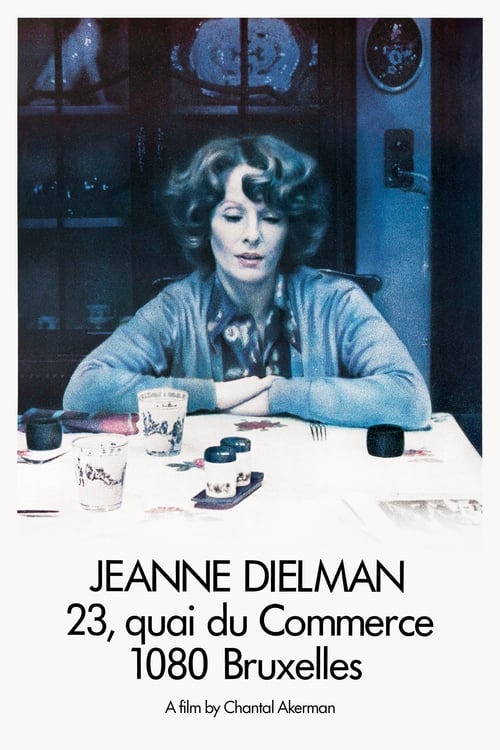
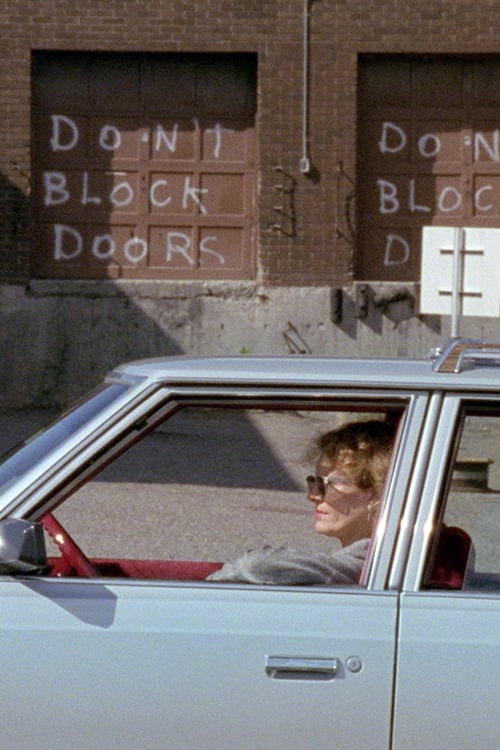
A lonely young widow lives with her son following an immutable order: while the boy is in school, she cares for their apartment, does chores, and receives clients in the afternoon.
Jeanne Dielman, 23, quai du Commerce, 1080 Bruxelles

Cinématon is a 156-hour long experimental film by French director Gérard Courant. It was the longest film ever released until 2011. Composed over 36 years from 1978 until 2006, it consists of a series of over 2,821 silent vignettes (cinématons), each 3 minutes and 25 seconds long, of various celebrities, artists, journalists and friends of the director, each doing whatever they want for the allotted time. Subjects of the film include directors Barbet Schroeder, Nagisa Oshima, Volker Schlöndorff, Ken Loach, Benjamin Cuq, Youssef Chahine, Wim Wenders, Joseph Losey, Jean-Luc Godard, Samuel Fuller and Terry Gilliam, chess grandmaster Joël Lautier, and actors Roberto Benigni, Stéphane Audran, Julie Delpy and Lesley Chatterley. Gilliam is featured eating a 100-franc note, while Fuller smokes a cigar. Courant's favourite subject was a 7-month-old baby. The film was screened in its then-entirety in Avignon in November 2009 and was screened in Redondo Beach, CA on April 9, 2010.
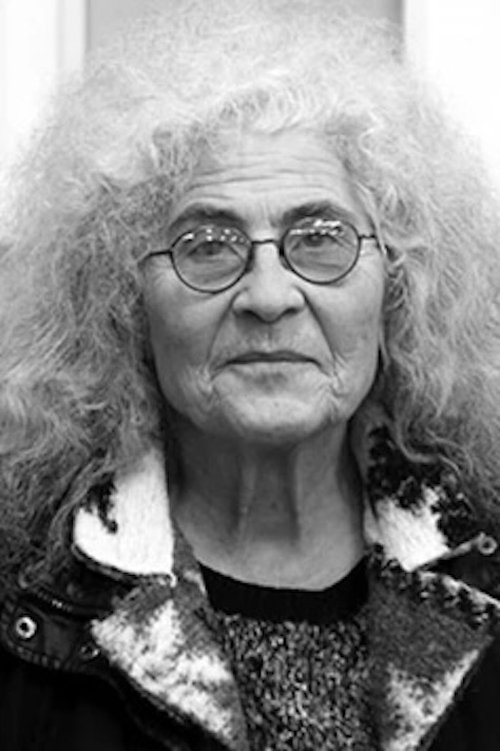
Cinématon

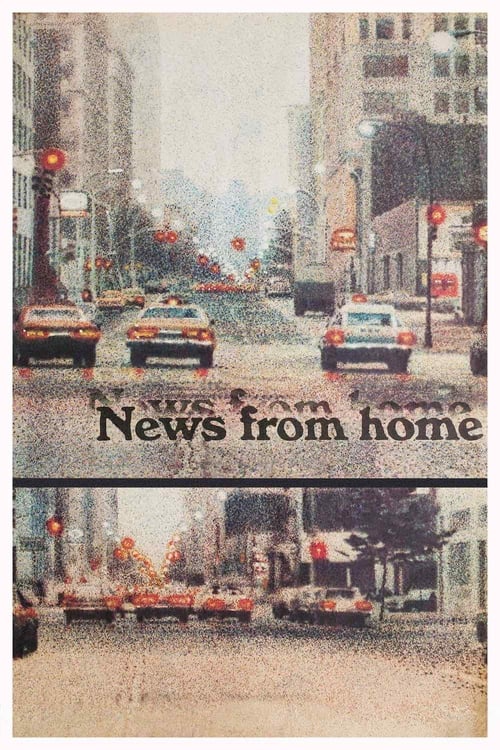
Impersonal and beautiful images of Akerman's life in New York are combined with letters from her loving but manipulative mother, read by Akerman herself.
News from Home

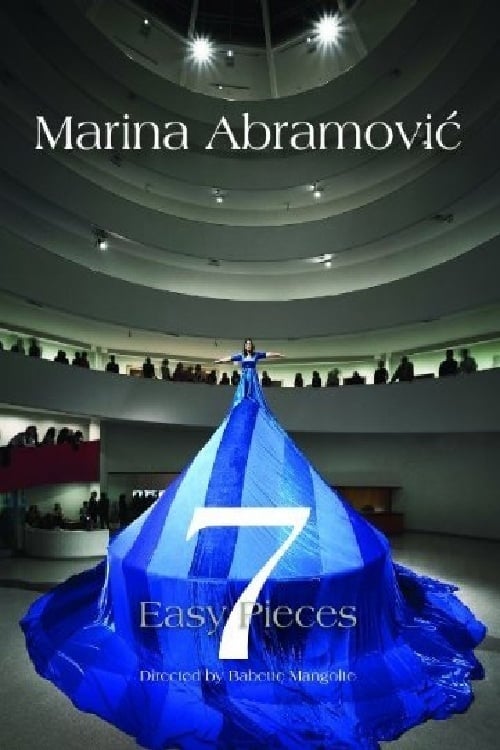
For Seven Easy Pieces Marina Abramovic reenacted five seminal performance works by her peers, dating from the 1960's and 70's, and two of her own, interpreting them as one would a musical score. The project confronted the fact that little documentation exists from this critical early period and one often has to rely upon testimony from witnesses or photographs that show only portions of any given performance. The seven works were performed for seven hours each, over the course of seven consecutive days, November 9 –15, 2005 at the Guggenheim Museum, in New York City. Seven Easy Pieces examines the possibilities of representing and preserving an art form that is, by nature, ephemeral.
Seven Easy Pieces

A comedy about New York and its eccentric inhabitants. A French filmmaker comes to New York to show her film at MOMA. Fascinated by the city, she decides to stay.
Hotel New York

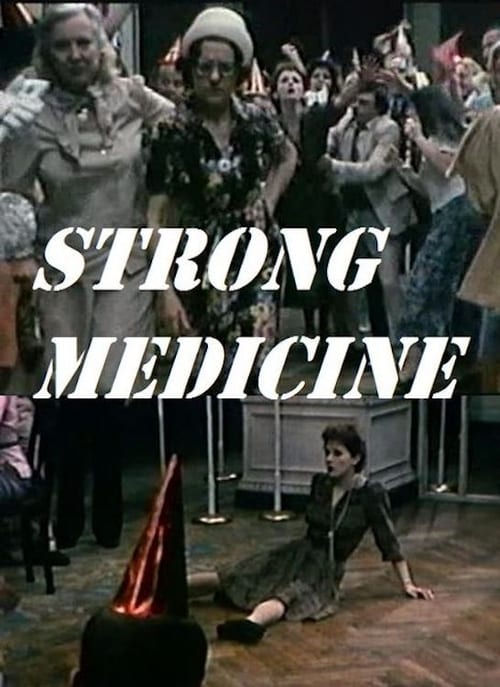
Adaptation of an avant-garde play about Rhoda, a hysterical heroine who feels oppressed by the people around her. She suffers through her birthday party, goes to see a doctor, plans a vacation, argues a lot and even breaks the fourth wall.
Strong Medicine

Various unrelated vignettes, often juxtaposing sound and image.
‘Rameau’s Nephew’ by Diderot (Thanx to Dennis Young) by Wilma Schoen

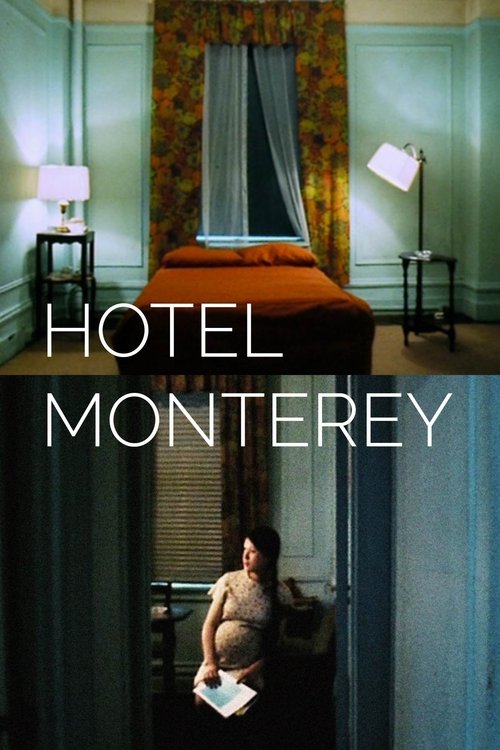
New York City's Monterey is a residence hotel, whose inhabitants are older and primarily live alone. The camera, usually stationery, observes the lobby. No score, the lobby is clean with granite floors, men wear hats, people enter and exit an elevator, the camera looks out from within the elevator as doors open and close. People sit alone and motionless in their apartments. There are long shots of empty halls. Paint peels. The flooring on upper levels is linoleum. Hall lights are florescent. Doors open a crack then close.
Hotel Monterey
A documentary that follows up on what happened to the three principle actors in Robert Bresson's "Pickpocket."
The Models of 'Pickpocket'

Jean-Pierre Gorin interacts with a club of model railroad train enthusiasts and his mentor, artist/writer Manny Farber.
Routine Pleasures

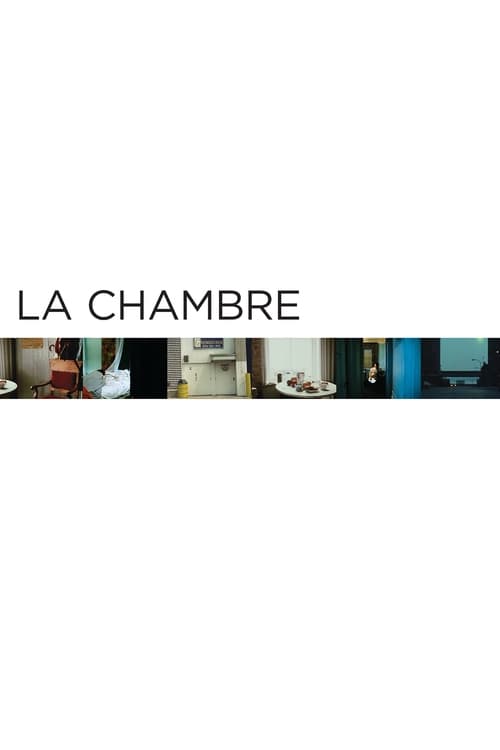
Furniture and clutter of one small apartment room become the subject of a moving still life—with Akerman herself staring back. This breakthrough formal experiment is Akerman's first film made in New York.
La chambre

Kristina, a self-named Hungarian female lion tamer, arrives in New York to become a dance choreographer. Kristina, now a middle-class NYC artist concerned about the environment, has a sailor lover named Raoul. The film, a collage work, an essay film, a fictional narrative and a documentary all rolled into one, is one of the most important independent American feminists films made during the 1970's.
Kristina Talking Pictures

An unfinished Chantal Akerman film about the troubled youths and drug addicts going through rehabilitation in Yonkers. Myra Alfreds, who commissions the film, accompanies Akerman and Mangolte on the film shoot in Yonkers, a city of nearly 200,000 inhabitants in New-York State, just north of the Bronx. The images show the big window of the storefront serving as a reception center for street youth. The young people participate in a variety of full-time activities and undertake to stop taking drugs.
Hanging Out Yonkers

Embodying Rainer’s aesthetic rigor and wit, the film combines fiction and documentary, script readings, dance snippets, still photos, and tableaux vivants to explore issues of power and gender that influence the emotional lives of her performers.
Lives of Performers
Autobiographical film about Loulou (Jackie Raynal) who seeks a job as an editor on Broadway, shares a loft in Soho and marries an entrepreneur.
New York Story

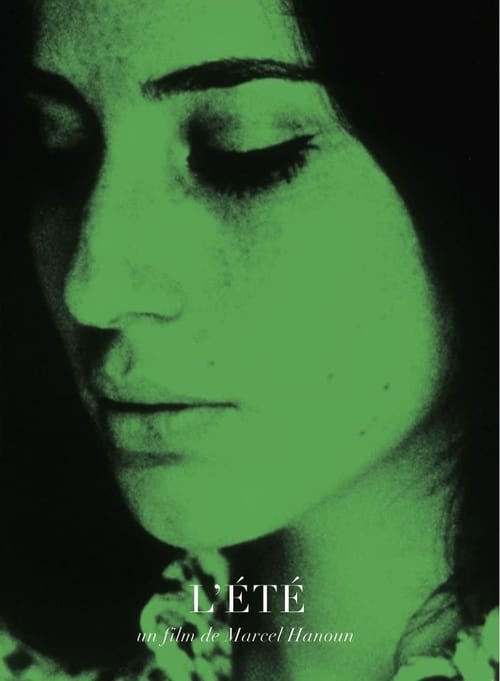
During the summer of 1968, a young French woman staying in an isolated country house reflects upon her involvement in the events of that May.
Summer

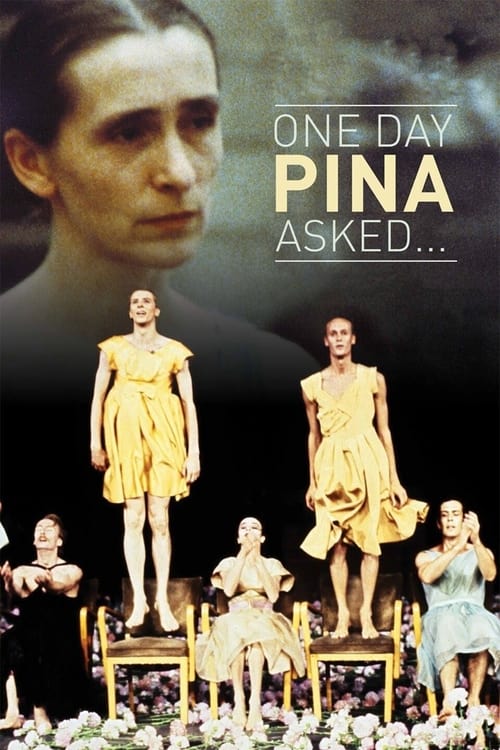
Chantal Akerman followed famous Choreographer Pina Bausch and her company of dancers, The Tanzteater Wuppertal, for five weeks while they were on tour in Germany, Italy and France. Her objective was to capture Pina Bausch's unparalleled art not only on stage by behind the scenes.
One Day Pina Asked...

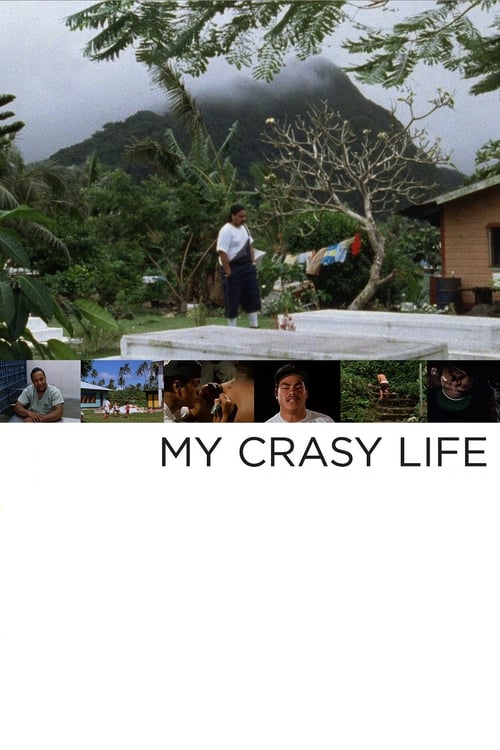
Jean-Pierre Gorin’s gripping and unique film about a Samoan street gang in Long Beach, California, is, like other works by the filmmaker, a probing look at a closed community with its own rules, rituals, and language. Part observational documentary, part fiction invisibly scripted and shaped by the director, My Crasy Life, which won a special jury prize at Sundance, is an enthralling and intensely focused contemplation of violence and dislocation.
My Crasy Life

The above narrative, by Simone Weil, the French philosopher and mystic, was written into her last notebook. The places filmed show where she lived and worked during that time. It was 1942-43.