Alberto Grifi
Directing
Biography
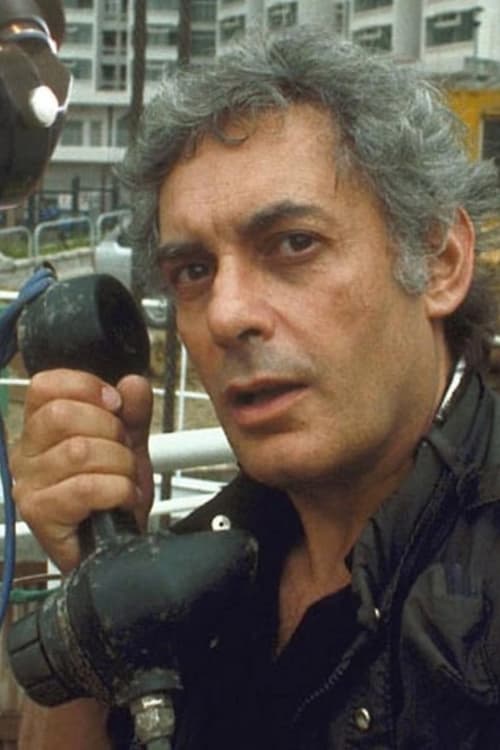
Alberto Grifi (Rome, 1938–2007), a painter, director, cameraman and photographer, is a fundamental figure of Italian experimental and activist cinema. In the first half of the 1960s he worked on the production of documentaries, and in 1964, together with Gianfranco Baruchello, he made La verifica incerta, followed by many other experimental films. With the cult film Anna 1975 he was one of the first to experiment with the use of videotape in an independent film. In 1976 – together with a group of ‘video hoodlums’ – he produced documentaries rarely screened today on youth protests in Milan, Bologna and Rome. Throughout the 1980s he shot industrial documentaries in the United States, Latin America, Africa, Australia and Southeast Asia. Grifi has also produced many radio programmes, published his writings on penitentiaries, contributed to various film magazines and held seminars in many squats, and universities, becoming a reference for future militant filmmakers.
Known For
Fuori Orario airs for the first time the 13 hours of footage from which Alberto Grifi and Massimo Sarchielli made Anna, plus other video material filmed during the same period. Anna's 'off-screen footage' allows us to take an even closer look at the characters and events that are the protagonists of this unique film.
Fuori campo di Anna

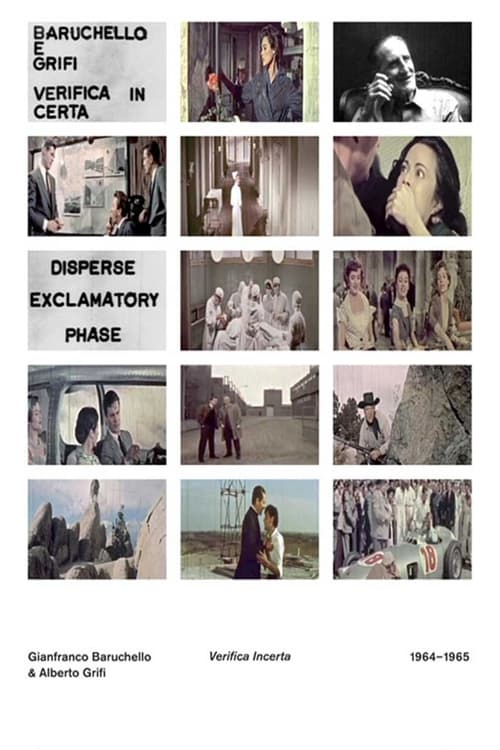
A short film containing a collection of clips from various Hollywood movies.
Uncertain Verification

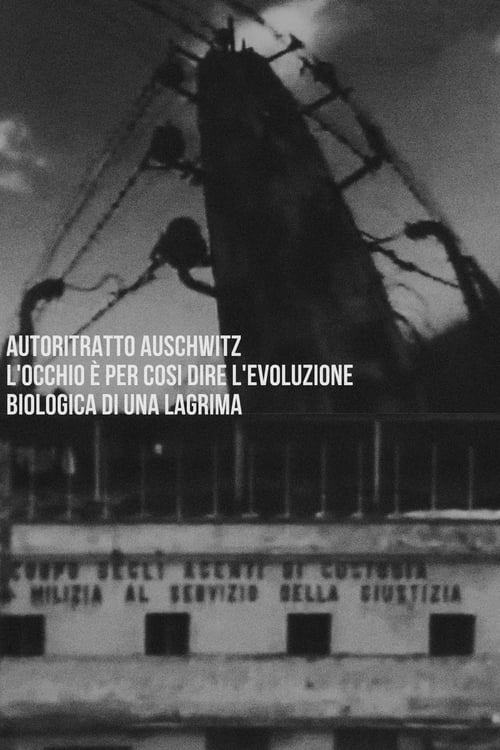
In the film we find some scrap of slow motion they see a Monica Vitti trying to cry, a meeting between Antonioni and Grifi, a film shot in the concentration camp of Auschwitz with a survivor who recounts those awful moments, a glimpse of Palestine today, Grifi's reflections on the prison.
Autoritratto Auschwitz. L'occhio è per così dire l'evoluzione biologica di una lagrima

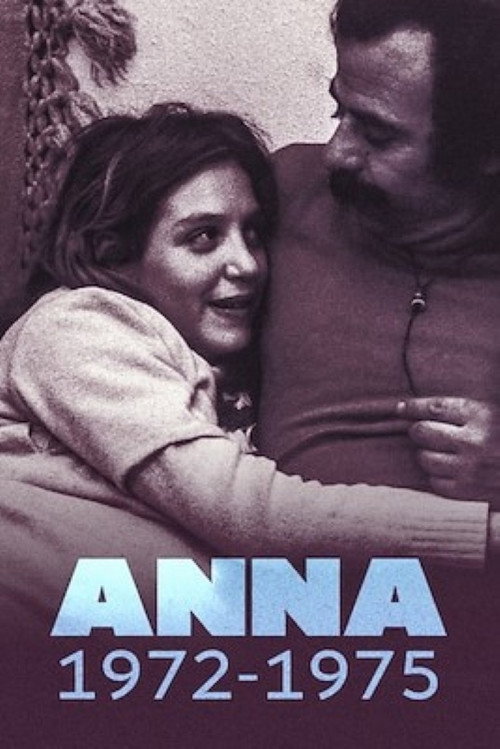
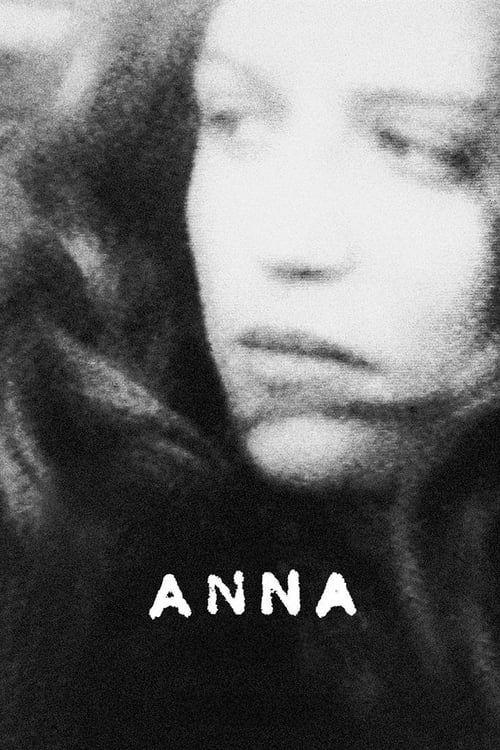
A documentary ostensibly about Anna, a young drug addict taken off the streets by one of the filmmakers. Through her they attempt to explore the social issues from their hippie perspective, instead they create a revealing, uncomfortable self-portrait and inadvertently raise questions about documentary film-making.
Anna

A film about painting and its denial concerning Giordano struggling with the Sleeping Beauty, this is the challenge. Will art, free of museums and academies be able to give back to the child raped and abandoned on the snow, the desire to go on living? Giordano, Prince Charming bearing butterfly catchers and rotating optical games, plods along sinking into the snow and… but revolutionary creativity is not the one that makes the bird in the cage sink: is it the reason why the imprisoned bird breaks the cage.
Il grande freddo

A happening that lasted 12 hours in the Feltrinelli bookshop in Rome. The soundtrack (background weaning) was put together by the crowd, recomposing, without listening to them, pieces of magnetic film that had been distributed around. There are almost all the painters, directors and actors of the Roman avant-garde.
No stop grammatica

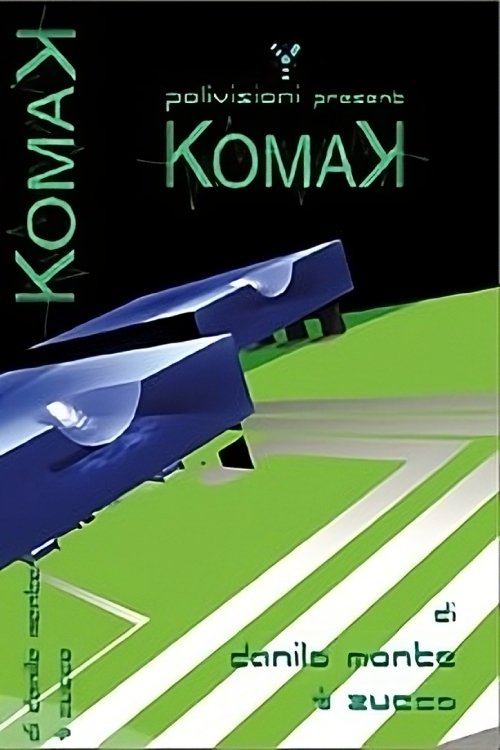
Alberto Grifi, an experimental filmmaker, becomes aware of the experiments conducted by Dr. Kanudo, who, following in the footsteps of T. Leary and A. Huxley, documents the effects of psychotropic substances on the human mind. In collaboration with engineer Norsen, Dr. Kanudo invents a machine capable of visualizing mental images. The scientist's goal is to document, in a mirrored manner, the mental experience under the influence of ketamine, a substance known for its hallucinogenic and dissociative effects. Dr. Kanudo agrees to have the experiment filmed. The filmmaker also takes on the task of finding two patients to take ketamine and attends a rave party, where he documents the use of the substance in such gatherings. Meanwhile, in the laboratory, everything is progressing well until an unexpected reaction from the second patient to the administration of the drug and a raid by the authorities threaten to derail the situation.
KomaK
After its premiere at the Berlinale Forum in February '75, Anna was also presented in Venice, the film was followed by a very well-participated debate, alongside Alberto Grifi there was Adriano Aprà, and among those present was Tatti Sanguineti, the author of a very articulate critical speech. The footage of this meeting is part of the 30 cassettes containing the video footage from which the film was edited, thanks to the work of Anna Maria Licciardello, the Cineteca Nazionale with the Fondazione Grifi and the La camera ottica laboratory in Gorizia.
Girati di Anna – Presentrazione a Venezia, settembre 1975

I Fuori Campo di Anna are approximately 30 tapes containing the video footage from which the film was edited, along with other video material shot during the same period. Thanks to the work of Annamaria Licciardello, the Cineteca Nazionale, the A.P.S. Grifi, and the La Camera Ottica lab in Gorizia, these hours of footage have been restored and made accessible.
Fuori Campo di Anna

In the distant future, a spaceship inhabited by a group of young descendants of a "subversive" minority who escaped the destruction of the Earth, recovers a capsule in which the hibernating body of a reactionary warmonger has been preserved, who after having caused war and death, it has abandoned the now unlivable Earth. The visual experimentation aimed at the liberation of the gaze is intertwined with psychedelic visions on the one hand and with the orgone theory of Reichian memory on the other.
Long Live The Orgonauts!

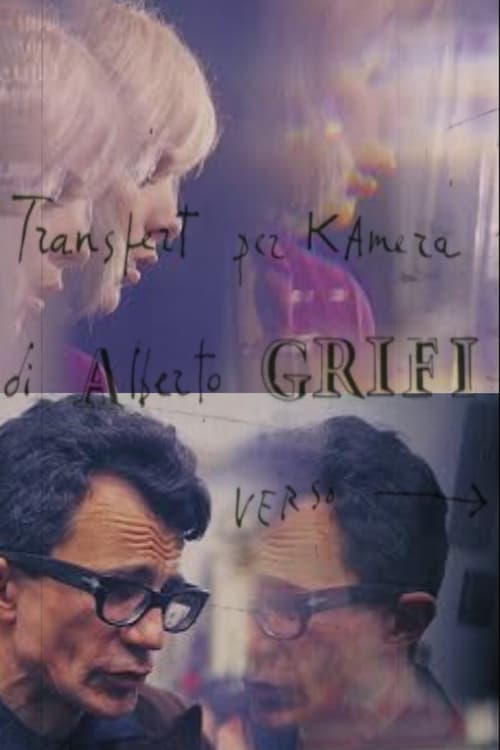
On a theatrical work by Aldo Braibanti, the special effects used in an attempt to construct a new visual grammar capable of describing "the new geography of boundless perceptions and imaginaries, the emergence of memories from the very distant phylogenetic past of our animal ancestors, a gift of psychotropic substances."
Transfert per Camera verso Virulentia
During his stay in Italy, Harlan accepted a commission from Rai and created a ruthless portrait of society through an archetypal setting. This film, set in a Roman school and filmed inside a classroom during a lesson, is a ruthless portrait of students and Italian society after the end of the protest movements of previous years.
Ultimo giorno di scuola
Lost film. "I have absolutely no memory of what happens in the film." ―Alberto Grifi
Cyril (una cosa urgente)
No description available.
Giravolte

No description available.
Viaggio a Cagliari
No description available.
Liberty

Shot by Alberto Grifi at the Parco Lambro Juvenile Proletariat Festival between 26 and 29 June 1976. Grifi, together with Franco Berbero and a young Claudio Caligari, filmed 25 hours on video and 3 hours on film which never made it to the final cut of a report for which he had been called by the organizers, the editorial staff of the magazine 'Re Nudo'.
Parco Lambro Juvenile Proletariat Festival (Rushes)

Between June 26 and 29, 1976, the sixth edition of the Festival of the Juvenile Proletariat took place at Parco Lambro in Milan, an event conceived by the countercultural magazine Re Nudo. The organizers invited Alberto Grifi to film those days filled with meetings, debates, and concerts, but not everything went as planned. This is the 58-minute version (from 27 hours of footage) edited by Grifi himself after the event.
Il Festival del Proletariato Giovanile al Parco Lambro

A prison escape gone wrong. A man and a woman meet in an apocalyptic scenario, in the midst of an obscurantist wave of repression of consciences.
Vigilando reprimere

Michele, a political prisoner, witnesses the violence and fury of guards against a drug addicted prisoner.