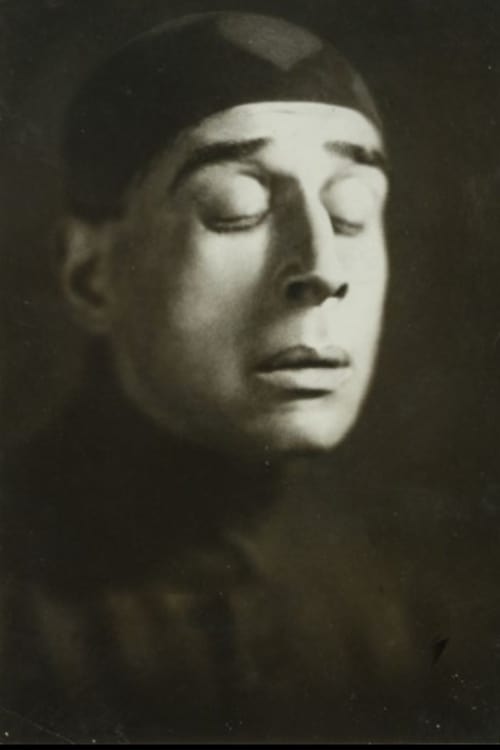
Lamberto Picasso
Acting
Known For
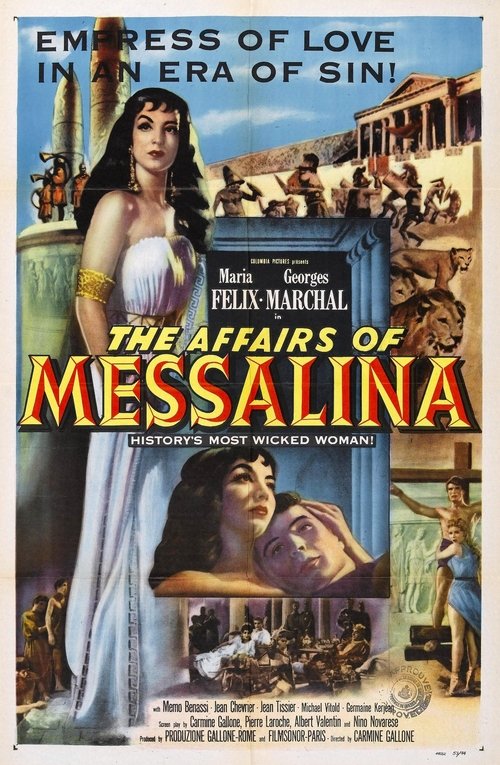
A story, set in Rome of 44 A.D., concerning the amorous and political intrigues of the evil Empress Messalina, the wife of the Roman Emperor Claudius, and her eventual hounding to death.
The Affairs of Messalina
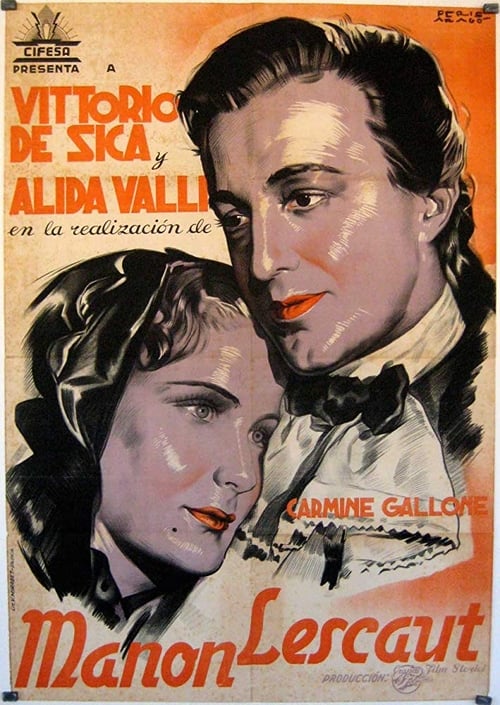
Manon escapes with the young nobleman Des Grieux, then becomes a high-class courtesan and finally forced to exile to America.
Manon Lescaut
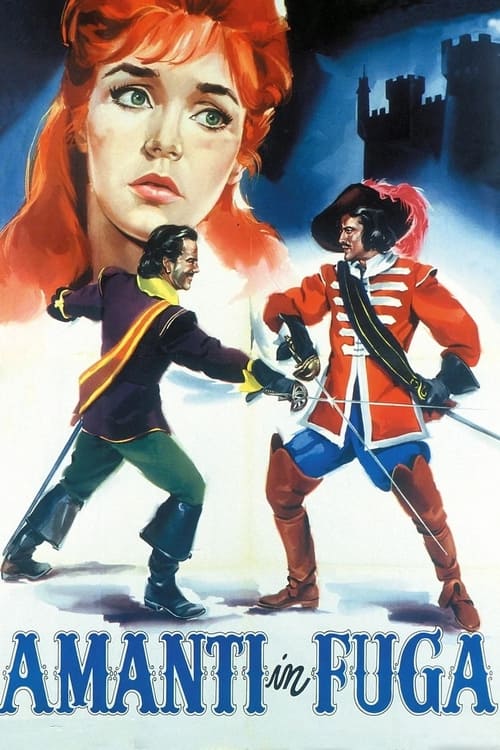
After an astrologer has foretold him he will die at an early age if he does not avoid a romantic entanglement, Alessandro Stradella, a well-known composer decides to leave Rome for the North of Italy. Written by Guy Bellinger
The Lovers
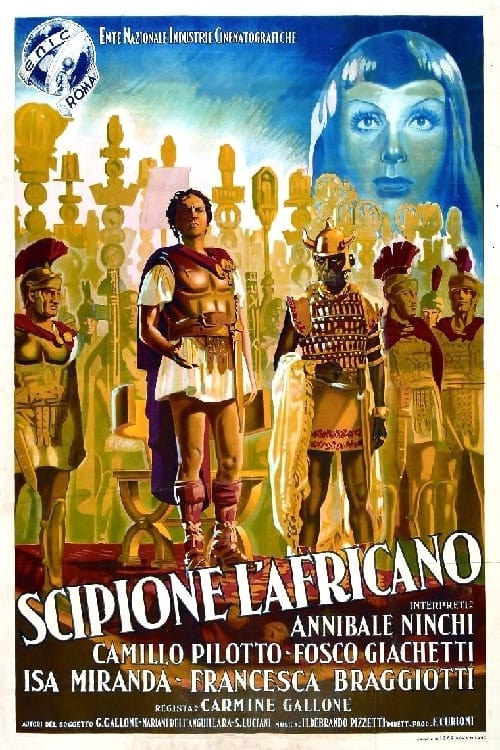
A story of the Second Punic Wars, beginning with Scipio's futile pleas to the Roman Senate to build an army to battle Hannibal, that climaxes with the battle of Zama.
Scipio Africanus: The Defeat of Hannibal
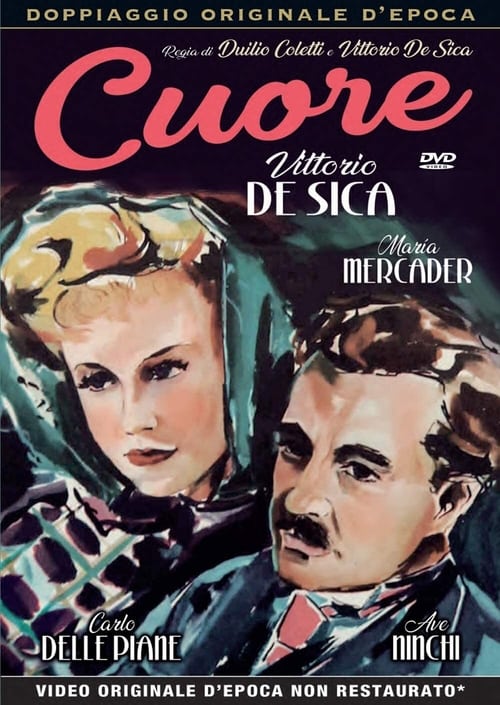
A young student of an upper-class background who is surrounded by classmates that are of working-class backgrounds, after a novel in diary format by Enrico Bottini.
Heart
No description available.
Jeanne Doré
A scientist combines two brains during an operation to create one perfect mind.
Stasera sciopero
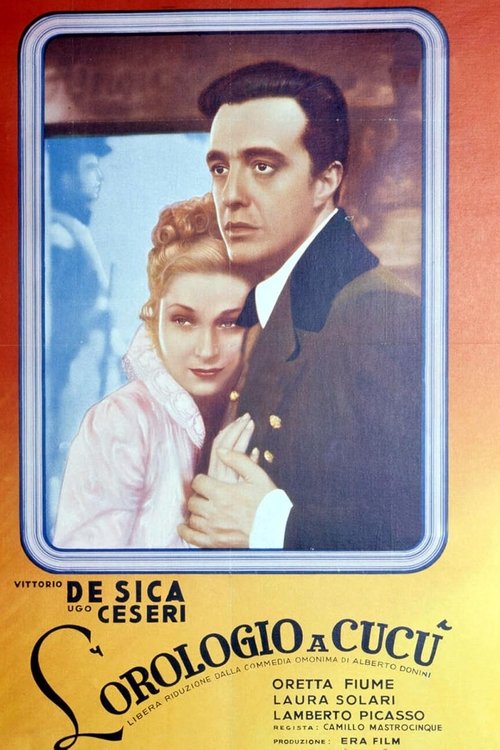
The rich banker Rosen of Livorno fear that the Bonapartist will take all his gold, so he is hiding it inside a cuckoo clock.
The Cuckoo Clock
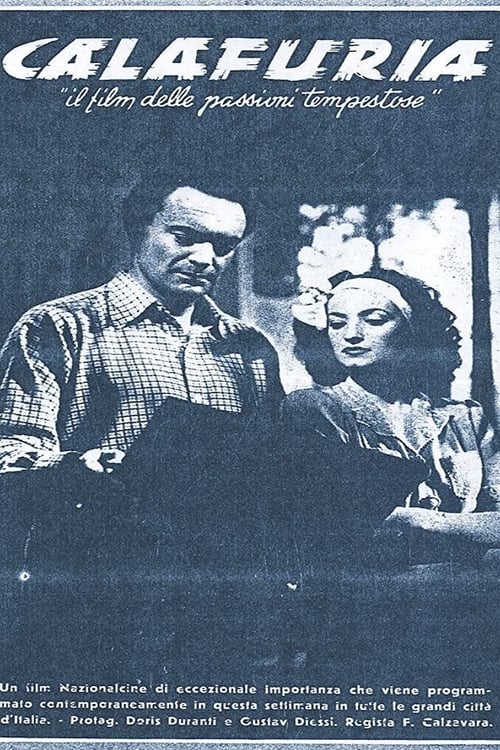
No description available.
Calafuria
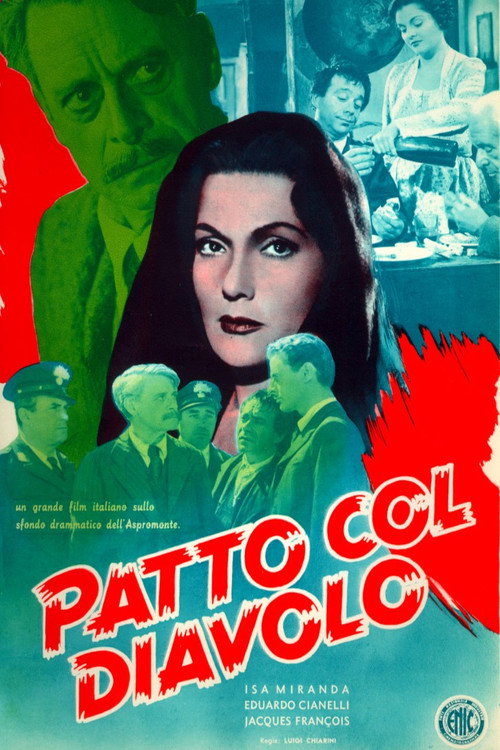
The title of this Italian melodrama translates to Pact with the Devil. However, His Satanic Majesty does not appear in the film. Rather, this expensively produced period piece is more along the lines of Romeo and Juliet, with young love threatened by warring families. In his first Italian film, Hollywood veteran Eduardo Cianelli goes through his usual villainous paces as the scheming father of the male lead (Jacques Francois). The most fascinating performance is rendered by Umberto Spadaro, as the village idiot, or is he? Patto col Diavolo makes the most of the visual dynamics of Italy's mountainous Calabrian region.
Pact with the Devil
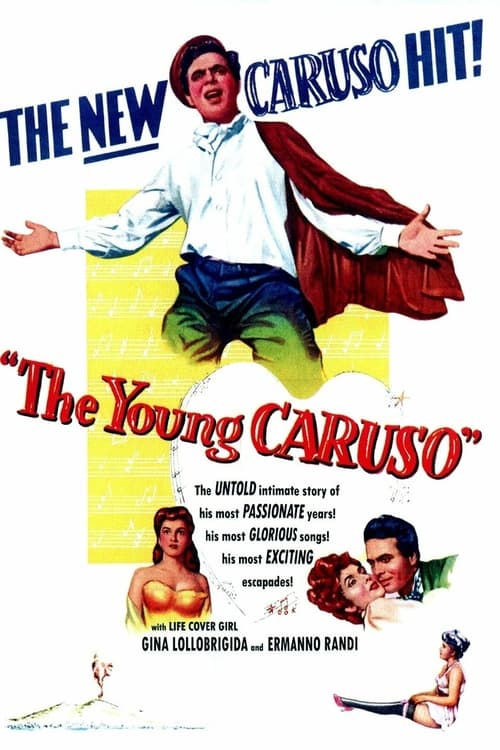
This music filled biopic follows the life of the legendary tenor Enrico Caruso from childhood poverty in Naples to the beginning of his rise to fame.
The Young Caruso
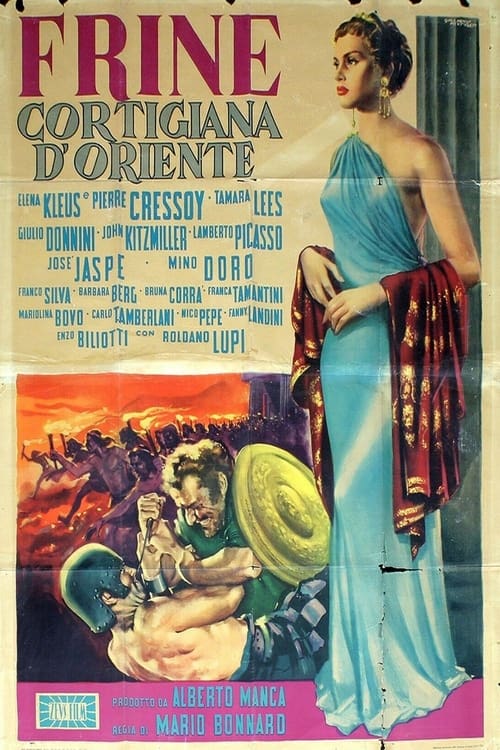
No description available.
Frine cortigiana d'Oriente
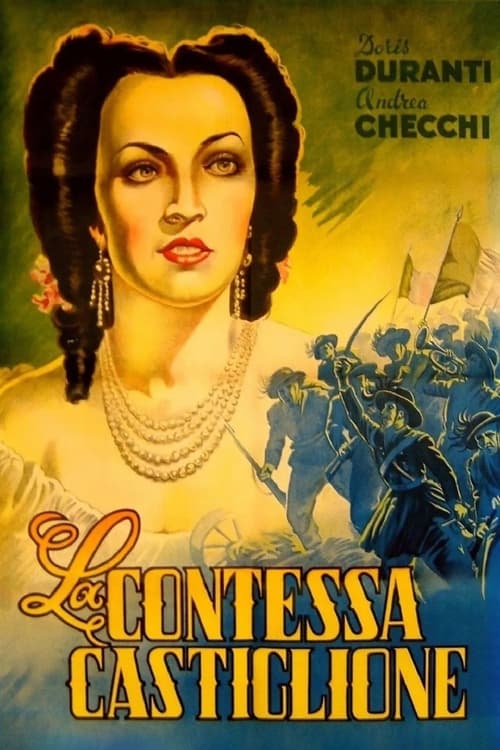
No description available.
La contessa Castiglione
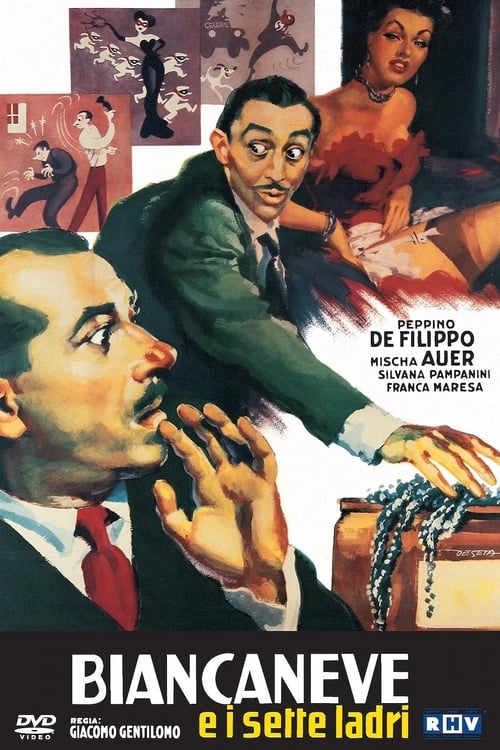
A bizarre mechanic tells a traveler the story of a bank employee, Peppino Biancaneve, who with the help of a disc is trying to put together the words he would like to use to ask for the hand of the daughter of the jeweler Carlo Casertoni, but while he mulls over the sentences he should pronounce to his future father-in-law he comes across a strange individual who could be a bringer of bad luck: a jettatore.
Snow White and the Seven Thieves
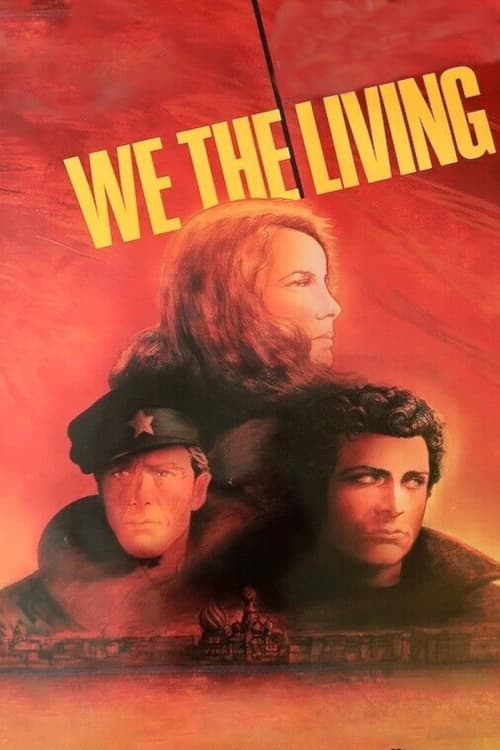
After having been captured in a Crimea during a failed attempt to flee overseas, Leo returns in Petersburg for Kira.
We the Living, Part Two
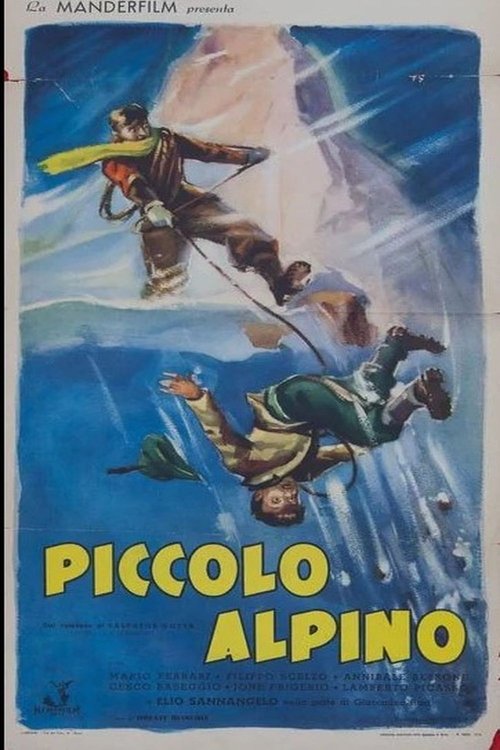
No description available.
Piccolo alpino
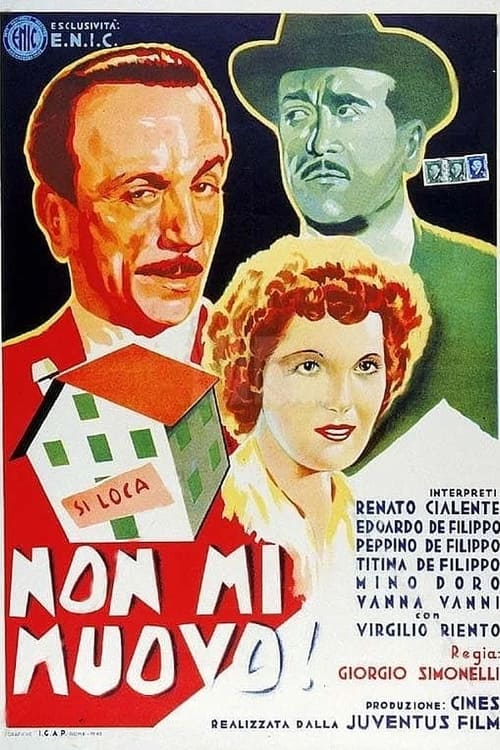
Former batsman Carlo Mezzetti, who has been left homeless with his daughter Annuccia, takes advantage of favorable situations and legal loopholes to find temporary accommodation, illegally occupying vacant houses.
I Do Not Move
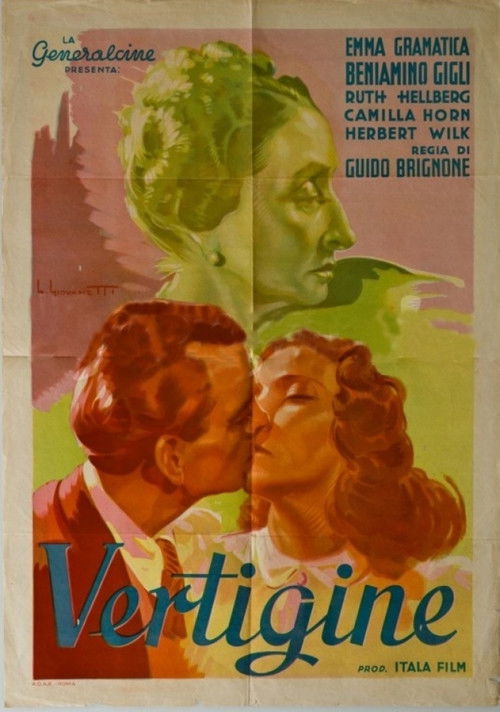
The well off daughter of a tenor breaks up a romance with a helpful youth from a misunderstanding. But she continues to cover him with his gambling debts despite her delicate health.
Broken Love
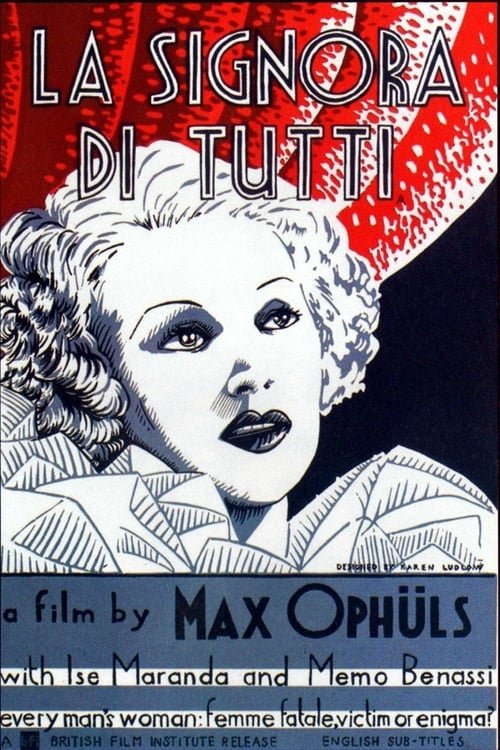
Gaby is expelled from school after a married teacher commits suicide after telling her he can't live without her. Though she has done nothing, she is punished for his act.
Everybody's Woman
No description available.