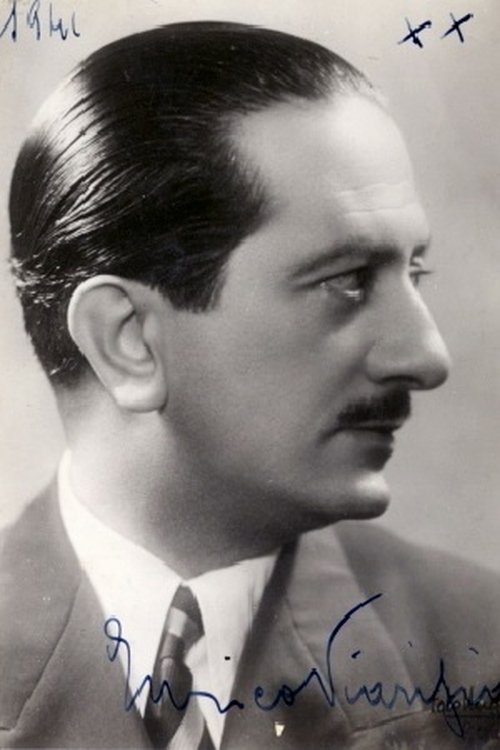
Enrico Guazzoni
Directing
Known For
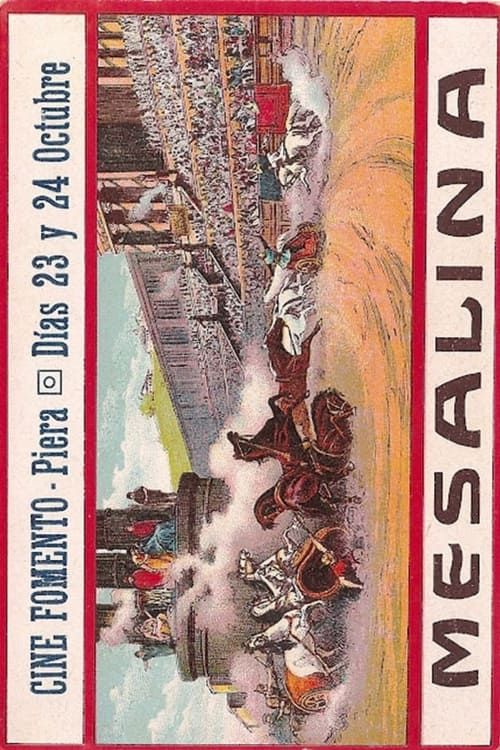
In ancient Rome, tyrannical Emperor Caligula is assassinated through the machinations of Messalina. She then makes a conquest of Marcus, who forces the Senate to name her husband, Claudius, as emperor. Messalina's wicked ways continue when she falls in love with Ennio, a slave. Ennio is also loved by Egyptian princess Mirit, but he loves neither of them, preferring the company of Ela, a Greek slave.
Messalina
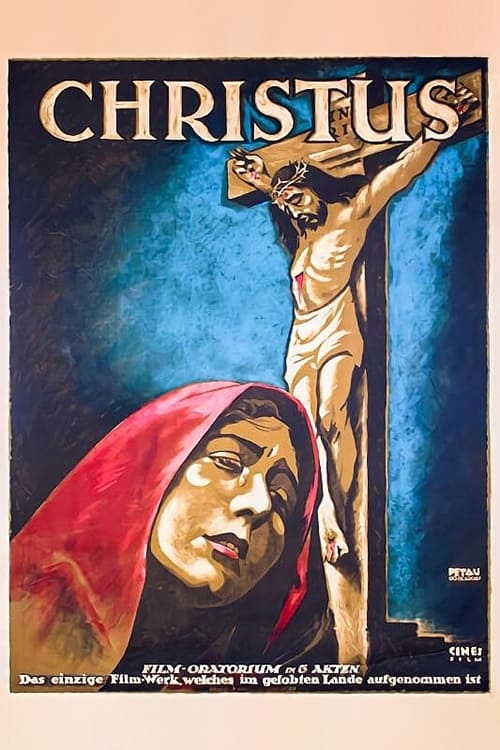
Antamoro's CHRISTUS, epic in scale and ambition, and featuring decidedly otherworldly special effects, was released in 1916. Telling the story of the Life of Christ, the film is divided into three segments-- three Mysteries. The first of these includes the Birth of Jesus, the arrival of the Magi, Herod and the slaughter of the innocents, the flight into Egypt. The second Mystery features the expulsion of the merchants from the Temple, Mary Magdalene's conversion and Christ's entry into Jerusalem. The third Mystery is itself divided into three separate parts, which are The Passion, The Death and The Resurrection.
Christus
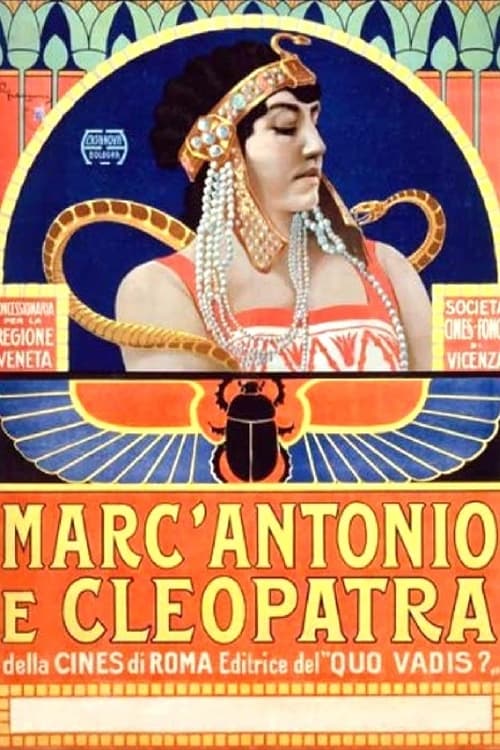
Based loosely on Shakespeare's play, Plutarch's "Life of Antony", and Pietro Cossa's dramatic poem, "Cleopatra", this movie was spectacular for its time. It offers location shots made in Italy and Egypt, large crowd scenes (e.g., the Roman army embarking in Alexandria), lots of emotional drama (Marc Antony & Cleopatra, his wife Octavia, sister of Antony's rival Octavian, unhistorically coming to Alexandria to beg him to return to her, and some mean, mean looks exchanged between Octavia and Cleopatra.
Marc Antony and Cleopatra
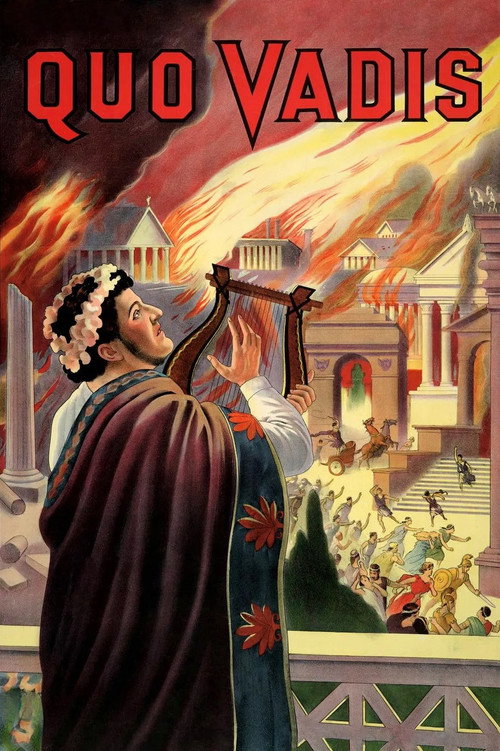
During the latter years of the reign of the tyrannical Roman emperor Nero, Marcus Vinicius, one of Nero's officers, falls in love with a young Christian named Lygia, attempting to enslave her. Lygia's protector, the noble and burly Ursus, works to save her from Vinicius' clutches. Pursuing Lygia, Vinicius finds himself at a catacomb prayer meeting led by the apostle Peter and finds his conscience stirring-- just as Nero orders Rome burned. A landmark in epic film, Enrico Guazzoni’s grand-scale masterpiece laid the foundations for what colossal Italian spectacles would become. The film had tremendous influence on Giovanni Pastrone’s Cabiria (1914) and D.W. Griffith’s Intolerance (1916).
Quo Vadis?
Two siblings lose their parents amidst turmoil in revolutionary France and are adopted by a peasant family. Once grown up, the older brother enlists in the Napoleonic Wars.
For Napoleon and France
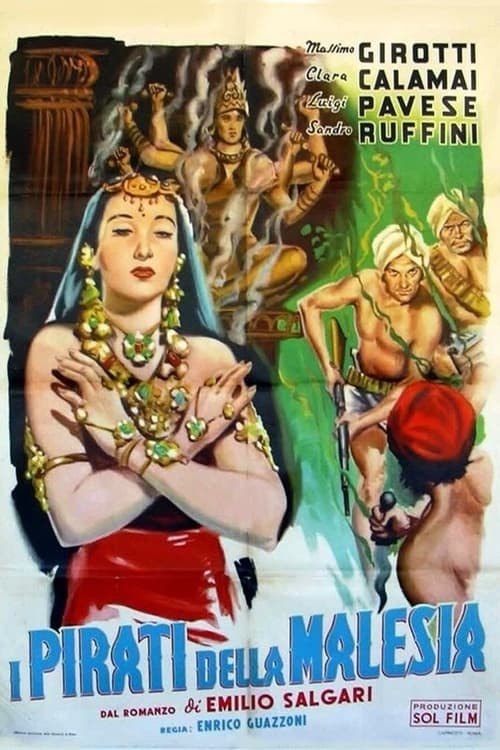
No description available.
I pirati della Malesia
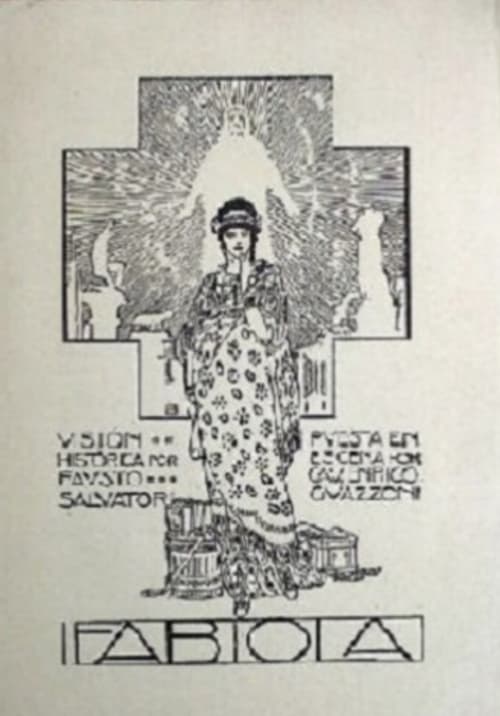
In "Fabiola" (1918) Herr Guarzzoni moved from the earliest days of Christianity when the new faith was struggling to just survive to a later period in the Roman Empire when the religion was a major force and attempting to win over Rome.
Fabiola
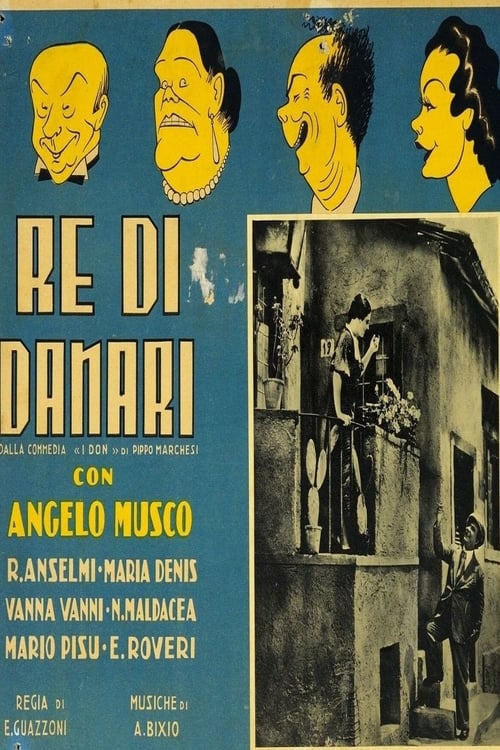
No description available.
Re di danari
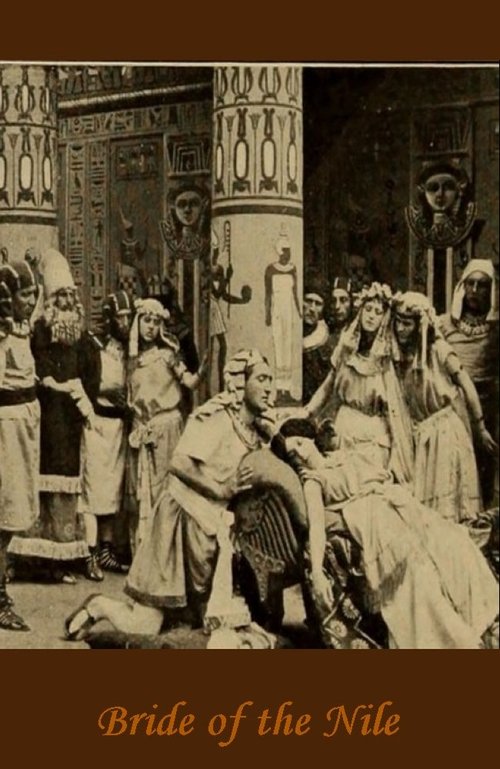
La Sposa del Nilo (1911) was a proto-epic, where you could sense the Italian filmmakers (Enrico Guazzoni in this case) gearing up to the gigantic imaginings of Cabiria and Quo Vadis just a few years on. The film wanted to impress you with its stateliness and scale; at time the central action (a young virgin is drowned to appease Isis and ensure that the Nile floods) became lost in the crowded frame – but that just reminded you that early cinema audiences look that much more intently at what was going on, and picked up on details that our lazier eyes sometimes miss.
La sposa del Nilo
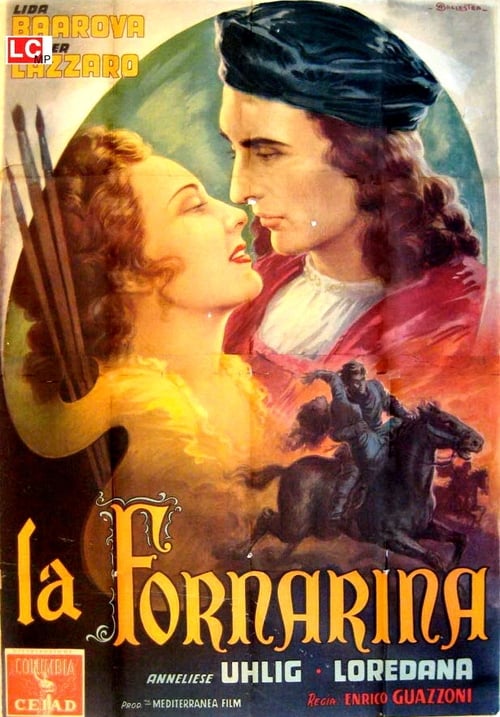
During Italian renaissance, young painter Raffaello Sanzio falls in love with Margherita, a maiden of the people, becomes her lover and lives with her. But this relationship arouses the jealousy of a beautiful aristocrat who secretly orders the kidnapping of the girl. Raffaello falls into a state of prostration and does everything he can to find Margherita...
La fornarina

No description available.
Il dottor Antonio
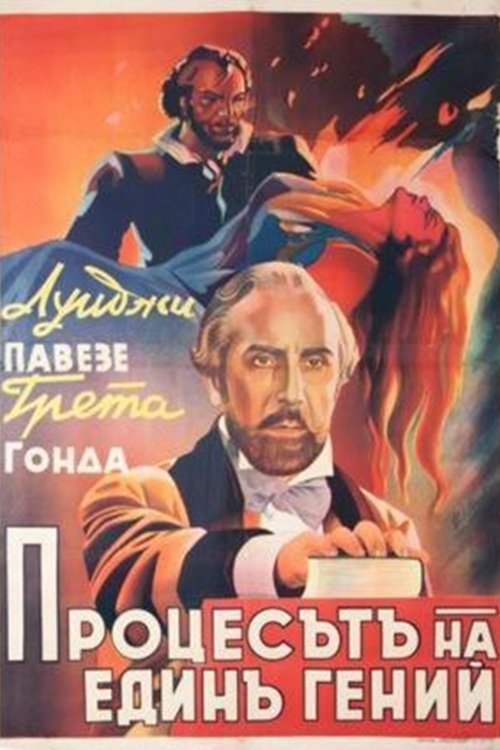
No description available.
Antonio Meucci
A colossal epic film like this that tries to depict the life and glory of Julius Caesar, must have a variety of scenery appropriate to the film's hero. This includes the Senate and its conspirators..or .. strange places beyond Rome full of barbarians that must fall under the Rome yoke. Let's not forget the sequences depicting the masses mentioned before.. or.. the human side of Caesar and his troublesome relationship with his son Brutus.
Cajus Julius Caesar
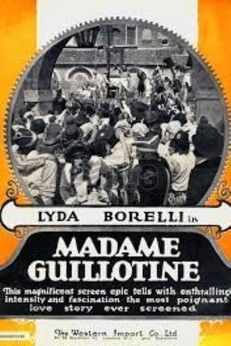
19th century Sardou period melodrama turned into a vehicle for diva star Lyda Borelli: an aristocratic French lady leaves her unfaithful husband and becomes involved with a member of Robespierre's revolutionary regime.
Madame Guillotine
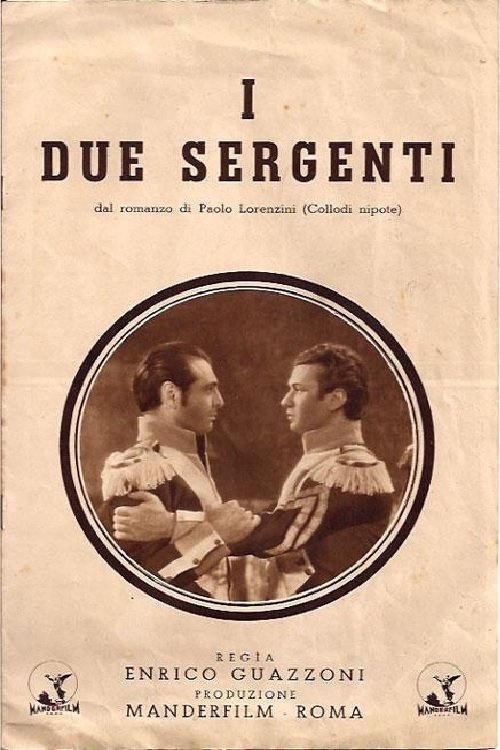
Attempting to cover the fault of one of his subordinates, an officer of the Napoleonic army is condemned to death for treason.
The Two Sergeants
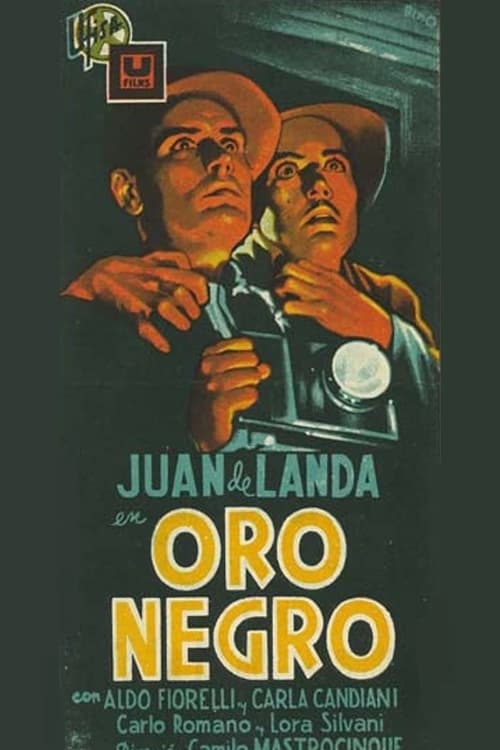
No description available.
Oro nero
In "Agrippina" (1910), Guazzoni recreates the particular and troublesome relationship between Agrippina, the second wife of the Emperor Claudius, and her son Nero.
Agrippina

A silent adaptation of the later parts of Sir Walter Scott's novel "The Talisman": During King Richard’s illness, his sworn enemy the Duke of Monserrat steals the English flag from the crusader camp. To avenge the insult, Richard decrees that Monserrat must engage in mortal combat with Sir Kenneth, the king’s favorite knight.
Richard the Lion-Hearted
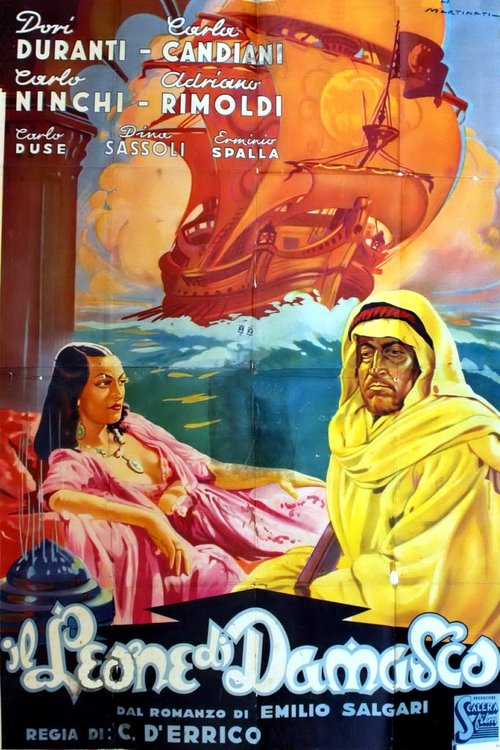
No description available.
Il leone di Damasco
No description available.