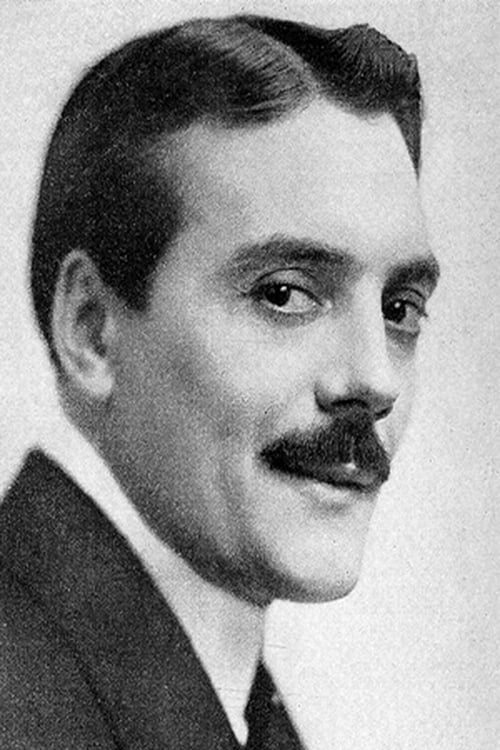
Max Linder
Acting
Biography
Although all too frequently neglected by fans of silent comedy, Max Linder is in many ways as important a figure as Charles Chaplin, Buster Keaton, or Harold Lloyd, not least because he predated (and influenced) them all by several years, and was largely responsible for the creation of the classic style of silent slapstick comedy. He started out as an actor in the French theatre, but after making his screen debut in 1905 he quickly became an enormously famous and successful film comedian on both sides of the Atlantic, thanks to his character "Max", a top-hatted dandy. By 1912, he was the highest-paid film star in the world, with an unprecedented salary of one million francs. He began to direct films in 1911 and showed equal facility behind the camera, but his career suffered an almost terminal blow when he was called up to fight in World War I. He was gassed, and the illness that resulted would blight his career. Although offered a contract in America, recurring ill-health meant that his US films had little of the sparkle of his early French work, and a brief attempt to revive his career by making films for the recently-formed United Artists (one of whose founders, of course, was Chaplin) in the early 1920s came to little, although these later films are now regarded as classics. He returned to France and killed himself in a suicide pact with his wife in 1925.
Known For
Produced for television by Claude-Jean Philippe, the « Encyclopédie audiovisuelle du cinéma », recounts the history of French cinema from its birth to the beginning of the 1960s. With commentary read by Jean Rochefort.
Encyclopédie audiovisuelle du cinéma

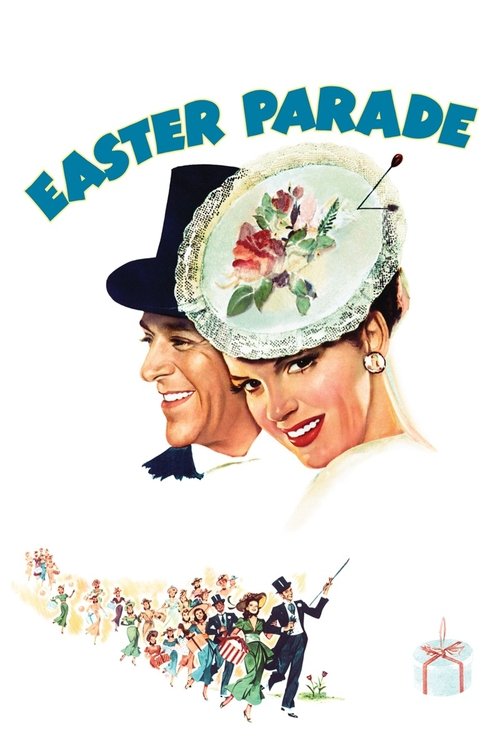
On the day before Easter in 1911, Don Hewes is crushed when his dancing partner (and object of affection) Nadine Hale refuses to start a new contract with him. To prove Nadine's not important to him, Don acquires innocent new protege Hannah Brown, vowing to make her a star in time for next year's Easter parade.
Easter Parade

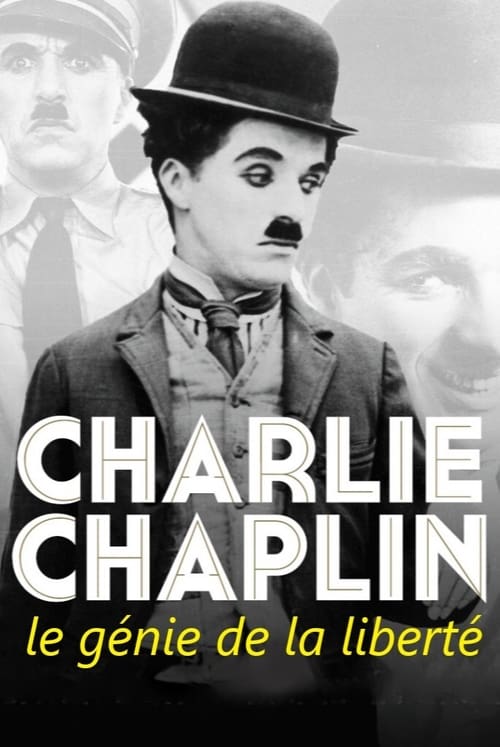
The whole world knows him. Burlesque comedy genius, popular actor, author, director, producer, composer, choreographer, Charlie Chaplin (1889-1977) used his talent to serve an ideal of justice and freedom. But his best scenario was his own destiny, a story written into the political and artistic history of the 20th century.
Charlie Chaplin, The Genius of Liberty

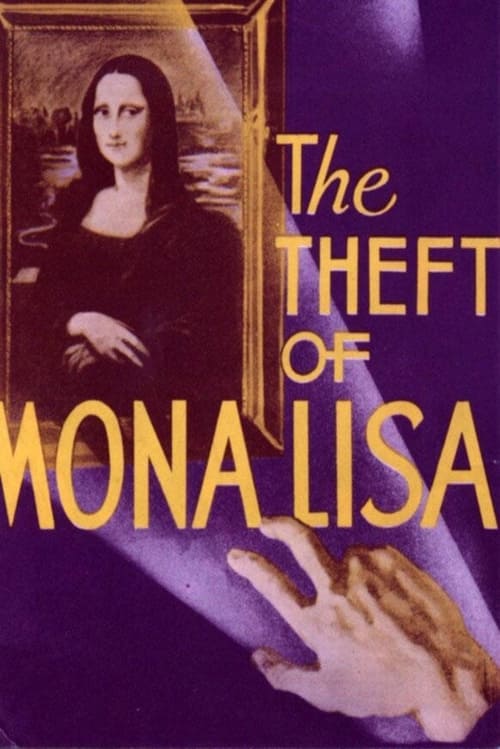
A painter working at the Louvre is struck by the Mona Lisa. When he meets a girl whom he believes bears a resemblance to the painting, and who wants him to become famous, he comes up with the idea of stealing the painting. Based on the real-life theft of 1911.
The Theft of the Mona Lisa

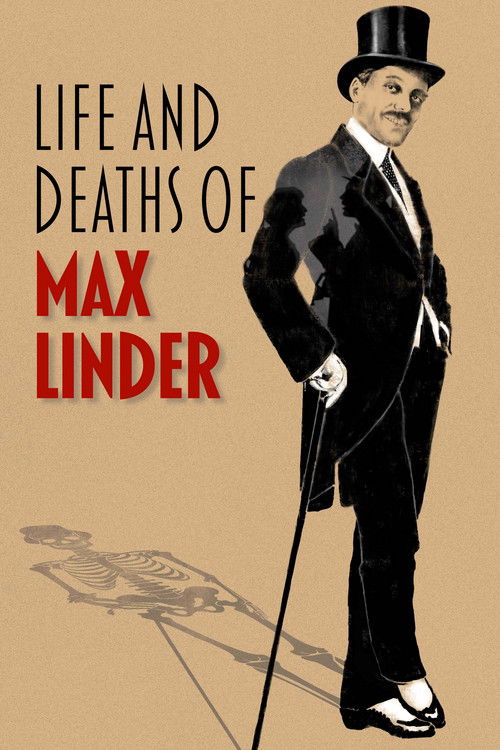
An exploration of the dazzling rise and mysterious downfall of French actor and filmmaker Max Linder (1883-1925), the world’s first international film star and mentor to British actor and filmmaker Charlie Chaplin.
Life and Deaths of Max Linder

Max and his young bride attempt to enjoy an Alpine honeymoon, despite the presence of her mother.
Max and His Mother-in-Law

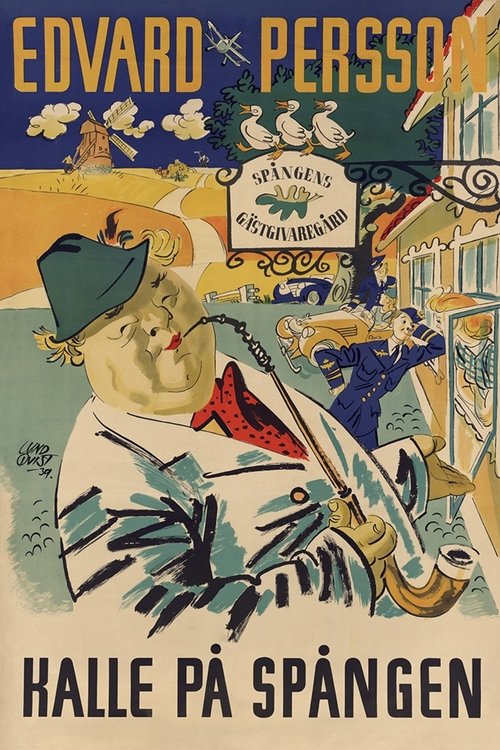
Kalle Jeppson is the joyful owner of a rural inn, "Spången" (The Footbridge). His only problems are all the bylaws that makes it difficult to have a quiet drink and the shrew of his wife who is always nagging on him. Kalle is afraid to tell her that Karin the maid is really his daughter from the days before their marriage.
Charlie the Innkeeper

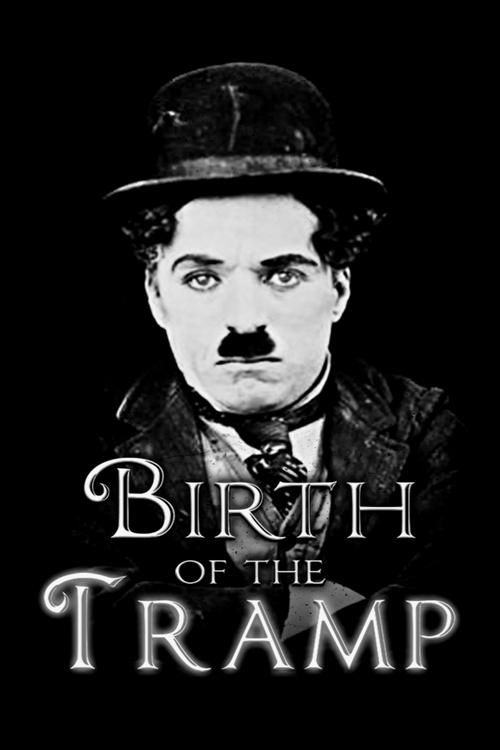
A look back at Charlie Chaplin's early life and career, from his rough childhood and music hall success in England to his early Hollywood days and the development of his enormously popular character, the Little Tramp, also called Charlot.
Birth of the Tramp

Max Linder is an ardent suitor for the hand of a somewhat rampageous young lady. The gentle Max suffers sadly from her rough treatment, but at length he extracts the promise that she will marry him when he has learned to juggle with three balls.
The Little Vixen

Max suffers from drunkenness, but gets serious after he falls for the daughter of a circus director - who forbids her romance with an outsider.
King of the Circus

Max is determined to woo Mary, despite her Aunt Agatha's disapproval. Then, Max and Mary become embroiled in the world of Madam Coralie, a prominent dressmaker-bootlegger.
Be My Wife

The film begins with Max being invited to dinner with his fiancée and future in-laws. To be polite, he stops on the way at a bakery to bring along a small gift for the in-laws. Unfortunately, he steps on some flypaper and has a devil of a time getting it off himself. When he arrives at the dinner, he's quite sticky and this causes LOTS of problems--which would have all been alleviated had he told them of his flypaper predicament. The title of the print gives the wrong date and title. Although there may well have been an earlier version with a similar plot (a number of films, which Max Linder made between 1905 and 1908, are still unidentified) it is quite clear that this particular one was made in 1910.
Max Gets Stuck Up
The story tells of a matador, the leading figure in the Spanish bull ring, whose lady love proves fickle.
A Drama in Seaville

Again Max is forced into marriage. If he doesn't marry soon he won't get any more money from his uncle. As all three candidates refuse his proposal he talks his servant into playing the bride. He manages to fool his uncle and both get actually married. As soon as he holds in his hands the treaty that grants him a huge amount of money the hurry home. When his uncle pays them a visit they are found out.
The Forced Marriage
Max, a young man about town, splits his trousers while getting ready to go out one night. After applying some rather risky repairs without taking the trousers off, he gingerly heads off to a dinner party. Of course, disaster strikes almost as soon as he arrives, and he spends the rest of the film frantically attempting to hide the gaping tear in his trousers from the other guests.
In a Difficult Position

Max sees himself as a great dramatic actor but his friends all think he's talentless. So, he invites them to come see him in a play. Unfortunately, lots of things go wrong with Max's props during the production. And, following his big dramatic suicide scene, he finds that his friends have all decided to play a trick on him--though Max has the last laugh.
Max Plays the Part

In a snowy Alpine district Max takes his first lessons in the art of skiing. He leaves the hotel with his skis fixed to his shoes, and his efforts and contortions to get through the door of his room are absurdly ludicrous. Finally he manages to get out and we see him making frantic efforts to maintain his equilibrium on the fairly gentle slope.
Max Skiing

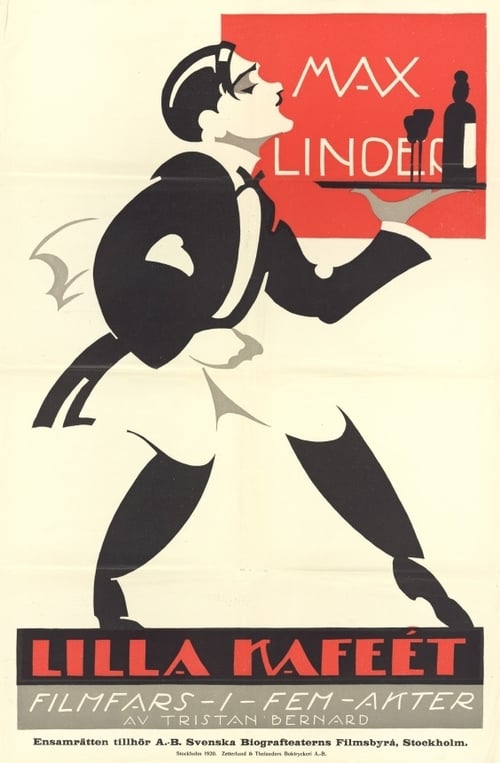
Max is a millionaire who is forced to lead a double-life as a waiter, the result of having lost a wager.
Le Petit Café

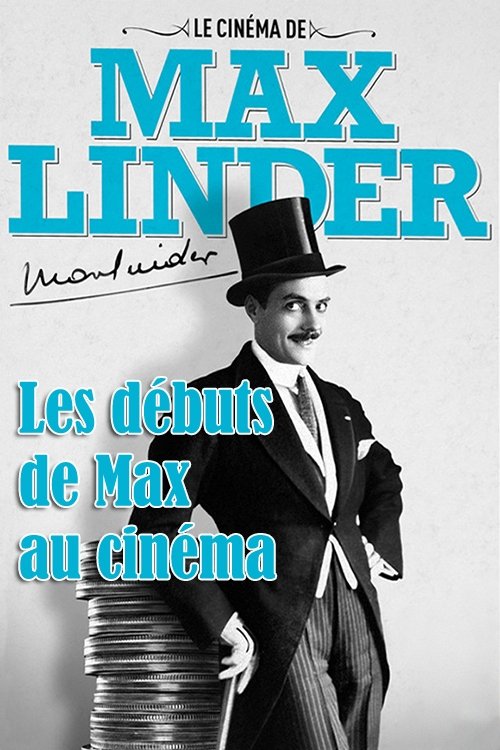
A documentary with many excerpts from the films of French movie pioneer Max Linder, narrated by his daughter.
The Man in the Silk Hat

Suffering from unrequited love, Max hangs himself from a tree, and ends up hanging for hours while local townspeople squabble over whose responsibility it is to rescue him.