Production
A group of friends blessed with the privileges of birth and status are about to leave for a short break. Carl is the first to arrive and discovers that the four-star hotel they've booked is nothing more than an ordinary family pension. This means the beginning of social clashes and unexpected approaches.
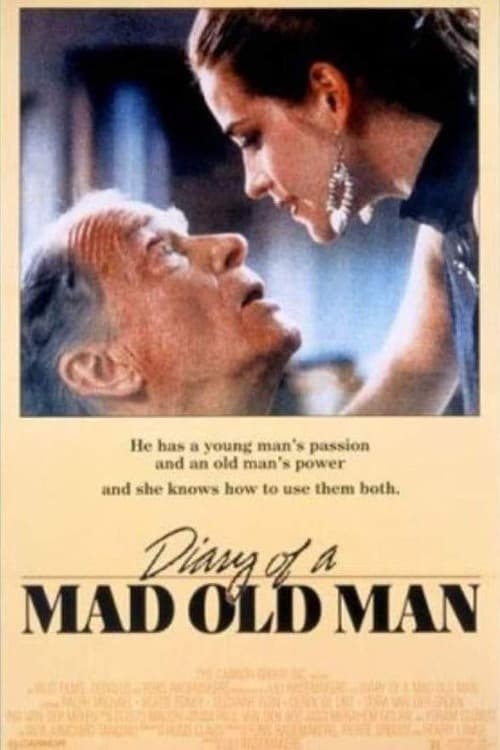
In this erotic drama, Marcel fantasizes about being with his daughter-in-law Simone after the death of his wife. The woman pretends to be surprised over his attention but does nothing to discourage his advances. He promises to build her a swimming pool in order to further his fantasies. The story is taken from the novel by Junichiro Tamizaki.
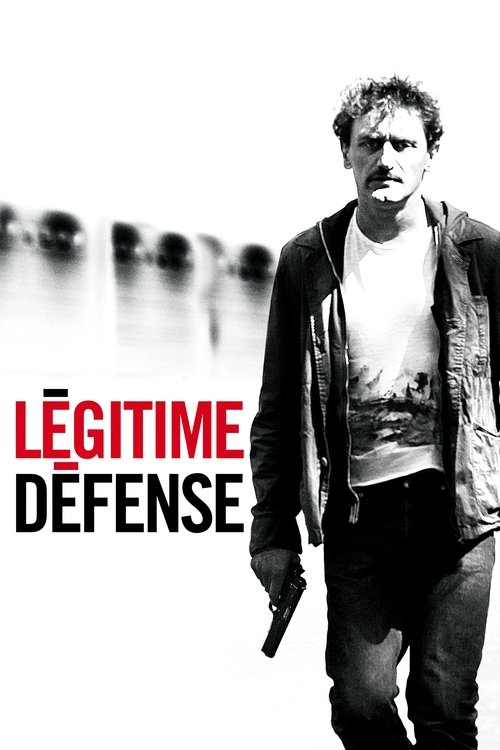
Bruno loved his job as a middle manager at a paper company, but optimistically views being laid off as an opportunity. After two years of searching for a comparable position, optimism turns to desperation. His wife works two jobs, and their marriage slowly deteriorates as their hold on the middle class slips away. Bruno concocts a grimly audacious plan to identify and kill his fellow job applicants so that he is the only qualified person left.
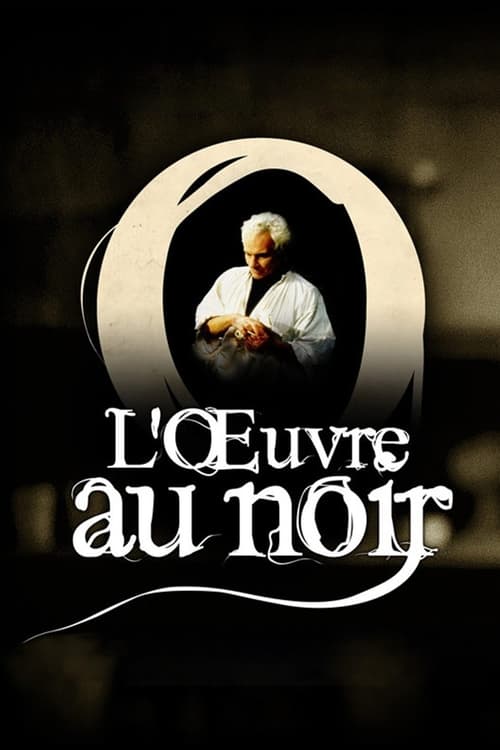
The Inquisition is in full swing in 16th century Flanders. Wanted for his dissident writings, the alchemist doctor Zeno has been wandering Europe under an assumed name for twenty years. But he remains a non-conformist. He returns to his native Bruges, where he thinks he has been forgotten. In this silent labyrinth where the faces of the past resurface, he rediscovers his identity and thus signs his death warrant.
Gerda Diddens' "Sprookje, of l'homme-objet" and "Découpage" form a very funny double metaphor about cinema and machismo.
Marthe, an aging queen of the night, roams the streets of a city haunted by the presence of an invisible murderer in search of money to pay a large gambling debt.
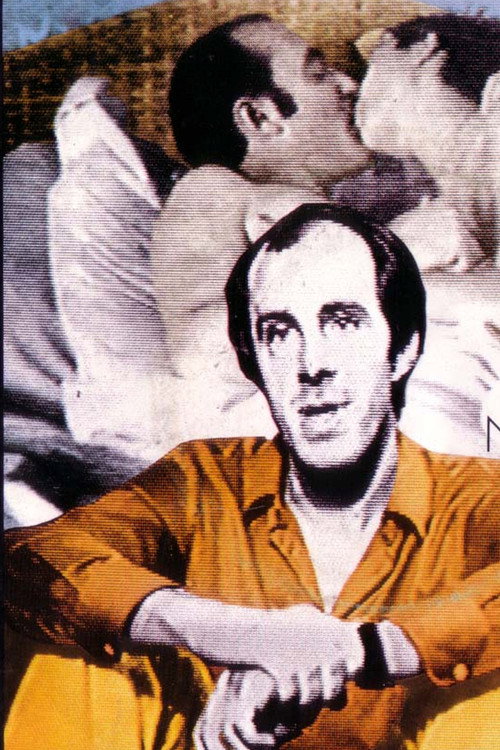
The last film prohibited by Francisco Franco. Jean-Marie Buchet plays the role of a collector of used tampons in this avant-garde comedy-adventure film.
Following over two dozen different individuals in the almost wordless atmosphere of a dark night in a Brussels town, acceptance and rejection in the realm of romance is examined.
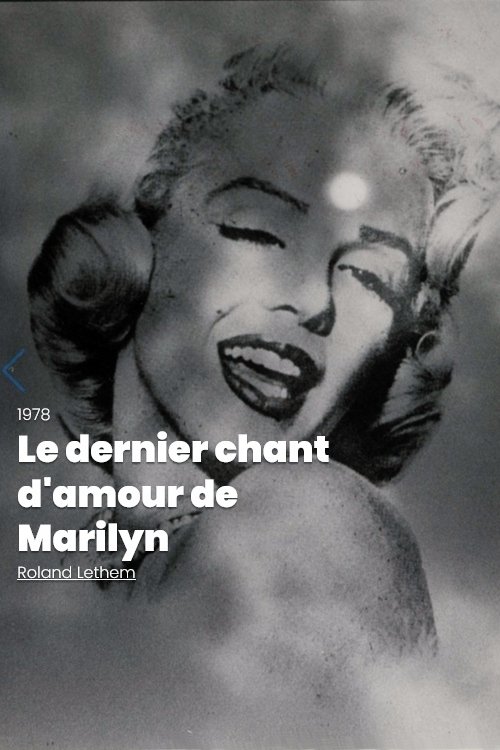
Marilyn’s shine flickering into your eyes, Marilyn’s mind melting into your mind, Marilyn’s heart beating inside of your chest,…if you so wish. – R.L.Before you start the film please light a candle and after stopping the film, please blow it out. Should the candle accidentally stop burning, do not light it anew: it means that the performance is over.
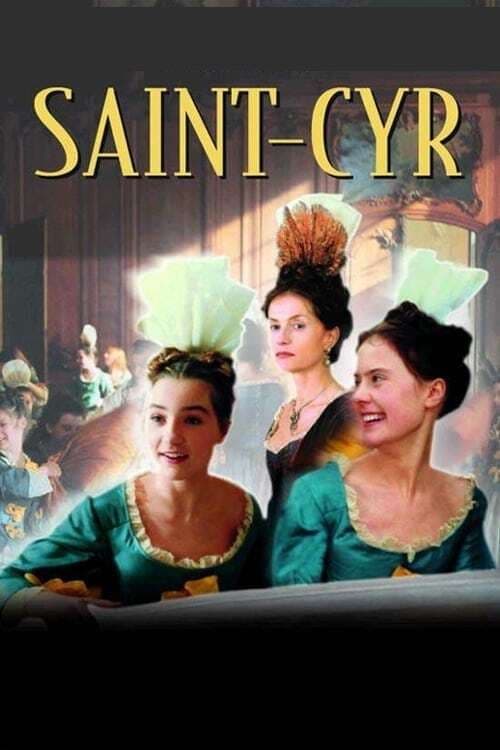
Late 17th Century: Anne de Grandcamp and Lucie de Fontenelle, two little girls from Normandy, arrive at the Saint-Cyr school founded by Madame de Maintenon for educating the daughters of impoverished nobles ruined in wars and making them into free women. Madame de Maintenon is the secret wife of Louis XIV, and empowered by his support, she offers "her" two hundred fifty girls a playful and avant-garde education. Anne and Lucie, two inseparable friends, allow themselves to be carried away by the promise of a bright future. But Maintenon has arrived at the pinnacle of power through scheming and debasing herself and she now fears the fires of hell. She is counting on her model school to atone for her past sins.
The antiques shop Gerard owns should help him to get rid of his financial problems. He dreams of writing the most important Dutch novel ever. Unfortunately he spends money like water. As a result he is constantly broke. His sister Ingrid is married to Pierre. She wants a child but he refuses. While Gerard is willing to consider leading a normal life, a wish mainly expressed by his parents, Ingrid's marriage falls apart.
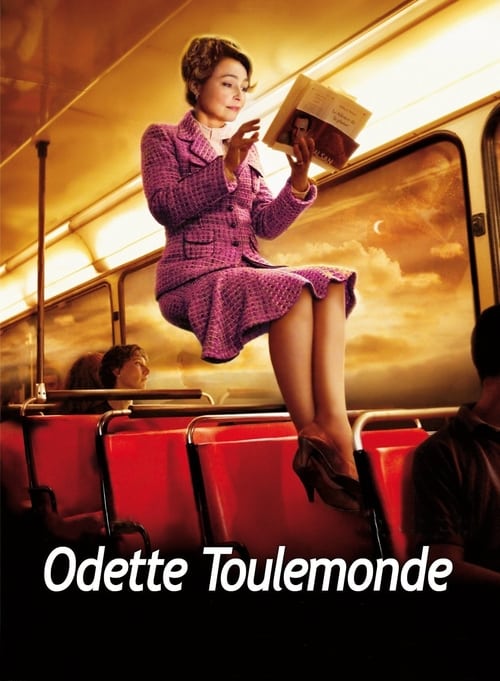
Objectively, Odette Toulemonde has nothing to be happy about, but is. Balthazar Balsan has everything to be happy about, but isn’t. Odette, awkwardly forty, with a delightful hairdresser son and a daughter bogged down in adolescence, spends her days behind the cosmetic’s counter in a department store and her nights sewing feathers on costumes for Parisian variety shows. She dreams of thanking Balthazar Balsan, her favorite author, to whom – she believes – she owes her optimism. The rich and charming Parisian writer then turns up in her life in an unexpected way.
An actress, who goes all over rural France with her monologe "Sex and Crime", meets and falls in love with a man, since that moment starts helping him in his plays.
Benoît, leads a happy and uneventful life. One day, his private detective father mysteriously disappears. Benoît is going to discover he has the shadow of a father he thought he knew.
Romeo, a lovelorn Roman musician in his 40s with 20 years since his only hit, consults a fortuneteller who predicts he'll find love and money with a foreign singer named for a flower. In Brussels he meets Marguerite, an older chanteuse who interprets Jacques Brel and loves her yappy dog.
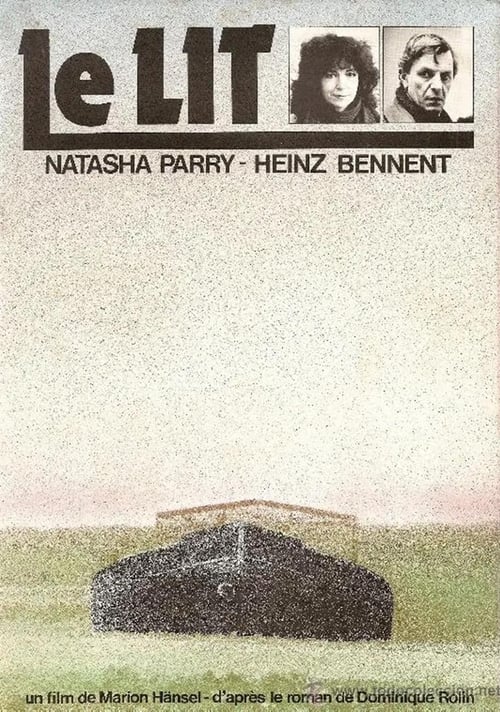
Martin, a sculptor, is dying in his bed on a barge that floats along a fog-shrouded waterway. As he agonizingly descends into a final oblivion, his second wife is at his bedside, comforted by his first wife -- also present.
Single woman Charlotte tries to write erotic fiction despite not having any sensual experience.
An actor on screen insults the audience. How will spectators react?
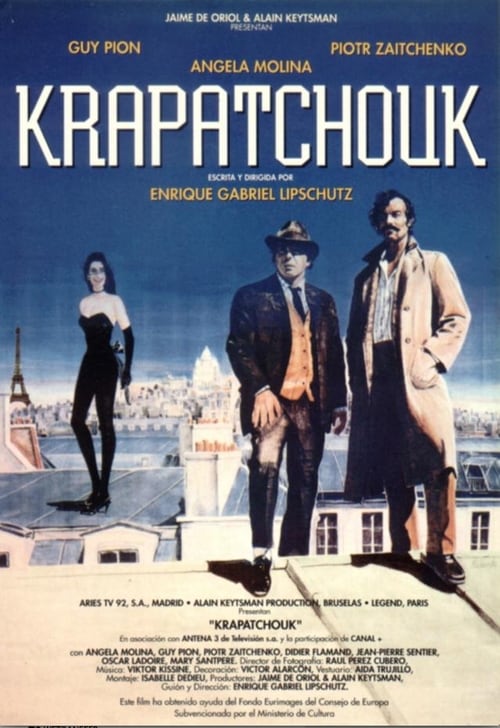
Two young men have left their obscure Balkan country to earn some money as "guest workers" in western Europe. On their way back home, they attempt to change trains in Paris but encounter surprising difficulties from the ticket authorities there. It seems that political changes have rendered their homeland nonexistent, and their passports are no good. Before long, they are stranded in Paris without passports, without a country, and soon even their luggage is stolen. Their fumbling efforts to straighten out the mess result in the French press getting into the act, labeling them as Russian spies. The Parisian expatriate community takes them into its bosom, and romance blooms between one of the lads and a Spanish hatmaker, before they finally achieve a (highly improbable) solution for their difficulties.
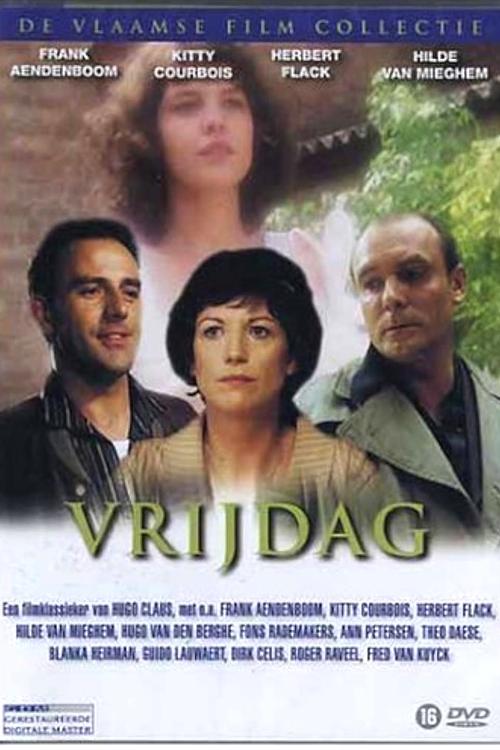
Hugo Claus rewrote and directed Friday as the cinematic version of his original 1969 play of the same name. Just as in the play, the story begins with the theme of incest, as the father Georges (Frank Aendenboom) returns from serving his jail sentence for that crime. Unlike the earlier play, however, the film does not emphasize that aspect of the story. When Georges gets home he finds out that his wife Jeanne (Kitty Courbois) has had an illegitimate child by a younger man, Erik (Herbert Flack), and now both of them must somehow try to return to a normal life, given their only too obvious lapses in moral judgment. As the husband and wife try hard to accommodate each other's failings and start to get to know each other again, Erik comes back into the picture. Now the three of them must resolve the deep-seated conflicts that brought them to this emotionally-wrought juncture of love and betrayal.