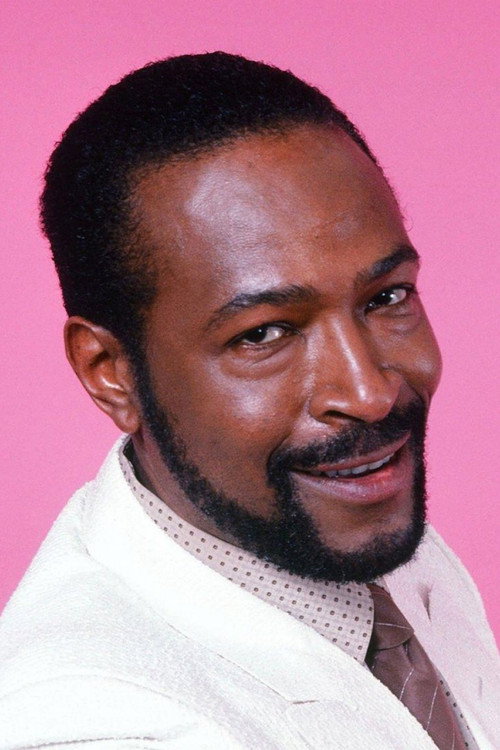
Marvin Gaye
Acting
Biography
Marvin Pentz Gay Jr. was born on April 2, 1939, the second oldest child of domestic worker Alberta Gay and Pentecostalist minister Marvin Gay Sr. From an early age, Gaye took an ardor for singing; he believed that this vocation helped him through his severely troubled youth. Gaye's sister has stated that Gay Sr. beat Marvin often and into his teens. At 17, Gaye became a high school dropout, enlisting in the U.S. Air Force. Disgruntled by the humble labor he had to do, Gaye pretended to have mental illness. The service authorized him a "General Discharge." Gaye returned to the D.C. area and set up a vocal quartet with a friend called The Marquees. Gaye's first vocal recording as a lead singer, "Mama Loocie," was recorded with Harvey and the New Moonglows, which was composed of Harvey Fuqua and members of The Marquees. After the group's dissolution in 1960, Gaye moved to Detroit. Performing at Motown head Berry Gordy's house, Gaye drew Gordy's interest; the ensuing sale of Fuqua's part of Gaye's contract led to Gaye signing with Motown company Tamla. Gaye initially wanted a career as a standards and jazz performer. After numerous album releases and chart successes, in 1971, Gaye saw the release of his concept album What's Going On. It was his first platinum-selling album and earned him much critical praise. His next project would be the score and soundtrack to the 1972 blaxploitation film, Trouble Man. In 1981, advised by music promoter Freddy Cousaert, tax exile Gaye moved into Cousaert's Ostend apartment in Belgium. Staging a personal recovery, Gaye penned the song "Sexual Healing," which would be his greatest hit, eventually doing ten weeks in the top position on the Hot Black Singles chart. The song was the first single from the album Midnight Love, which sold in excess of six million units. Gaye then went out on the Sexual Healing Tour, starting April 18, 1983, which would be his last tour. Around halfway through the year, he ended the tour, suffering paranoia stemming from cocaine use. Gaye then relocated to his parents' residence in L.A. Marvins Sr. and Jr. had growing conflict between them for months. Relatives and friends felt that Marvin Jr. was sometimes suicidally driven. One day, Gaye attempted to follow this urge with a leap from a hurtling sports car. He only received slight bruises. On April 1, 1984, Marvin Sr. yelled at Alberta about a lost insurance policy letter; they'd argued about the form for days. A severe thrashing then ensued between the two Marvins, with Marvin Sr. on the receiving end. Minutes thereafter, Marvin Sr. entered Gaye's bedroom, clutching a .38 pistol that had been bought for him by Gaye, and shot his son once in his heart and once in the shoulder. Marvin Jr.'s body was transported to California Hospital Medical Center, where at about 1 P.M., Gaye was pronounced dead on arrival. Celebrities across the world were shocked by the news of Gaye's untimely passing, from Smokey Robinson to Al Sharpton. Following Gaye's death, his awards and honors have flourished -- a fitting legacy for the man titled Prince of Soul.
Known For
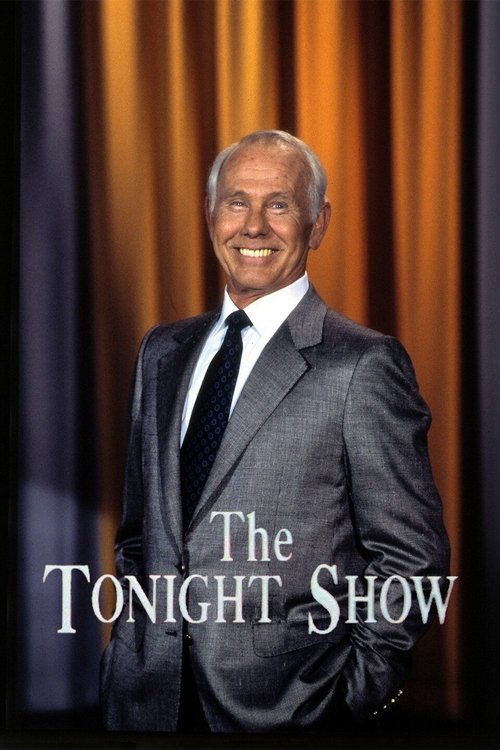
The Tonight Show Starring Johnny Carson is a talk show hosted by Johnny Carson under The Tonight Show franchise from 1962 to 1992. It originally aired during late-night. For its first ten years, Carson's Tonight Show was based in New York City with occasional trips to Burbank, California; in May 1972, the show moved permanently to Burbank, California. In 2002, The Tonight Show Starring Johnny Carson was ranked #12 on TV Guide's 50 Greatest TV Shows of All Time.
The Tonight Show Starring Johnny Carson
The biggest stars, the most iconic performances, the most outrageous outfits – it’s Britain’s number one pop show.
Top of the Pops

The Ed Sullivan Show is an American TV variety show that originally ran on CBS from Sunday June 20, 1948 to Sunday June 6, 1971, and was hosted by New York entertainment columnist Ed Sullivan. It was replaced in September 1971 by the CBS Sunday Night Movie, which ran only one season and was eventually replaced by other shows. In 2002, The Ed Sullivan Show was ranked #15 on TV Guide's 50 Greatest TV Shows of All Time.
The Ed Sullivan Show
The Midnight Special is an American late-night musical variety series that aired on NBC during the 1970s and early 1980s, created and produced by Burt Sugarman. It premiered as a special on August 19, 1972, then began its run as a regular series on February 2, 1973; its last episode was on May 1, 1981. The ninety-minute program followed the Friday night edition of The Tonight Show Starring Johnny Carson. The show typically featured guest hosts, except for a period from July 1975 through March 1976 when singer Helen Reddy served as the regular host. Wolfman Jack served as the announcer and frequent guest host. The series also occasionally aired vintage footage of older acts. As the program neared the end of its run in the early 1980s, it began to frequently use lip-synched performances rather than live. The program also featured occasional comedic performances such as Richard Pryor and Andy Kaufman.
The Midnight Special
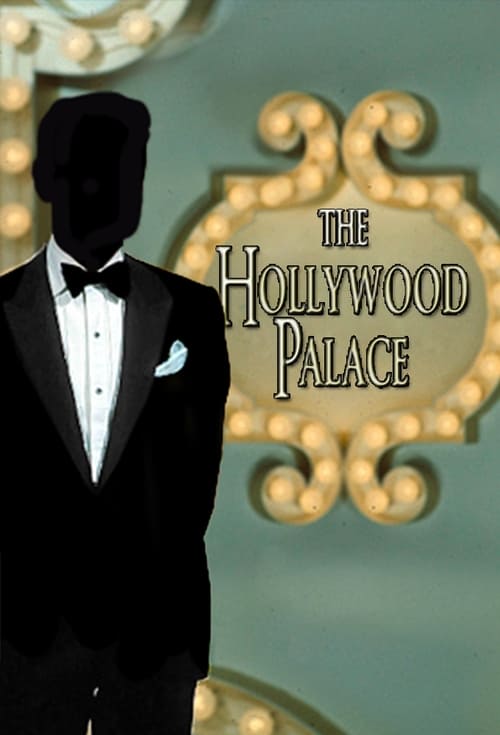
The Hollywood Palace is an hour-long American television variety show that was broadcast weekly on ABC from January 4, 1964 to February 7, 1970. Originally titled The Saturday Night Hollywood Palace, it began as a mid-season replacement for The Jerry Lewis Show, another variety show which had lasted only three months. It was staged in Hollywood at the former Hollywood Playhouse on Vine Street, which was renamed The Hollywood Palace during the show's duration and is today known as Avalon Hollywood. A little-known starlet named Raquel Welch was cast during the first season as the "Billboard Girl", who placed the names of the acts on a placard.
The Hollywood Palace

Shindig! is an American musical variety series which aired on ABC from September 16, 1964 to January 8, 1966. The show was hosted by Jimmy O'Neill, a disc jockey in Los Angeles at the time who also created the show along with his wife Sharon Sheeley and production executive Art Stolnitz. The original pilot was rejected by ABC and David Sontag, then Executive Producer of ABC, redeveloped and completely redesigned the show. A new pilot with a new cast of artists was shot starring Sam Cooke. That pilot aired as the premiere episode.
Shindig!

After returning home from the Vietnam War, veteran Jacob Singer struggles to maintain his sanity. Plagued by hallucinations and flashbacks, Singer rapidly falls apart as the world and people around him morph and twist into disturbing images. His girlfriend, Jezzie, and ex-wife, Sarah, try to help, but to little avail. Even Singer's chiropractor friend, Louis, fails to reach him as he descends into madness.
Jacob's Ladder
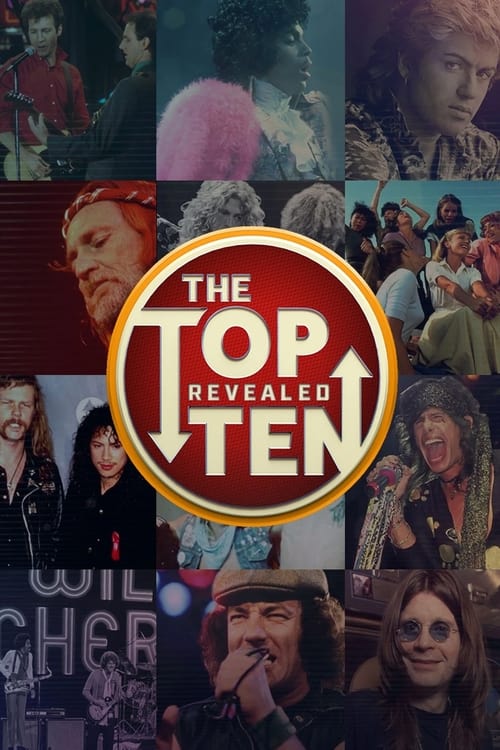
Spotlighting the most influential songs, bands, and musicians in the history of rock n' roll with a rotating panel of music icons and experts for an insightful discussion examining the music that has left an indelible mark on the rock n' roll scene.
The Top Ten Revealed
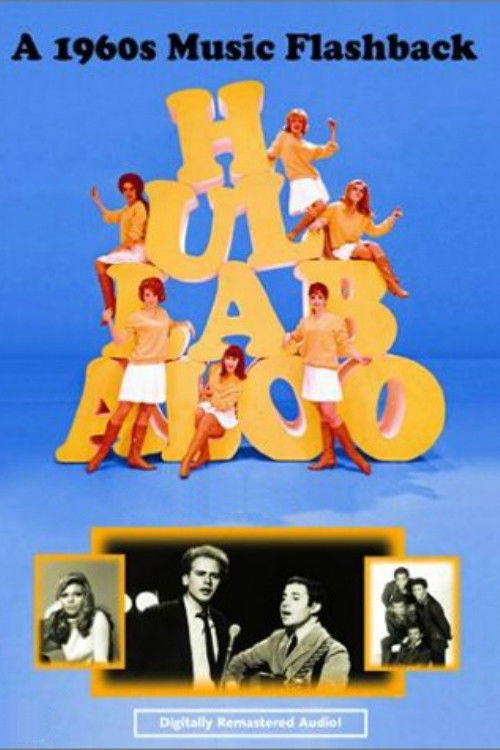
Hullabaloo is an American musical variety series that ran on NBC from January 12, 1965 through August 29, 1966. Similar to Shindig! it ran in prime time in contrast to ABC's American Bandstand.
Hullabaloo
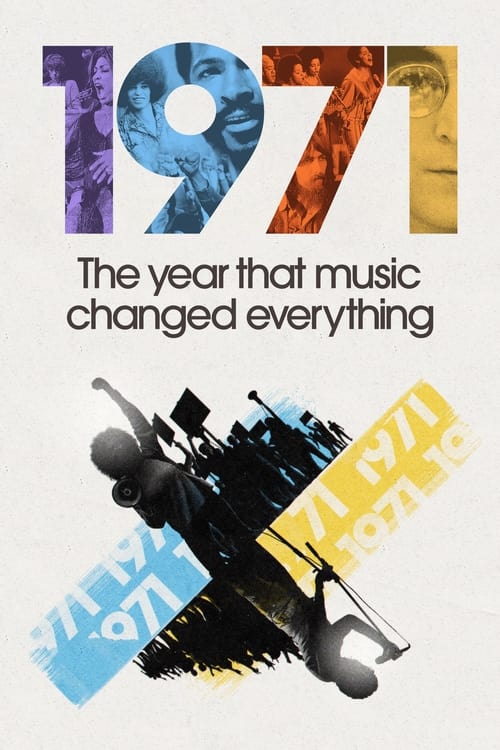
In a tumultuous era, 1971 was a year of musical innovation and rebirth fueled by the political and cultural upheaval of the time. Stars reached new heights, fresh talent exploded onto the scene, and boundaries expanded like never before.
1971: The Year That Music Changed Everything
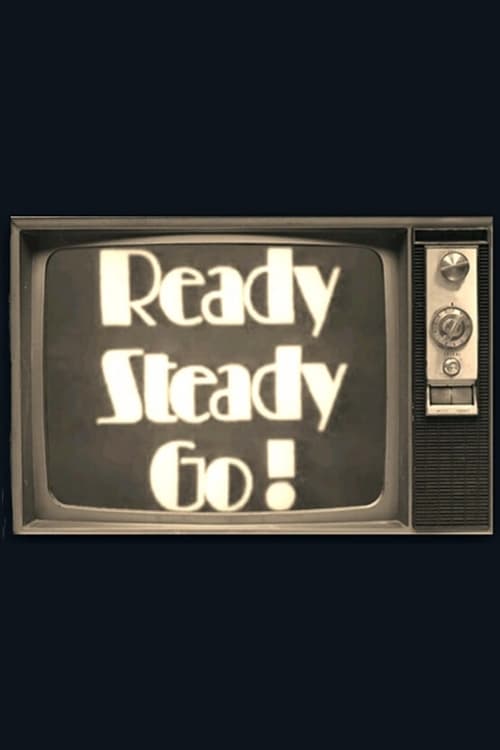
Ready Steady Go! is one of the UK's first rock/pop music television programmes and was a forerunner of MTV-type programming. It was conceived by Elkan Allan, head of Rediffusion TV. Allan was assisted by record producer/talent manager Vicki Wickham, who became the show's producer, and Michael Lindsay-Hogg who was appointed the show's director in 1965. It was broadcast from August 1963 until December 1966. It was produced by Associated-Rediffusion the weekday ITV contractor for London, called Rediffusion-London post 1964. The live show was eventually networked nationally. The show gained its highest ratings on 20 March 1964 when it featured the Beatles being interviewed and performing their songs "It Won't Be Long", "You Can't Do That" and "Can't Buy Me Love" - the last of which was a hit at the time. RSG! USA! was a Dick Clark production in 1964. A trademark infringement ended the show after six episodes. Its last episode was broadcast on 23 December 1966.
Ready Steady Go!
Expert analysis and dramatic storytelling of recent crime stories.
Forensic Justice
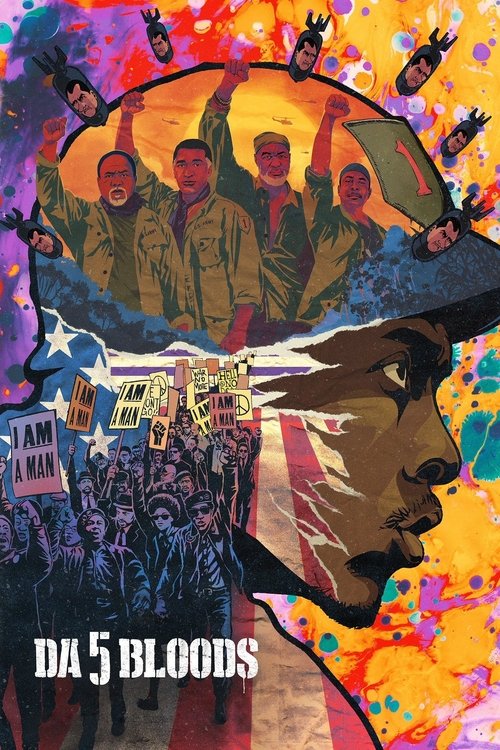
Four African-American Vietnam veterans return to Vietnam. They are in search of the remains of their fallen squad leader and the promise of buried treasure. These heroes battle forces of humanity and nature while confronted by the lasting ravages of the immorality of the Vietnam War.
Da 5 Bloods
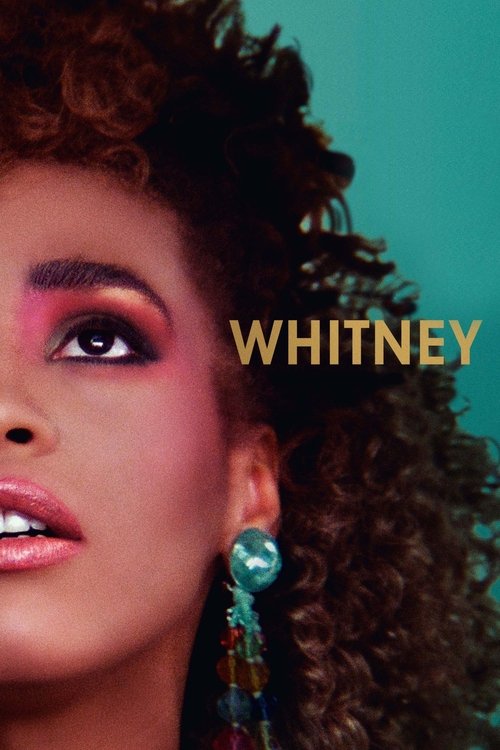
Examines the life and career of singer Whitney Houston. Features never-before-seen archival footage, exclusive recordings, rare performances and interviews with the people who knew her best.
Whitney
Malibu U is an American variety show that aired in the summer of 1967 on ABC. The series stars Ricky Nelson.
Malibu U
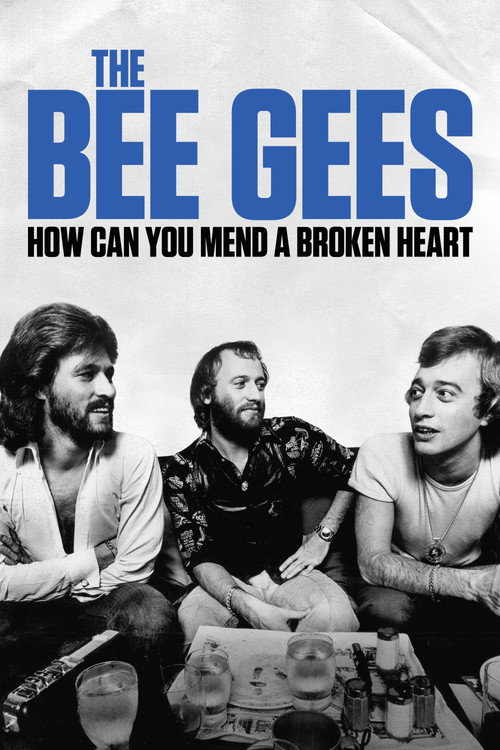
The story of the triumphs and hurdles of brothers Barry, Maurice, and Robin Gibb, otherwise known as the Bee Gees. The iconic trio, who found early fame in the 1960s, went on to write over 1,000 songs and have 20 No. 1 hits throughout their career, transcending more than five decades of changing tastes and styles.
The Bee Gees: How Can You Mend a Broken Heart
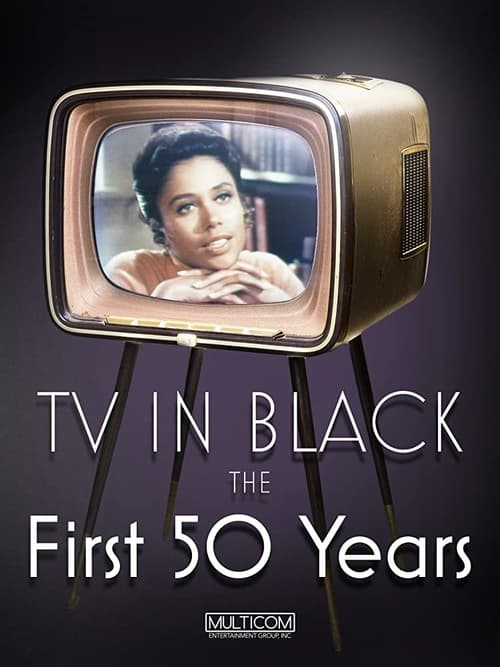
Discover how television has reflected the African American experience in this retrospective of the medium's first half-century. Actors, writers and historians discuss the image of black America on television from Amos and Andy to the present day. The interviews accompany clips from groundbreaking shows and performances by entertainment pioneers that create a timeline of the portrayal of African Americans throughout TV history.
TV in Black: The First Fifty Years
He was the gentle rebel of soul: Marvin Gaye, one of the greatest musicians of the 20th century. With his unmistakable voice and hits, he left an indelible mark on American pop culture—one that endures to this day.
Marvin Gaye - Visionär des Soul
DJ Cinema is mixing up blends with artists like Biggie, Nas, Jay-Z, AZ, Rick Ross, Fabolous, 50 Cent and Jadakiss.
DJ Cinema Presents: Masterpiece Theater Blend Dvd
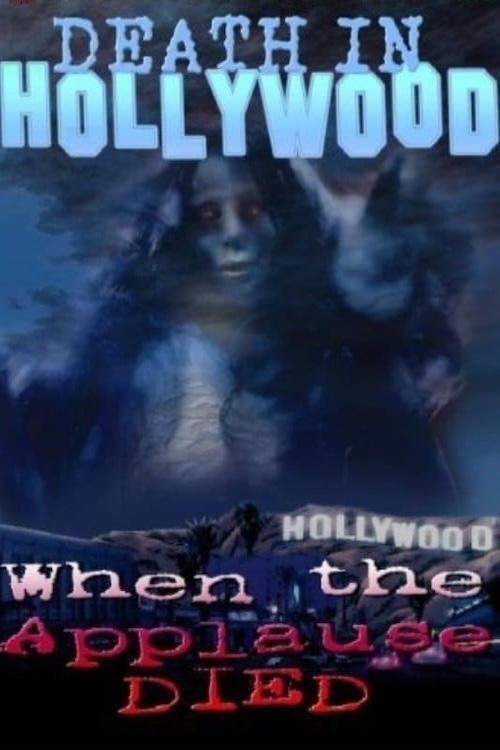
HOLLYWOOD. Tinseltown. Land of the stars. A city where an actor can reach the greatest heights overnight - and descend just as rapidly. What goes up must come down, and Hollywood's failing stars leave a legacy of sadness, pain and disappointment in their wake. Here, in graphic detail, are the shocking stories behind the deaths of the silver screen's most beloved celebrities, as well as it's lesser known players. Packed with stunning newsreel footage, and previously unrevealed facts, DEATH IN HOLLYWOOD documents many a celebrity's morbid demise due to suicide, drug and alcohol abuse, disease, and even murder. From the outrageous to the tragic, DEATH IN HOLLYWOOD leaves no tombstone unturned in it's quest to dig up the truth about Hollywood's dearly departed.