Gudrun Steinbrück
Editing
Known For

In this sun soaked adventure for the entire family, a group of five orphaned children form their own makeshift family while attempting to operate outside the rules of society. Though they must sometimes steal to survive, their loyalty to one another means that they will always have a brother or sister to count on.
Red Zora
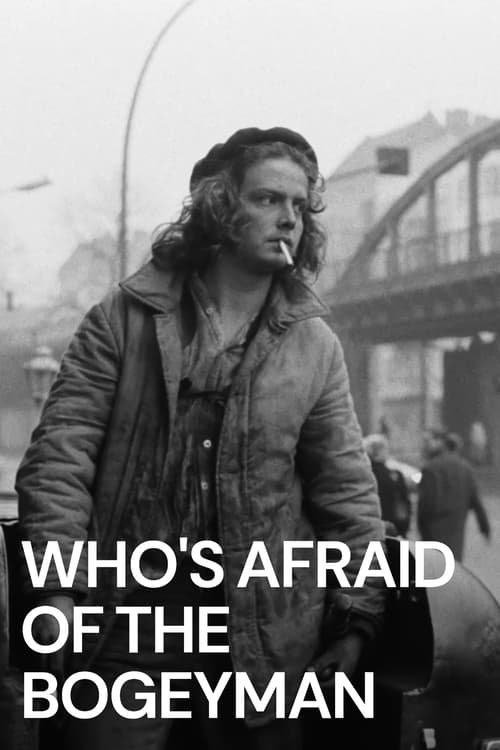
Portrait of a private coal company in East Berlin's Prenzlauer Berg district in 1988/89. The feisty woman boss runs the business with humour and understanding. Her seven male employees respect her. To the outside world, they are all tough guys, but as they describe their jobs and personal situations, above and beyond the hard manual labour, their vulnerability starts to come to light.
Who's Afraid of the Bogeyman

A German communist wrongly accused and sent to a labour camp has to keep her past life hidden for the sake of her and her family’s freedom.
Sealed Lips

Ramona lives her lonely life in Berlin working in a lipstick factory. One day she accidentally runs into Andrzei, a Polish mechanic illegally selling cigarettes in Germany during the weekend. One thing leads to another, and soon she finds herself pregnant. Then her life starts falling apart, when Andrzei tells her he already has a wife back in Poland and her baby dies shortly after its premature birth.
Little Angel

Sven Marquardt might be the most famous bouncer worldwide. But beside standing in front of the legendary techno club Berghain in Berlin, he is also a well-known and skilled photographer. Long before the Berlin Wall came down, Marquardt portrayed the subcultural East-Berlin scene. His black and white photography illustrates it as voluptuous, laid-back, dirty and existential. Even if shot by daylight, his work is permeated by darkness, ecstasy and night.
Beauty & Decay

In the little town of Herzsprung - whose name harks back to an ancient legend of broken hearts - almost nothing has changed since German unification, except a rise in unemployment. Johanna, a young mother and widow, becomes one of the unemployed and lives on welfare. To make matters worse, she falls in love with a dark-skinned, roving adventurer and the whole village starts talking about it.
Herzsprung
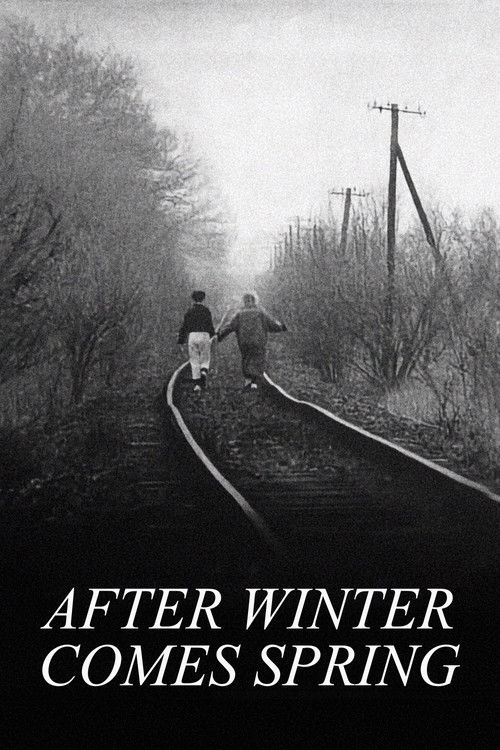
A locomotive journey traversing the North to the South of the German Democratic Republic on the eve of its dissolution. Labourers, punks, mothers, intellectuals, young and old are implored to reflect on their life choices, the sacrifices they've made, and their place in the world. Despite everything, hope persists.
After Winter Comes Spring
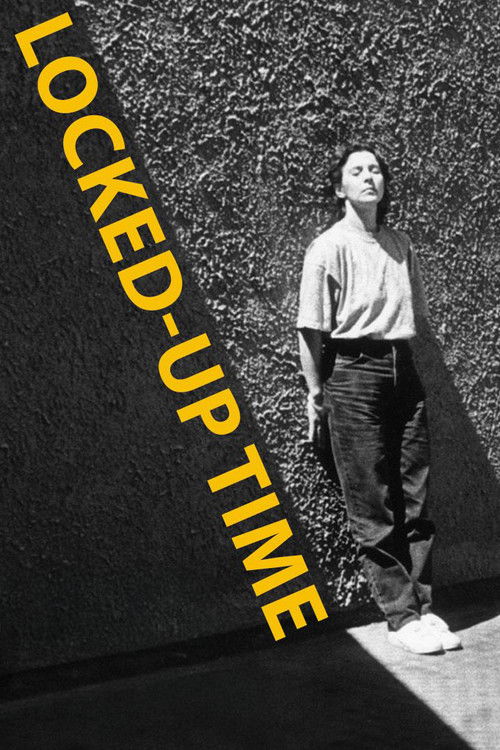
Filmmaker Sibylle Schoenemann, imprisoned by the GDR in 1984, was released to the FRG after having West Germany literally buy her freedom. In 1990 she went back and questioned those responsible.
Locked-Up Time

In early summer 1989, Helke Misselwitz portrays young musicians in a band who produce their music on other people’s waste items. The four boys call themselves "Bulk Rubbish" and they drum out their resentment, having grown up on the new housing estates of East Berlin. A straight-up picture of the GDR youth is presented here, which in no way conforms to the official image. The film crew concentrates on the observation of the boy Enrico and his mother Erika: when the mother marries in the West, her son decides to stay in East Berlin, bidding her farewell at the border-crossing. Only shortly after, the tables are turned again: as the events in Berlin leading up to the fall of the Wall are practically captured live from the film crew, Enrico insists on maintaining his cultural identity, even after the fall of the Wall. The "Bulk Rubbish" musicians want to remain citizens of their own state and perceive the looming reunification with scepticism.
Bulky Trash
A documentary about the deconstruction of the Berlin Wall which makes no use of vocal commentary but instead focuses on visual elements. From the Potsdamer Platz to the Brandenburg Gate, the camera captures the historic events from all sides and different angles: on the one hand there are news reporters and tourists from all over the world taking pictures, children selling pieces of the wall to passers-by, and people celebrating New Year's Eve, on the other we see abandoned subway stations and officials with blank looks on their faces.
The Wall
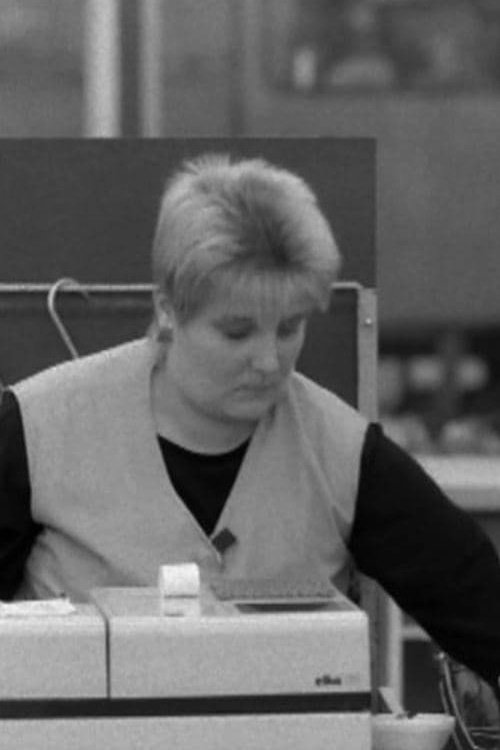
Sketches from a store cashier's everyday life.
Aschermittwoch
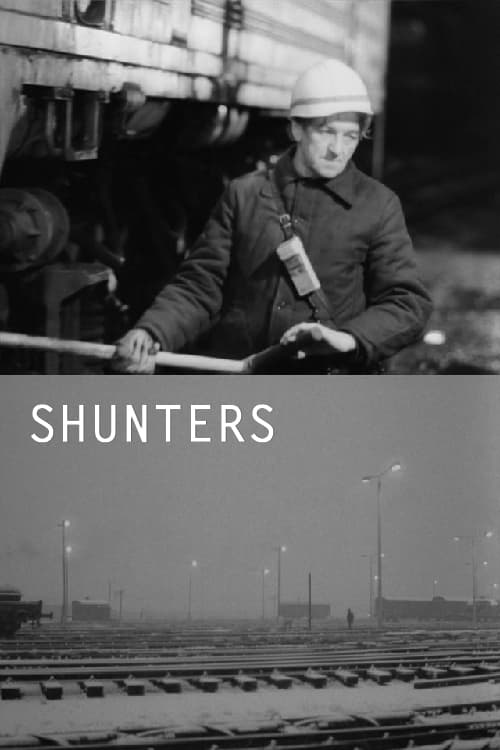
Experienced shunters working at the Dresden-Friedrichstadt goods yard. In all weathers, day and night, they couple and uncouple the wagons. The air is full of sound: hammering, steps crunching on the gravel, whistles and shunting noises.
Shunters
A report on the oldest citizen of the GDR at the time, Emma Wagner from Gotha.
Die Älteste - Vermächtnis einer 108-Jährigen
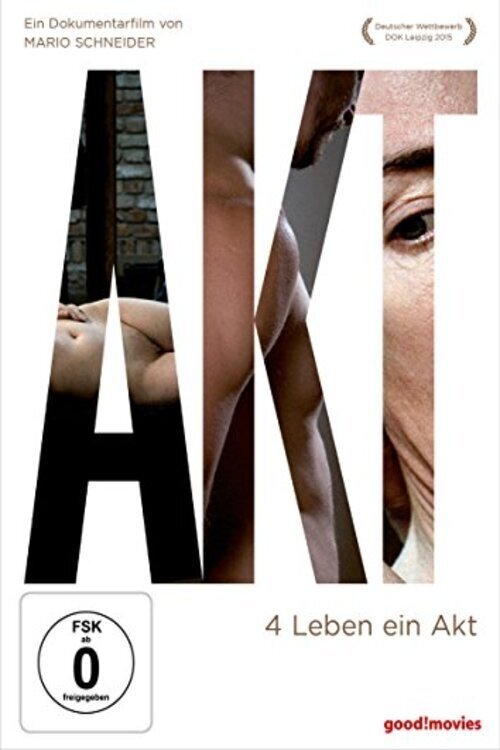
Following his award-winning Mansfeld trilogy, Mario Schneider returns to Leipzig with a film that is simply astonishing. The basic idea is captivating: on one level, the film tells the story of three people who pose nude at the local art academy. This creates a point of intersection from which the film credibly enters and exits the world of its protagonists. At the same time, it connects the work of art with that of life, while the moment of posing nude invites viewers to contemplate the human body.
Akt - 4 Leben ein Akt
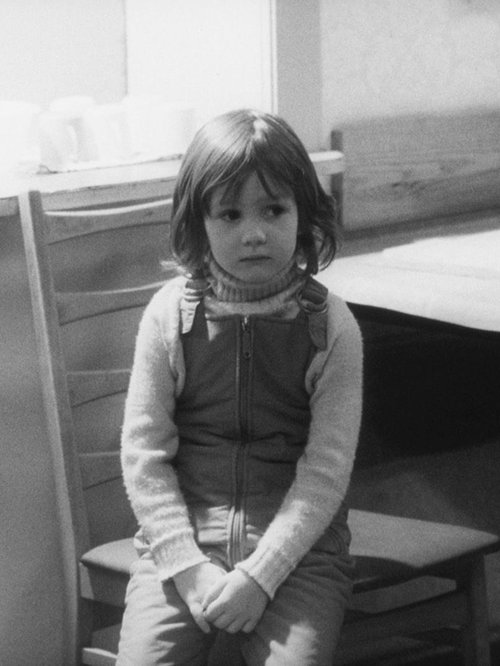
The interviews conducted by Tamara Trampe in a Pankow kindergarten testify to a rare attempt to enter the world of the young interviewees completely, to give their stories a space where reality and fantasy, worries and wishes can mix freely. A space that’s not always provided in the daily life of the kindergarten, as the film casually suggests even after it was toned down by the DEFA censors: toilets without doors, ghastly birthday parties and friendly but unmistakable reprimands when the children let too much dialect slip into the grammar exercise or when their pictures of soldiers are not realistic enough.
Once I Was a Child
Six directors, one film: in episodes, they recall their experiences at the end of the GDR and the fate of a family under National Socialism. They talk about making films despite censorship, about the search for opportunities. They tell of losses, of leaving, of staying and of love in exile. A film about the longing for home and the endurance of friendships.
Liebe und Zorn
No description available.
Meiningen - Meiningen
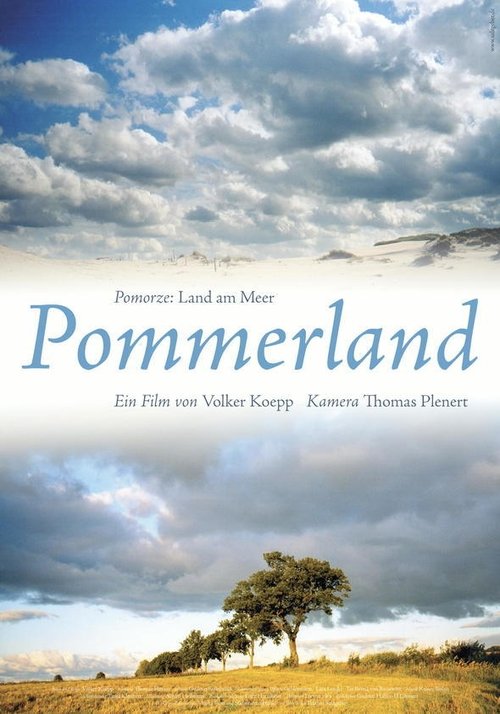
In his documentary film, Volker Koepp portrays the picturesque Polish region of Pomerania. But although the region appears to be idyllic, its inhabitants are struggling with big problems. The villages and cities of Pomerania that traditionally live from agriculture are hit by unemployment rates of up to 75% after the meltdown of the state farms. While most of the young people leave the region, some of them take their chances and start fresh – for instance, a young couple that tries to rebuild an agricultural farm with the help of EU funding. Furthermore, older inhabitants, including a spry 90-year old retiree from the Uckermark region who grew up in Pomerania, tell stories about the region′s eventful past.
Pommerland
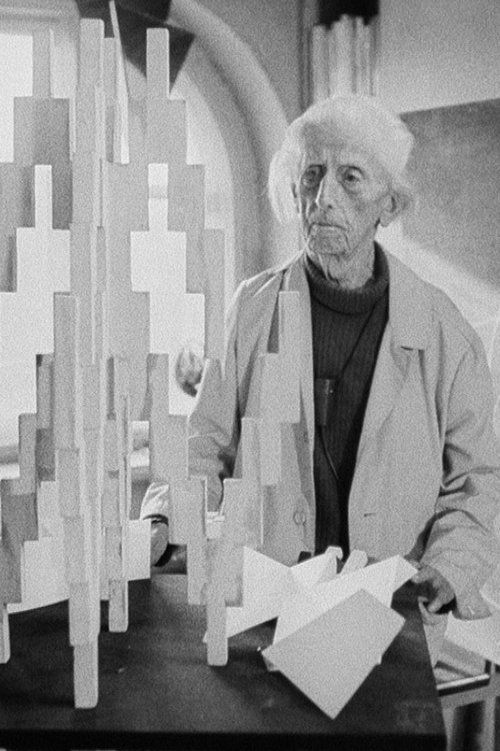
This film portraits the artist and model-builder Hermann Gloeckner, who was born in Dresden in 1889. Even at the age of 96 he is still drawing with undiminished creative energy.
A Brief Visit with Hermann Glöckner
Documentary film by Helke Misselwitz.