Camera
Polizeiruf 110 is a long-running German language detective television series. The first episode was broadcast 27 June 1971 in the German Democratic Republic, and after the dissolution of Fernsehen der DDR the series was picked up by ARD. It was originally created as a counterpart to the West German series Tatort, and quickly became a public favorite.
Annual awarding of the Grimme Awards.
At the funeral of her murdered friend, a young woman meets a charming man. They quickly become a couple, but then the man comes under suspicion of murder and rape. Charges cannot be brought due to lack of evidence, but the woman, growing suspicious, turns away from him and begins investigating her lover’s past—an endeavor that puts her in grave danger.
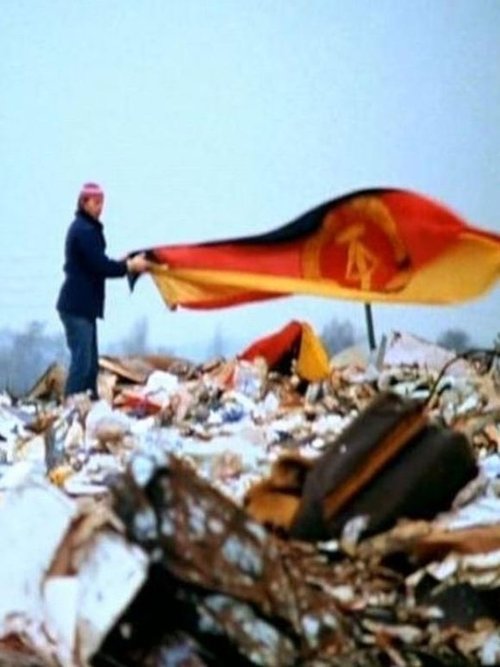
Articles of former East Germany from household items to flags are thrown away at a garbage dump outside of East Berlin, serving as a reminder of a state that no longer exists. In this gesture of breaking ties with the past, the film captures the dumping ground as the last burial site of a society and the absurdity of time and existence.
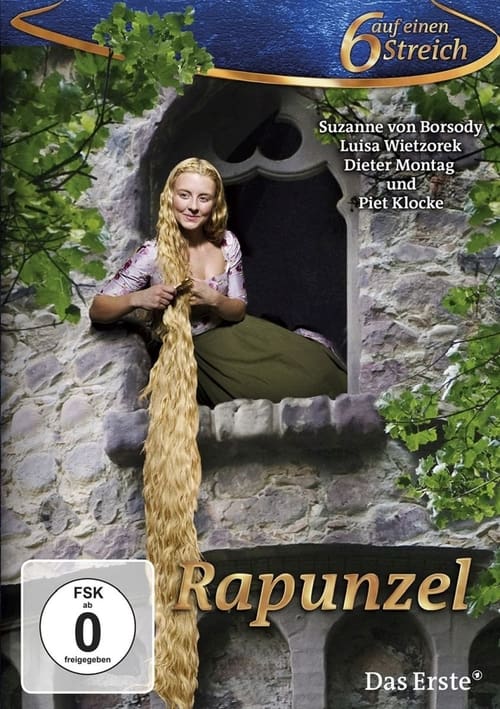
A wicked witch locked Rapunzel in a tall tower without doors. Whenever she wanted to enter, the witch would call, "Rapunzel, Rapunzel, let down your hair", and Rapunzel would lower her extremely long hair for the witch to climb. Years pass until one day a prince, riding through the forest, heard her beautiful singing and was captivated.
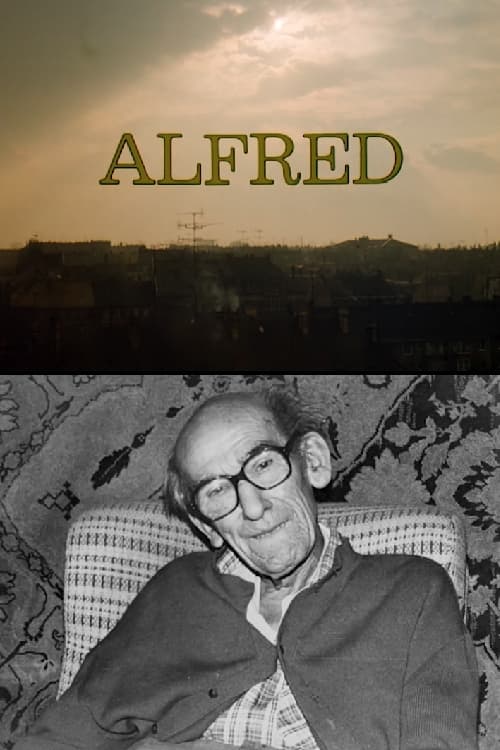
Short biographical documentary about the life of Alfred Florstedt and his life as a progressive communist from the Weimar Republic to his death in 1985.
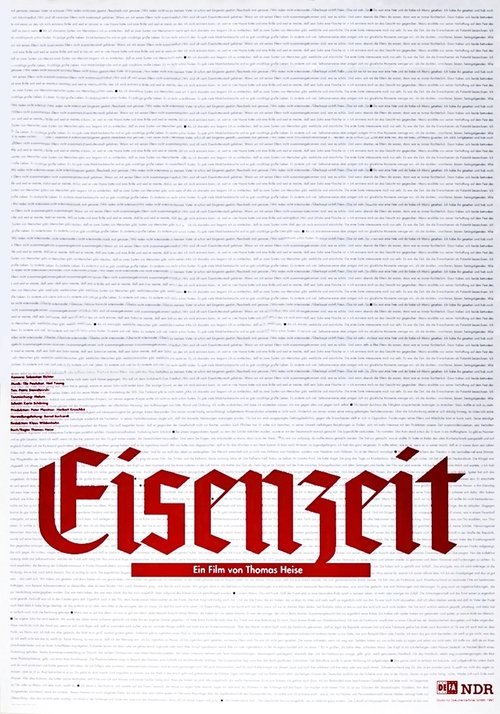
"Pictures from the late eighties in the GDR on up to the immediate present in the year 2008 in Germany. What has been left over besieges my mind. All these pictures keep reassembling themselves to make up something which they were originally not made for. They are still in motion. They are becoming history." (Thomas Heise)
No description available.
The lower level of Lichtenberg Station in Belin in early October 1989: the beginning of the end for the GDR. In the snack bar, the staff are catering for travellers of every kind while in the background the authorities maintain a flow of triumphal statements, but those months between August and October come to feel like sitting out the death throes. Careful observation of people and their work as the current of history suddenly becomes perceptible.
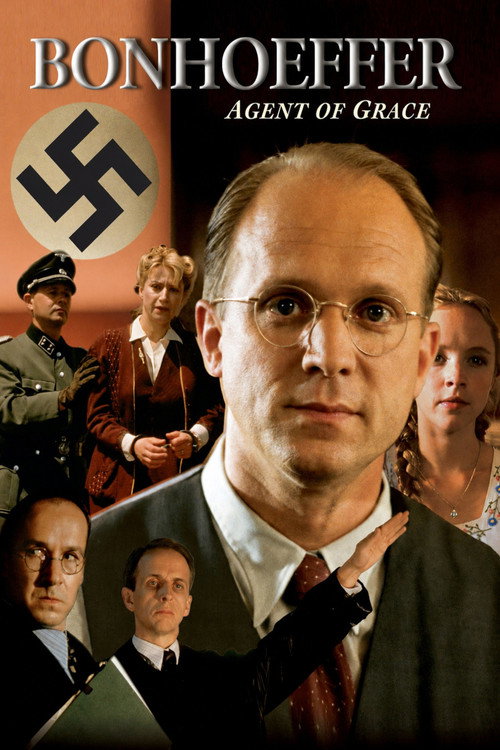
The story of Dietrich Bonhoeffer, a German clergyman of great distinction, who actively opposed Hitler and the Nazis. His convictions cost him his life. What is a moral person to do in a time of savage immorality? That question tormented Dietrich Bonhoeffer, a German clergyman of great distinction who actively opposed Hitler and the Nazis. His convictions cost him his life. The Nazis hanged him on April 9, 1945, less than a month before the end of the war. Bonhoeffer's last years, his participation in the German resistance and his moral struggle are dramatized in this film. More than just a biographical portrait, Bonhoeffer: Agent of Grace sheds light on the little-known efforts of the German resistance. It brings to a wide audience the heroic rebellion of Bonhoeffer, a highly regarded Lutheran minister who could have kept his peace and saved his life on several occasions but instead paid the ultimate price for his beliefs.
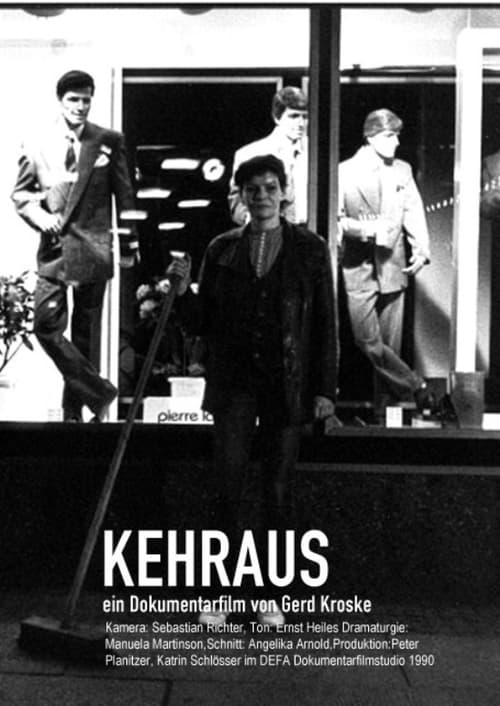
Voigt, Kroske and Richter were among the first filmmakers who documented the events of the historic 9th of October 1989. Their “material” reflects them from different angles: protesters, workers, opposition members, policemen, street sweepers and functionaries. THE document of the “peaceful revolution”.
A widow has two daughters. Louise, lazy she spoils and Marie who dutifully and eagerly helps her mother around the house. One day Marie falls into the well and wakes up on a flowery meadow in a land of dreams, where even bread and apple tree can talk.
Leipzig is in a period of change. The uproar of Autumn ’89 is followed by a hectic electoral campaign in Spring ’90. Nightly conversations with street sweepers are dominated by hopelessness and broken self-confidence, but one can also recognise a keen sense for the change in social climate following the political unification in the GDR. Despite their lack of illusions, they have an acute view of their surroundings, and for these street sweepers only one certainty prevails: there will always be dirt.
Ten years after breaking off the film "Anka and ..." nearly all the protagonists of that time have disappeared. Mario and Tilo hung themselves in the final phase of the GDR, Frank is surviving in West Berlin addicted to drugs, and Karsten is doing pretty well there. Anka, however, who once was in love with each of them, lives alone with her danghter in Eisenhüttenstadt. A film about normality in life.
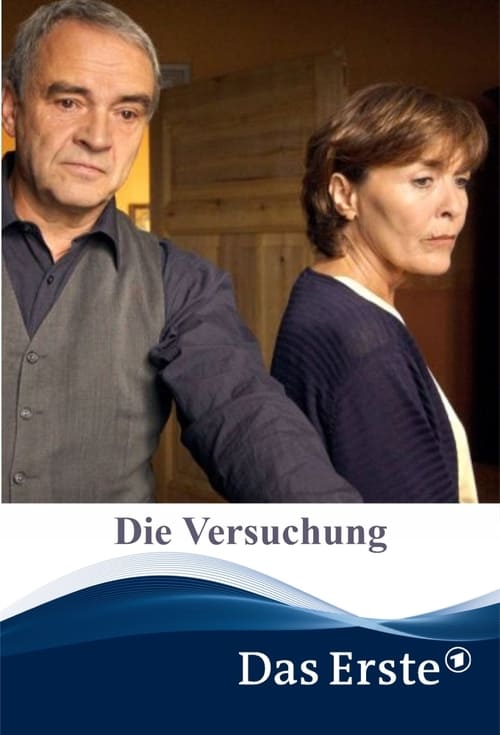
Matthias, son of popular rural Lutheran pastor Oskar Brendel and his wife Karin, about to graduate without honors unlike his emigrated big brother, is a pubertal rebel and hopelessly in love with local Maren Grothe. After he picks a fight at the village fair with her flirt and storms off, Maren s found comatose under the watchtower. Missing, Matthias is the only suspect, making the clerical family generally mistrusted. Karin finds her son, whose innocence she believes, apprenticing carpentry on the island where his buddy loves with his father Volkmann. Matthias explains he ran having seen his father Oskar refused ending an affair with Maren, who jumped as suicide attempt. The Brendels consider the due consequences.
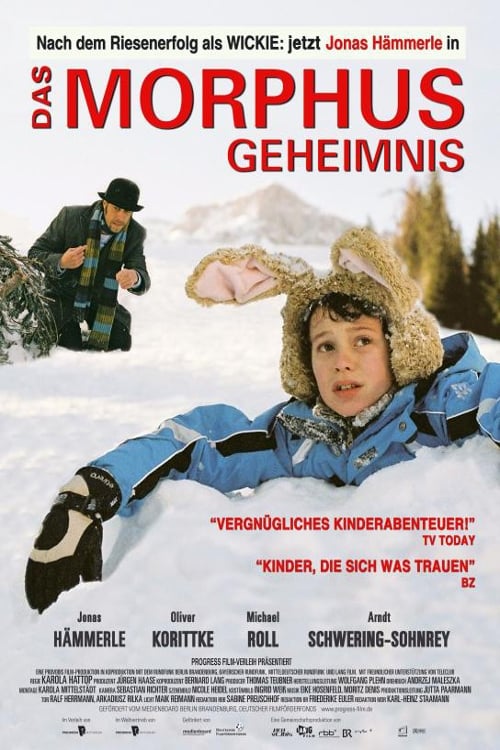
Never until the end of their days - so swears a mysterious group - will they reveal the secret location of Beethoven's will. For this is where his magical Morphus composition is hidden, which puts anyone who hears it into a deep sleep. Generations later, this confidential knowledge has been passed down from a great-great-great-grandfather to a favorite grandson. And he has discovered how to use it to make a profit. Together with his crook friend, he is just about to get hold of the notes when he is interrupted by the unsuspecting and shy Nicki. The Morphus secret ends up in Nicki's pocket, of all places, in the hustle and bustle of the chase that ensues. Nicki and his father arrive at a completely snowed-in hotel, an old castle.
Changing jobs and changing boyfriends - until now, the beautiful Sonia has cheated her way through life. She found the support she needed with her sister Karin. But then Karin doesn't return from a supposed business trip. Sonia sets off with her dog Bigfoot in search of her sister. The first clue leads to an internet chat room where Karin regularly logged in under her alias Demi Moore and indulged in provocative sex talk.
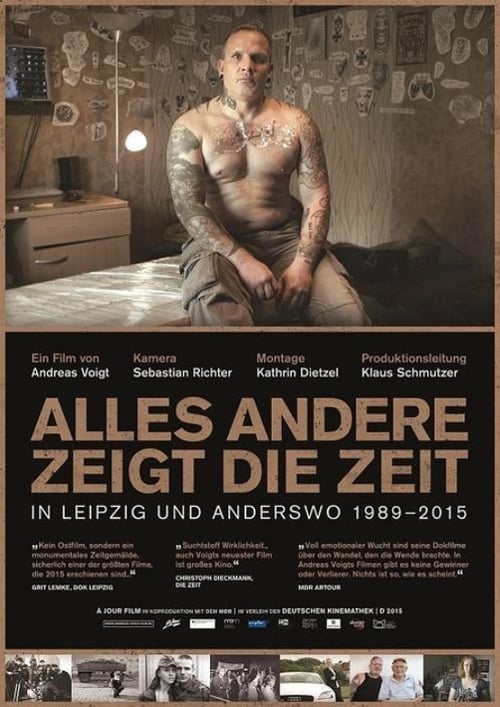
18 years after the last film, Andreas Voigt returns to the protagonists of his Leipzig films.
After a lot of trial and error, Hilde Reimer has finally decided to marry her late love Theo. Immediately after the wedding, Theo moves in with her in the Reimersche family villa - nothing seems to stand in the way of their mutual happiness. Or is it? While Theo soon gets to feel the idiosyncrasies of his new wife, Hilde quickly realizes that she can hardly keep up with the pace of the agile Theo in everyday life.
Continuation of Andreas Voigt's Leipzig films.