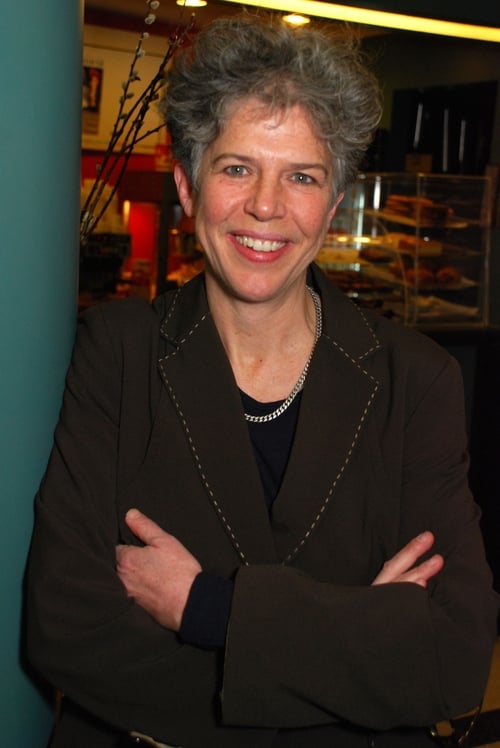
Su Friedrich
Directing
Biography
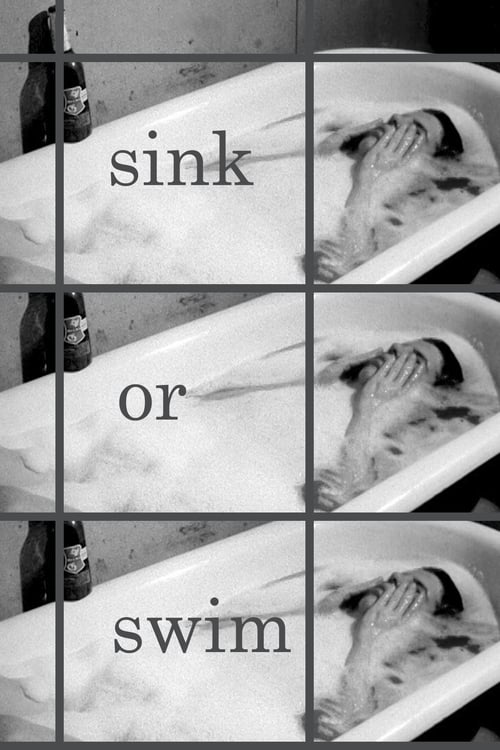
Su Friedrich has directed twenty-four films and videos since 1978, which have been featured in eighteen retrospectives at major museums and film festivals, including one at the Museum of Modern Art in 2007. The films have been widely screened at film festivals, universities and art centers, have been extensively written about, and have won numerous awards, including Grand Prix for Sink or Swim at the Melbourne International Film Festival. Her DVD collection is distributed by Outcast Films. She teaches video production at Princeton University.
Known For

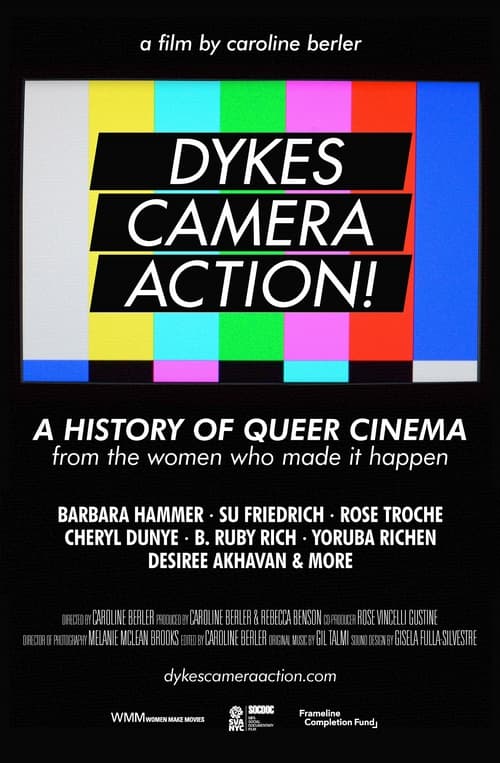
The film examines the ways that women directors have contributed to this genre and emphasizes the role that the media play in representation of sexuality and gender, underscoring the power that film has to shape our perceptions of one another. Visually, this documentary comes to life on screen through compelling and intimate original interviews, intercut with emotionally-charged archival footage, photographs, ephemera, inspired music, and film clips.
Dykes, Camera, Action!

It begins with footage from a stylish old potboiler about an isolated convent, whose tale of passions leashed and unleashed provides the leitmotif for a young lesbian who watches it and the lonely nun she pursues and seduces. As the two women's lives come closer to joining, voiceovers from the biography of a 16th century lesbian nun and the reminiscences of a woman's closeted romances at a Catholic school flesh out the theme.
Damned If You Don't

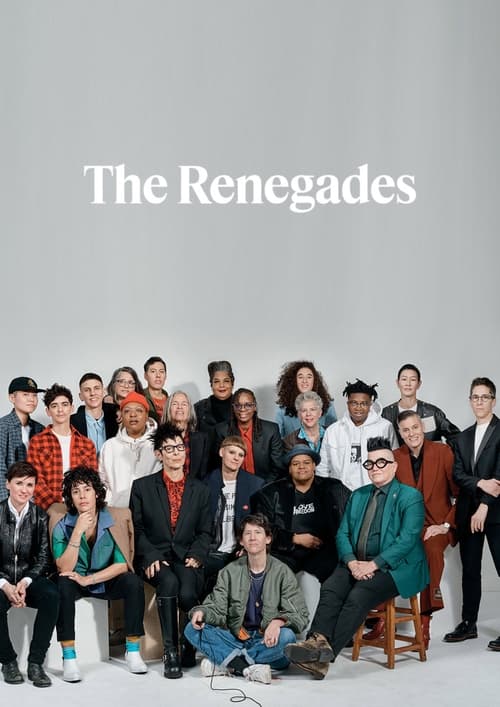
Queer culture and the arts would be much poorer without the presence and contribution of butch and stud lesbians, whose identity is both its own aesthetic and a defiant repudiation of the male gaze.
The Renegades

A global portrait documenting the year's events, Cinetracts '20 features the work of an international lineup of 20 filmmakers. Capturing the zeitgeist in their own backyard, the artists' short films are the culmination of a year-long residency project.
Cinetracts '20

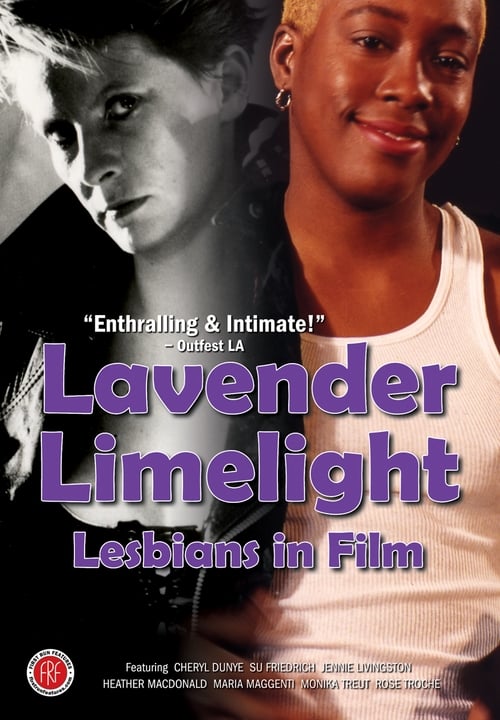
From Go Fish to Paris is Burning to The Watermelon Woman, this festival favorite goes behind the scenes to reveal seven successful lesbian directors. These talented movie-makers enlighten and entertain as they explore their sexual identity, growing up gay, inspirations and techniques, Hollywood vs. Indie, and of course, love and sex, onscreen and off. The conversations are intimate, the topics unlimited, and the clips from their work enthralling! Featuring Cheryl Dunye, Rose Troche, Jennie Livingston, Monika Treut, Maria Maggenti, Su Friedrich and Heather MacDonald.
Lavender Limelight

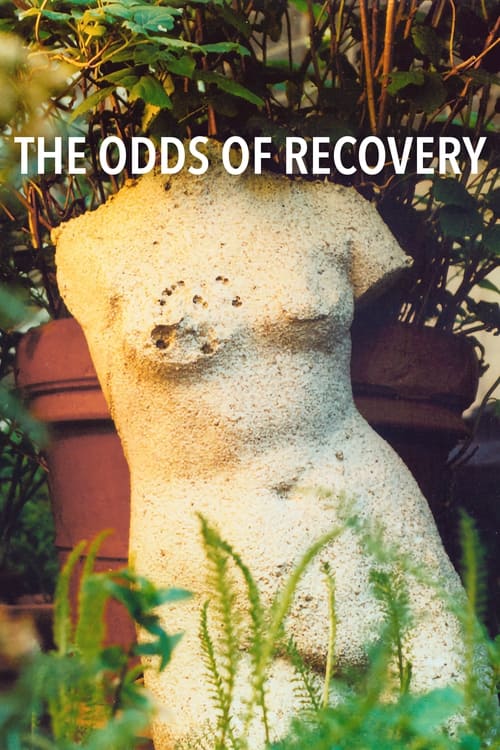
After a twenty year period of multiple illnesses and injuries, the filmmaker turns the camera on herself as a way to analyze her chances for a happier, healthier life. In the process, she captures the frustration, tedium and petty annoyances of a revolving-door relationship with the medical establishment, while portraying the complicated web of emotions that accompany any medical problem. With humor and honesty, The Odds of Recovery uses the filmmaker's medical history as a means to address a perennial human problem: the desire to avoid conflict and deny the need for radical change.
The Odds of Recovery

The film is primarily a portrait of Kam Kelly, who teaches West African drumming to students at various New York schools, including Intermediate School 292 in Brooklyn. One of his students, Jessica Jackson, is featured. The piece was commissioned for the “Crossing Brooklyn Ferry” festival at the Brooklyn Academy of Music in 2012.
Practice Makes Perfect

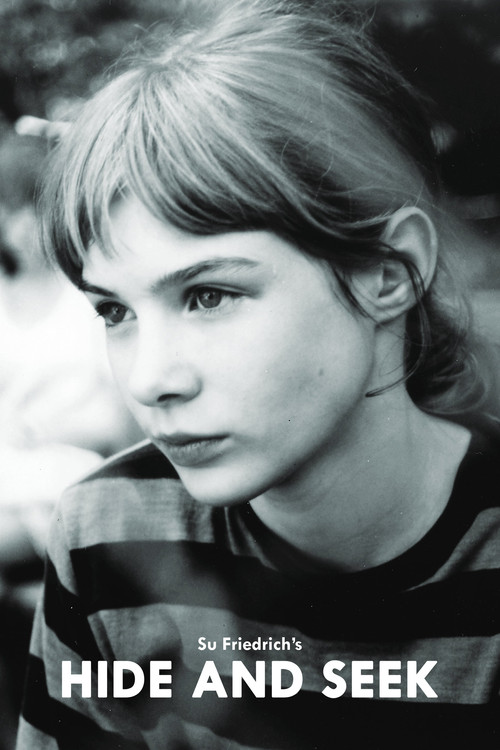
Mixes documentary interviews of memories of lesbian adolescence with the story of the 12-year-old girl Lou discovering her sexuality in 1960s America.
Hide and Seek

GENTLY DOWN THE STREAM is constructed from fourteen dreams taken from eight years' worth of my journals. The text is scratched directly on to the film so that you hear your own voice as you read. The accompanying images of women, water, animals and saints were chosen for their indirect but potent correspondence to the text.
Gently Down the Stream
Jerusalema: From Austria to Zimbabwe is a loving look back at a viral phenomenon that burst out during the Covid pandemic: The Jerusalema Dance Challenge. After Master KG–a South African musician and record producer–wrote a beat, and Nomcebo Zikode wrote the lyrics, and the Angolan dance troupe Fenómenos do Semba created a line dance (as seen above), people all over the world started posting videos of their group dancing. Hundreds of them. On airport runways, in schools, hospitals, nursing homes, at the beach, in churches and monasteries, on game reserves, in town squares, fire stations, police stations….anywhere and everywhere from Austria to Zimbabwe. I was very moved when I discovered the videos during the pandemic, so I wanted to celebrate how so many people took up the challenge and danced with joy and hope.
Jerusalema: From Austria to Zimbabwe

Su Friedrich's personal essay charting the destruction of Williamsburg, Brooklyn. After living in the neighborhood for 20 years, the filmmaker was one of many who were forced out after the city passed a rezoning plan allowing developers to build luxury condos where there were once thriving industries, working-class families, and artists. Filmed over many years, it is a scathing portrait of one neighborhood's demolition and transformation.
Gut Renovation

With few words and no polemics, From the Ground Up shows how an ordinary cup of coffee occupies center stage in the world economy. Traveling with the filmmaker from Guatemala to South Carolina to New York City and seeing each phase of coffee production unfold—the growing, picking, processing, distribution, brewing and selling—one comes to understand that most products we use have passed through the hands, and lives, of countless people in numerous countries. As the world’s second most traded commodity after oil, it’s all about the coffee, and about everything else we consume, consume, consume….
From the Ground Up

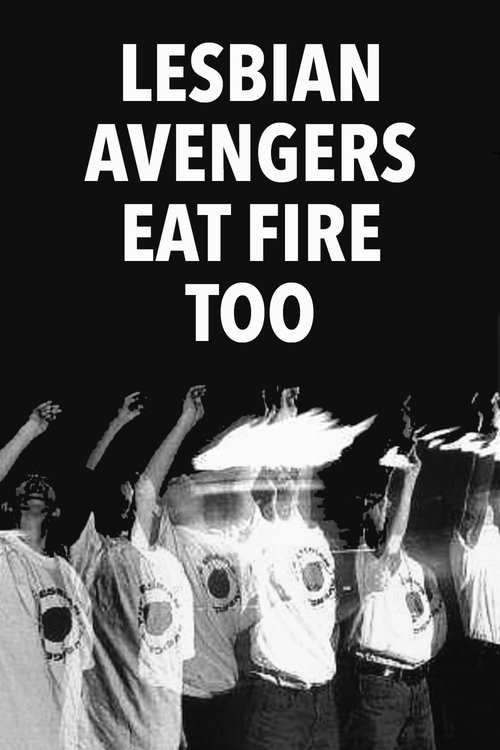
An insider's look at the first year of an activist group known as the Lesbian Avengers.
Lesbian Avengers Eat Fire Too

Su Friedrich has taken up the camera again in her ongoing quest to film the battleground of family life. Her mother Lore--who played the lead in The Ties That Bind (1984), a film about her experiences growing up in Germany during the Second World War--plays the lead again, this time kicking and protesting against being moved at the age of 94 from her home in Chicago to an “independent living” facility in New York. Friedrich and her two siblings fill out the supporting roles, cajoling, comforting, and freaking out.
I Cannot Tell You How I Feel
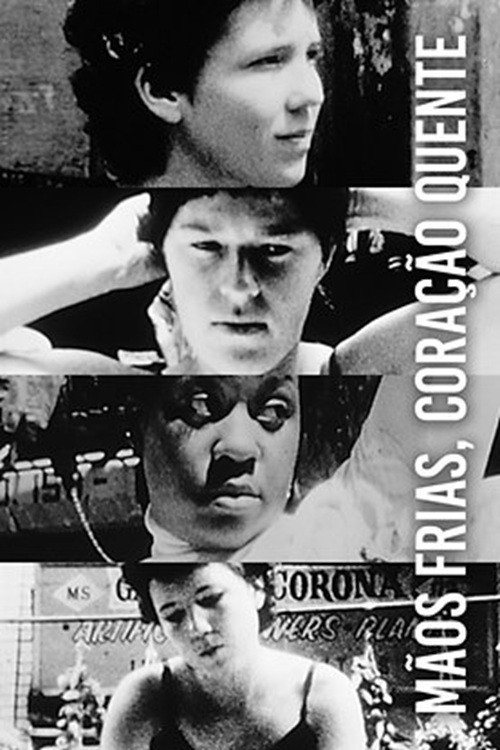
The film begins with a series of events on a crowded outdoor market street. Women on stages perform "private" rituals: shaving legs and armpits, fixing their hair, etc. A woman tries to disrupt their "work." She struggles to set herself apart from them, to resist the forces of habit, but gradually becomes more involved than she is willing to admit. Although she sets in motion a chain reaction of rebellion, she isn't able to keep the momentum going. She stops before carrying it to the logical conclusion, and ends up on the stage herself. Can we hold a knife without stabbing ourselves? Can we hold a knife without even thinking of doing that? And do we need knives?
Cool Hands, Warm Heart

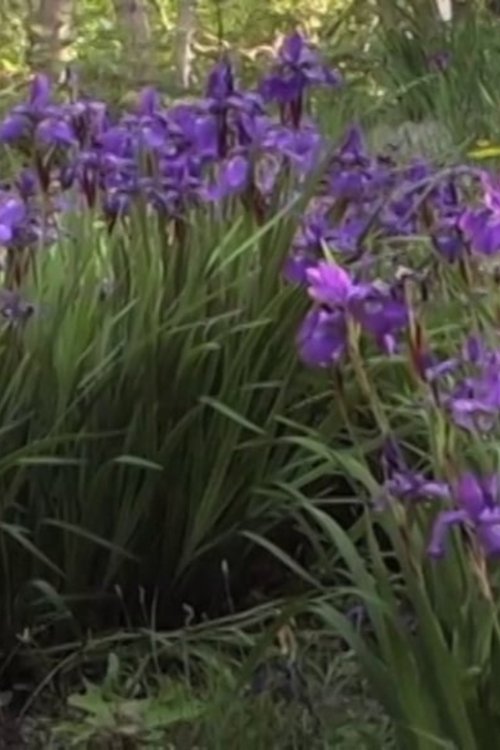
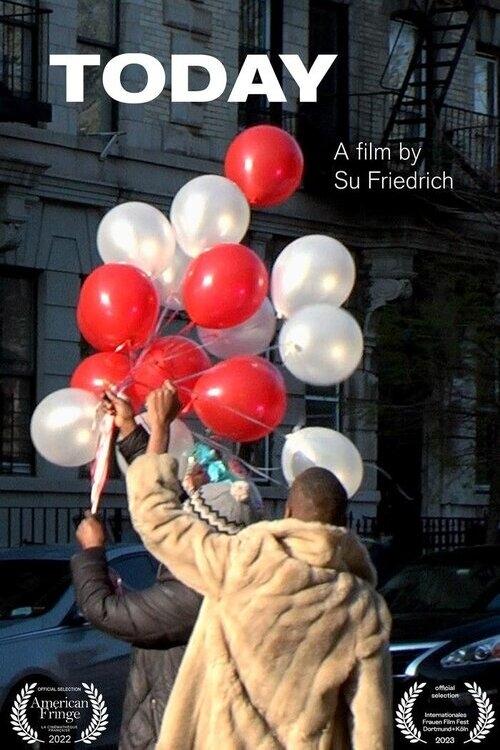
Su Friedrich is a pioneering queer filmmaker who has been making ground-breaking personal films for decades. In Today, she again eschews conventional narrative, observing her world over a six-year period. It’s a time that includes a country vacation and a city cookout. Also the loss of loved ones and the spread of a pandemic—plus the brightness of flowers, both real and fake.
Today

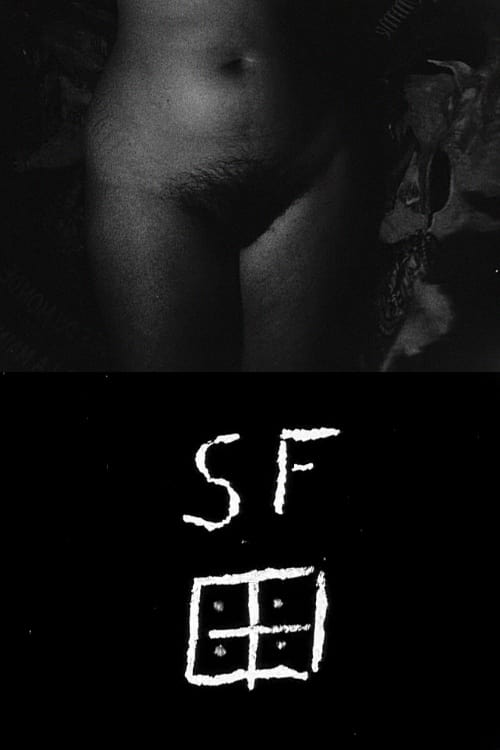
Scar Tissue by Su Friedrich is a filmic version of a white canvas or a silent music piece.The fact that Friedrich never really shows the whole body, but rather plays off of body parts could be read as a desire to show less of the people on the screen, so that the viewer's reading can be generalized. If the "characters" existed as people, the images would inevitably read to be telling a story about these people. The legs and torsos do not signify people; it is the experience of these body parts and the rhythm with which they are portrayed that constitute the work.
Scar Tissue

In Seeing Red, three elements run parallel, overlap, diverge, lock horns and in various other ways give voice to the notion that a color, a melody, or a person has multiple characteristics that cannot be grasped by, or understood within, a simple framework. One element is purely visual. One is very verbal and minimally visual. One is purely musical. So is red the color of a fire truck or a ruby, of rust or a rose, of blood or a brick? How fixed is a melody if it can be twisted, stretched and shaken to the point where we no longer recognize its original form? And when we "see red," what color is that exactly? What aspect of passion are we feeling? Are we looking outward and seeing injustice and cupidity, or looking inward at our own limitations and failings?
Seeing Red

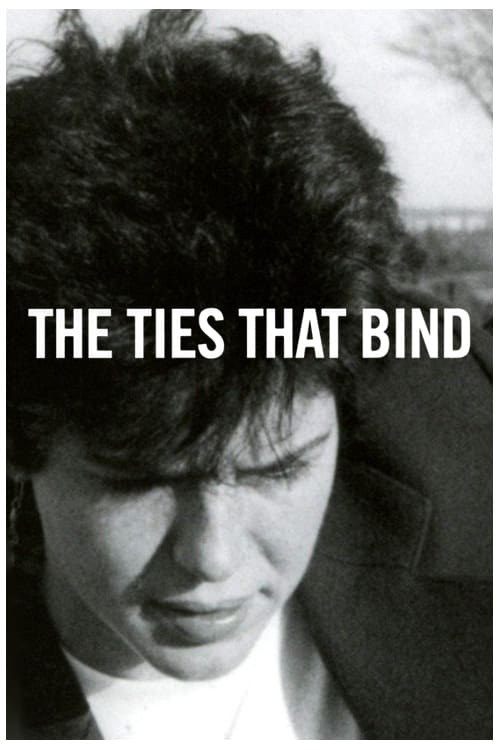
The Ties That Bind is an experimental documentary about the filmmaker's mother, who was born and lived in southern Germany from 1920-1950. Through a mixture of personal anecdote and social history, she describes the rise of Nazism, the war years, and the Allied occupation, during which she met her future husband, an American soldier. The Ties That Bind breaks with the usual format of war documentaries, thus allowing a different portrait of the individual to emerge, while it reflects on the current political situation in America and the filmmaker's activities in relation to those issues.
The Ties That Bind
"From A to Z" is a loving look back at a viral phenomenon that burst out during the Covid pandemic: The Jerusalema Dance Challenge. After Master KG--a South African musician and record producer--wrote a beat, and Nomcebo Zikode wrote the lyrics, and the Angolan dance troupe "Fenómenos do Semba" created a line dance, people all over the world started posting videos of their group dancing. Hundreds of them. On airport runways, in schools, hospitals, nursing homes, at the beach, in churches and monasteries, on game reserves, in town squares, fire stations, police stations….anywhere and everywhere from Austria to Zimbabwe. I was very moved when I discovered the videos during the pandemic, so I wanted to celebrate how so many people took up the challenge and danced with joy and hope.