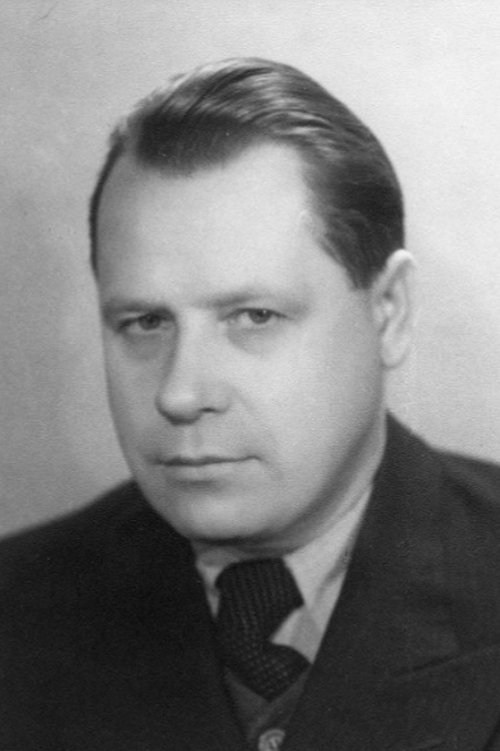
Ilya Kopalin
Directing
Biography
Ilya Petrovich Kopalin (1900–1976) was a Soviet film director renowned for his impactful documentaries. He is best remembered for capturing some of the most historic moments of the 20th century, including the Yalta Conference, where he filmed Stalin, Churchill, and Roosevelt, as well as the momentous flight of Yuri Gagarin, the first human to journey into space. Kopalin's work as a filmmaker focused on documenting significant events in Soviet history, earning him recognition as a key figure in Soviet documentary filmmaking.
Known For

March 9th, 1953. A gray, sad day. Clouds float low over the Kremlin towers. A city that unrecognizably grew, prettier and matured - this Moscow froze in solemn grief. The country escorts its father and leader, Joseph Stalin.
Velikoye proshchaniye

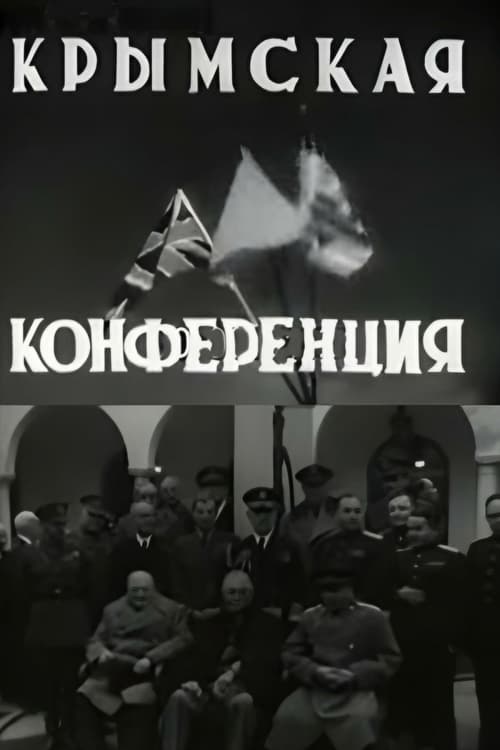
The Crimean (Yalta) conference of the leaders of the three powers - allies in the Anti-Hitler coalition was held from February 4 to February 11, 1945 in the Livadia Palace near Yalta.
Crimean Conference

“The Magic Beam” is a film essay woven together from newsreels and documentary material from different decades, fragments of hundreds of non-fiction and fiction Soviet films of the 1910s-1960s.
The Magic Beam

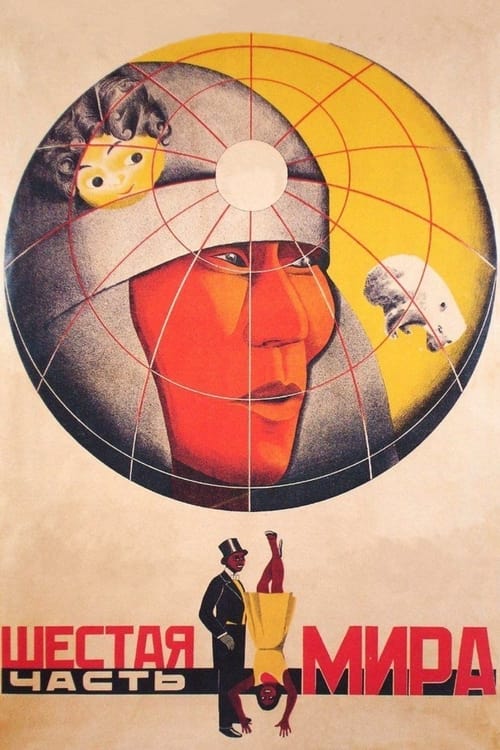
Through the travelogue format, it depicts the multitude of Soviet peoples in remote areas of USSR and details the entirety of the wealth of the Soviet land. Focusing on cultural and economic diversity, the film is in fact a call for unification in order to build a "complete socialist society".
A Sixth Part of the World

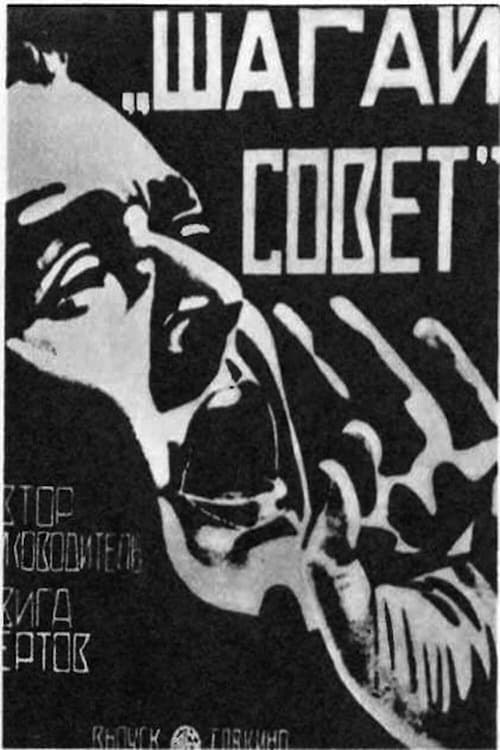
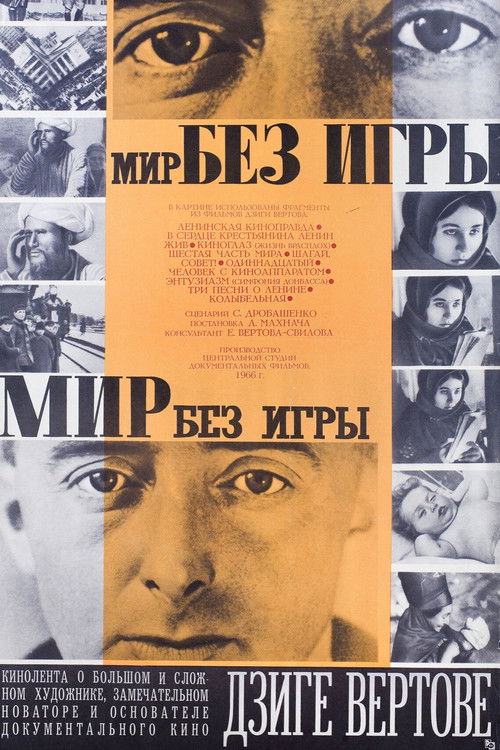
Documentary portrait of Dziga Vertov, father of documentary cinema.
World Without a Game

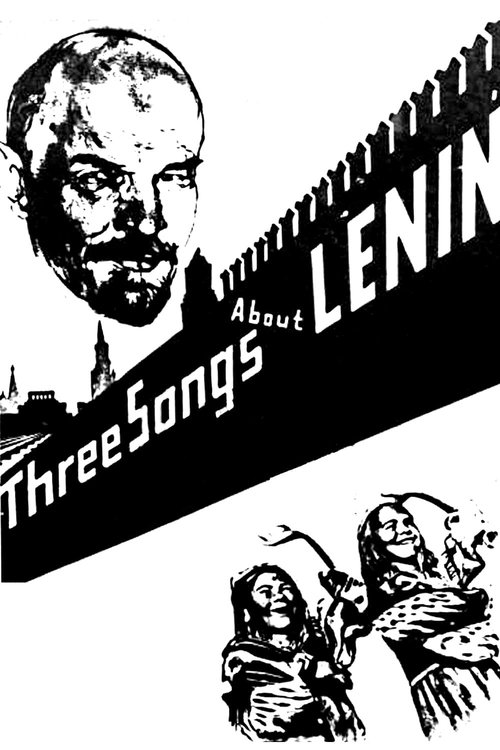
This documentary, made up of 3 episodes, is based on three songs sung by anonymous people in Soviet Russia about Vladimir Ilyich Lenin.
Three Songs About Lenin

No description available.
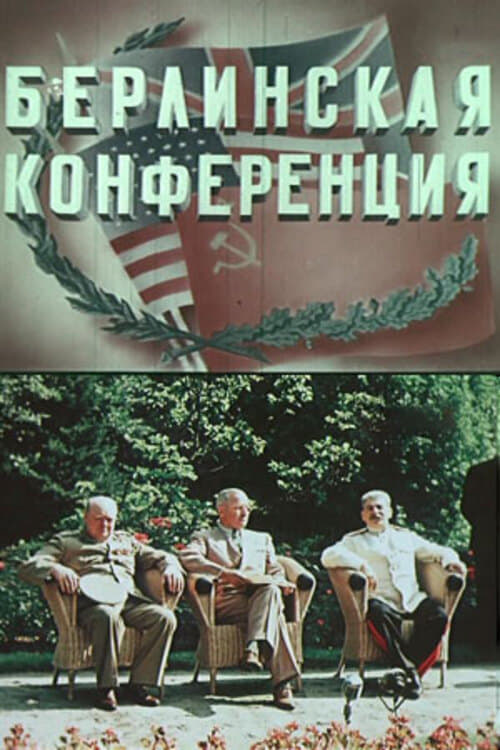
Berlin Conference
No description available.
A Celebration of Our Youth

No description available.
Day of the Victorious Country

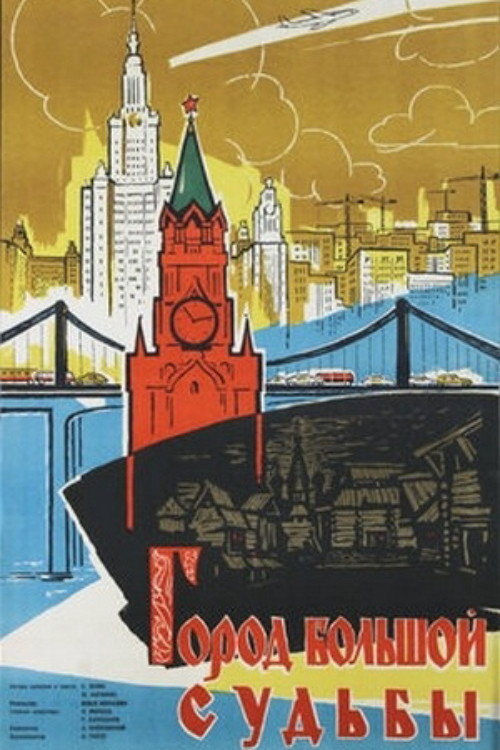
Documentary almanac directed by the great cinematographer Mikhail Kaufman about the life of the Soviet capital.
Moscow
About the defense of Moscow in the winter of 1941-1942.
To Protect Native Moscow

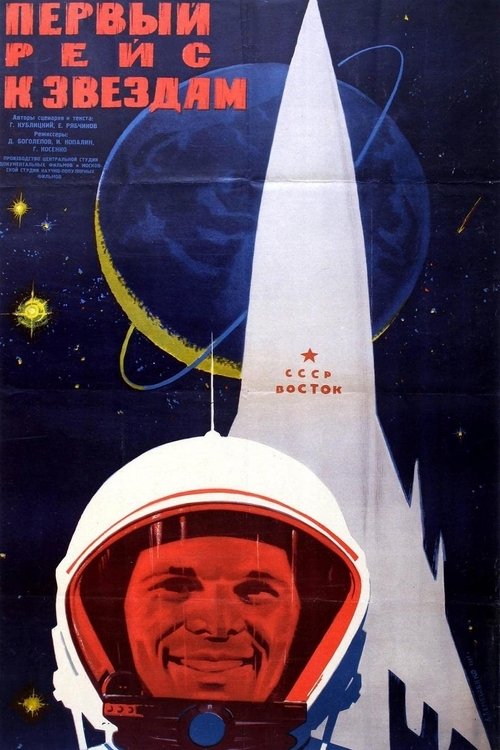
The history of the Soviet space program and the flight of the world's first manned spacecraft "Vostok" piloted by Yuri Gagarin.
First Flight to the Stars
No description available.
The Liberated Czechoslovakia

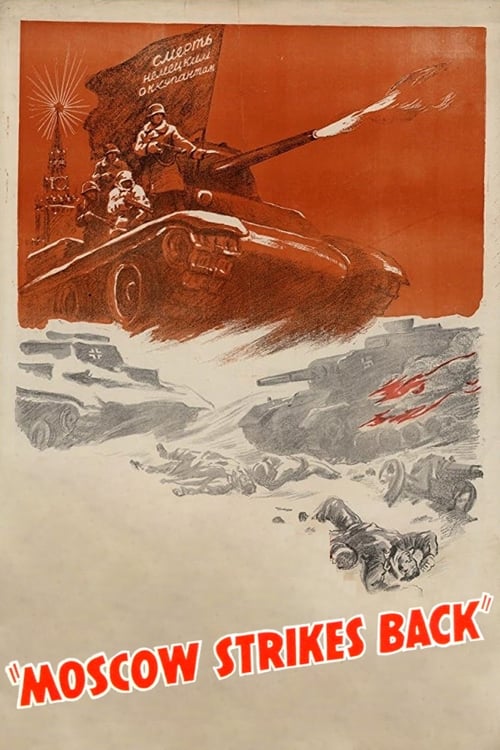
A Soviet documentary chronicling the Battle of Moscow (October 1941 – January 1942), when Red Army forces repelled the German advance on the capital. Shot by numerous frontline cameramen, it combines harrowing footage of combat and civilian suffering with scenes of Nazi atrocities, framed against themes of Russian heroism and cultural survival. Originally released under the title Defeat of the German Armies Near Moscow, the English-language version, narrated by Edward G. Robinson, was retitled Moscow Strikes Back. The film won the 1943 Academy Award for Best Documentary. Warning: contains graphic images.
Moscow Strikes Back
Propaganda film about Soviet Latvia.Events in Latvia in 1940: the release of political prisoners, demonstrations in the streets of Riga, the Latvian delegation in Moscow. Latvian countryside, fishing, Riga harbour, Riga sights, Presidium of the Supreme Soviet of the Latvian SSR. Nurseries and kindergartens, University of Latvia, outskirts of Riga, 9th Congress of the Communist (Bolshevik) Party of Latvia. Peat mining, industry, workers' club, Russian language courses, schools and pioneer organisation. Cultural life.
Towards the Sun

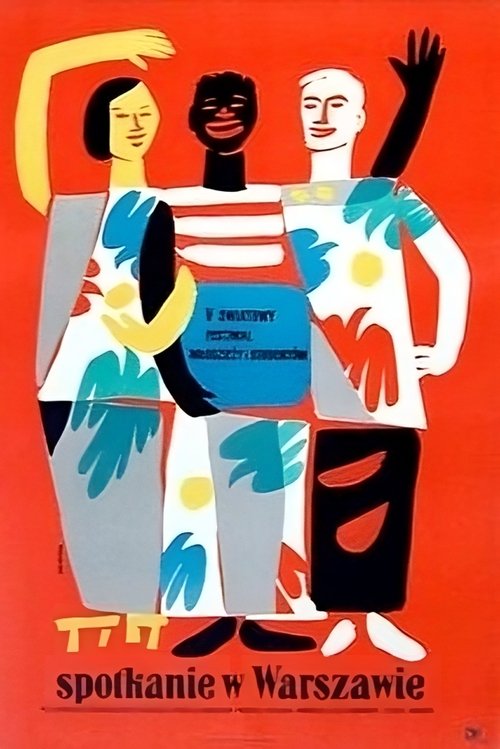
Documentary on the 5th World Festival of Youth and Students which was held from 31 July to 15 August 1955 in Warsaw.
Warsaw Meetings

An exciting journey through the picturesque expanses of the Bryansk region, exploring the unique culture and traditions of the area.
In the Bryansk Polesie

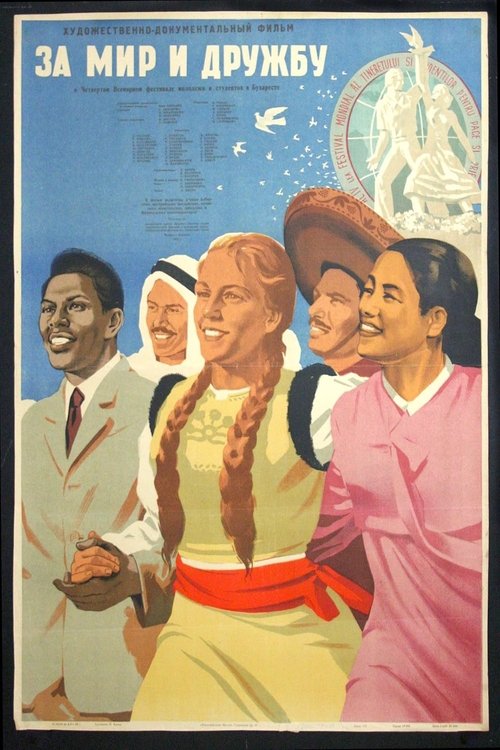
A documentary on the Fourth World Festival of Youth and Students that took place in the summer of 1953 in Bucharest.
For Peace and Friendship

The world’s first trial against German war criminals took place in Kharkov in December 1943. The film covers the trial of three Germans and one Russian: Corporal of German Secret Field Police Reinhard Retzlaw; Captain of the German Military Counter-Espionage Service Wilhelm Langheld; SS Obersturmbannführer, Company Commander of the SD Sonderkommando Hans Ritz; and collaborator, assistant to SD Sonderkommando, driver of the “gas van” Mikhail Bulanov. In the presence of 40,000 Kharkov citizens, the criminals were hanged on the Blagoveshchensk market, where the invaders themselves had previously carried out mass executions.
The Court Is in Session
Directed by Ilya Kopalin.