FEEL IT.STREAM
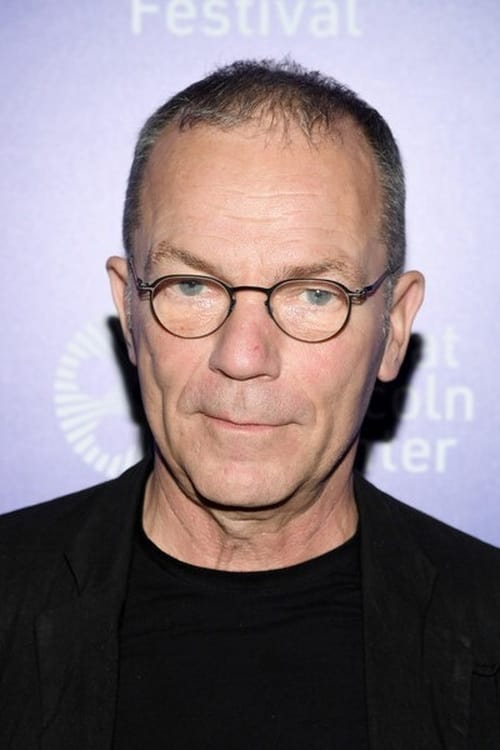
Thomas Heise

Thomas Heise

Directing

Biography

Thomas Heise was born in Berlin, capital of the German Democratic Republic, in 1955. After school he trained as a printer. After his military service in the East German armed forces he began to work as an assistant director at the DEFA - Studio for Feature Films in Potsdam Babelsberg in 1975. Between 1978 and 1983 Heise studied at the Academy of Film & Television in Potsdam-Babelsberg (HFF/B). His first film, the documentary Wozu denn über diese Leute einen Film/Why a Film About These People - produced entirely with materials bought on the black market - was banned from public screening. Since 1983 he has worked as a free-lance writer and director in the areas of theatre, audio drama and documentary. Until the end of the GDR all his documentary efforts were however either blocked by what was – in official jargon – called 'operative means' or destroyed or confiscated. Since the beginning of the 1990s Heise's documentaries have attracted national and international attention. Since 2007 he's been teaching as a Professor for Film and Media Art at Hochschule für Gestaltung Karlsruhe. Thomas Heise's earlier films dealt with social phenomena in the GDR and the country's bureaucratic apparatus. From the late 80s his focus has moved to the changes individuals, families and regional communities have had to undergo in the aftermath of the German reunification. The works of the filmmaker encompass a wide range of contemporary socially relevant topics such as privatisation, the re-organisation of the formerly industrial sphere, unemployment and rightwing radicalism to name but a few.

Known For

DAS!
4.7

Every evening at 6:45 p.m. sharp, a prominent guest takes a seat on the red sofa—and DAS! provides daily updates on what's hot in the north.

DAS!

1991
Höllental
7.2

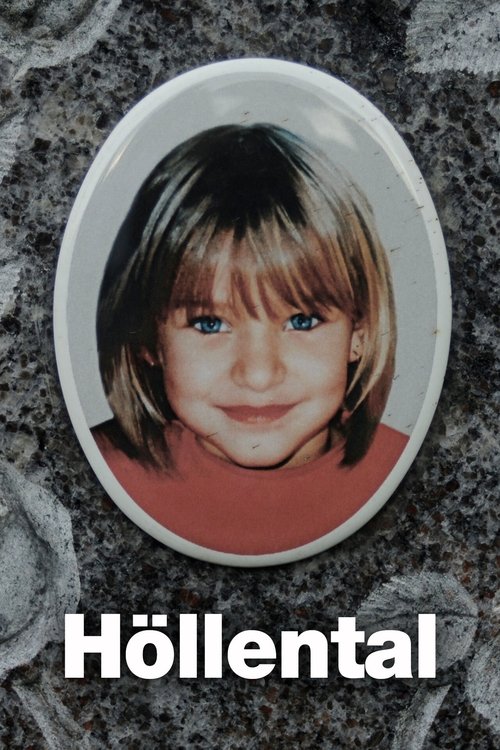
The disappearance of Peggy Knobloch is one of the most known criminal cases in Germany.

Höllental

2021
24 Hours Berlin
9.0

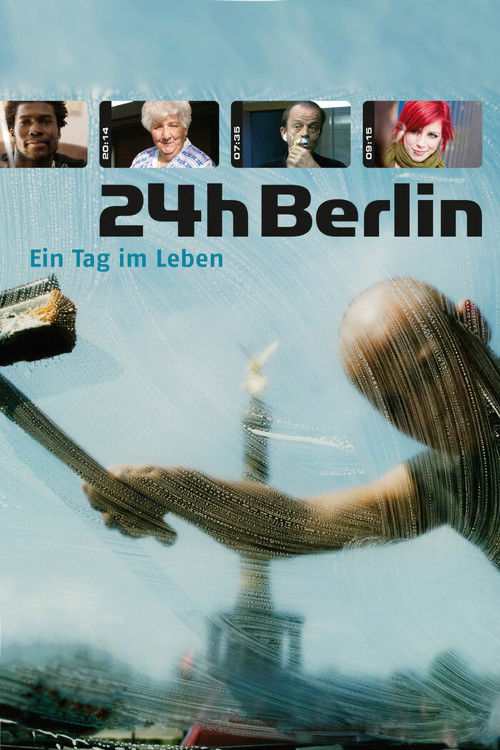
24-hour television documentary about Berlin and its inhabitants, reporting in real time on the everyday lives of more than 50 protagonists from a wide range of professions, social classes, religions and ethnicities.

24 Hours Berlin

2009
Stau – Jetzt geht’s los
4.4

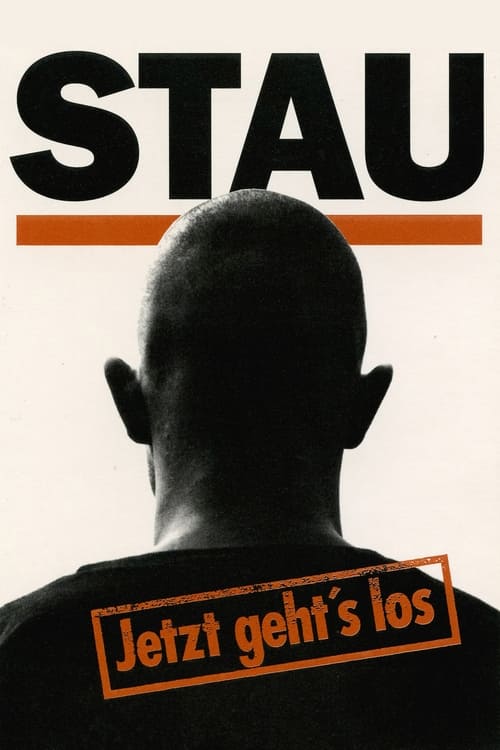
A group of young people in Halle-Neustadt moving aimlessly between the concrete blocks once built as a socialist model housing estate. Familiar certainties dissolved along with the GDR. Even though there were hardly any foreigners in Saxony-Anhalt, a dull aversion to everything that hadn’t been part of daily life until then began to spread. The general dissolution, perceived as a threat, is countered by apparently clear world views. When Thomas Heise won the “Documentary Film Prize 1992” at the Duisburger Filmwoche, the laudation ended with the assumption that the film would probably provoke disagreement. It turned out to be true.

Stau – Jetzt geht’s los

1992
Iron Age
5.7

Ten years after breaking off the film "Anka and ..." nearly all the protagonists of that time have disappeared. Mario and Tilo hung themselves in the final phase of the GDR, Frank is surviving in West Berlin addicted to drugs, and Karsten is doing pretty well there. Anka, however, who once was in love with each of them, lives alone with her danghter in Eisenhüttenstadt. A film about normality in life.

Iron Age

1991
Heimat Is a Space in Time
6.6

Director Thomas Heise picks up the biographical pieces left by his family, and composes an epic picture of four generations of his family, of a country, of a century.

Heimat Is a Space in Time

2019
No image
N/A

No description available.

Wendezeit – Rückblick auf den Mauerfall

2019
20 × Brandenburg
5.0

Under the artistic direction of director Andreas Dresen, 20 renowned documentary filmmakers, experienced television writers, and teams tell stories about the country and its people. The teams filmed at 20 different locations between June and August 2010 under the same production conditions: four days of filming, one week of editing.

20 × Brandenburg

2010
Solar System
7.8

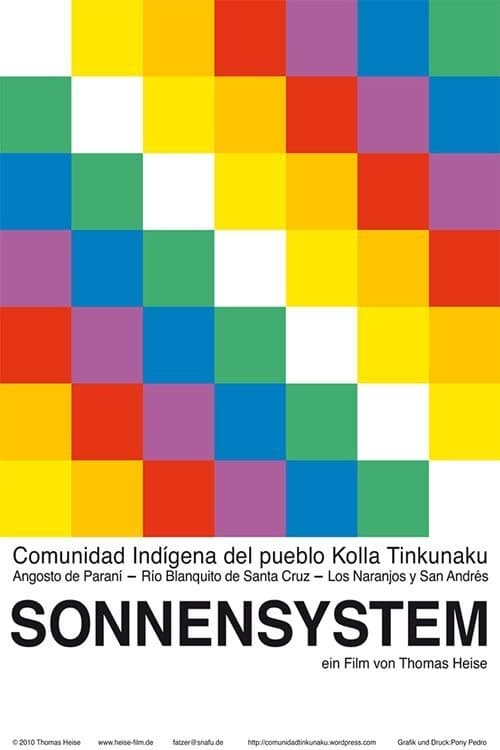
Solar System is a film about disappearance. It is a portrait of daily life in the indigenous community of the Kollas in Tinkunaku in the mountains of northern Argentina.

Solar System

2011
No image
4.2

The third part of Thomas Heise's time-lapse observation, in which he accompanies the people of Saxony-Anhalt. At the centre of the film is Jeanette, who grew up with four brothers and became pregnant at 15. In the meantime, however, she fulfilled her dream and became a bus driver. Her eldest son Tommy is a troubled child, while the younger Paul is doing well at school and the family has high hopes for him. Heise interacts with her family with openness and caution, without shaming anyone. What emerges is a work about the changing story of a place and the people who live there.

Children. As Time Flies.

2008
Snack Bar Special
8.0

The lower level of Lichtenberg Station in Belin in early October 1989: the beginning of the end for the GDR. In the snack bar, the staff are catering for travellers of every kind while in the background the authorities maintain a flow of triumphal statements, but those months between August and October come to feel like sitting out the death throes. Careful observation of people and their work as the current of history suddenly becomes perceptible.

Snack Bar Special

1990
The People's Police Force, 1985
6.5

Thomas Heise documents the everyday life of the "People's Police Force" in Berlin Mitte.

The People's Police Force, 1985

1985
No image
5.2

DETECTION. Consideration of past, present and future of a small village in Germany. For over a century — wars and states went by — the military is the largest employer. The everyday life of the community is inextricably linked to the events on the nearby military training area. Diaries, daily instructions, petitions, letters and photos tell about daily life at different times.

Detection

2012
No image
N/A

With his background in Brechtian theater and the material-like, pure poetic style of his documentaries, Thomas Heise has created his very own kind of filmic expression.

Documentary filmmaking: Christoph Hübner talks with Thomas Heise

2012
Kids
6.0

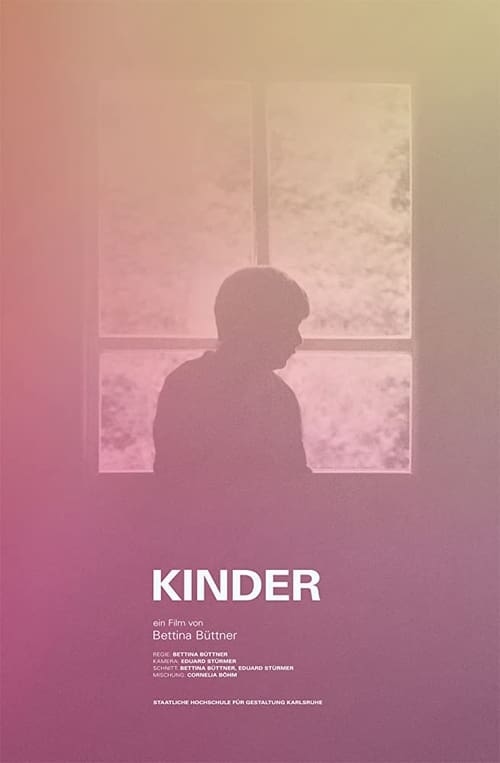
In Bettina Büttner’s exquisitely lucid documentary Kinder (Kids), childhood dysfunction, loneliness, and pent-up emotion run wild at an all-boys group home in southern Germany. The children interned here include ten-year-olds Marvin and Tommy. Marvin, fiddling with a mini plastic Lego sword, explains matter-of-factly to the camera, “This is a knife. You use it to cut stomachs open.” Dennis, who is even younger, is seen in a hysteric fit, mimicking some pornographic scene. Boys will be boys, but innocence is disproportionately spare here. Choosing not to dwell on the harsh specifics, Büttner reveals the disconcerting manner in which traumatic episodes can manifest themselves in the mundane — a game of Lego, Hide and Seek, or Truth or Dare. Filmed in lapidary black-and-white, Büttner’s fascinating film sheds light on childhood from the boys’ characteristically disadvantaged perspective — one not yet fully cognizant — leaving much ethically to ponder over.

Kids

2011
No image
6.0

Documentary about a juvenile prison in Mexico City.

Städtebewohner

2014
Material
6.1

"Pictures from the late eighties in the GDR on up to the immediate present in the year 2008 in Germany. What has been left over besieges my mind. All these pictures keep reassembling themselves to make up something which they were originally not made for. They are still in motion. They are becoming history." (Thomas Heise)

Material

2009
So Why Make a Film About These People?
7.0

"This was my first student documentary. I shot it over the Easter vacation in 1980 on 16mm, black-and-white reversal film. Apart from two five-minute exercises, it was destined to be the only film I ever finished at the College of Film and Television of the German Democratic Republic (Hochschule für Film und Fernsehen der DDR, HFF) in East Germany’s Potsdam-Babelsberg. It was quickly banned from being shown publicly and it remained in storage until the end of 1989. The film tells the story of a mother and her sons having coffee and cake while they try to remember –in vain– when the first time was that they tangled with the police. The reason it was banned was the casual way the film portrayed those young men living their lives untouched by ideology, including taking their careers as petty criminals for granted, meaning the film’s author accepted their existence, as is, and simply wanted to explore it.”

So Why Make a Film About These People?

1980
No image
4.3

Thomas Heise’s film reframes Pope Benedict XVI’s September 2011 visit to Erfurt not as a triumphal “Pope-mania” spectacle but as a meticulously orchestrated state ritual. In austere black-and-white, the omnipresent pontiff yields to police, snipers, security guards and a nervous premier, all in rigid protocol amidst Thuringia’s Catholic enclave. Under the cathedral’s slogan, “We are all together in our beliefs,” Heise quietly asks whether such choreographed faith still holds meaning.

Die Lage

2012
Notorious Deeds
6.0

Bucharest, October 1989: a secondary school student disappears without a trace. Weeks later, he resurfaces at a meeting of the Communist Youth where he is denounced for certain "reprehensible actions" and excluded from the organization. As a result of the same "reprehensible" deeds he is expelled from the school. His schoolmates are never told what his actions actually were. "Notorious deeds, unworthy of being mentioned," is the only comment provided by a high-level communist party representative. Now, 25 years later, those involved are keen to tell their side of the story.

Notorious Deeds

2016