Directing
Hosted by Hamish Macdonald, Q&A puts punters, pollies and pundits together in the studio to thrash out the hot issues of the week. It's about democracy in action - the audience gets to ask the questions.
This documentary explores the life and times of Russell Dean Willey, a neo-Nazi supergrass, in order to explain the presence of Jack Van Tongeren's Australian Nationalists Movement in Australia, and its spread, especially in difficult economic times.
Blowin' in the Wind examines the secret treaty that allows the US military to train and test its weaponry on Australian soil. It looks at the impact of recycled uranium weapons and the far-reaching physical and moral effects on every Australian. The film's release has been timely as the Australian government currently moves to approve more uranium mines while arguing the contrary - that by going nuclear Australia is being both 'safe' and 'green'.
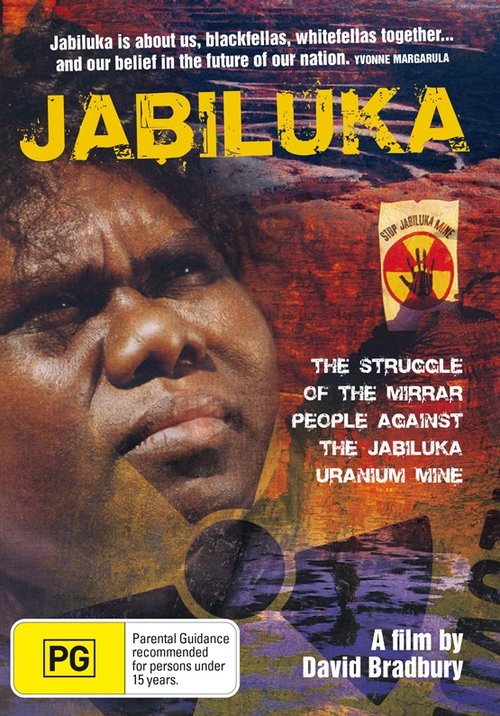
Energy Resources of Australia (ERA) pushes to open a new uranium mine that is surrounded by the World Heritage listed Kakadu National Park.
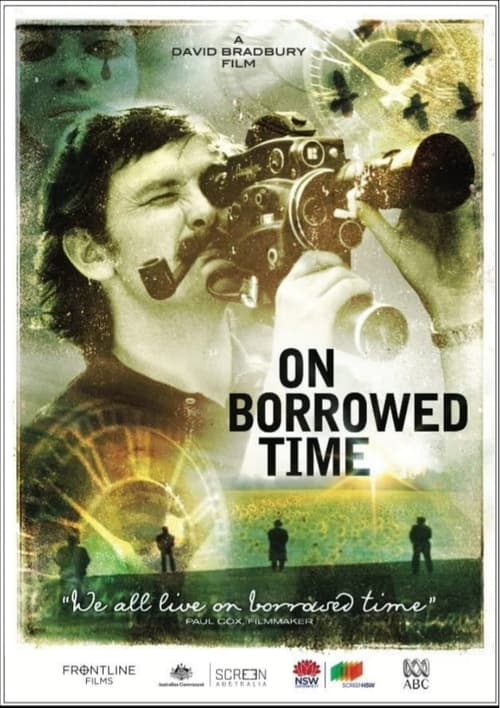
Auteur filmmaker Paul Cox contemplates his own mortality and his life's work as he wits for a life saving liver transplant.
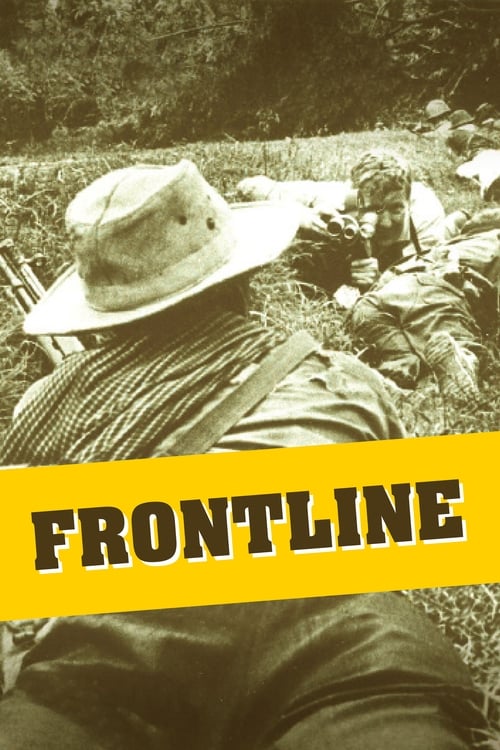
Frontline is a 1980 Australian documentary film directed by David Bradbury. It follows the career of Tasmanian-born combat cameraman Neil Davis, particularly his time in South Vietnam and Cambodia in the late 1960s and early 1970s. It was nominated for an Academy Award for Best Documentary Feature. [Note: as shown in the movie poster, the title may be "Frontline", not "Front Line".]
The film combines comedy and serious content to explain the dangers of uranium mining, the nuclear fuel cycle and the use of depleted nuclear materials – much of which originates in Australian uranium mines – in weapons production. The message is simple and clear: Despite assurances from the mining companies, there is NO SAFE LEVEL of radiation exposure, below which there is no risk of cancer or birth defects occurring.
In 1978 the revolutionary Sandinista movement came to government after 43 years of organised resistance and the death of 50,000 Nicaraguans. This film follows charismatic guerilla leader Tomas Borge opposing CIA attempts to overthrow the Sandinistas.
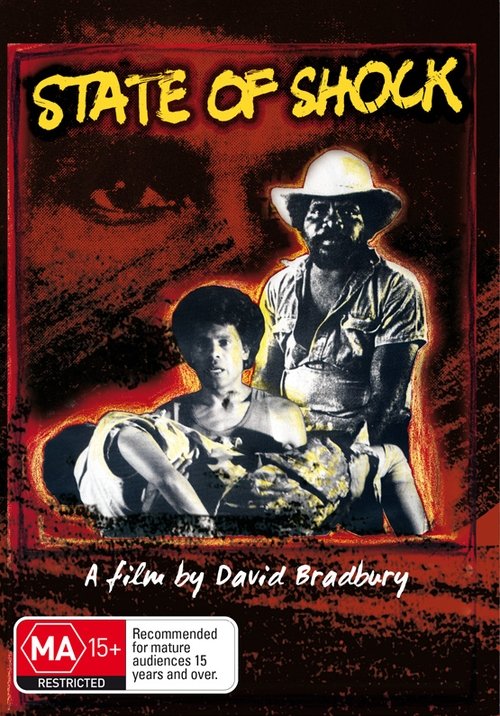
The 1981 murder trial of Alwyn Peter made Australian legal history when his defence lawyer successfully argued that charges of murder and manslaughter were inappropriate for dispossessed, semi-tribal Aborigines.
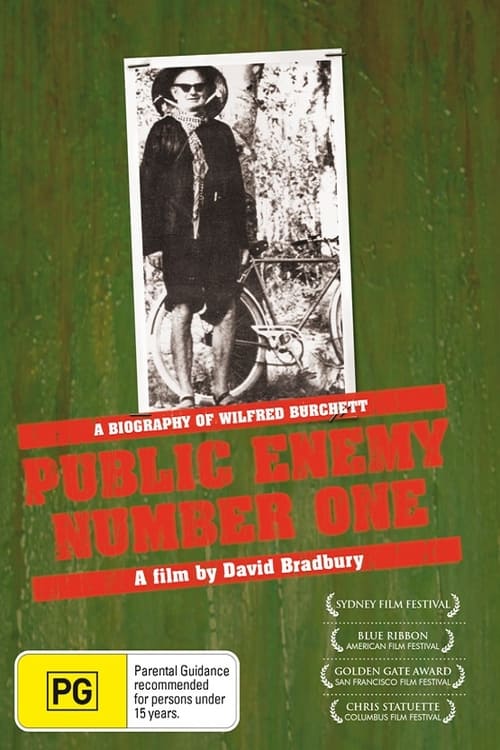
Australian journalist Wilfred Burchett reported the Vietnam War from the perspective of the North Vietnamese. For this he was reviled as a traitor and a communist in the Australian media. He had been the first journalist into Hiroshima after the atom bomb, and he covered wars in Vietnam, Laos and Cambodia. Filmmaker David Bradbury interviews Burchett in his later years and intercuts the interview with archival footage and still photographs. Burchett is seen in newsreel coverage and in footage taken by the North Vietnamese. Archival footage of the Vietnam War and newsreel footage of Hiroshima after the atom bomb enrich the documentary.
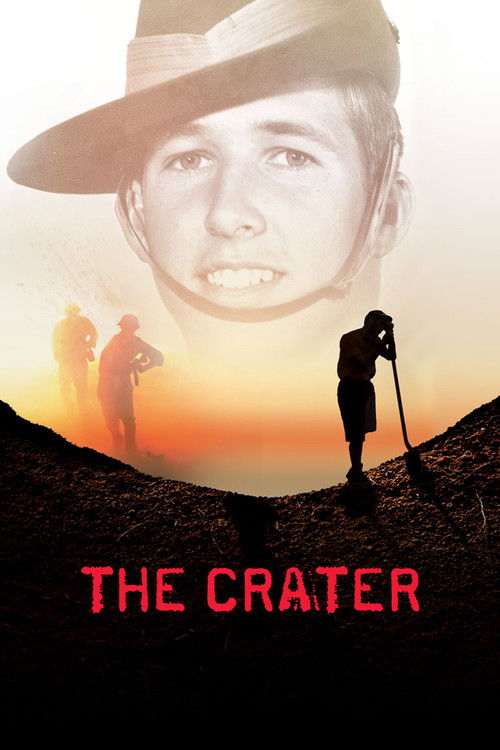
A personal story of one man's tour of duty in Vietnam and his obsessive search to locate forty-two former enemy soldiers killed in action so that their bodies can be returned to their families and their spirits put to rest.
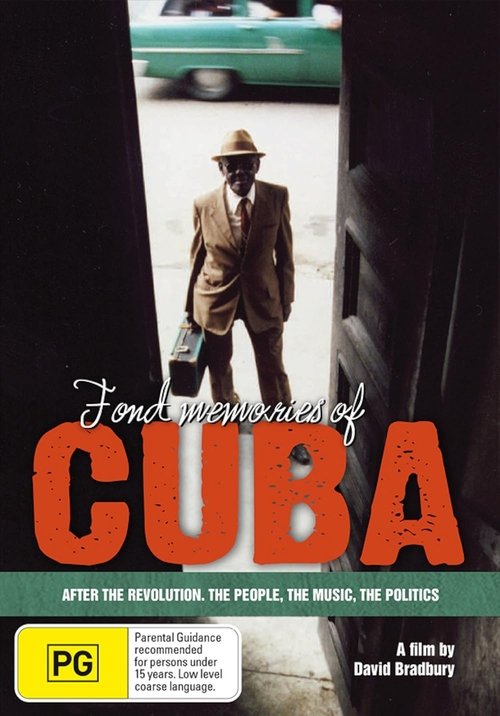
At the urging of a socialist fellow Australian, filmmaker David Bradbury travels to Cuba and documents the current economic, social and cultural realities and disappointments of post-revolutionary Cuba.
Examines how the political and economic struggle in Central America is expressed through the vibrant and passionate music of the people south of the border, from Mexico to Managua.
An intimate and often dangerously up-close portrait of a man driven to change the world and a frightening insight into the politics of poverty in 21st century Argentina.
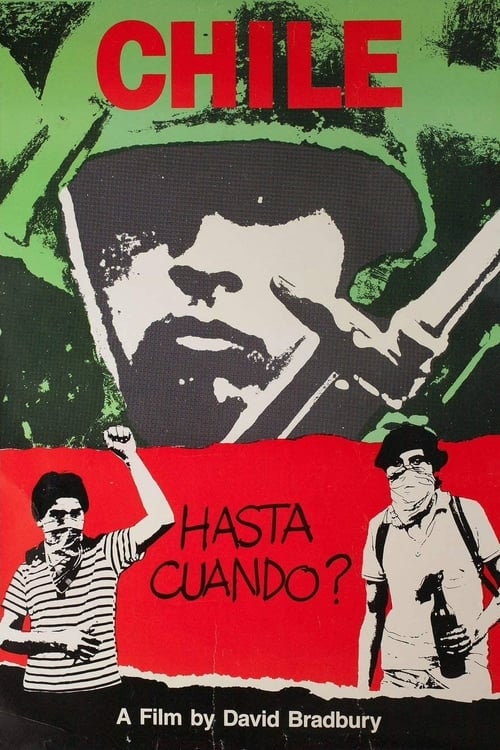
A portrait of a brutal Pinochet military dictatorship made during a three month visit to Chile in 1985 by David Bradbury. The footage reveals a country torn with civil strife and political unrest; military intimidation of the population; indiscriminate arrests: murder torture and disappearances were facts of Chilean life.
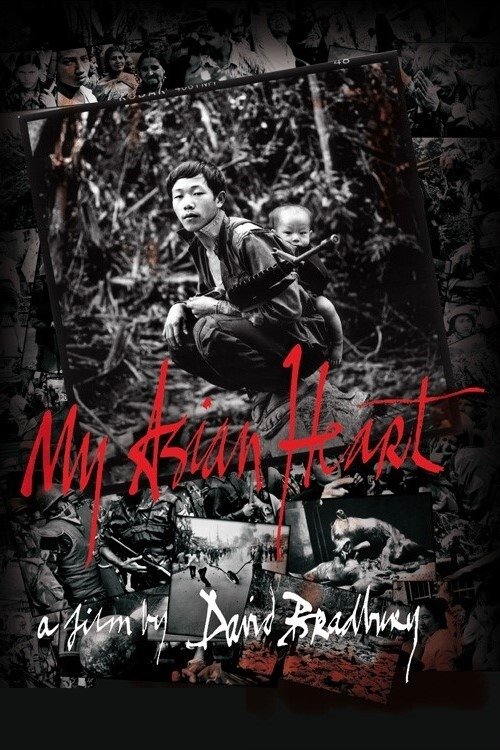
My Asian Heart follows award winning photojournalist Philip Blenkinsop on assignment to China, setting up his next exhibition. Capturing Nepal during the pro democracy uprisings. And reflecting on the plight of the Hmong “survivors” who continue to haunt him. In Philip’s world there’s constant tension between his artistic commitments and the drive to report on world conflicts. From the director of the Academy award nominated film Frontline about the legendary Vietnam war news cameraman Neil Davis, David Bradbury’s film, My Asian Heart.