Lorenzo Robledo
Acting
Biography
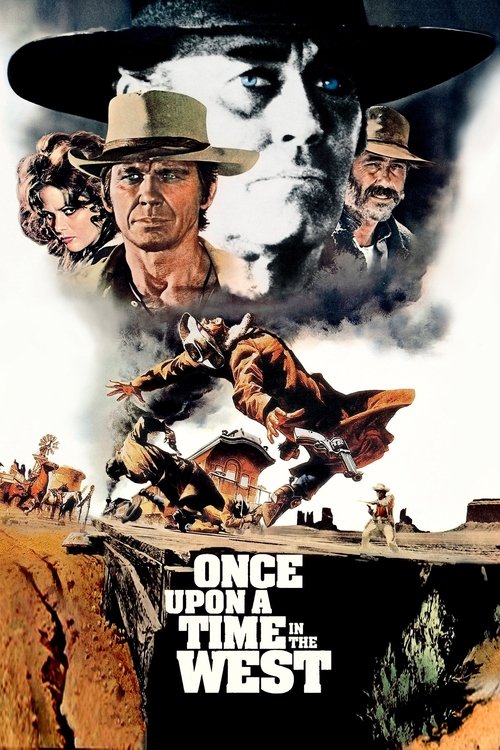
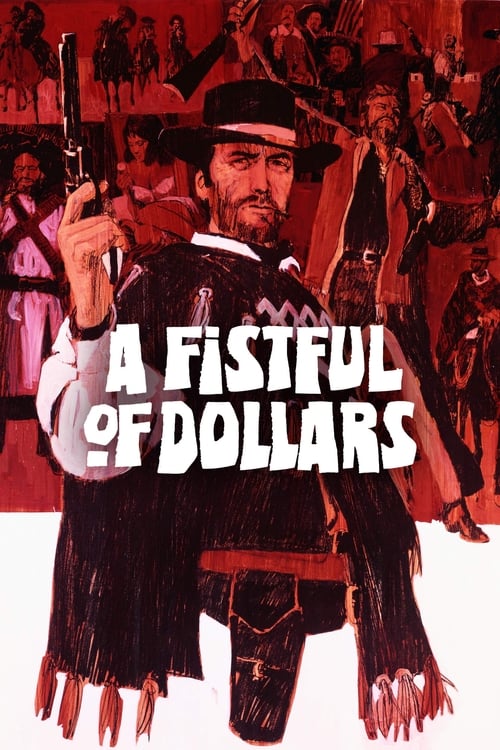
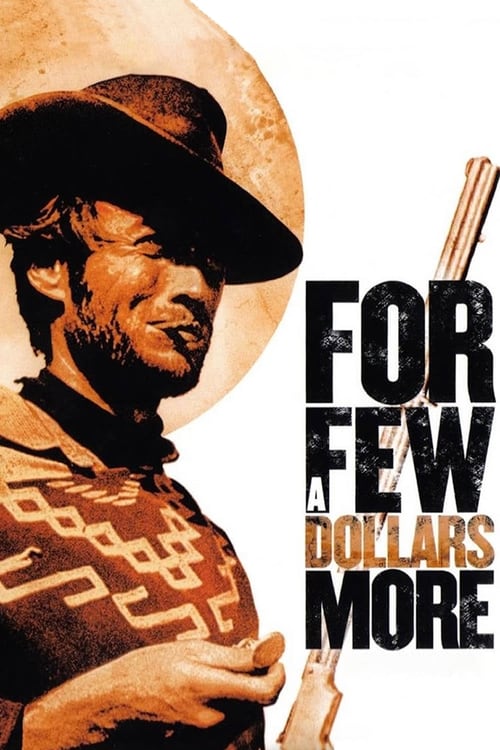
Lorenzo Robledo (3 July 1918 – September 2006) was a Spanish film actor, who made over 85 appearances in film between 1956 and 1982. He is a familiar face in Italian westerns, having appeared in a total of 32 Spaghetti Western films throughout the 1960s and early 1970s. Robledo is probably best known for his roles in Sergio Leone's Spaghetti Western films of the 1960s and 1970s, portraying minor characters in the trilogy of films A Fistful of Dollars (1964), For a Few Dollars More (1965), The Good, the Bad and the Ugly (1966), and Once Upon a Time in the West in 1968. He acted in many other westerns prolifically including the tortured sheriff in Four of the Apocalypse (1975).
Known For

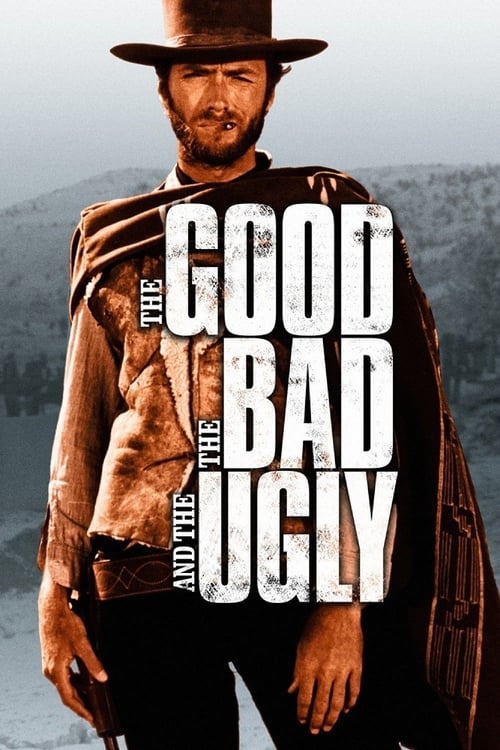
While the Civil War rages on between the Union and the Confederacy, three men – a quiet loner, a ruthless hitman, and a Mexican bandit – comb the American Southwest in search of a strongbox containing $200,000 in stolen gold.
The Good, the Bad and the Ugly

History Professor Brad Fletcher heads west for his health, but falls in with Solomon Bennett's outlaw gang. Fascinated by their way of life, Fletcher finally takes over the gang, leading with a new 'efficient' ruthlessness.
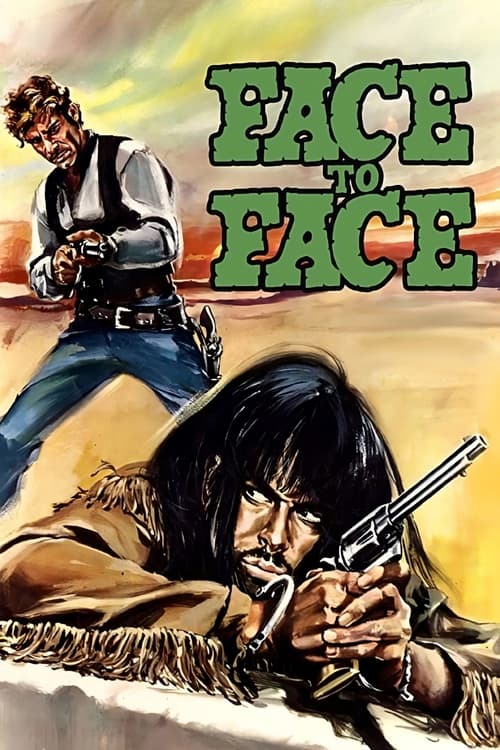
Face to Face

Two bounty hunters both pursue the brutal and sadistic bandit, El Indio, who has a large bounty on his head.
For a Few Dollars More

The Man With No Name enters the Mexican village of San Miguel in the midst of a power struggle among the three Rojo brothers and sheriff John Baxter. When a regiment of Mexican soldiers bearing gold intended to pay for new weapons is waylaid by the Rojo brothers, the stranger inserts himself into the middle of the long-simmering battle, selling false information to both sides for his own benefit.
A Fistful of Dollars

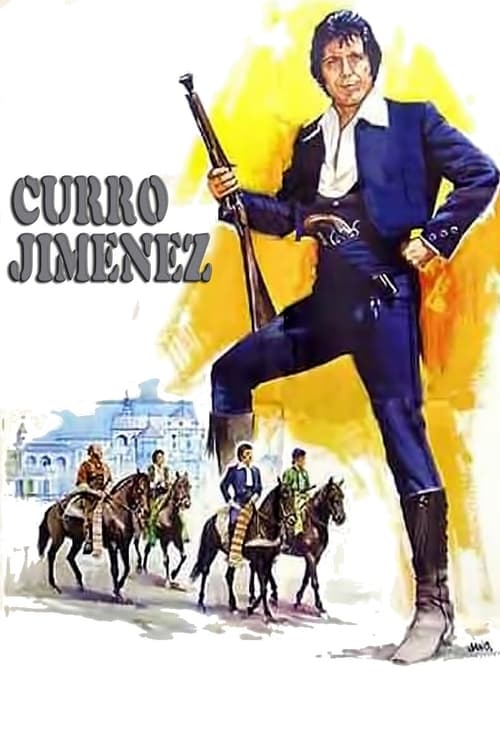
Curro Jiménez was a successful Spanish TV series that aired on TVE1 from 22 December 1976 to 1979. Its main theme was Andalusian "bandolerismo" in the 19th century, located in the Ronda mountains. The main characters were four bandits, Curro Jiménez
Curro Jiménez

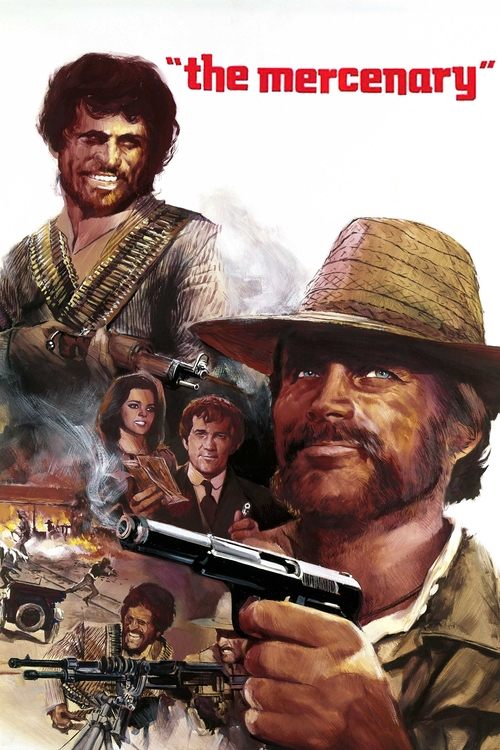
While a Mexican revolutionary lies low as a U.S. rodeo clown, the cynical Polish mercenary who tutored the idealistic peasant tells how he and a dedicated female radical fought for the soul of the guerrilla general Paco, as Mexicans threw off repressive government and all-powerful landowners in the 1910s. Tracked by the vengeful Curly, Paco liberates villages, but is tempted by social banditry's treasures, which Kowalski revels in.
The Mercenary

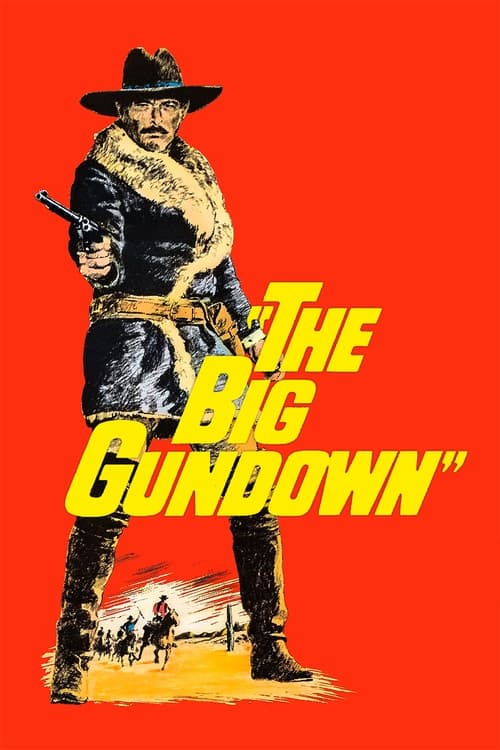
Unofficial lawman John Corbett hunts down Cuchillo Sanchez, a Mexican peasant accused of raping and killing a 12-year-old girl.
The Big Gundown

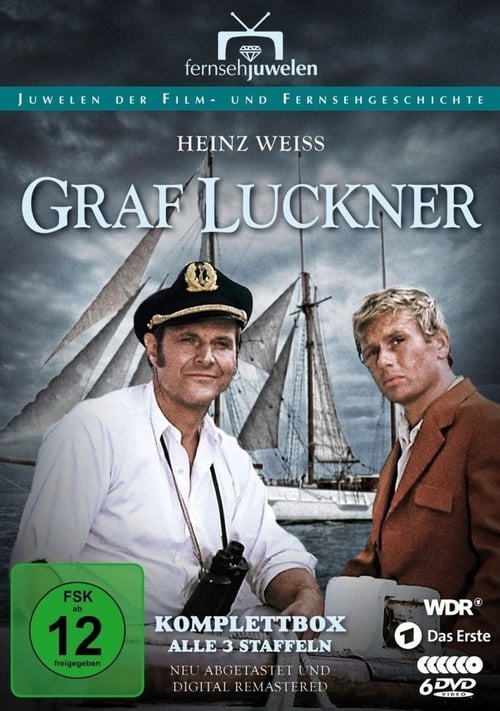
Between the first and second World Wars, we portray glorified and renown naval sea officer Felix Graf von Lucker and his fictitious ship Niobe, which is the 1887 built Amphitrite from Southampton. Von Luckner is famous for his tactical genius in the first World War, especially sinking 14 enemy ships and only losing one crewman, whilst always seeking a peaceful outcome - making him the ideal seaman.
Graf Luckner

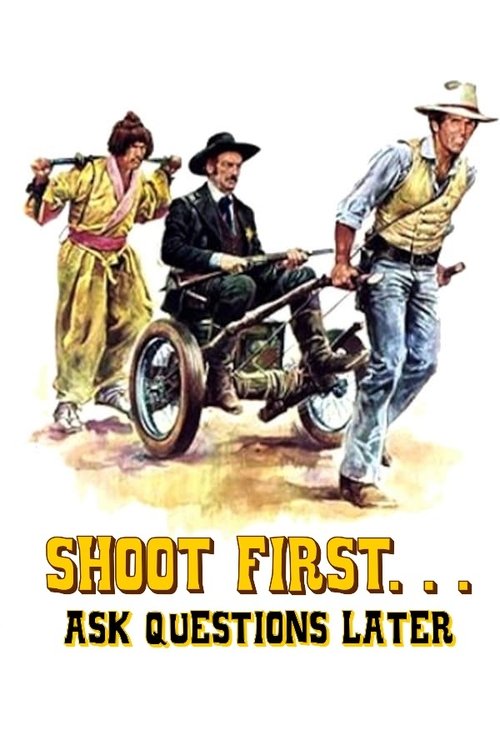
The White, the Yellow, and the Black (Italian: Il bianco, il giallo, il nero, also known as Shoot First… Ask Questions Later) is a 1975 Spaghetti Western comedy film. It is the last spaghetti western directed by Sergio Corbucci. Differently from his previous western films, this is openly parodic.
Shoot First… Ask Questions Later

As thoroughly unlikeable a robber as ever walked the West, Joe nonetheless robs from the rich and gives to the poor. Not only is he a murderous, ill-tempered sort, he is bad-mannered, too. When beautiful Sonny decides he should be her man and teach her how to be a proper outlaw, sparks fly.
Sonny and Jed

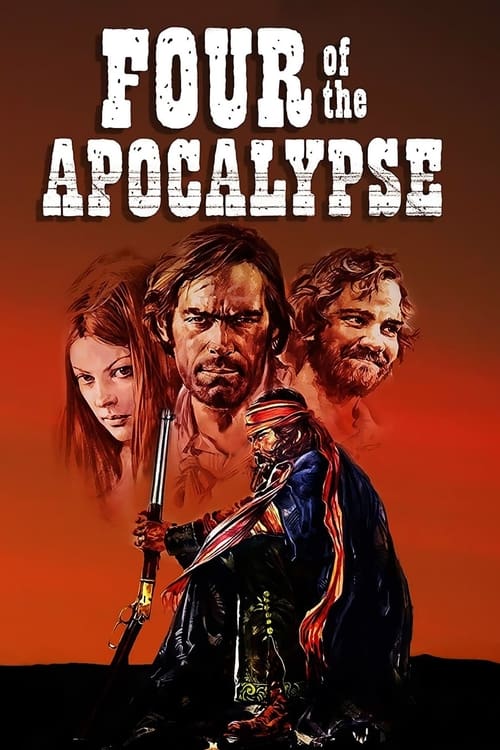
Four petty criminals, three men and a woman, wander through the trackless terrain of the Wild West Utah and are hounded by a sadistic bandit.
Four of the Apocalypse

Arms dealer Yolaf Peterson aims to make a sale to guerilla Mongo, but the money is locked in a bank safe, the combination known only to Professor Xantos, a prisoner of the Americans. Yolaf agrees to free Xantos, accompanied by reluctant guerilla Basco, but a former business partner of Yolaf's- John 'The Wooden Hand', has other ideas.
Compañeros

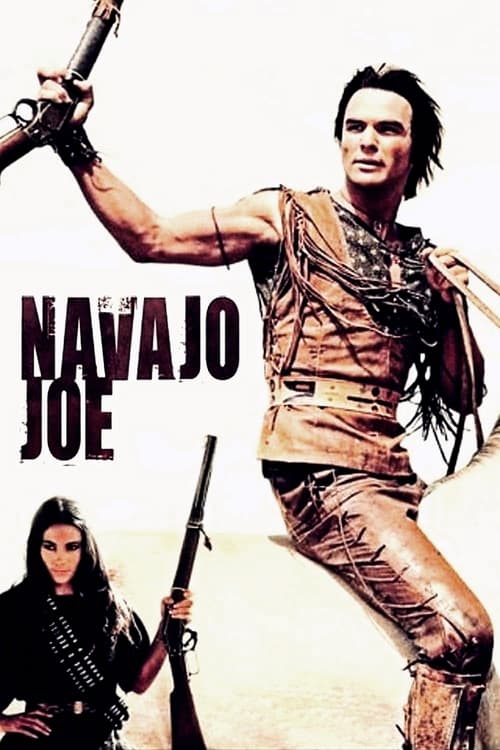
The sole survivor of a bloody massacre vows revenge on his attackers and on the men who killed his wife.
Navajo Joe

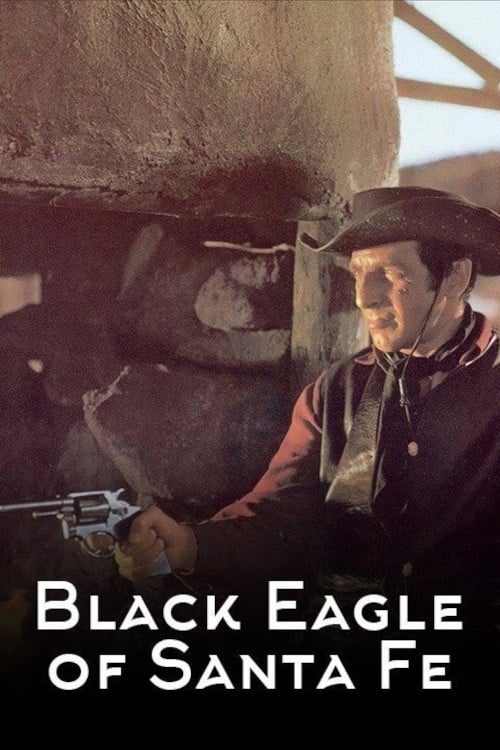
When Comanches go on the warpath, settlers take refuge in Ft. Eagle Rock commanded by Capt. Jackson. Undercover agent Cliff McPherson arrives at the undermanned fort to lend advice and support. He learns that the Comanches have been stirred up by local rancher Morton who wants to take control of the oil under the Indians' reservation.
Black Eagle of Santa Fe

Johnny fights the banker Burton, who tries to acquire with the help of the strange bandit Martinez, in an unlawful way, all the gold mines in the nearer environment.
Kill Django...Kill First

Terrorized townsfolk turn into a lynch mob and target a lawman.
The Relentless Four

Johnny was mentally traumatised when he witnessed as a child the killing of his father (a deserter) by a group of soldiers. As an adult he randomly kills every soldier he gets hold of, so that the army sends out the brutish Lieutenant Garringo to stop Johnny.
Dead Are Countless

Two buddy adventurers witness a train-robbery and are then hunting the robbed gold and they also robbed Helen.
A Train for Durango

A mute woman, traumatized by her parents' death, faces new horrors when her cousin is murdered by a suspected killer. As danger looms, the truth proves far more complex.
Knife of Ice

In the beginning of the 20th. century Italian actor Guido Guidi, more enthusiastic than talented, and his ensemble tour Texas. The mysterious and obviously rich Peppino Garibaldi gives them an offer, they can’t deny: For a large amount of dough they should play “Richard III.” in the Mexican town Vera Cruz. But Peppino is not really interested in cultural affairs: He supports “La Revolución” and “General” Carasco, who utilizes the feastful premiere of “Richard III.” to raid Vera Cruz for Comandante Zapata. But shortly after the Mexican Army shows up with some canons in tow to sort things out. Guidi and Padre Albino, Italian like him, succeed to flee and save Carasco accidentially from the firing squad. Whereas the latter coninues his revolutionary fight, Guidi and Albino start an odyssey through the struggling Mexico, which lets them fall one time in the hands of Carasco the other time in those of Herrera or even in the clutches of “hand-taking” bandidos.