FEEL IT.STREAM
Robert Flaherty

Robert Flaherty

Directing

Biography

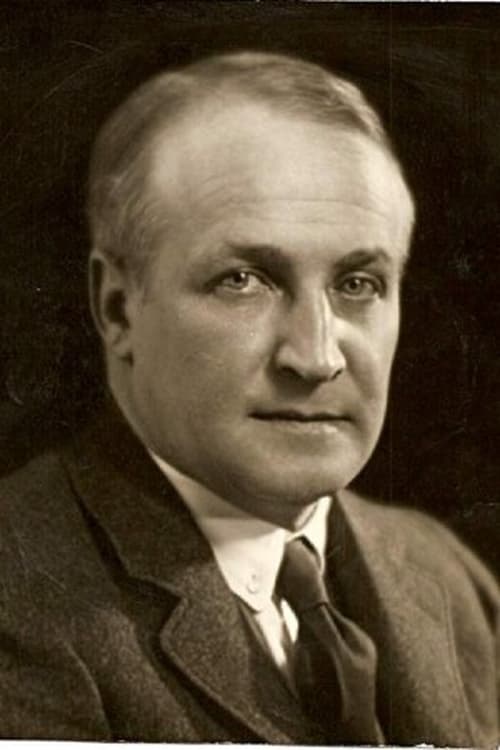
Robert Joseph Flaherty (February 16, 1884 – July 23, 1951) was an American filmmaker who directed and produced the first commercially successful feature-length documentary film, Nanook of the North (1922). The film made his reputation and nothing in his later life fully equaled its success, although he continued the development of this new genre of narrative documentary with Moana (1926), set in the South Seas, and Man of Aran (1934), filmed in Ireland's Aran Islands. Flaherty is considered the "father" of both the documentary and the ethnographic film. Andrew Sarris in his influential book of film criticism The American Cinema: Directors and Directions 1929–1968 included him in the "pantheon" of the 14 greatest film directors who had worked in the United States.
Known For

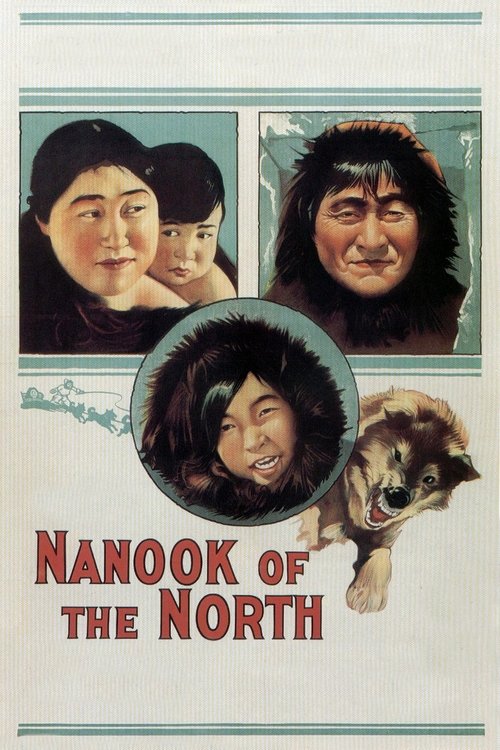
Nanook of the North
7.1

This pioneering documentary film depicts the lives of the indigenous Inuit people of Canada's northern Quebec region. Although the production contains some fictional elements, it vividly shows how its resourceful subjects survive in such a harsh climate, revealing how they construct their igloo homes and find food by hunting and fishing. The film also captures the beautiful, if unforgiving, frozen landscape of the Great White North, far removed from conventional civilization.

Nanook of the North

1922
Moana
6.7

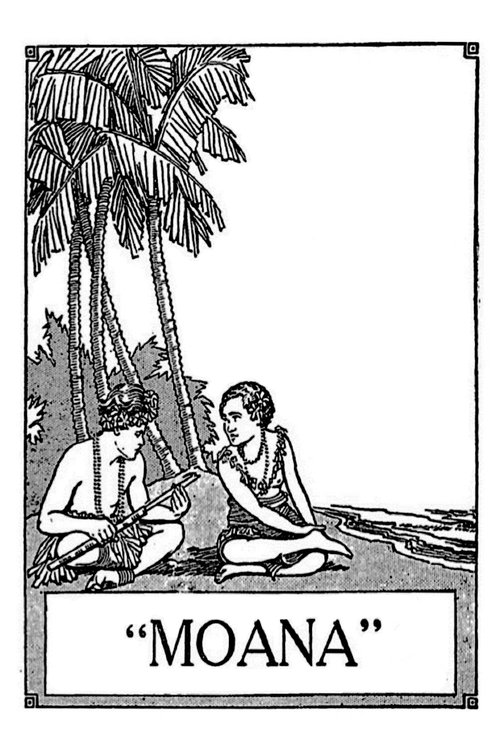
Robert J. Flaherty’s follow-up to Nanook of the North shifts from the Arctic to the South Seas, portraying Samoan village life with a painterly eye. Blending ethnographic detail with a romanticized “Gauguin idyll,” the film celebrates daily rituals, communal traditions, and the passage into adulthood, suffused with what Flaherty called “pride of beauty, pride of strength.”

Moana

1926
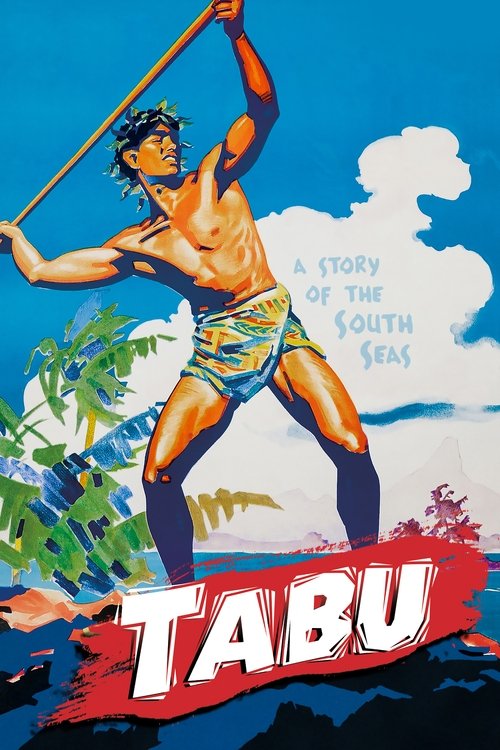
Tabu: A Story of the South Seas
7.1

On the South Pacific island of Bora Bora, a young couple's love is threatened when the tribal chief declares the girl a sacred virgin.

Tabu: A Story of the South Seas

1931
Why We Fight: Prelude to War
6.5

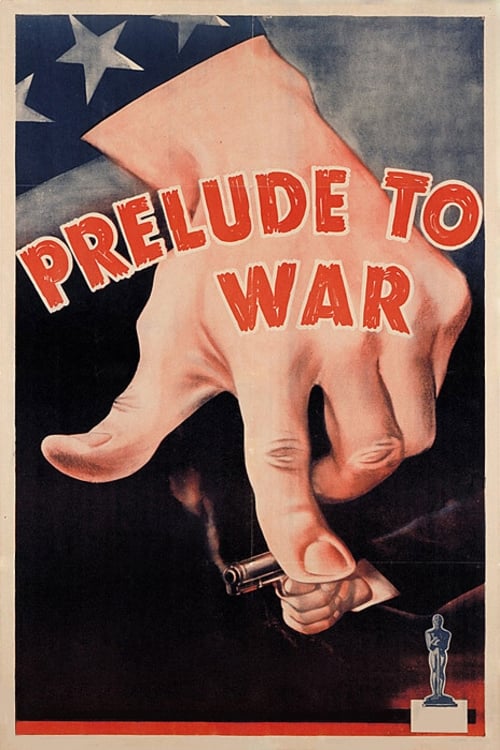
Prelude to War was the first film of Frank Capra's Why We Fight propaganda film series, commissioned by the Pentagon and George C. Marshall. It was made to convince American troops of the necessity of combating the Axis Powers during World War II. This film examines the differences between democratic and fascist states.

Why We Fight: Prelude to War

1942
White Shadows in the South Seas
6.7

An alcoholic doctor on a Polynesian island, disgusted by white exploitation of the natives, finds himself marooned on a pristinely beautiful island.

White Shadows in the South Seas

1928
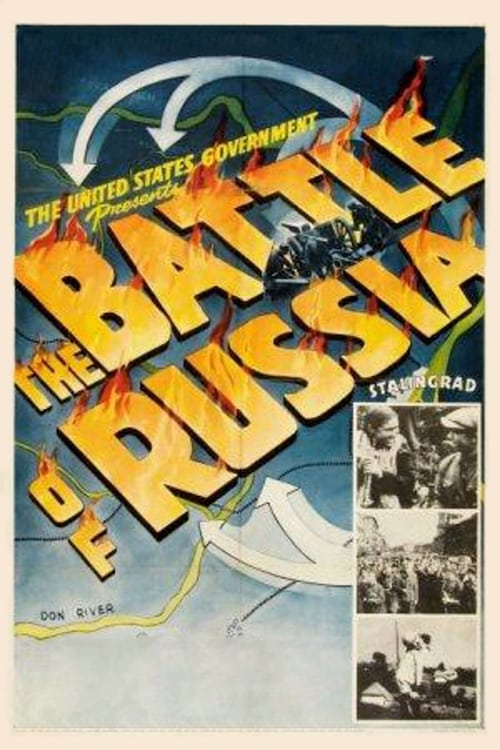
Why We Fight: The Battle of Russia
6.9

The fifth film of Frank Capra's Why We Fight propaganda film series, revealing the nature and process of the fight between the Soviet Union and Germany in the Second World War.

Why We Fight: The Battle of Russia

1943
Elephant Boy
6.6

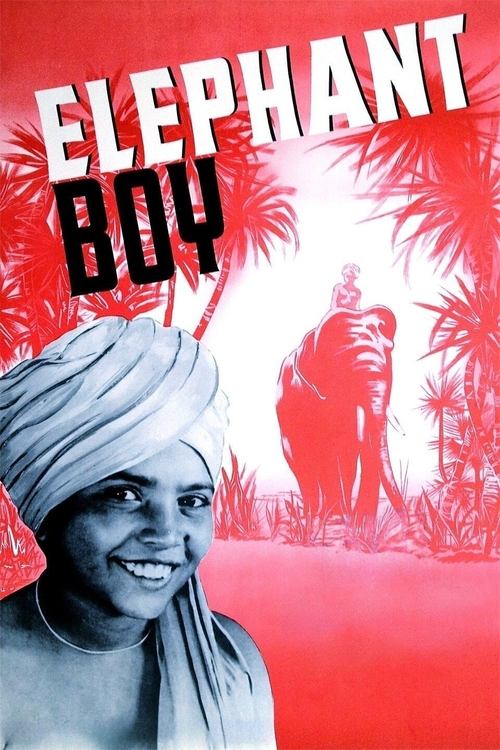
In India, Toomai, a young mahout, helps lead the British on a large expedition to round up wild elephants.

Elephant Boy

1937
Louisiana Story
6.3

The idyllic life of a young Cajun boy and his pet raccoon is disrupted when the tranquility of the bayou is broken by an oil well drilling near his home.

Louisiana Story

1948
Man of Aran
7.3

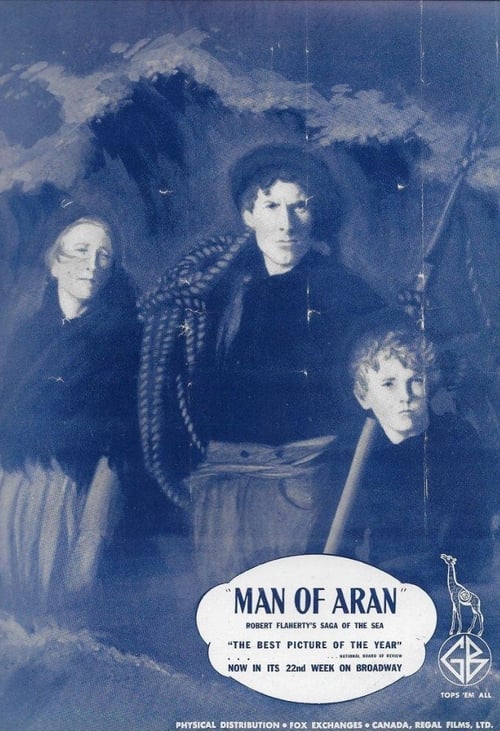
A documentary on the life of the people of the Aran Islands, who were believed to contain the essence of the ancient Irish life, represented by a pure uncorrupted peasant existence centred around the struggle between man and his hostile but magnificent surroundings. A blend of documentary and fictional narrative, the film captures the everyday trials of life on Ireland's unforgiving Aran Islands.

Man of Aran

1934
Why We Fight: The Nazis Strike
6.4

The second film of Frank Capra's Why We Fight propaganda film series. It introduces Germany as a nation whose aggressive ambitions began in 1863 with Otto von Bismarck and the Nazis as its latest incarnation.

Why We Fight: The Nazis Strike

1943
Monica in the South Seas
N/A

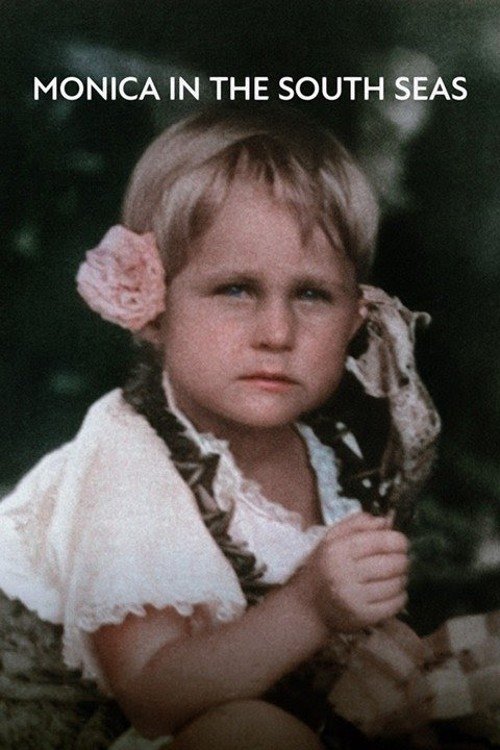
Finnish filmmaker and artist Sami van Ingen is a great-grandson of documentary pioneer Robert Flaherty, and seemingly the sole member of the family with a hands-on interest in continuing the directing legacy. Among the materials he found in the estate of Robert and Frances Flaherty’s daughter Monica were the film reels and video tapes detailing several years of work on realising her lifelong dream project: a sound version of her parents’ 1926 docu-fiction axiom, Moana: A Romance of the Golden Age.

Monica in the South Seas

2023
No image
N/A

An unfinished omnibus film project by Orson Welles exploring Latin American life through documentary and dramatized non-fiction.

It's All True

1943
The Titan: Story of Michelangelo
6.2

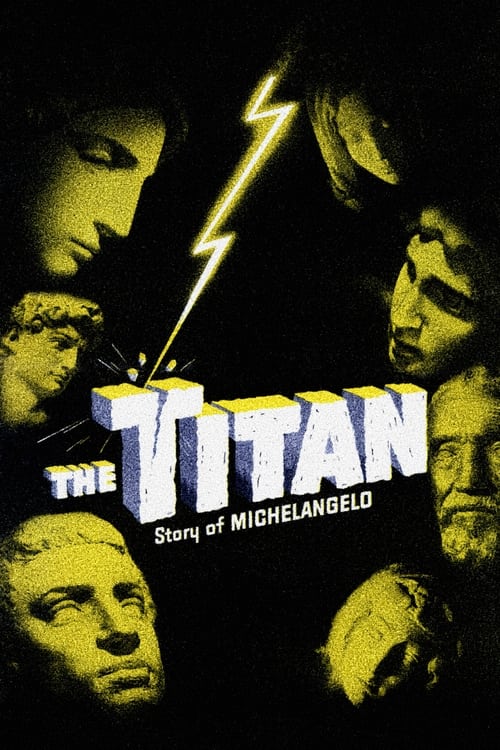
The life and works of the great artist Michelangelo Buonarroti are shown against the historical background of his time. It begins with his earliest artworks, and follows his life and career as he achieves lasting fame. The documentary includes detailed looks at some of the artist's most renowned creations. American heavily re-edited version of the Swiss 1938 film Michelangelo: Das Leben eines Titanen, with new footage shot by Robert J. Flaherty added. Preserved by the Academy Film Archive in 2005.

The Titan: Story of Michelangelo

1950
Industrial Britain
5.6

Grierson set out to make "propaganda," and this film--with it's voice-over proclaiming the great value of the British industrial worker, without a hint of ambiguity or doubt--fits that category well. The authoritatarian narrator feels out-of-date and unsophisticated, but the footage is well shot and interesting, and the transparency of the propaganda aspect is almost a reflief at a time when so many films have hidden agendas.

Industrial Britain

1931
A Letter to Freddy Buache
6.3

This short film is Godard’s message to the people of Lausanne, specifically journalist and critic Freddy Buache, addressing his reasons why he will not make a film about their town’s 500th anniversary. Rather than cynical or defensive, Godard's bemused narration of the footage of Lausanne is imaginative and even playful, a rumination on cinema's possibilities.

A Letter to Freddy Buache

1983
No image
N/A

Illustrated travel lecture directed by Robert J. Flaherty, composed of film shot during his time with the Inuit in 1914-1915. After enthusiastic reception, the entire film stock was burned in an accident in 1916 leaving this a lost film. Soon after, Flaherty would return to the Inuit to reimagine his project as Nanook of the North (1922).

The Eskimo

1916
The Land
7.3

Documentary showing the poor state that American agriculture had fallen into during the Great Depression.

The Land

1942
A Night of Storytelling
6.0

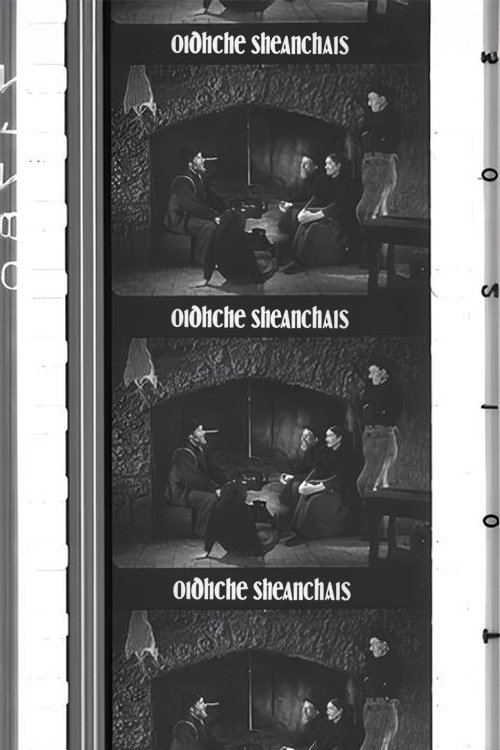
A well known storyteller, Tomas O' Diorain tells tales of the sea around a fire in an old Irish cottage. His storytelling is juxtaposed with images of the sea. This film, thought lost was rediscovered by Houghton Library curators during a cataloging update in 2013.

A Night of Storytelling

1935
Twenty-Four Dollar Island
6.3

A visual celebration of Manhattan and its waterways on the 300th anniversary of purchase from the local Native Americans.

Twenty-Four Dollar Island

1927
A Boatload of Wild Irishmen
N/A

Robert Flaherty is credited with being the father of the modern documentary after making "Nanook of the North" and classics such as "Man of Aran" and "Louisiana Story", but he is also criticized for engaging in distortion and stereotyping.

A Boatload of Wild Irishmen

2010