Acting
Maria, an accountant at a factory, falls for Rudolph, who has his eyes set on the factory owner's daughter.
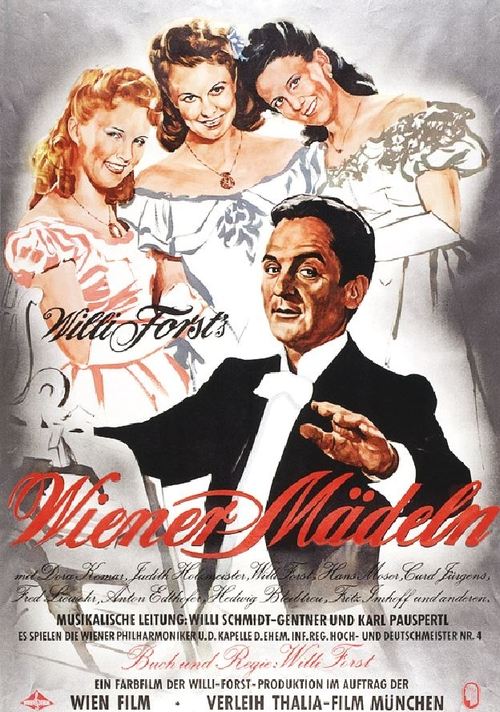
Begun in 1944/45, finished and released in 1949, this is a biography of the composer Carl Michael Ziehrer, who overcomes hypersensitivity in competitive situations which leads initially to failures in both career and romance.
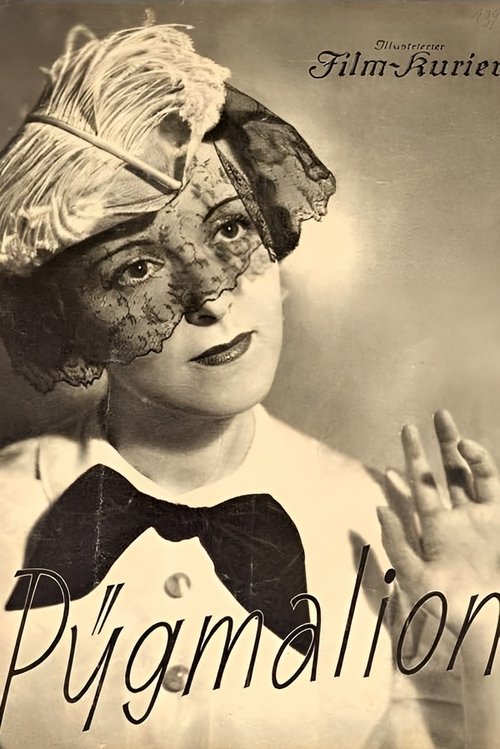
When linguistics professor Henry Higgins boasts that he can pass off Cockney flower girl Eliza Doolittle as a princess with only six months' training, Colonel George Pickering takes him up on the bet. Eliza moves into Higgins's home and begins her rigorous training after the professor comes to a financial agreement with her dustman father, Alfred. But the plucky young woman is not the only one undergoing a transformation.
Lorenz Lubota is a city clerk with no direction in life. One day on his way to work he is run over by a woman driving a chariot and he is immediately infatuated with her.
No description available.
The young Gaby is happily married to the musician Peter but cannot ignore the impression that his friend Michael, a violin virtuoso, makes on her. Even when Peter falls seriously ill, she cannot forget her love for Michael. Torn between the two men, Gaby sees only one way out...
"The fate of a beautiful woman" tells a story of Erika Dankwarth that reflects herself in a multitude of men.
Adaptation of A Doll's House by Henrik Ibsen.
Showstar Csibi's mother Maria has a new suitor. In order to make Maria appear younger Csibi poses as a young brat which backfires when she meets the suitor's gorgeous brother and flirts with him while he treats her like a little child.
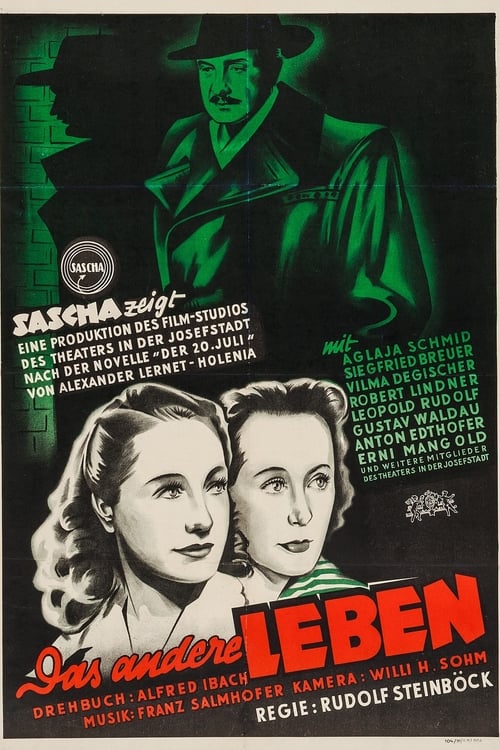
The film tells the story of a young Jewish woman who, during the Nazi era, is hidden by her friend, treated in a hospital using her identity papers, and dies there. As a result, her friend loses her official identity. For the first time, the question of the behavior of friends, neighbors, caretakers, and strangers during the persecution of Vienna's Jewish population is raised. Ostensibly, "The Other Life" is a gripping play on identity, but overall, it is an astonishing demonstration of the civil courage of Alexander Lernet-Holenia (1897-1976), who, shortly after the war, addressed the then-taboo subject of the persecution of the Jews in his literary work. The ambitious film studio of the Theater in der Josefstadt, which did not last long, took up the material and filmed it with the theater's actors.
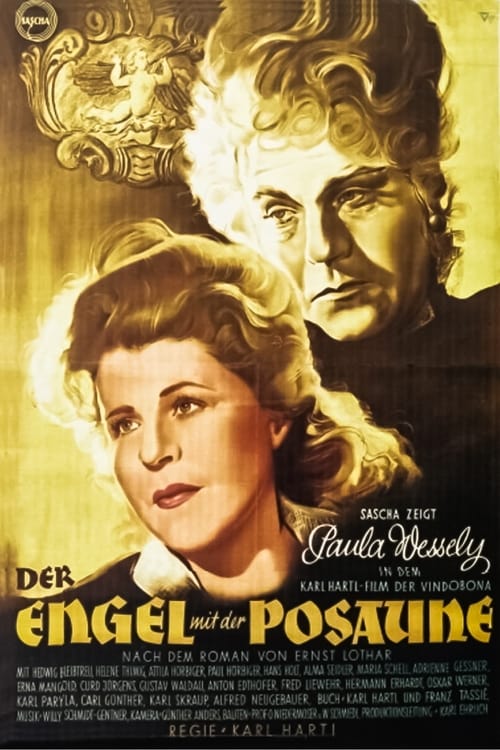
A long time-span of Austrian history (from the late 19th century to the years after world war II) is reflected in the ups and downs of a family of piano-makers in Vienna.
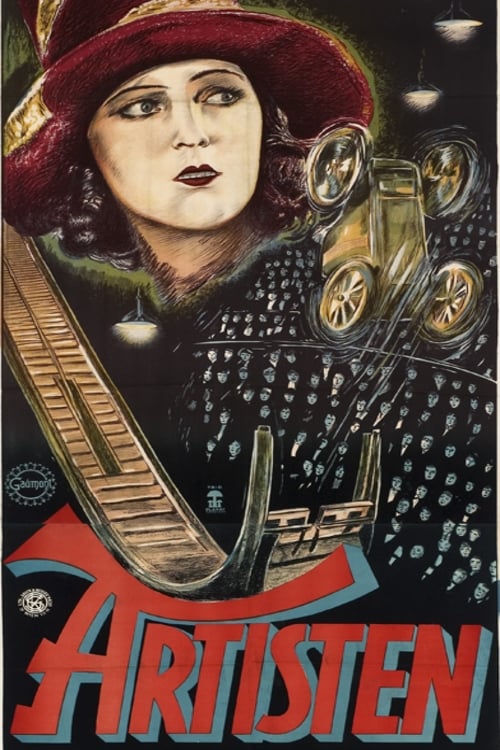
The magic of the circus stables. Controversies and small private conflicts between the artists, clowns and entertainers.
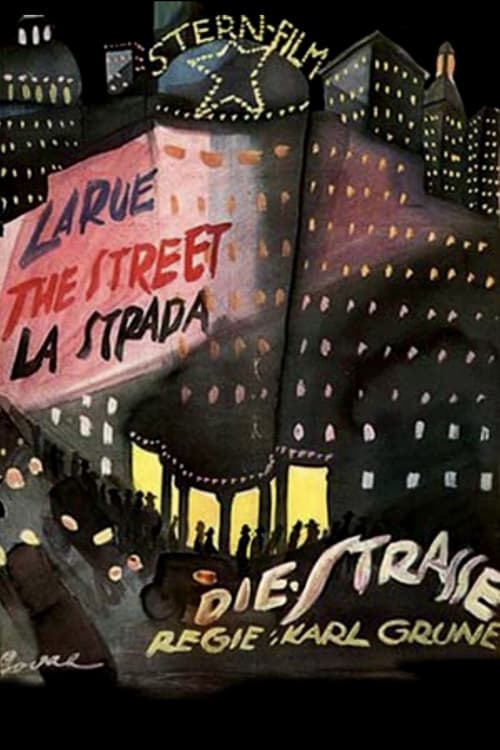
The movie follows two distinct plot lines until the two eventually merge: the first is that of the bored middle-aged man seeking a departure from monotony in his life; the second is that of the blind man and the little boy, his grandson, who are interdependent. None of the characters have been given names and are therefore referred to only by description. The city is an expressionistic nightmare, a dangerous and chaotic place.
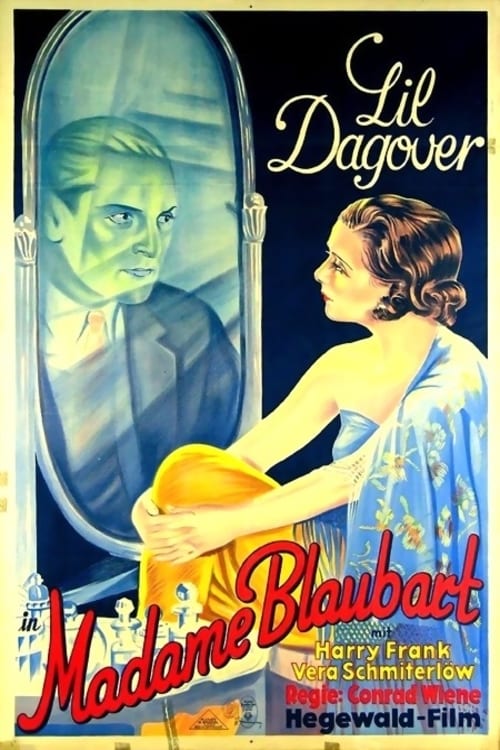
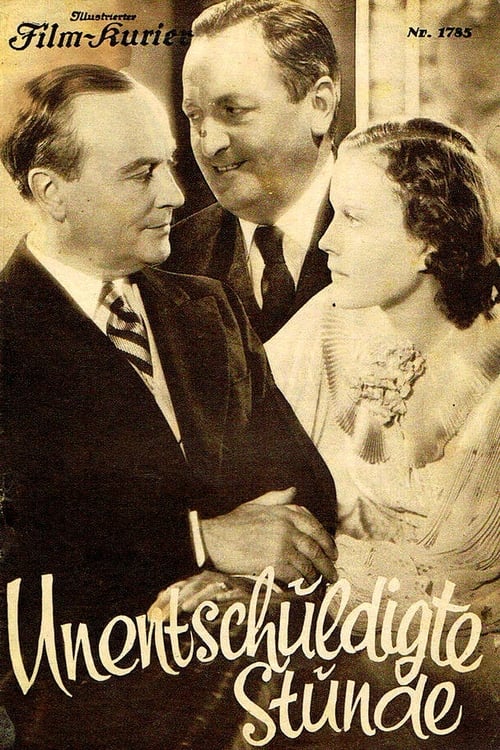
Harry Yquem buys his beloved wife some jewelry in a place where underworld middlemen trade in fake and stolen goods. By chance, he spots a man with whom his wife had an affair in the past.
a silent movie by Robert Wiene
When the schoolgirl Kate defends her friend, she is expelled from school. To conceal the incident from her parents, she positions herself ill. Promptly she falls in love with the treating doctor who cures her sudden illness not only, but marries his patient also immediately. But Kate soon bores the life of a doctor's wife. So she decides to secretly catch her high school.