Acting
A BBC television anthology series featuring productions of classic and contemporary stage plays usually broadcast on BBC1. Each production featured a different work, often using prominent British stage actors in the leading roles. The series was transmitted from October 1965 to September 1983.
A one-hour anthology television series of one-off contemporary and classic dramas produced by the BBC.
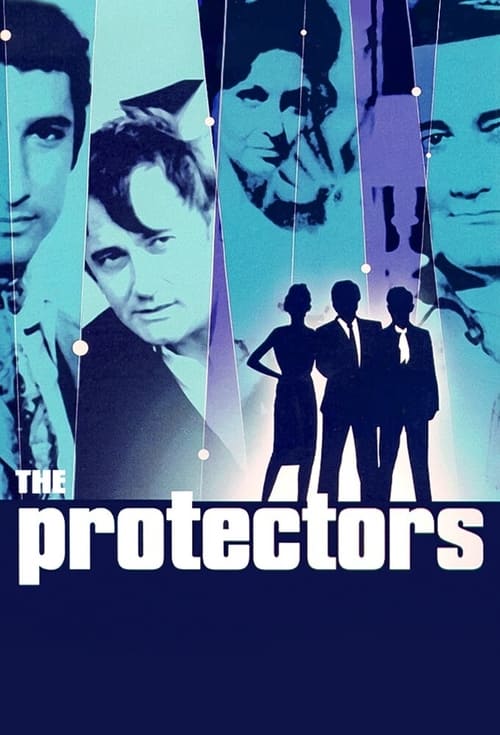
The Protectors is a British television series, an action thriller created by Gerry Anderson. It was Anderson's second TV series using live actors as opposed to electronic marionettes, and also his second to be firmly set in contemporary times. It was also the only Gerry Anderson produced television series that was not of the fantasy or science fiction genres. It was produced by Lew Grade's ITC Entertainment production company. Despite not featuring marionettes or any real science fiction elements, The Protectors became one of Anderson's most popular productions, easily winning a renewal for a second season. A third season was in the planning stages when the show's major sponsor pulled out, forcing its cancellation. The Protectors first aired in 1972 and 1973, and ran to 52 episodes over two series, each 25 minutes long - making it one of the last series of this type to be produced in a half-hour format. It starred Robert Vaughn as Harry Rule, Nyree Dawn Porter as the Contessa Caroline di Contini, and Tony Anholt as Paul Buchet. Episodes often featured prominent guest actors.
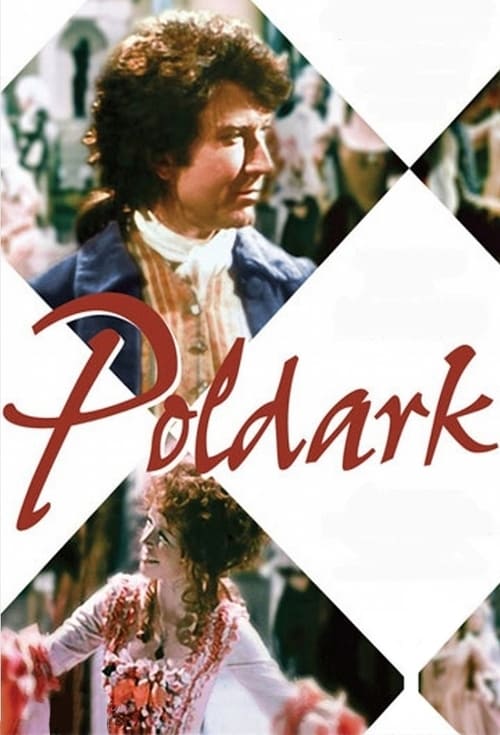
Poldark is a television drama based on Winston Graham's novels of the same title. It was first transmitted on BBC Two across two seasons between 1975 and 1977. The adaptation covered all seven novels (of the eventual twelve) published up to the time. In late 18th-century Cornwall, Ross Poldark loses his fiancée, well-bred beauty Elizabeth, to his cousin Francis. He ends up marrying his servant, Demelza Carne, but his passion for Elizabeth simmers on for years. Meanwhile, he strives to make his derelict copper mines a success. Life is hard, smuggling is rife, and Ross finds himself taking the side of the underclass against the ruthless behaviour of his enemies, the greedy Warleggan clan.
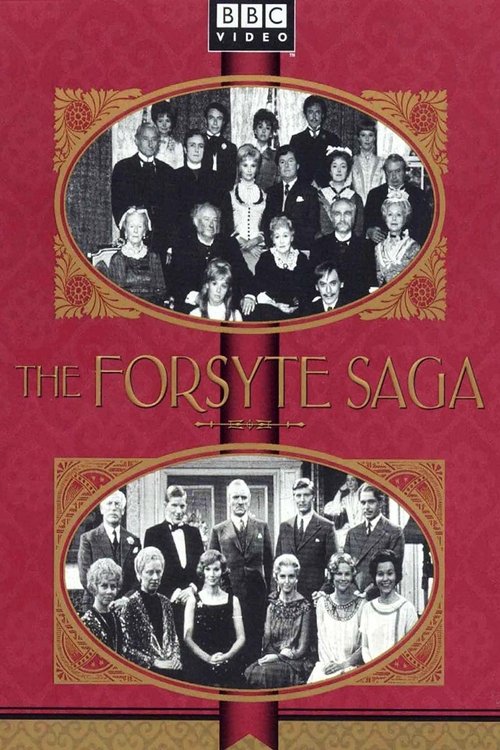
The Forsyte Saga is a 1967 BBC television adaptation of John Galsworthy's series of The Forsyte Saga novels, and its sequel trilogy A Modern Comedy. The series follows the fortunes of the upper middle class Forsyte family, and stars Eric Porter as Soames, Kenneth More as Young Jolyon and Nyree Dawn Porter as Irene. It was adapted for television and produced by Donald Wilson and was originally shown in twenty-six episodes on Saturday evenings between 7 January and 1 July 1967 on BBC2, at a time when only a small proportion of the population had television sets able to receive this channel. It was therefore the repeat on Sunday evenings on BBC1 starting on 8 September 1968 that secured the programme's success with 18 million tuning in for the final episode in 1969. It was shown in the United States on public television and broadcast all over the world, and became the first BBC television series to be sold to the Soviet Union.
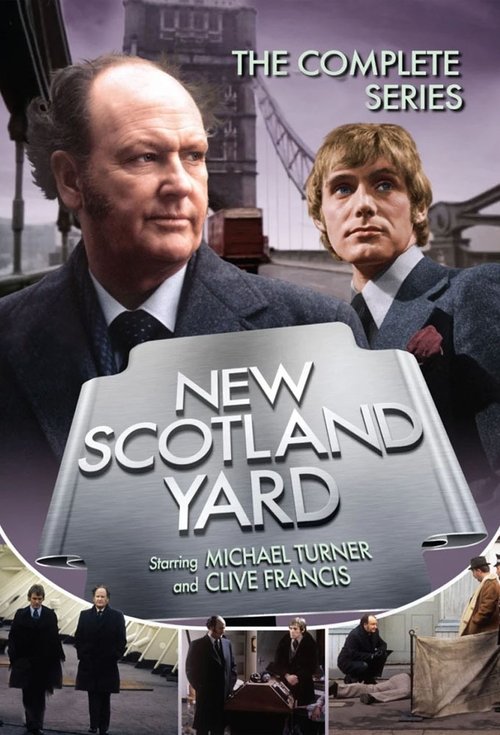
New Scotland Yard is a police drama series produced by London Weekend Television for ITV from 1972 and 1974. It features the activities of two officers from the Criminal Investigations Department in the Metropolitan Police force headquarters at New Scotland Yard, as they dealt with the assorted villains of the day.
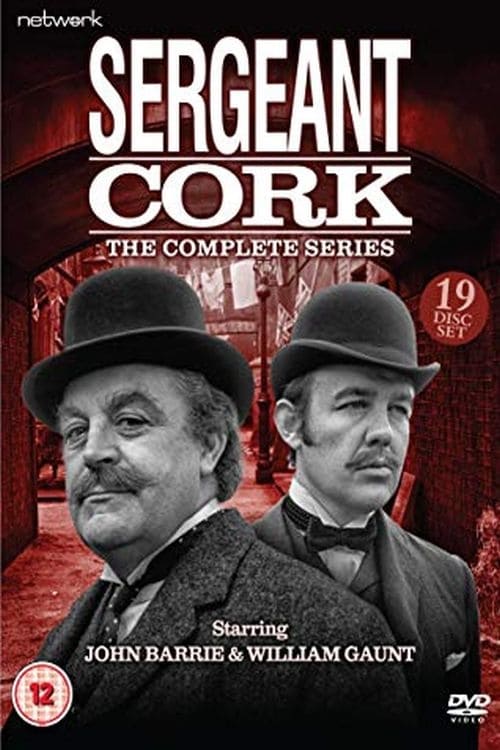
Sergeant Cork is a British detective television series which first aired between 1963 and 1968 on ITV. It was a police procedural show that followed the efforts of two police officers and their battle against crime in Victorian London. In all 66 hour-long episodes were aired during the five-year run, although the last episode was not broadcast until January 1968, 16 months after the others. Journalist Tom Sutcliffe has credited it as a first example of the use of the Victorian-era policeman in a television crime series. A 1969 review in The Age opined that rather than suspense, the strengths of the series were its "excellent period settings and wonderfully thick pea-soupers" which "add up to splendid evocative stuff", as well as the performance of star John Barrie. At no time during the whole series is Sergeant Cork's first name given.
Reilly, Ace of Spies is a 1983 television miniseries dramatising the life of Sidney Reilly, a Russian Jew who became one of the greatest spies ever to work for the British. Among his exploits, in the early 20th-century, were the infiltration of the German General Staff in 1917 and a near-overthrow of the Bolsheviks in 1918. His reputation with women was as legendary as his genius for espionage.
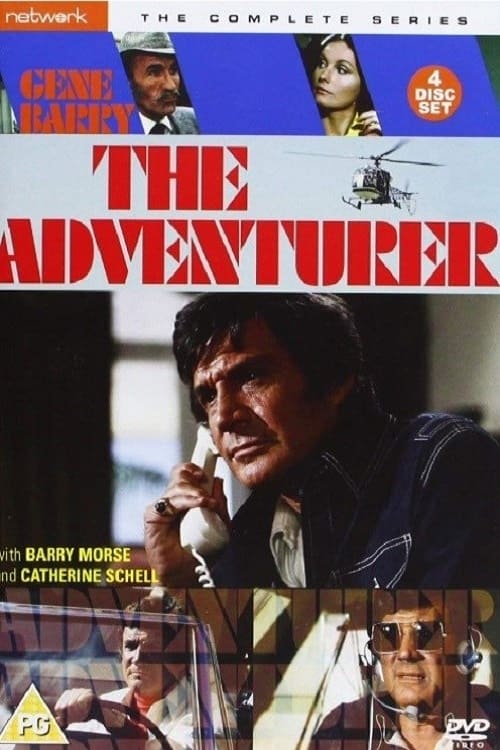
The Adventurer is an ITC Entertainment TV adventure series created by Dennis Spooner that ran for one season from 1972 to 1973. It premiered in the UK on 29 September 1972. The show starred Gene Barry as Gene Bradley, a government agent of independent means who poses as a glamorous American movie star.
English literature lecturer Guy Pringle and his wife Harriet navigate the early years of WWII in Bucharest. They become involved in anti-fascist politics and are forced to flee as the war escalates, crossing paths with various characters along the way.
Anthology series of thirteen one-hour love stories based on the short stories of Henry James.
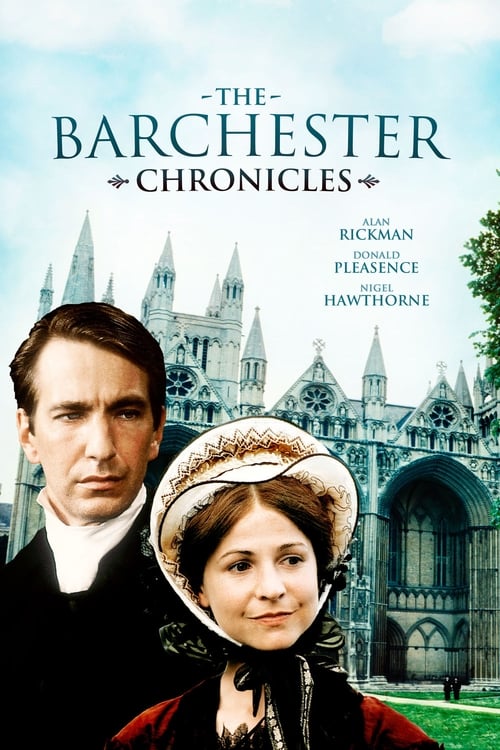
The Barchester Chronicles is a 1982 BBC television serial produced by Jonathan Powell and dramatised by Alan Plater, based on Anthony Trollope's first two Chronicles of Barsetshire, The Warden (1855) and Barchester Towers (1857). Against the sumptuous background of Peterborough Cathedral and its environs, one is carried into Trollope's world of the intriguing machinations of the clerical establishment of Barchester. Backed by the authenticity of the period detail, the portrayal of all the characters accurately conveys the whole range of human emotions within the stories.
Based on P.G. Wodehouse's Jeeves stories, The World of Wooster, broadcast on BBC One from 1965 to 1967, followed the farcical adventures of young upper-class twit Bertie Wooster and his invaluable manservant Jeeves. It starred Ian Carmichael as Wooster and Dennis Price as Jeeves. Wodehouse initially felt that Carmichael would be fine as Wooster, but later believed that Carmichael overacted; however, Wodehouse was satisfied enough with to later ask Carmichael to portray Bertie or Jeeves in a musical comedy. Carmichael declined, feeling too old to play Bertie again and that public perception prevented him from playing Jeeves. Wodehouse was far more positive about Price's Jeeves, stating that Price was the best Jeeves he had ever seen. Like many other series of the time, much of the episodes were wiped, leaving all but two now lost. In 2018, it was included at #51 in a list of the top 100 most wanted missing television programmes by TV archivist organisation Kaleidoscope.
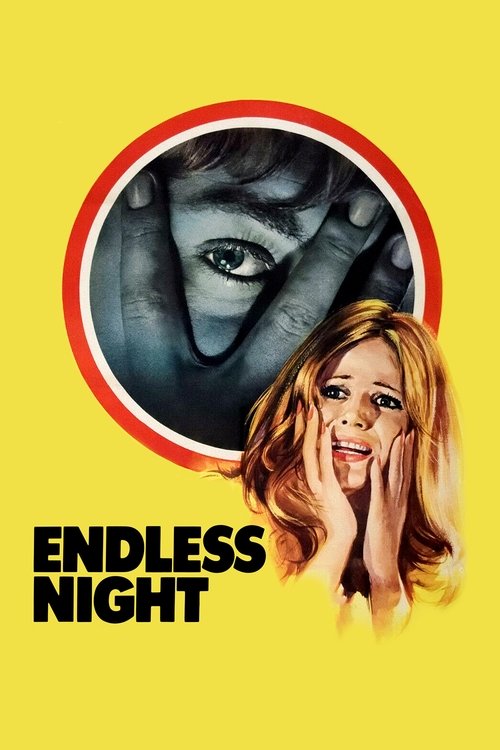
Shiftless dreamer Michael Rogers fantasizes about a lifestyle above his means and marries a wealthy, young girl who just came of age. They hire a famous architect to build their dream home amidst a series of suspicious incidents. The spouse has dark intentions toward his naive, inexperienced bride. Secrets from his past and sinister ties to their house guest Greta lead to a terrible turn of unexpected events.
A story of two sisters attempting to find happiness in the tightly structured society of 18th century England. Elinor, disciplined, restrained and very conscious of the manners of the day, represents sense. Outspoken, impetuous, emotional Marianne represents sensibility.
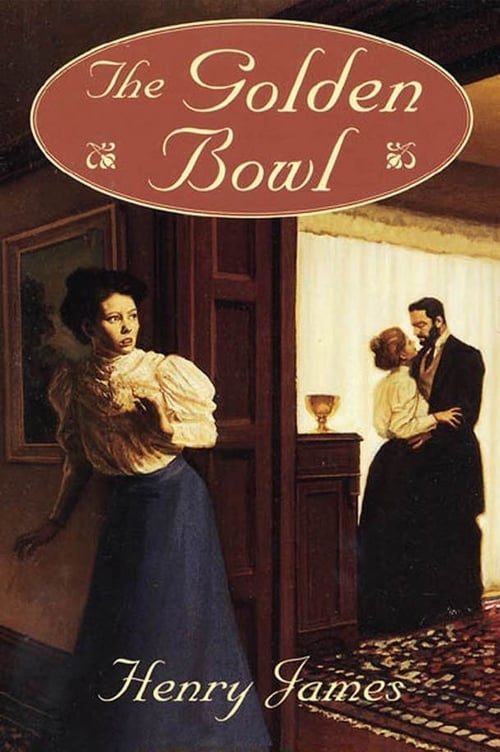
Wealthy American widower Adam Verver and his daughter Maggie live a refined life in Europe, surrounded by art. Maggie marries impoverished Italian Prince Amerigo, while Adam marries Maggie's friend Charlotte Stant. The Prince and Charlotte are having an affair, which Maggie discovers and navigates through a silent, psychological battle of wills, ultimately using her cunning to preserve her marriage and protect her father.
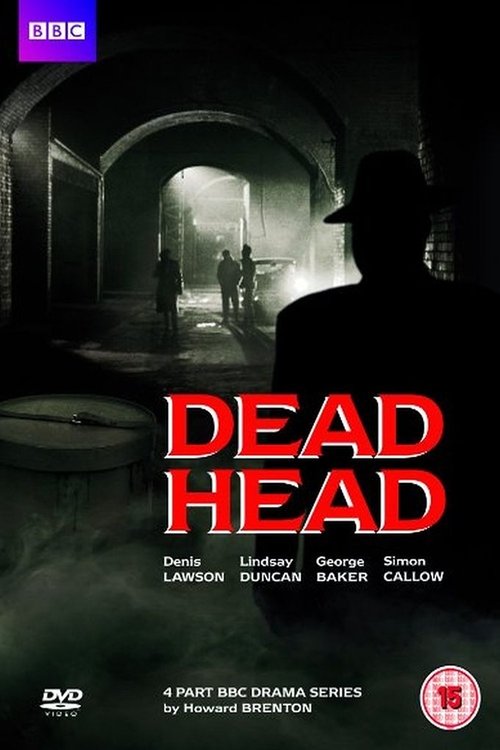
London based petty crook Eddie Cass agrees to pick up a package and courier it across the capital. When nobody answers the door at the drop-off, Eddie opens the package and finds a woman’s severed head in a hatbox. He panics and dumps it in the River Thames. Returning home, Cass is kidnapped by the mysterious Eldridge and his heavies who inform Eddie that he has been framed for the murder.
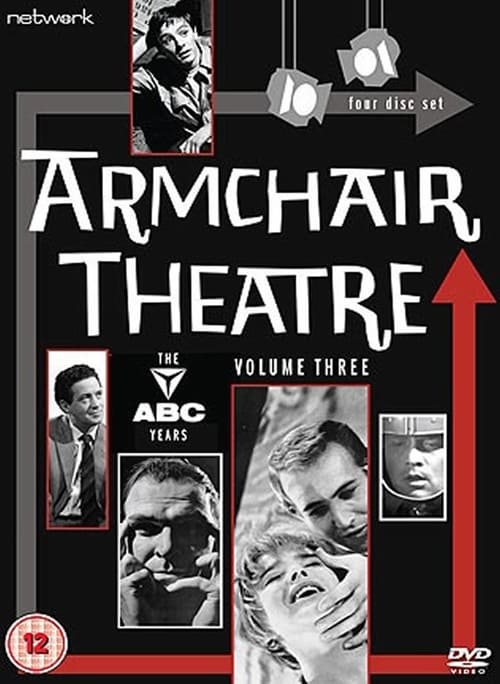
Armchair Theatre is a British television drama anthology series of single plays that ran on the ITV network from 1956 to 1974. It was originally produced by Associated British Corporation, and later by Thames Television from mid-1968.
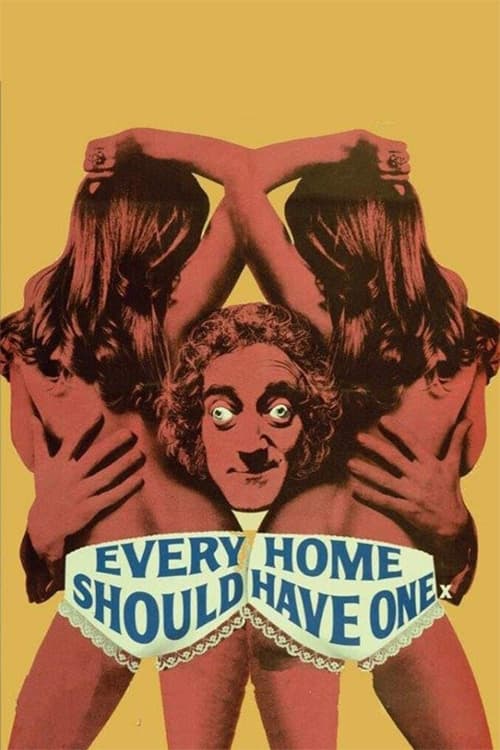
Teddy works for a large advertising company. Given the seemingly impossible task of selling frozen porridge, he decides to produce commercials that make the product seem sexy. This leads him to confrontation with the "Keep Television Clean" movement, of which his wife is a senior member.
Dr Simon Helder, sentenced to an insane asylum for crimes against humanity, recognises its director as the brilliant Baron Frankenstein, the man whose work he had been trying to emulate before his imprisonment. Frankenstein utilises Helder's medical knowledge for a project he has been working on for some time. He is assembling a man from vital organs extracted from various inmates in the asylum. And the Baron will resort to murder to acquire the perfect specimens for his most ambitious project ever.