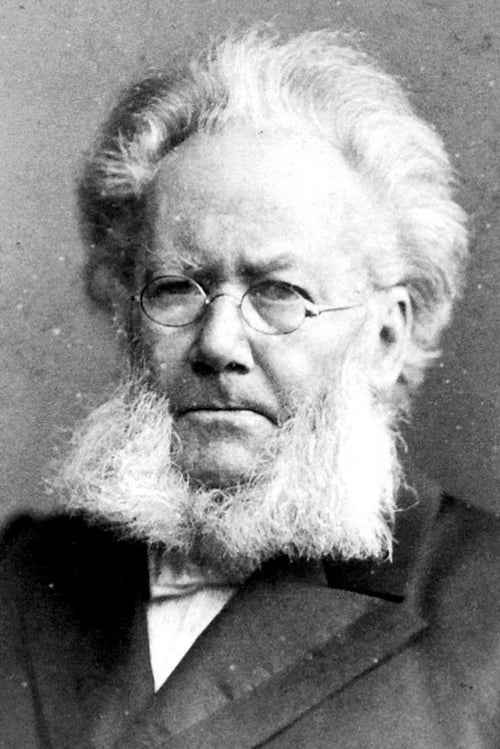
Henrik Ibsen
Writing
Biography
From Wikipedia, the free encyclopedia Henrik Johan Ibsen (20 March 1828 – 23 May 1906) was a Norwegian playwright and theatre director. As one of the founders of modernism in theatre, Ibsen is often referred to as "the father of realism" and one of the most influential playwrights of his time. His major works include Brand, Peer Gynt, An Enemy of the People, Emperor and Galilean, A Doll's House, Hedda Gabler, Ghosts, The Wild Duck, When We Dead Awaken, Rosmersholm, and The Master Builder. He is the most frequently performed dramatist in the world after Shakespeare, and A Doll's House was the world's most performed play in 2006. Ibsen's early poetic and cinematic play Peer Gynt has strong surreal elements. After Peer Gynt Ibsen abandoned verse and wrote in realistic prose. Several of his later dramas were considered scandalous to many of his era, when European theatre was expected to model strict morals of family life and propriety. Ibsen's later work examined the realities that lay behind the facades, revealing much that was disquieting to a number of his contemporaries. He had a critical eye and conducted a free inquiry into the conditions of life and issues of morality. In many critics' estimates The Wild Duck and Rosmersholm are "vying with each other as rivals for the top place among Ibsen's works"; Ibsen himself regarded Emperor and Galilean as his masterpiece. Ibsen is often ranked as one of the most distinguished playwrights in the European tradition. He is widely regarded as the foremost playwright of the nineteenth century. He influenced other playwrights and novelists such as George Bernard Shaw, Oscar Wilde, Arthur Miller, James Joyce, Eugene O'Neill, and Miroslav Krleža. Ibsen was nominated for the Nobel Prize in Literature in 1902, 1903, and 1904. Ibsen wrote his plays in Danish (the common written language of Denmark and Norway during his lifetime) and they were published by the Danish publisher Gyldendal. Although most of his plays are set in Norway—often in places reminiscent of Skien, the port town where he grew up—Ibsen lived for 27 years in Italy and Germany, and rarely visited Norway during his most productive years. Born into a patrician merchant family, the intertwined Ibsen and Paus family, Ibsen shaped his dramas according to his family background and often modeled characters after family members. He was the father of Prime Minister Sigurd Ibsen. Ibsen's dramas had a strong influence upon contemporary culture.
Known For

A BBC television anthology series featuring productions of classic and contemporary stage plays usually broadcast on BBC1. Each production featured a different work, often using prominent British stage actors in the leading roles. The series was transmitted from October 1965 to September 1983.
BBC Play of the Month

ITV Playhouse is a British comedy-drama TV series that ran from 1967 to 1983, which featured contributions from playwrights such as Dennis Potter, Rhys Adrian and Alan Sharp. The series began in black and white, but was later shot in colour and was produced by various companies for the ITV network, a format that would inspire Dramarama. Actors appearing in the series included Leslie Anderson, Gwen Nelson, Ricky Alleyne, Pat Heywood, Michael Elphick, Ian Hendry, Edward Woodward, Margaret Lockwood, Jessie Matthews and Lloyd Peters.
ITV Playhouse

Theatre 625 is a British television drama anthology series, produced by the BBC and transmitted on BBC2 from 1964 to 1968. It was one of the first regular programmes in the line-up of the channel, and the title referred to its production and transmission being in the higher-definition 625-line format, which only BBC2 used at the time.
Theatre 625

No description available.
Alta comedia

No description available.
Caso Especial
A series of dramas featuring staged theatre plays.
Theatre Night

Hedda Gabler finds herself torn between the lingering ache of a past love and the quiet suffocation of her present life. Over the course of one charged night, long-repressed desires and hidden tensions erupt—pulling her and everyone around her into a spiral of manipulation, passion, and betrayal.
Hedda

Armchair Theatre is a British television drama anthology series of single plays that ran on the ITV network from 1956 to 1974. It was originally produced by Associated British Corporation, and later by Thames Television from mid-1968.
Armchair Theatre
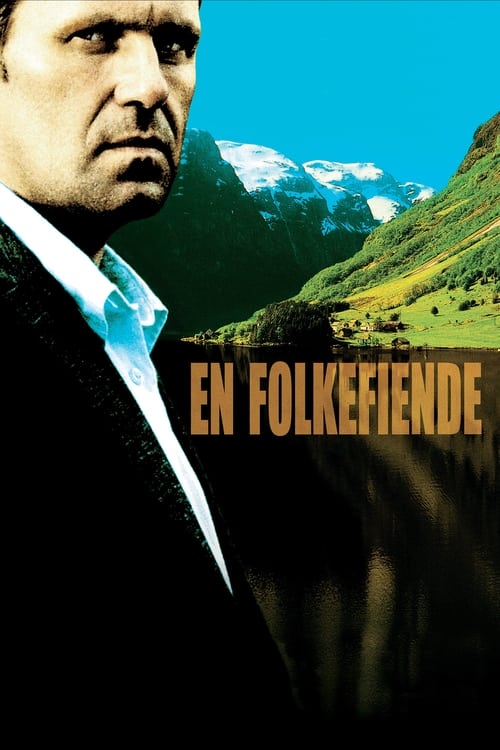
In a modern version of Ibsen's stage play, we meet TV-celebrity Tomas Stockman returning to his native village to produce the world's purest bottled water. The plant will bring new life and hope to the village, but unexpected trouble occurs.
An Enemy of the People

In the last days of a dying logging town, Christian returns to his family home for his father Henry’s wedding. While home, Christian reconnects with his childhood friend Oliver, who has stayed in town working at Henry’s timber mill and is now out of a job. As Christian gets to know Oliver’s wife Charlotte, daughter Hedvig, and father Walter, he discovers a secret that could tear Oliver’s family apart.
The Daughter
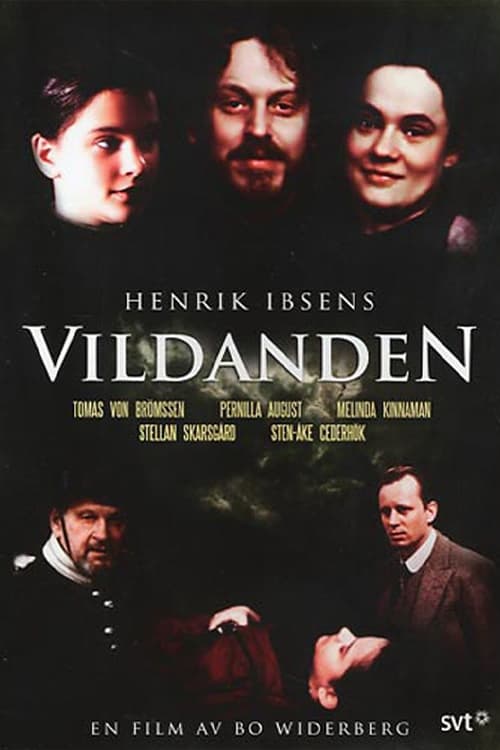
The family happiness of the Ekdahls is driven towards a tragic disintegration.
Vildanden
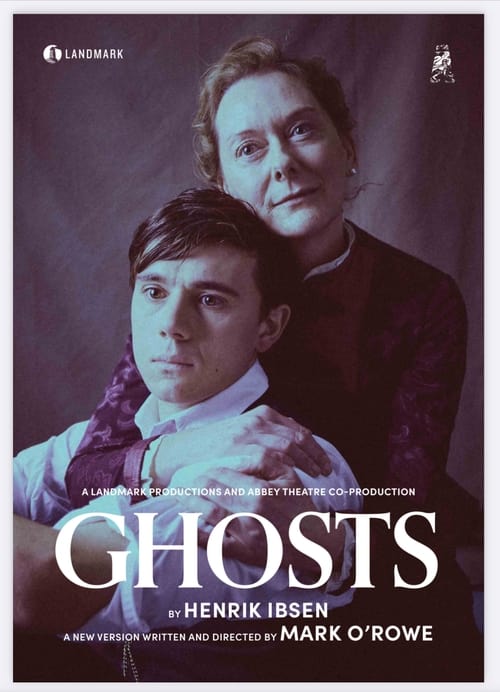
Helene Alving leads an outwardly contented life. On the eve of the 10th anniversary of her husband's death, she is about to open an orphanage as a memorial to him. To mark this occasion, her bohemian painter son Oswald has returned from Paris. Helene plans to take the opportunity to tell Oswald the truth about his father. But ghosts of the past erupt during an eventful evening, bringing the facade of civilised family life crashing down.
Ghosts
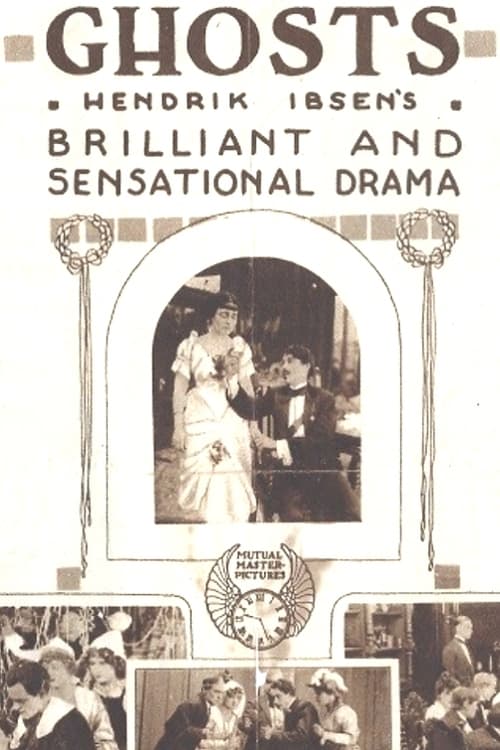
Helen Alving leads an outwardly contented life. On the eve of the 10th anniversary of her husband's death, she is about to open an orphanage as a memorial to him. To mark this occasion, her bohemian painter son Oswald has returned from Paris. Helen plans to take the opportunity to tell Oswald the truth about his father. But ghosts of the past erupt during an eventful evening, bringing the facade of civilised family life crashing down.
Ghosts
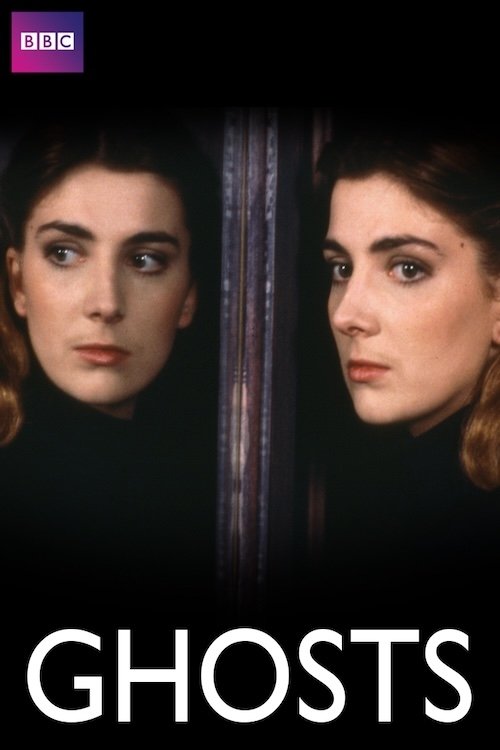
Helene Alving leads an outwardly contented life. On the eve of the 10th anniversary of her husband's death, she is about to open an orphanage as a memorial to him. To mark this occasion, her bohemian painter son Oswald has returned from Paris. Helene plans to take the opportunity to tell Oswald the truth about his father. But ghosts of the past erupt during an eventful evening, bringing the facade of civilised family life crashing down.
Ghosts
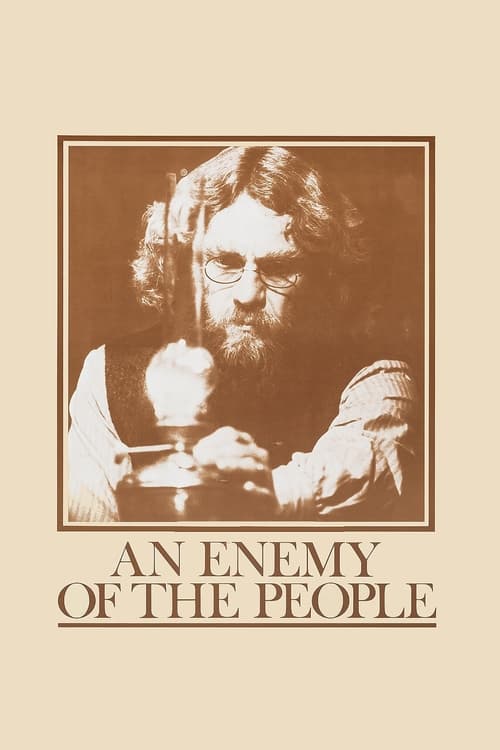
A small forest town is trying to promote itself as a place for tourists to come enjoy the therapeutic hot springs and unspoiled nature. Dr. Stockmann, however, makes the inconvenient discovery that the nature around the village is not so unspoiled. In fact, the runoff from the local tanning mill has contaminated the water to a dangerous degree. The town fathers argue that cleaning up the mess would be far too expensive and the publicity would destroy the town's reputation, so therefore news of the pollution should be suppressed. Dr. Stockmann decides to fight to get the word out to the people, but receives as very mixed reaction.
An Enemy of the People
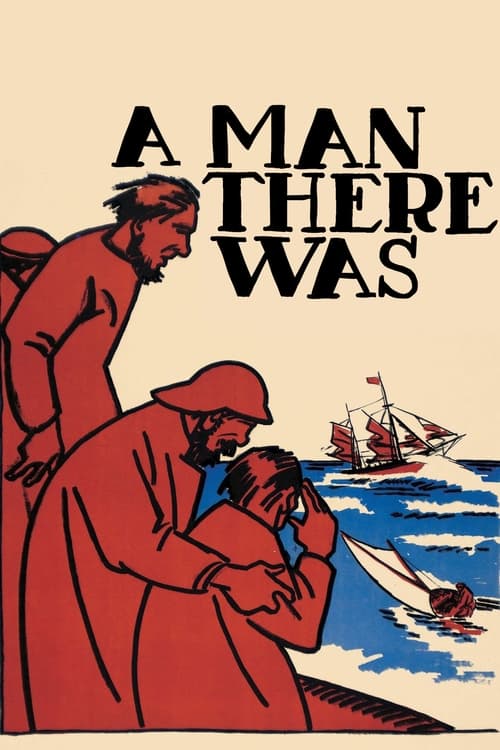
Terje Vigen, a sailor, suffers the loss of his family through the inflexibility of another man. Years later, when his enemy's family finds itself dependent on his benevolence, Terje must decide whether to avenge himself.
A Man There Was
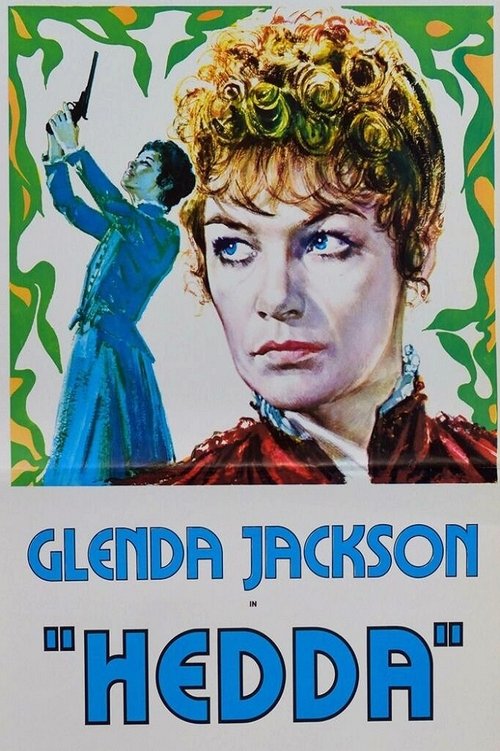
Returning from her honeymoon with her husband, scholar Jorgen, the cold and manipulative Hedda Gabler is unmoved by the sacrifices he's made to provide her with an elegant home. But when she learns that Jorgen's rival for a university position, Ejlert, has made a surprising comeback with a recent publication, she's quick to push him back into his former alcoholism, steal the sequel to his book and even encourage the writer to kill himself.
Hedda
Adaptation of Ibsen’s play. Mrs Alving’s son is ill - but what with?
Ghosts
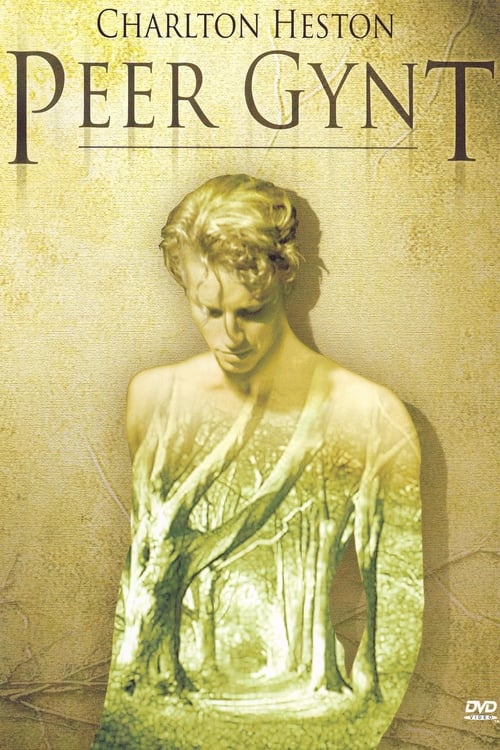
Based on the play by Henrik Ibsen, Gynt, an imaginative young man looked down upon by most everybody, is banished from his village for running away with a bride on her wedding day.
Peer Gynt

Set in a Norwegian hamlet, an idealistic physician discovers that the town's hot springs are contaminated. But with the community relying on the spa for tourist dollars, his warning to the powers-that-be falls on deaf ears.