Production
No description available.
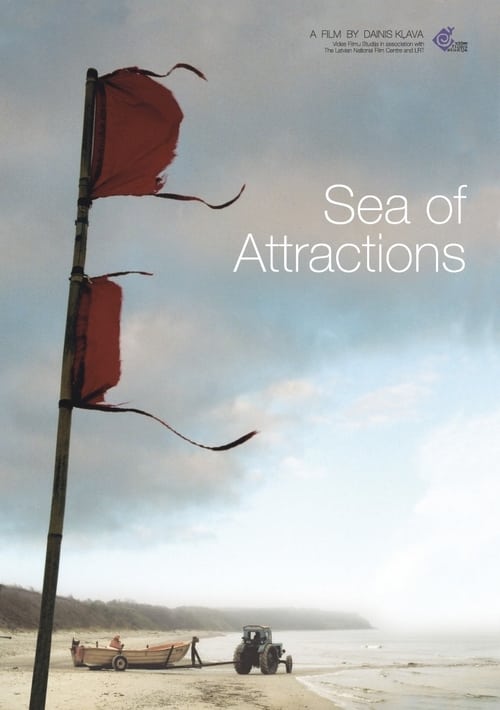
The narrow, sandy strip of the seashore is a neutral zone that belongs equally to the sea and the mainland. This zone possesses an unusual chracteristic, namely, it attracts people with a practically magnetic power, transforming the beach into something like a playground where the old and the new, the primitive and the civilised, the traditional and the modern all coexist.
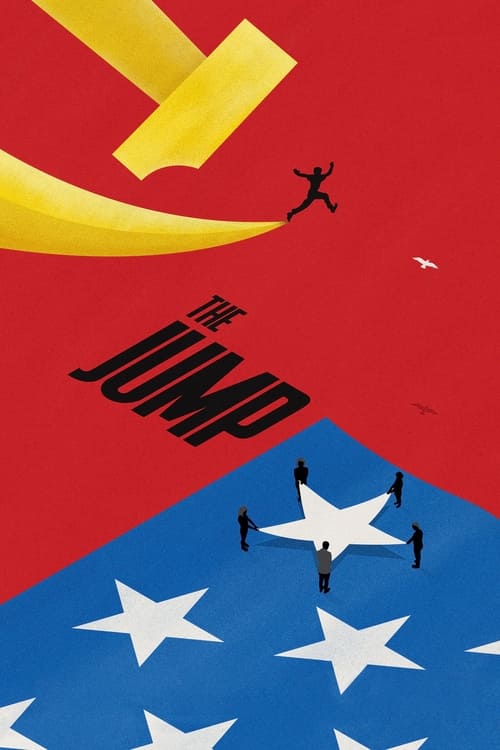
In the Cold War years of the 1970s, an American patrol boat meets a Soviet ship off the east coast of the United States for talks about fishing rights in the Atlantic. In the midst of this, while Russian commanders are aboard the U.S. Coast Guard vessel where the talks are being held, a Lithuanian sailor jumps across the ten feet of icy water separating the boats. Crash-landing on the deck of the American ship, he desperately begs for asylum. Though they try, the Americans ultimately fail to provide protection and the Soviets are allowed to capture him and brutally return him to their vessel. Thus begins a stranger-than-fiction story of imprisonment, discovery, fame, and freedom. Through rare archival footage and a dramatic first-person re-enactment of that fateful day by Simas Kudirka, the would-be defector himself, this tale of one of the biggest Cold War muddles takes us on a journey of uncanny twists of fate, and the emotional sacrifices of becoming a universal symbol of freedom.
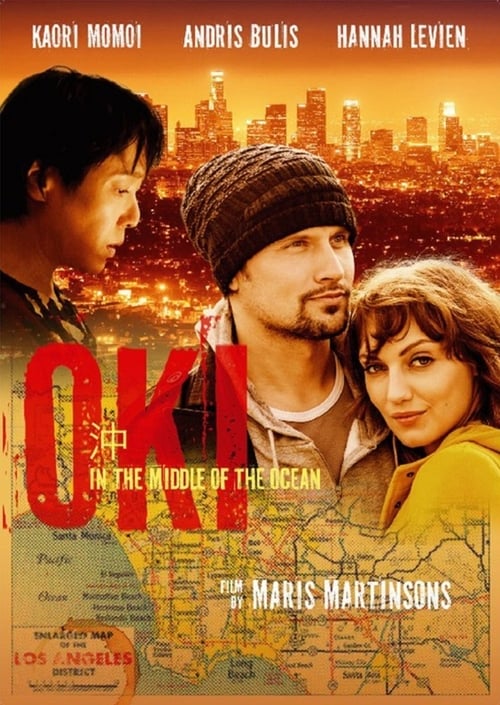
Psychological thriller connecting three different people in the mysterious vortex, trying to untangle the dramatic fight of border between the truth and fantasy. Rob, a former real estate broker, unemployed, starts following a strange Japanese woman, Oki, who constantly moves from house to house. He drags his roommate Wylie into the investigation during which they have to face the dark past and curse of Oki, while dealing with the history of their own.
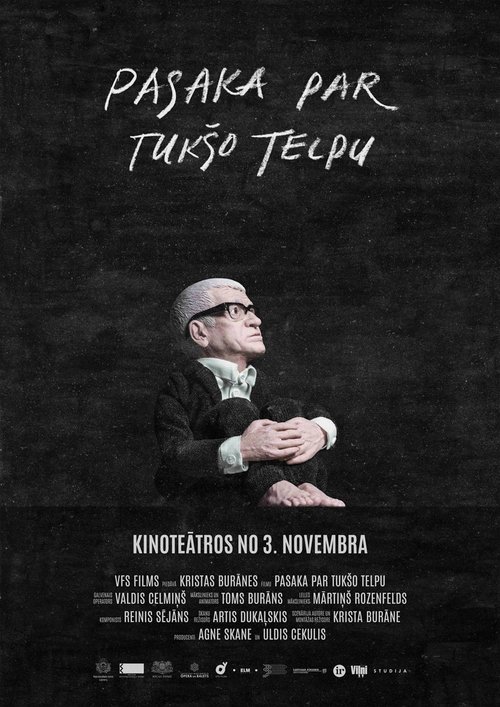
Accomplished European scenographer and educator Andris Freibergs paints a self-portrait by shaping the stage for an imaginary production titled “Andris Freibergs”. He transforms himself into a space that contains close to eighty years worth of stunning success, tragic loss, birth and death. It is an attempt to create the perfect empty space – one that would simultaneously encompass everything and nothing, the beginning and the end.
Vilis is a 6 year old boy who lives between two time zones. In the morning he goes to a preschool in Riga, Latvia where he sings, draws, learns to read and plays. In the afternoon he is already a first grader, logging in the Zoom class in a New York public school. While most of the world is worried that school closures and remote learning during the pandemic has left kids without education, the pandemic has given Vilis a chance to study in two schools at once. Vilis’ mom has been documenting these weird times on her phone. The experience in both schools will be challenged when Vilis starts the first grade this fall for the second time in his hometown.
After the fall of the Soviet Union large numbers of immigrants from the East stayed in Latvia for good, Latvians simply call them “Russians”. Over 20 years of independence later mutual suspicion and bias are still there in the most part of the local community. Therefore, a Latvian director involves an independent Russian speaking Norwegian colleague in helping him understand Latvian “Russians” and coming up with an integration plan. But soon enough it becomes clear that only Latvians themselves can manage the challenge. And so begins director’s journey away from the division “us / them”.
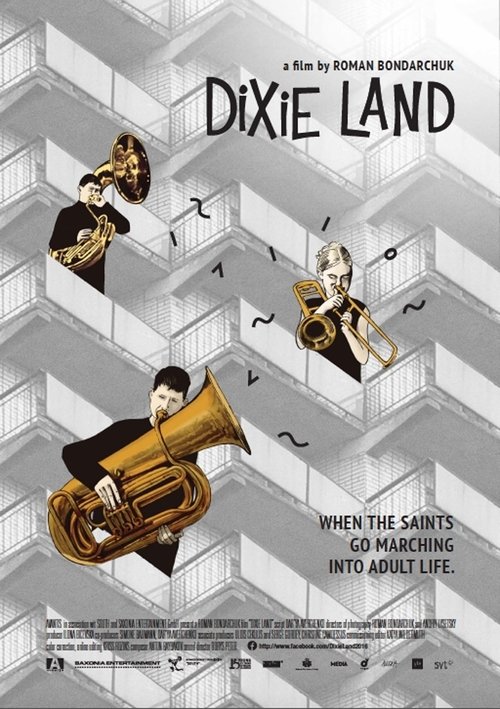
Little kids, big dreams and smashingly good music – Dixieland follows the amazing progress of four members of a Ukrainian children’s brass band from Kherson. Through steady practice under the wildest of conditions, Roman (12, trumpet), Polina (10, trombone, drums and many other instruments), Nikita (12, drums) and Nikita (14, piano) produce magical music with ancient, wobbly instruments. Not least due to their wit and good humor, they persevere together, helped along by their 80+-year-old conductor and a young teacher. These children of the post-Soviet provinces use American tunes to achieve their dream – to become someone in the world and make something of their lives, no matter how dire the circumstances. From the authors of an awards winning documentary film Ukrainian Sheriffs.
A local guide is asked to lead a group of influencers along the river of a remote valley. As they get deeper into the wilderness, their venture takes a frightening turn.
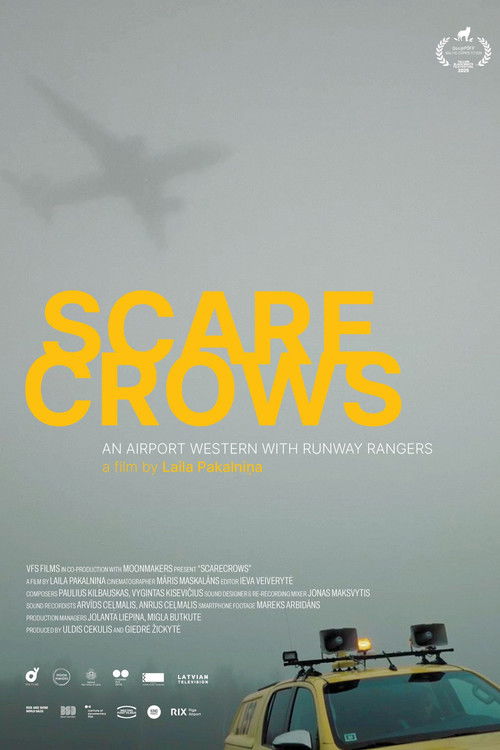
Those of us who fly in airplanes probably don’t think about those who fly through Riga Airport on their own wings. But on any given day, up to 30,000 birds might visit the airport. And it would only take one… Airport wildlife control employee Mareks would like to go to church and light a candle for luck before he goes to work every day. In fact, all of us need that luck – it’s just that we’re not aware of it. Maybe that’s a good thing. Understanding wildlife that might turn up at the airport and making sure that the paths of birds, animals and airplanes don’t cross is a very real job.
Instead of Einars Pelšs' eighth poetry book, he publishes his collected works, but the buyer of the book receives an ordinary brick. He translates the authors of the Russian Golden Age and publishes them under his own name, challenging the boundaries of literature. Is a poet who makes fun of art unique or exactly what we expect from contemporary authors? Einarrative is an extraordinary story that portrays the narrative of the life of Einārs Pelšs. In the film, this narrative is an experience of contrasting changes both in its visual style and in Einars’ poetic works and personality, allowing him to get involved in the depiction of the narrative himself, making the film as Einārs Pelšs' audiovisual collected works.
The world seen through the eyes of children. The action takes place in Karosta, the former military port of Liepaja city – however, it is not that important, as the film could take place anywhere. We observe children playing on the beach, revealing the core of Pakalnina’s work: perceiving and transmitting emotions.
In 1956, Roberto Rossellini was in the throes of a personal and artistic crisis. His recent films with Ingrid Bergman had flopped, their marriage was falling apart, and the press was relentless. When Bergman returned to Hollywood, Rossellini accepted an invitation from Indian Prime Minister Nehru to document India's progress. With doubts and a suitcase full of spaghetti, he set out to find a creative and emotional rebirth in India, inspired by a culture that balanced tradition and modernity.
New performers have recently moved into the 130-year-old building of the Riga Circus. Having built a stage in the stables, actors Ance, Āris, Klāvs, Reinis and the other members of the theatre company Kvadrifrons are reinvigorating and preserving the tradition of live art in the circus. The name of the group is an acronym in Latvian that conveys their ethos: they are an organisation that can chill with their friends, have bursts of amazing creativity, and whose members are far from unintelligent. And all the while, the strong smell of elephants wafts through the building. Here and there, the life of the previous inhabitants makes itself known. Soon shamanistic rituals alternate with clowning around, fortune-telling with illusion juggling, stagecraft with personal choices. Then suddenly, out of Nothing… emerges Theatre.
In 2014, Shakhta, Dancer, and Potter volunteered for the army in order to fight in the Russo-Ukrainian conflict in eastern Ukraine. Although the horrible things they experienced during two years on the front accompany them for every second of their existence, they try to return to civilian life. But the Russian invasion in 2022 forces them to again confront the war.
At the beginning of the 1960s, when the French pioneers of cinéma vérité set out to achieve a new realism, and when direct cinema in Québec began to vie for notice, the Baltics wit-nessed the birth of a generation of documentarists who favored a more romantic view of the world around them. This meditative documentary essay – from a Latvian writer and Lithuanian director whose composed touch has long dovetailed with the stylistically diverse works of the Baltic New Wave – pushes adroitly past the limits of the common his-toriographic investigation to create a portrait of less-clearly remembered filmmakers. The result is a consummate poetic treatment of the ontology of documentary creation. Also a cinematic poem about cinema poets.
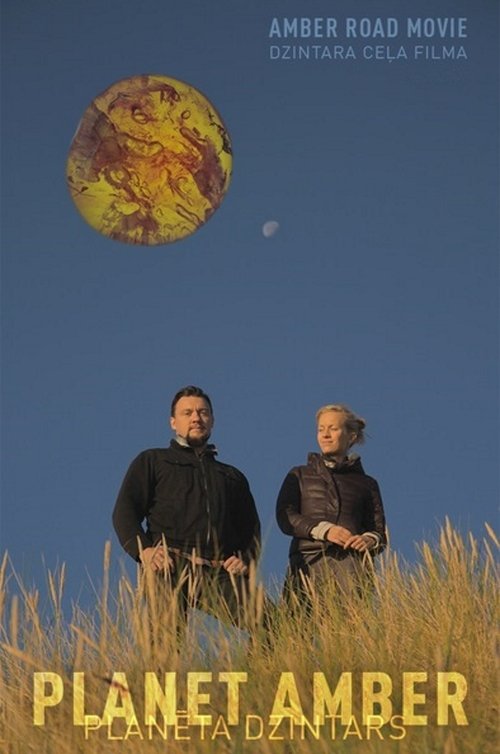
When the world was younger, ships, explorers and merchants carried not only foreign goods, but also stories. Those stories drew a map of the world and taught people that there are broader horizons beyond their own fences. Baltic amber has always been valued as the Gold of the North, so two young Latvians set out on the ancient amber trade route from the Baltic coast to the south of India to learn how this Stone of the Sun has changed the world we live in.
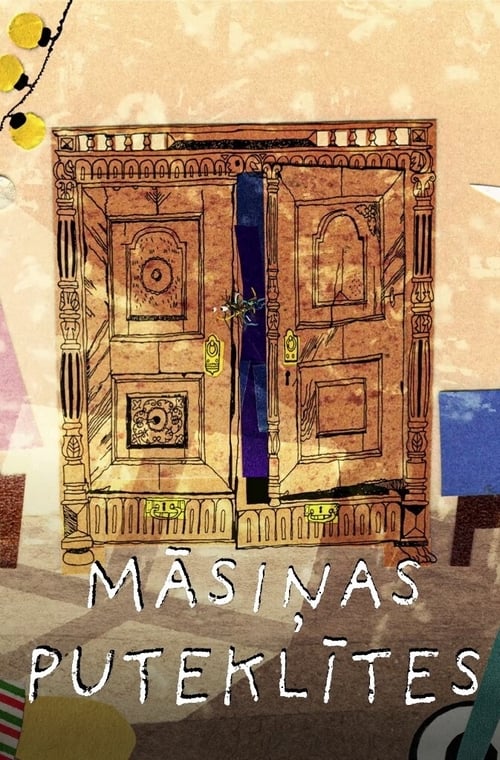
This playful story of the mischievous dust fairies follows lively dust creatures as they dance around the nursery, travel up the chimney into the clouds, and soar through the sky with rainbows and raindrops.
Driving in their yellow Lada flying its own little Ukrainian flag, they travel from incident to incident – calming an angry neighbor, investigating the discovery of a body, struggling to unfold a stroller and attempting to re-integrate Vova, the freeloader who eats other people’s dogs but actually longs for a normal existence – just like everyone else here. The seasons pass until political developments reach the village by way of the TV screen, sowing separatist discord.