Writing
Aucune description disponible.
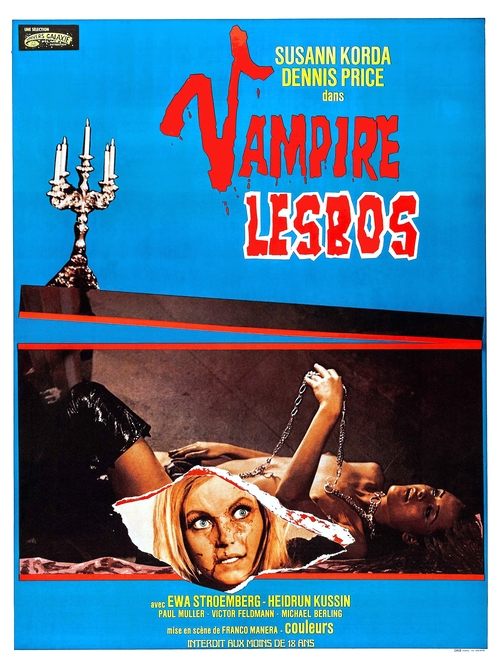
Linda, pour régler l'histoire d'héritage d'une comtesse italienne devenue orpheline, se rend à Istanbul avec son mari. Depuis quelque temps Linda souffre d'un mal étrange. Chaque nuit elle est comme envoutée par une mystérieuse femme brune qui ne cesse de l'appeler. Peu à peu Linda deviendra l'esclave de cette femme et obéira aux moindres désirs de cette dernière. Pour se changer les idées elle décide de passer une soirée avec son mari dans un cabaret. Lors d'un spectacle de striptease, Linda aperçoit la créature de ses rêves sur scène. Cette femme n'est autre que cette mystérieuse comtesse. Linda se rend seule sur l'île de la comtesse, qui est une vampire qui ne survit que de sang et de sexe. Elle souhaite initier Linda aux plaisirs lesbiens et la pousse petit à petit à devenir vampire à son tour... Linda réussira-t-elle à quitter l'île à temps ?
David (Mark Stevens) est un médecin qui retourne en Espagne trente ans après avoir été impliqué dans la guerre civile espagnole. Participant désormais à un congrès médical, il en profite pour retrouver de vieux amis et découvre que son ancienne amante est désormais mariée et mère d’une fille danseuse de flamenco. Il rencontre cette dernière (Manuela Vargas), et une attirance immédiate et réciproque naît entre eux. Séduit, il envisage même de s’enfuir avec la jeune femme exotique, avant de proposer à son épouse de l’accompagner pour des vacances prolongées après le congrès.
Deux amis, Paul et Pierre, se retrouvent après 20 ans dans la maison où ils passaient leurs vacances. Pierre est intellectuel et Paul, bon vivant, a une fille de 16 ans, Marthe. Les deux hommes parcourent les livres "interdits" restés enfermés dans "l'enfer" de la bibliothèque. Par jeu et provocation, Marthe invite Pierre a lui commenter ces livres érotiques du 18ème siècle. Pierre se laisse tenter mais Marthe veut vivre ce qu'ils contiennent et découvrir avec Pierre cet univers nouveau. Ayant fait passer les textes dans son expérience avec l'audace de l'adolescence, Marthe n'a plus besoin de Pierre mais celui-ci l'a marqué à tout jamais.
Johan Sebastián Bach s'installe à Leipzig avec sa famille pour occuper le poste de chanteur dans la prestigieuse Ecole de Santo Tomás. Bach, fervent dévot et travailleur inlassable, est un homme modeste et sa position sociale est loin d'être privilégiée. La reconnaissance de sa musique n'a pas encore eu lieu, le talent de ses compositions grandira avec le temps et Bach n'atteindra la gloire que dans les siècles futurs. Autour de cet argument, quasi anecdotique, se tisse une trame serrée où cohabitent art, histoire, et surtout, le travail et la discipline que suppose la création musicale. La musique comme élément à part entière du récit.
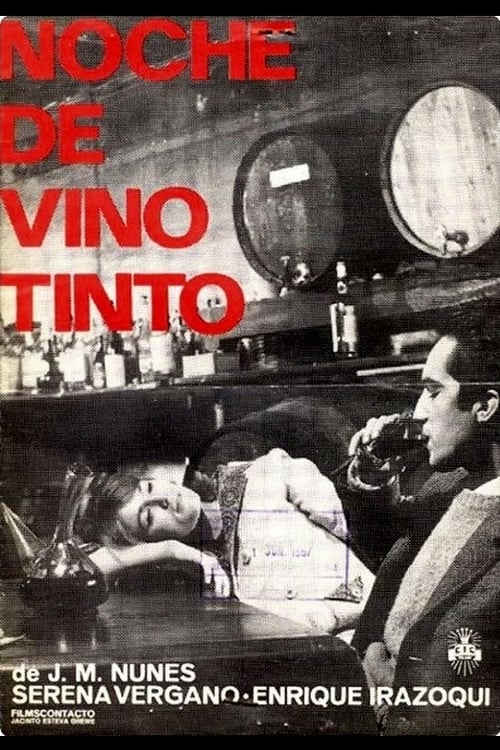
Milieu des années 60... Un jeune garçon et une fille, tous deux déprimés, se retrouvent dans un bar. Bien qu'ils ne se connaissent pas, ils commencent une tournée de nuit à travers les bars de la ville de Barcelone. Au fur et à mesure que la nuit avance, les deux apprennent à mieux se connaître et tombent peut-être amoureux...