FEEL IT.STREAM
Iara Lee

Iara Lee

Directing

Biography

Iara Lee is a Brazilian film director, producer and activist of Korean descent. From 1984 to 1989, she was the producer of the Sao Paulo International Film Festival in Brazil. From 1989 to 2003, she was based in New York City, where she ran the mixed-media company Caipirinha Productions. She is the founder of Cultures of Resistance Network, an organization that promotes global solidarity through creative resistance and nonviolent action, and the director of Cultures of Resistance Films. At the onset of the Iraq war in 2003, she decided to live in the MENA region in order to understand the conflict from that perspective. She spent extensive time in Syria, Yemen, Tunisia, Jordan, Lebanon, and Iran. In May 2010, she was a passenger on the MV Mavi Marmara, a vessel in the Gaza Freedom Flotilla that was attacked in international waters by the Israeli navy, leading to the murder of nine humanitarian aid workers.
Known For

We Are Many
6.7

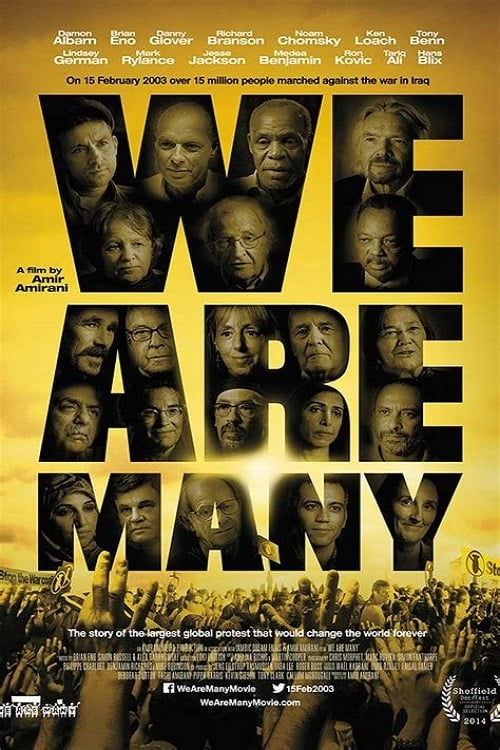
The story of the biggest demonstration in human history, which took place on 15th February 2003, against the impending war on Iraq.

We Are Many

2014
Modulations
7.2

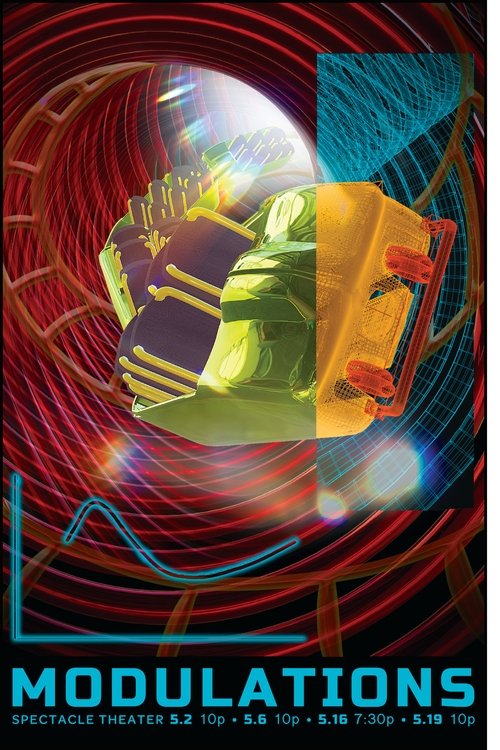
Less a documentary than a primer on all electronic music. Featuring interviews with nearly every major player past and present, as well as a few energetic live clips, Modulations delves into one of electronica's forgotten facets: the human element. Lee travels the globe from the American Midwest to Europe to Japan to try to express the appeal of music often dismissed as soulless. Modulations shows that behind even the most foreign or alien electronic composition lies a real human being, and Lee lets many of these Frankenstein-like creators express and expound upon their personal philosophies and tech-heavy theories. Lee understands that a cultural movement as massive and diverse as dance music can't be contained.

Modulations

1998
Synthetic Pleasures
5.1

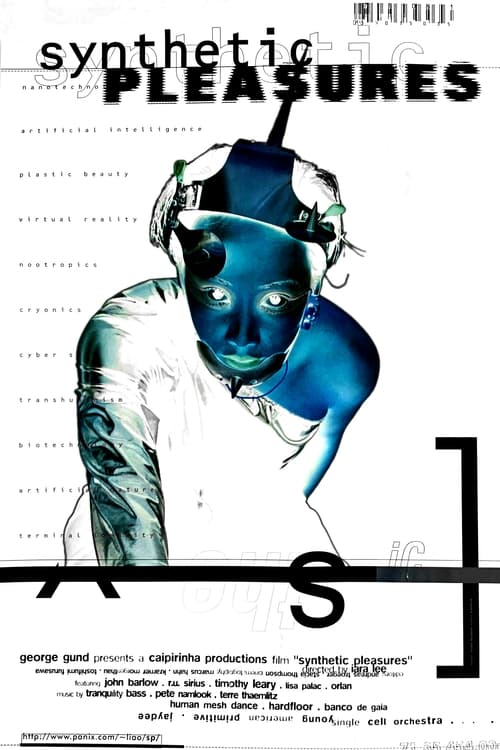
Conceived as an electronic road movie, this documentary investigates cutting edge technologies and their influence on our culture as we approach the 21st century. It takes off from the idea that mankind's effort to tap the power of Nature has been so successful that a new world is suddenly emerging,an artificial reality. Virtual Reality, digital and biotechnology, plastic surgery and mood-altering drugs promise seemingly unlimited powers to our bodies, and our selves. This film presents the implications of having access to such power as we all scramble to inhabit our latest science fictions.

Synthetic Pleasures

1995
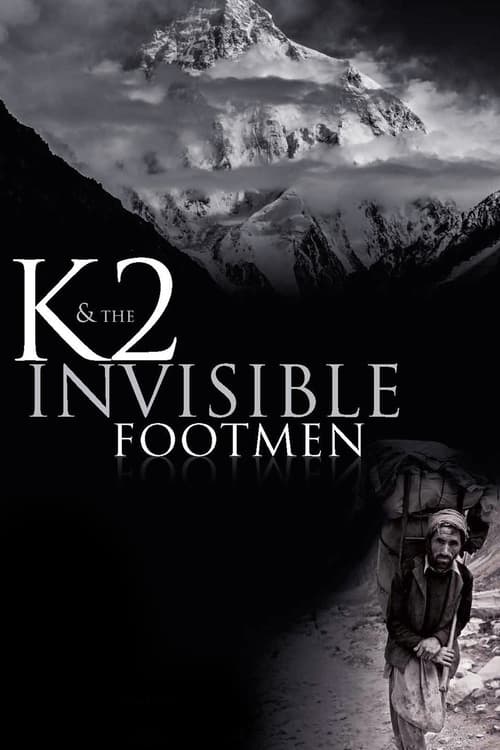
K2 & The Invisible Footmen
8.9

K2 is widely seen as the world's harshest mountain. Yet many indigenous porters make a living in its extreme conditions, carrying provisions for foreign climbing expeditions. Often risking their lives, they receive minimal pay for their efforts. Against a backdrop of breathtaking natural beauty, this doc explores the courage and sacrifice of the men who call the 'Savage Mountain' their home.

K2 & The Invisible Footmen

2015
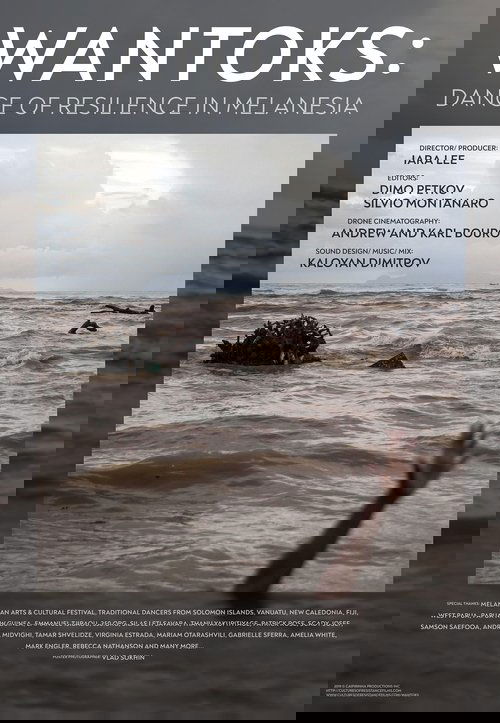
Wantoks: Dance of Resilience in Melanesia
N/A

Featuring footage from the South Pacific islands, this documentary profiles the Melanesian artists and activists who are fighting for self-determination while trying to defend their homes against the rising sea.

Wantoks: Dance of Resilience in Melanesia

2019
Burkinabè Rising - The Art of Resistance in Burkina Faso
N/A

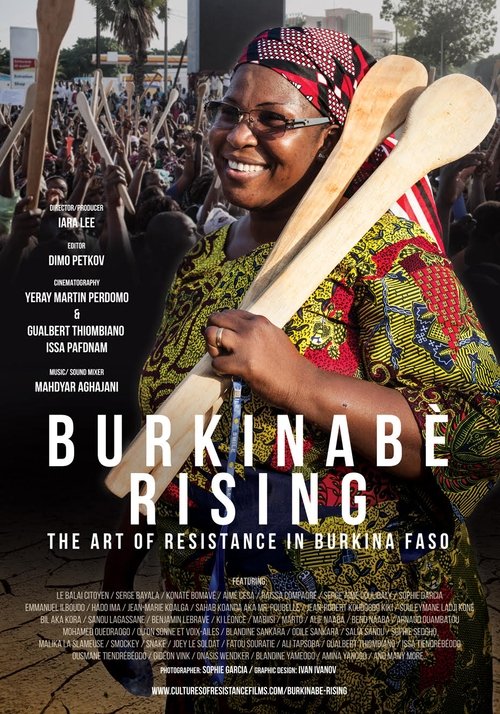
BURKINABÈ RISING: the art of resistnace in Burkina Faso showcases creative nonviolent resistance in Burkina Faso. A small, landlocked country in West Africa, Burkina Faso is home to a vibrant community of artists and engaged citizens, who provide an example of the type of political change that can be achieved when people come together. It is an inspiration, not only to the rest of Africa but also to the rest of the world. Through music, film, ecology, visual art, and architecture, the people featured in this film are carrying on the revolutionary spirit of Thomas Sankara. After assuming the presidency in 1983, Sankara was killed in a 1987 coup d'état led by his friend and close advisor Blaise Compaoré, who subsequently ruled the country as an autocrat for twenty-seven years. In October 2014, a massive popular insurrection led to his removal. Today, the spirit of resistance is mightier than ever in Burkina Faso.

Burkinabè Rising - The Art of Resistance in Burkina Faso

2018
Burkinabè Bounty
N/A

This documentary chronicles agricultural resistance and the fight for food sovereignty in Burkina Faso – a small, landlocked country in West Africa. Showcasing activist farmers, students, artists and leaders in the local Slow Food movement, the film looks at how the Burkinabé people are reclaiming their land and defending their traditions against the encroachment of corporate agribusiness. From women gaining economic independence by selling artisanal “dolo” beer, to youth marching in the streets against companies like Monsanto, to hip-hop musicians setting up their own farms and reviving the revolutionary spirit of Thomas Sankara through their music, Burkinabè Bounty shows the creative tactics people are using to take back control of their food, seeds, and future.

Burkinabè Bounty

2018
Cultures of Resistance
5.6

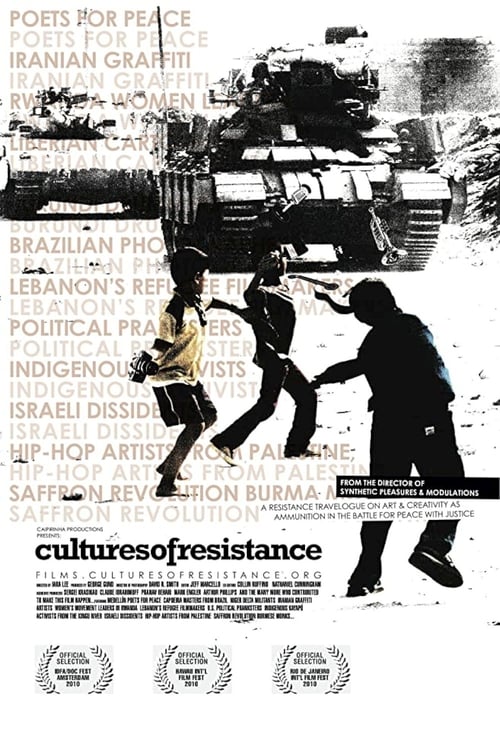
In 2003, on the eve of the Iraq war, acclaimed director Iara Lee embarked on a journey to better understand a world increasingly embroiled in conflict and, as she saw it, heading for self-destruction. After several years, traveling over five continents, Iara encountered growing numbers of people who committed their lives to promoting change through the arts. This is their story. From IRAN, where graffiti and rap have become tools in fighting government repression, to BURMA, where monks acting in the tradition of Gandhi take on a dictatorship, to PALESTINIAN refugee camps in LEBANON, where photography, music, and film have given a voice to those rarely heard, CULTURES OF RESISTANCE explores how art and creativity can be ammunition in the battle for peace and justice.

Cultures of Resistance

2010
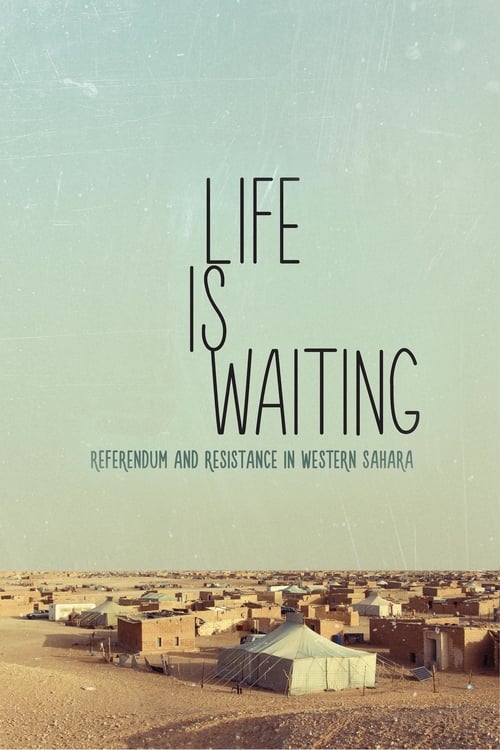
Life is waiting: referendum and resistance in Western Sahara
7.0

Forty years after its people were promised freedom by departing Spanish rulers, Western Sahara remains Africa's last colony. This film chronicles the everyday violence experienced by Sahrawis living under Moroccan occupation and voices the aspirations of a desert people for whom the era of colonialist never ended.

Life is waiting: referendum and resistance in Western Sahara

2015
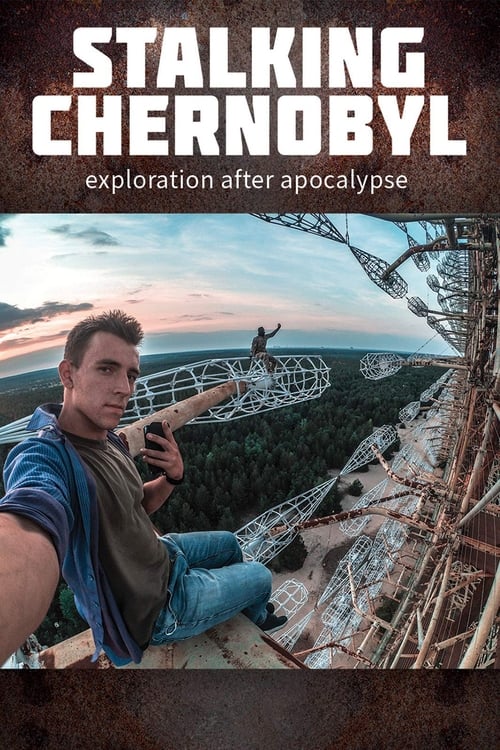
Stalking Chernobyl: Exploration After Apocalypse
6.5

Film examines the underground culture of the Chornobyl Exclusion Zone. Three decades after the world's most infamous nuclear disaster, wildlife has returned in the absence of human settlements. Meanwhile, illegal hiking adventurers known as "stalkers," extreme sports aficionados, artists, and tour companies have begun to explore anew the ghostly, post-apocalyptic landscape.

Stalking Chernobyl: Exploration After Apocalypse

2020
From Trash to Treasure
N/A

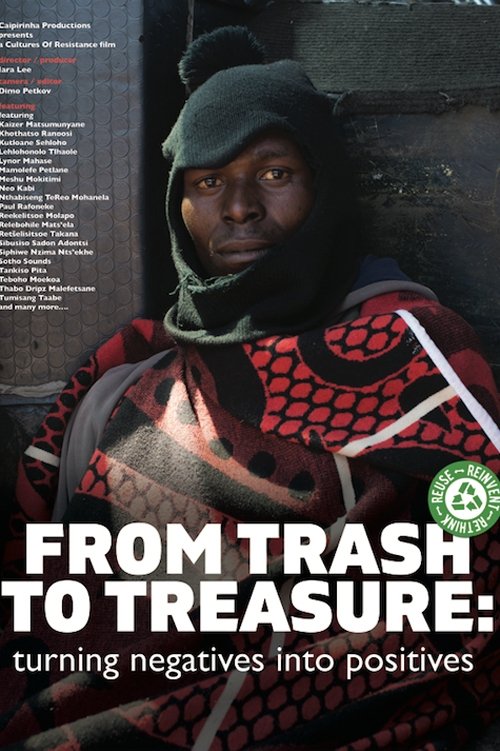
In Lesotho—a highland country surrounded by South Africa—an artist named Nthabiseng TeReo Mohanela takes discarded materials and transforms them into unique clothing and accessories. Teaching young people the benefits of recycling and re-creation, she calls her project “From Trash to Treasure.” With TeReo’s work as a starting point, this short film showcases a broader spirit of reimagination among artists in Lesotho, who use creativity to respond to entrenched social problems: Filmmakers show the need to end child marriage. Musicians write songs about climate change. Farmers collect seeds to protect endangered tree species. Designers use fashion to preserve traditional Basotho culture and challenge common perceptions of Africa. Profiling a variety of these innovators, FROM TRASH TO TREASURE: turning negatives into positives encourages us to take lessons from those who rethink, reuse, and reinvent in order to promote positive change.

From Trash to Treasure

2020
The Women's Colloquium in Liberia
N/A

Hundreds of African women and international delegates joined Liberian president Ellen Johnson Sirleaf to strategize about how women leaders can help bring a lasting peace. In March 2009, women leaders from around the world met in Monrovia, Liberia for the International Colloquium for Women's Empowerment, Leadership Development, International Peace and Security. The conference had first been proposed at the inauguration of Liberian president Ellen Johnson Sirleaf, the only female head of state in Africa. This short film captures the energy of the event, where 800 female participants gathered to envision a new era of peace and gender equality in Africa and beyond.

The Women's Colloquium in Liberia

2010
No image
N/A

With thousands dead and counting, the ongoing conflict in Syria has become a microcosm for the complicated politics of the region, and an unsavory reflection of the world at large. Against the backdrop of the Arab Spring and the complicated politics of the region, this film explores the Syrian conflict through the humanity of the civilians who have been killed, abused, and displaced. In all such conflicts, it is civilians, women and children, families and whole communities, who suffer at the leisure of those in power. When elephants go to war, it is the grass that suffers

The Suffering Grasses

2012
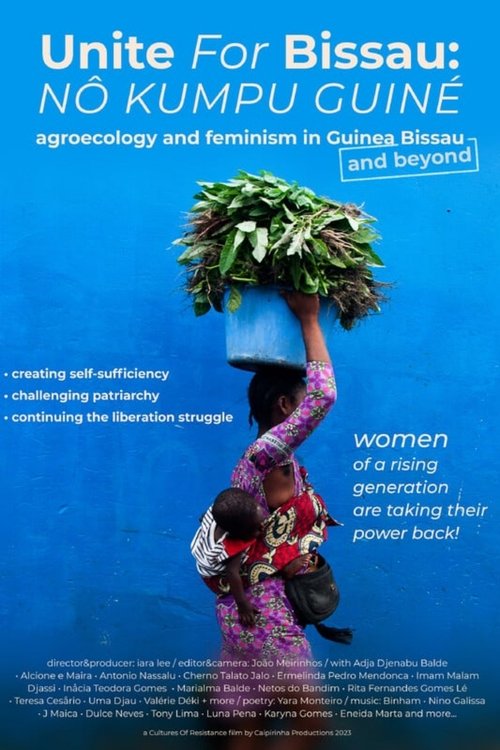
Unite for Bissau (Nô Kumpu Guiné): Agroecology and Feminism in Guinea Bissau
N/A

In the West African nation of Guinea-Bissau, we follow brave local women who challenge patriarchy by building institutions that promote self- sufficiency through agroecology. They also defy social norms by standing up against female genital mutilation and rejecting forced marriage. Carrying forward the legacy of Amílcar Cabral, the Bissau-Guinean independence leader who placed women’s rights at the center of the struggle for liberation, the women of a rising generation are taking their power back.

Unite for Bissau (Nô Kumpu Guiné): Agroecology and Feminism in Guinea Bissau

2023
Sierra Leone Rising
N/A

Having emerged from an 11-year civil war that left more than 50,000 people dead and two million displaced, Sierra Leone strives for a peaceful and democratic future. Since the end of conflict in 2002, the people of Sierra Leone have strived to build a democratic and peaceful society. The path remains difficult, with poverty entrenched, yet signs of progress, too often ignored by the international media, can also be found. Sierra Leone has held two consecutive democratic elections, and women and young people have taken the lead in creating an engaged civil society. This short film documents the progress Sierra Leone has made since the end of its brutal civil war and the hope of a new generation for creating a more just society.

Sierra Leone Rising

2010
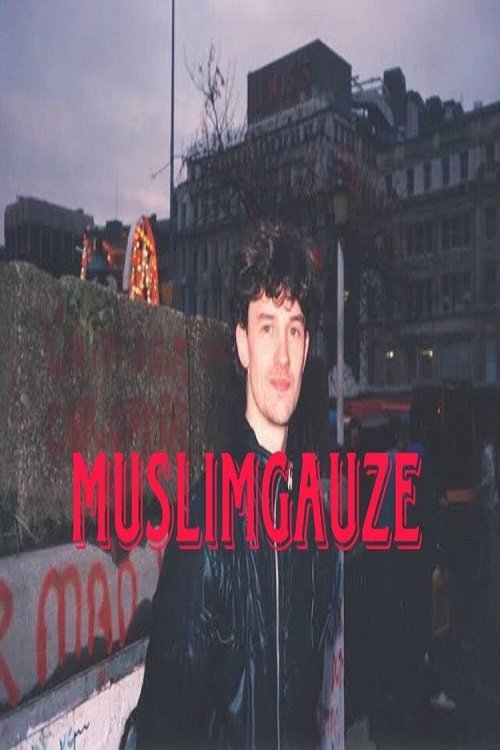
Muslimgauze: Chasing the Shadow of Bryn Jones
N/A

Beginning in 1982, after Israel's invasion of Lebanon, the Manchester-born musician's obsession with Middle Eastern conflict began. His music, a mix of industrial, hip-hop, techno, and dubstep, and usually without any lyrics, could never easily be identified for its politics. But his pro-Palestinian beliefs were at the center of his inspiration. As the head of Muslimgauze's first long-term record label recalls about their first meeting, "We didn't talk about music, we talked about politics and the whole situation that brought his music to life."Mixing news broadcast recordings, drum kit beats, pots and pans, and classic instrumentals, Muslimgauze pioneered a new style of music that sounded little like anything else at the time or since.

Muslimgauze: Chasing the Shadow of Bryn Jones

2013
No image
N/A

The government-planned hydroelectric Belo Monte dam would be the world's third-largest and would displace tens of thousands of indigenous people and local farmers who depend upon the Xingu tributary of the Amazon for their way of life. In 2008 over 1,000 of them assembled for a summit in Altamira to protest this proposed dam.

Battle for the Xingu

2009
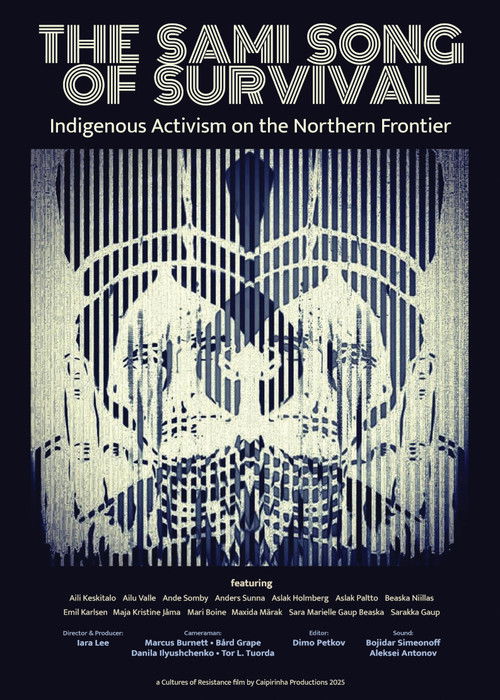
The Sami Song of Survival: Indigenous Activism on the Northern Frontier
N/A

The Sami people, mainly found in Russia and Lapland, continue their struggle against oppression and colonialism. For centuries, they have faced institutionalized racism, marginalization, and repression of their culture and language. Through activism, they have gained recognition and respect in recent years, but the struggle is not over. Through art and cultural resilience, the Sami assert their rights to exist and thrive in their ancestral lands.

The Sami Song of Survival: Indigenous Activism on the Northern Frontier

2025
No image
N/A

Japanese landscapes of autumn colors, modern calligraphy, Shakuhachi flute music. Traditional Haiku is juxtaposed with the poetry of Allen Ginsberg, combining Western humor into an Eastern setting.

An Autumn Wind

1994