Acting
Simon Templar is The Saint, a handsome, sophisticated, debonair, modern-day Robin Hood who recovers ill-gotten wealth and redistributes it to those in need.
Theatre 625 is a British television drama anthology series, produced by the BBC and transmitted on BBC2 from 1964 to 1968. It was one of the first regular programmes in the line-up of the channel, and the title referred to its production and transmission being in the higher-definition 625-line format, which only BBC2 used at the time.
ITV Playhouse is a British comedy-drama TV series that ran from 1967 to 1983, which featured contributions from playwrights such as Dennis Potter, Rhys Adrian and Alan Sharp. The series began in black and white, but was later shot in colour and was produced by various companies for the ITV network, a format that would inspire Dramarama. Actors appearing in the series included Leslie Anderson, Gwen Nelson, Ricky Alleyne, Pat Heywood, Michael Elphick, Ian Hendry, Edward Woodward, Margaret Lockwood, Jessie Matthews and Lloyd Peters.
An anthology series of television plays which aired on BBC1 from October 1964 to May 1970. The plays were usually written for television, although adaptations from other sources also featured.
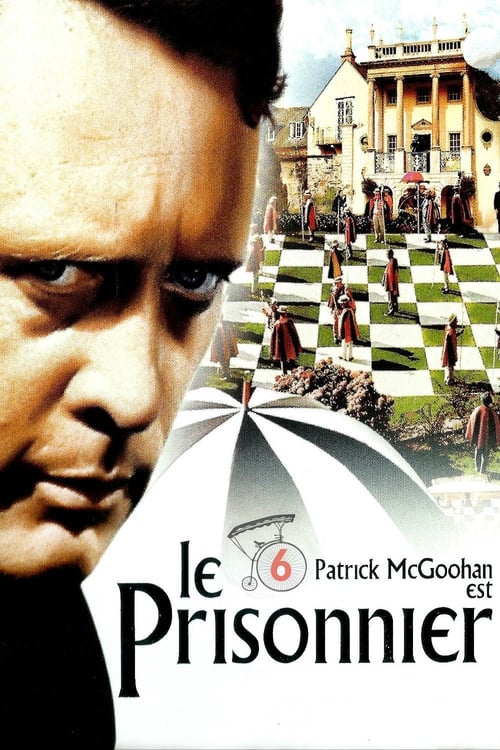
After resigning, a secret agent is abducted and taken to what looks like an idyllic village, but is really a bizarre Kafkaesque prison. His warders demand information. He gives them nothing, but only tries to escape.
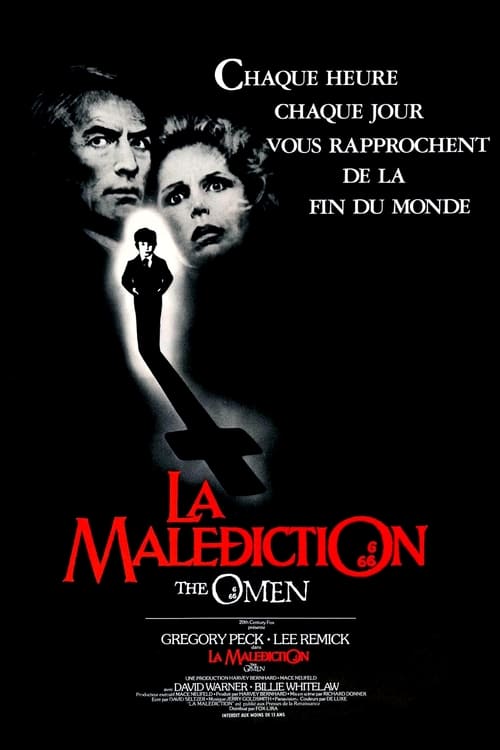
Immediately after their miscarriage, the US diplomat Robert Thorn adopts the newborn Damien without the knowledge of his wife. Yet what he doesn’t know is that their new son is the son of the devil.
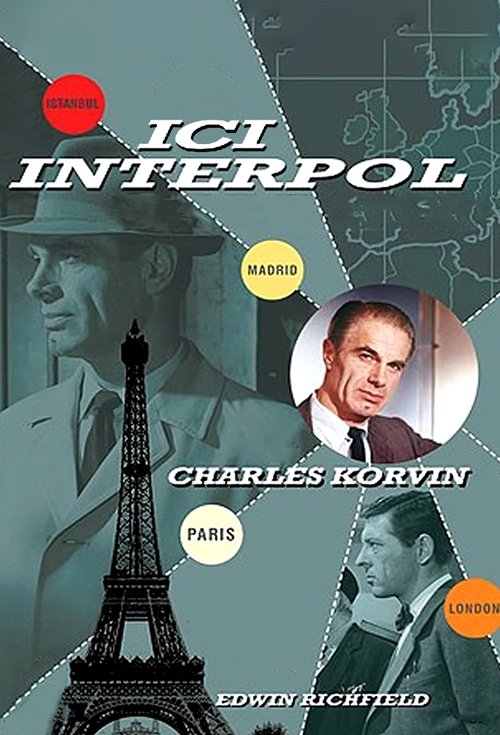
The adventures of Interpol policemen Duval and Mornay as they fought against international drug-running, homicide, robbery and forgery.
Drama 61-67 is anthology drama series which took a different title, based on year of transmission, each year. It alternated with Armchair Theatre from ABC in the Sunday evening slot. The series was described at the time as epitomising ATV drama.
Captain of 'The Shipwreck' Grant Mitchell runs a cargo business, but finds himself often called on for help against problems, intrigue, and villainy on the choppy waters of his trade.
The series adapted for television some true tales from press correspondents from around the world.
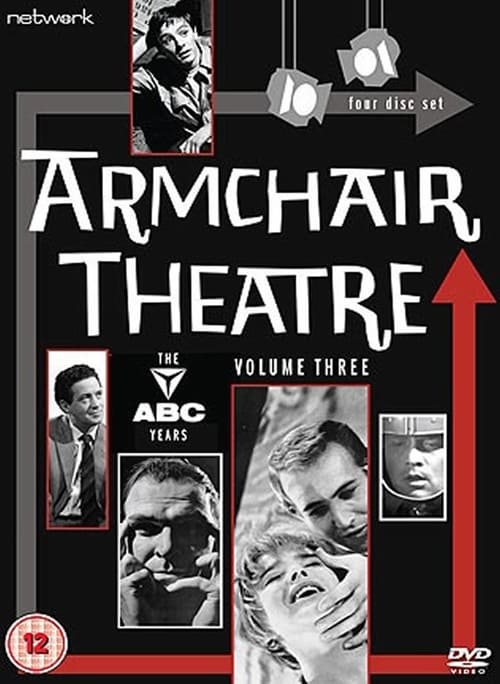
Armchair Theatre is a British television drama anthology series of single plays that ran on the ITV network from 1956 to 1974. It was originally produced by Associated British Corporation, and later by Thames Television from mid-1968.
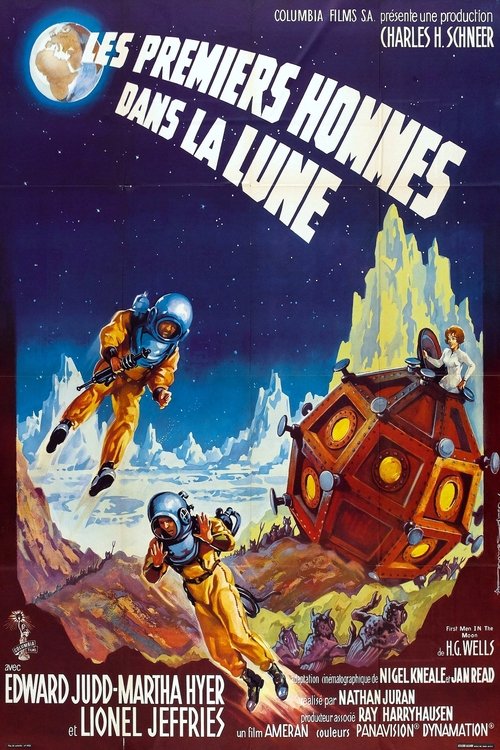
The world is delighted when a spacecraft containing a crew made up of the world's astronauts lands on the moon, but are shocked when the astronauts discover an old British flag and a document declaring that the moon is taken for Queen Victoria proving that the astronauts were not the first men on the moon.
Drama involving a police inspector investigating the kidnapping of his son. All six episodes are believed to be lost.
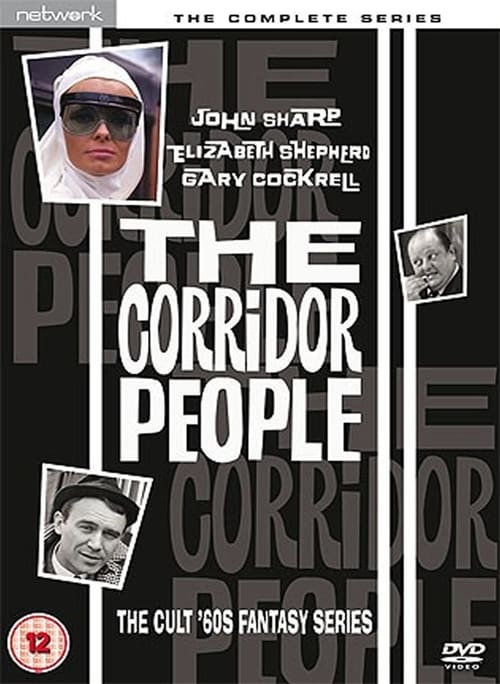
The Corridor People is a British television series produced by Granada Television for the ITV network in 1966, devised and written by Edward Boyd. A surreal black-and-white detective series, The Corridor People pitched security agent Kronk against exotic villainess Syrie Van Epp over the course of four episodes.
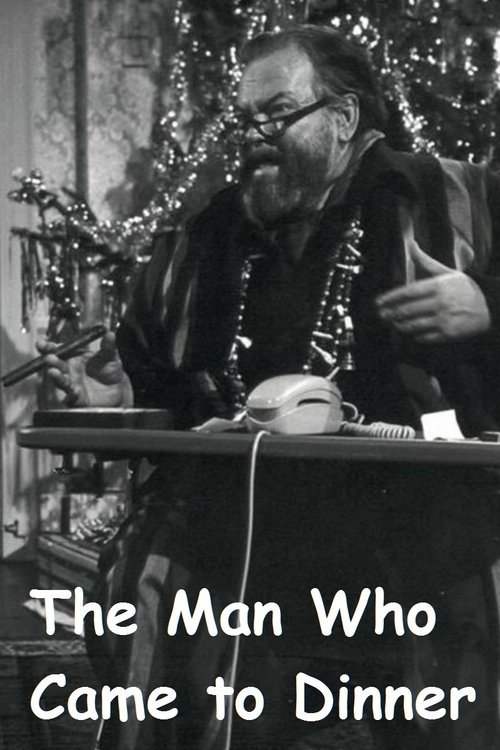
Lecturer and broadcaster Sheridan Whiteside has been invited to dinner at the home of a pompous small-town bigwig. But he stays rather longer than anyone expects.
Lighthearted spy drama about Boysie Oakes, who takes a nice job with the British Secret Service, enjoys all the perks, and signs all the forms before learning that his job depends on murdering people, and not romancing all the beautiful civilian staff in Whitehall.
A serial killer is murdering women in the Whitechapel district of London. An American policeman is brought in to help Scotland Yard solve the case.
The Bass Player and the Blonde was a television play in the ITV Playhouse series, first broadcast 14 June 1977. It was followed up with a three-part serial with the episodes given the names of musical terms: Rondo, Allegro, and Andante. In the play and the series, George Manghan, a middle aged, debt ridden bass player in a Jazz band, falls in love with the wealthy and much younger blonde singer Terry, much to the distress of her father.
A woman vanishes after exclaiming to her husband, "You'll never see me again!" He is then finds himself under suspicion.
It is London in the year 1960 and John Saunders enthusiastically begins his new teaching career at a tough slum-area school. His class are bored pupils in their last term before leaving. Will he handle the grave problems that lie ahead?