Acting
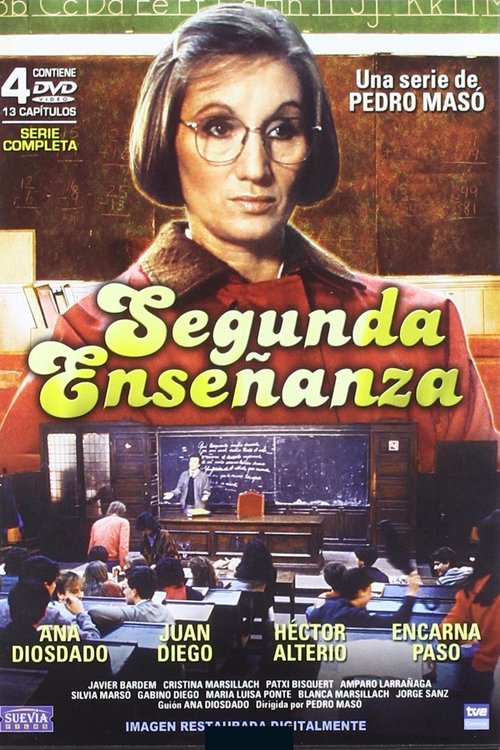
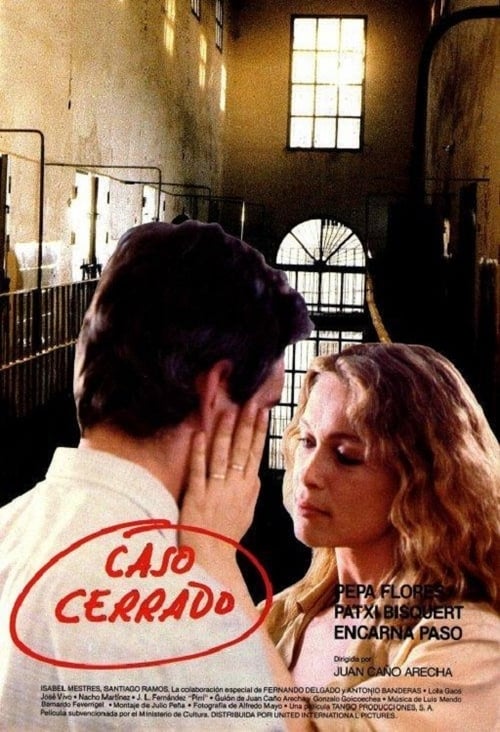
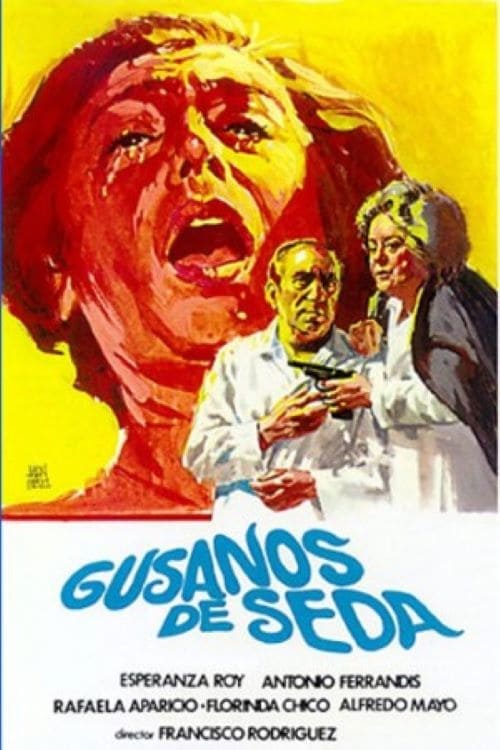
Encarna Paso (Madrid; March 25, 1931) is a spanish actress.
Exploring perspectives on witches from different angles, ranging from historical accounts to popular folklore, shedding light on the complex narratives surrounding these notorious figures.
No description available.
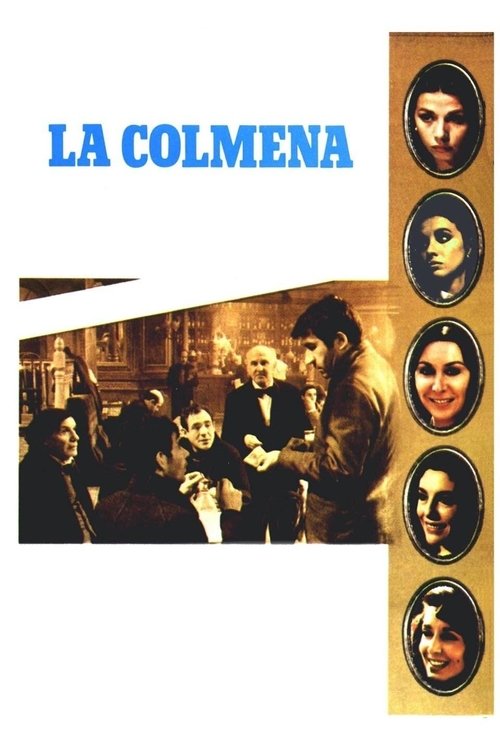
As in the novel of the same title from Camilo Jose Cela, "La Colmena" is a sad composition with the stories of many people in the Madrid of 1942, just the postwar of the spanish civil war. The main theme of the film is the contrast between the poets, surviving close to misery under the Franco's regime, and the winners of the war, the emerging class of the people that makes easy money with illegal business.
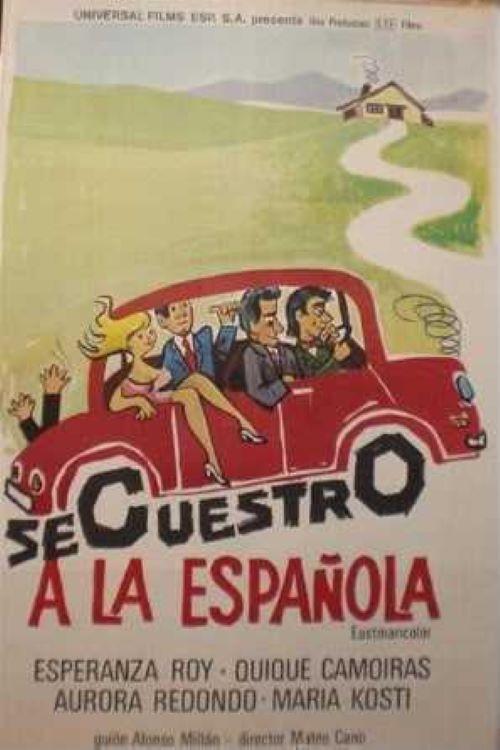
A useless kidnapper tries to kdnap a rich industrialist.
Marín, Galicia, Spain. Carlos, José Luis and Enrique, three good friends and final year students in the Naval Academy, argue due to love issues.
Cesar and Isabel just got married for the Jewish rite, their religion. He is a director of a banking company. She works in a bookstore owned by her mother-in-law. The couple sees their happiness truncated when César discovers financial anomalies in the entity where he works. What were initially charges against some managers, becomes an accusation of embezzlement against César, who is in France to prevent his entry into military service. Go back and appear before the judge to prove his innocence.
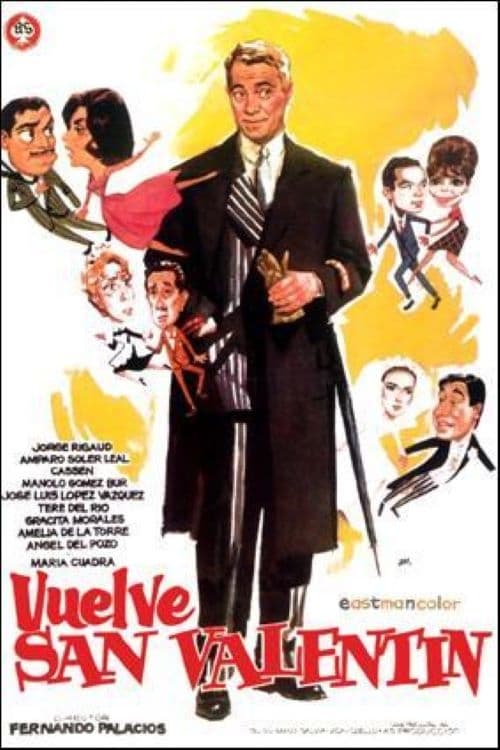
As there are still a lot of problems in the relationships of the Spanish couples Saint Valentine returns to earth and especially to Madrid in order to fix these problems.
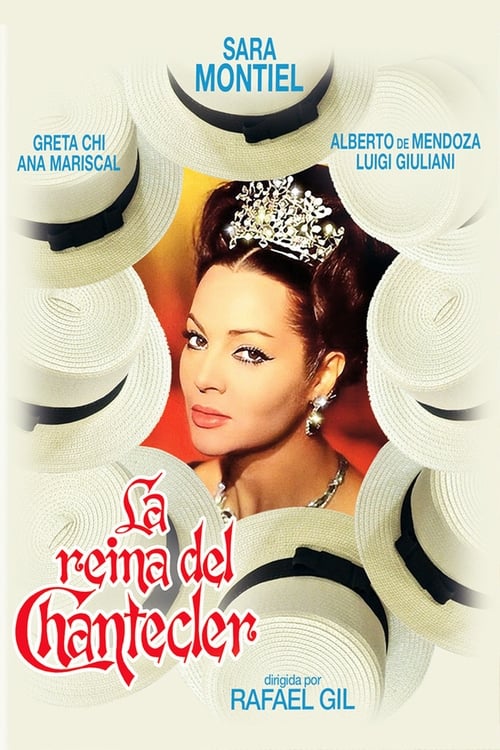
A Spanish music hall performer gets caught up in espionage during the First World War.
El Muertes and El Jato travel to Morocco to get some chocolate but run into trouble when they are assaulted by locals. Magda, El Jato's girlfriend, waits for them in Algeciras where they decide to steal a car to get back.
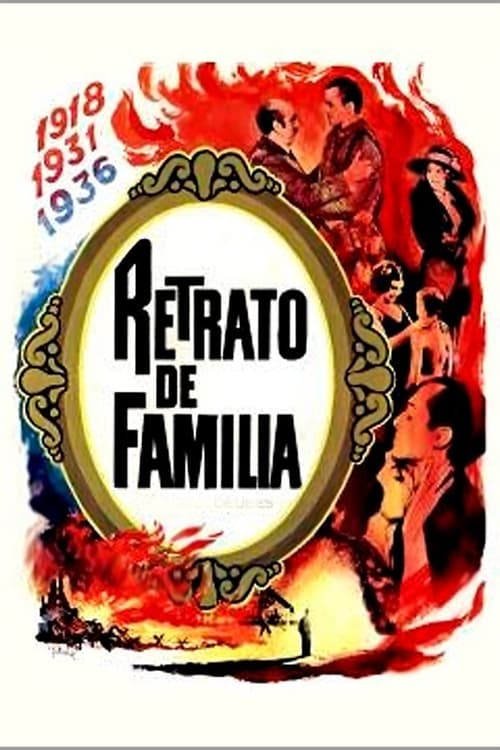
Cecilio Rubes, a businessman engaged in the manufacture of baths and toilets, tries to remain neutral in the imminent Spanish civil war. But the attitude of Cécil, his only child, a spoiled boy who grows without respect their parents, will forced him to face the cruel reality of the facts. Jumping back and forth in time, we are shown his present and his past through his wife Adela and Paulina, the mistress of father and son.
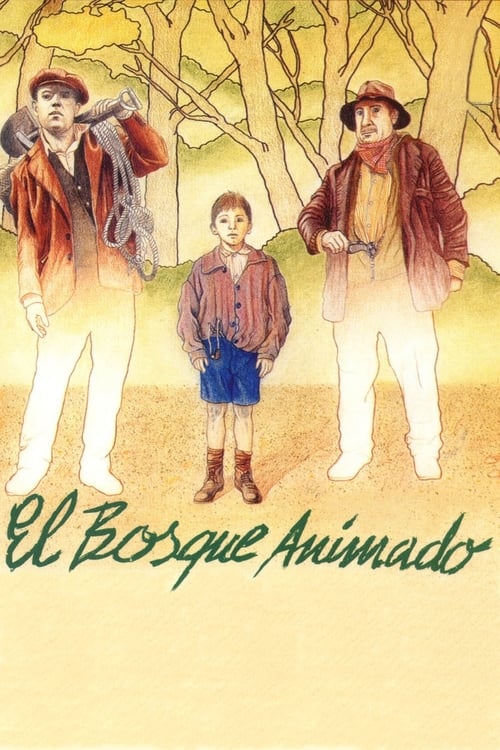
In Galicia, in northern Spain, Malvís, a frustrated day laborer who, fed up with his life, has become a clumsy bandit, tries to make a name for himself by robbing travelers passing through a forest inhabited by colorful characters.
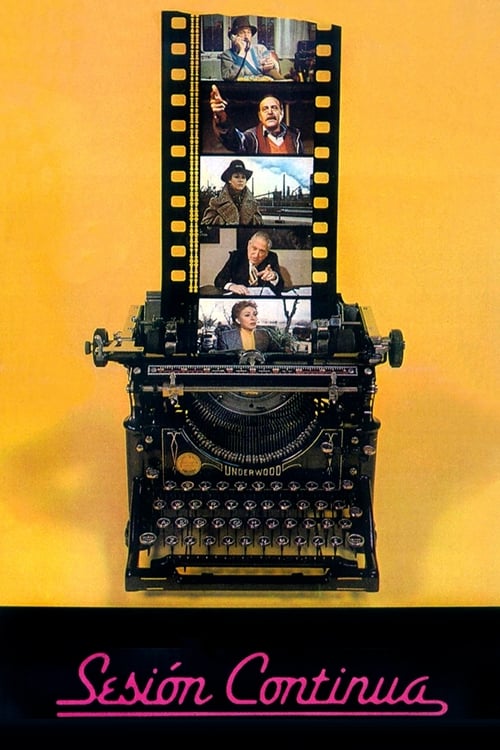
Director José Luis Garci has turned his camera inward on filmmakers and screenwriters to portray them as so self-absorbed in the creative process that there is no other world, no other human relationship that can compete. As José (Adolfo Marsillach) and Federico (Jesus Puente) work together on a new screenplay, their interactions with their family (José's teen daughters, Federico's wife) disappear under the all-consuming task of creation. The daughters give up and go off on their own, and the wife joins a convent while Federico barely notices. And when the producer is interrupted by profound grief at the sudden death of his older son, he almost automatically returns to thinking about the film project when the funeral has ended. Garci honors many great directors at the beginning of this film, and the film continues to play out as an elaboration on this homage -- an illustration both of the dedication and the cost of filmmaking, no judgments given.
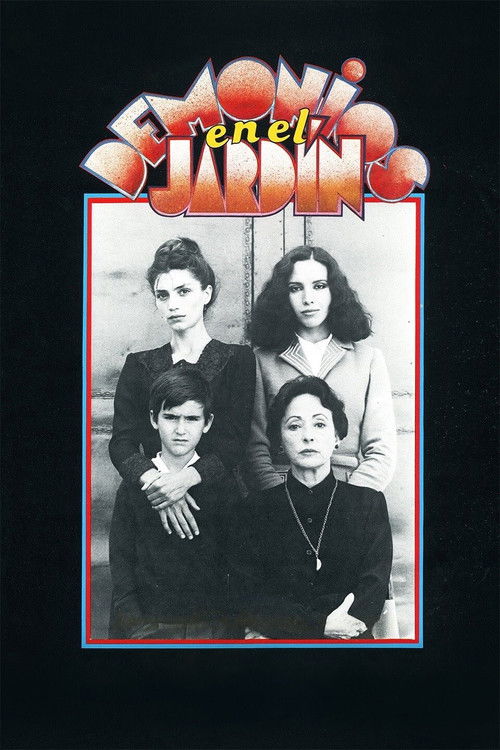
Juan is the handsome, irresponsible, best-loved second son. When his older brother, who runs the family's black-market business with their steel-willed mother, marries Juan's lover Ana, Juan heads for Madrid to work for Franco. Juan also leaves behind his impoverished cousin, Ángela, pregnant with his son. Jump ten years. Juanito, the lad, has rheumatic fever. The doctor says to pamper the boy. Ángela, Ana, and his grandmother comply. As Juanito recovers, his father returns in desperate need of cash; Juanito witnesses a theft blamed on his innocent mother. Things come to a head at a saint's-name party for father and son. Jealousies, betrayals, and a bullet converge.
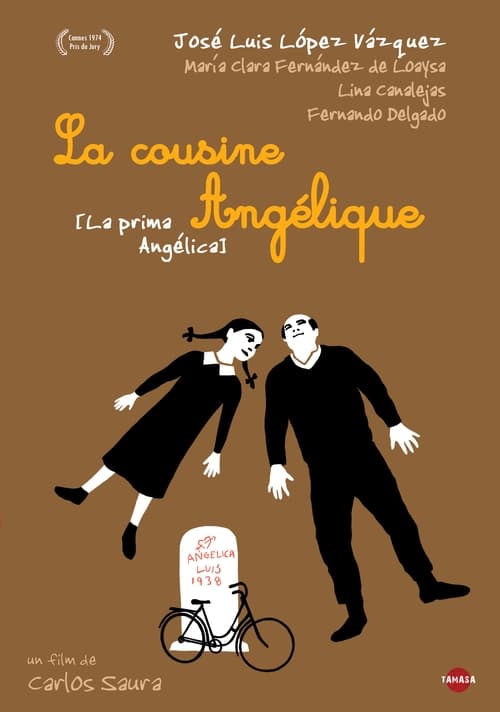
When the single middle-aged Luis travels from Barcelona to bury the remains of his mother in the vault of his family in Segovia, he is lodged by his aunt Pilar in her old house where he spent his summer of 1936 with her. He meets his cousin Angelica, who was his first love, living on the first floor with her husband and daughter, and he recalls his childhood in times of the Spanish Civil War entwined with the present.
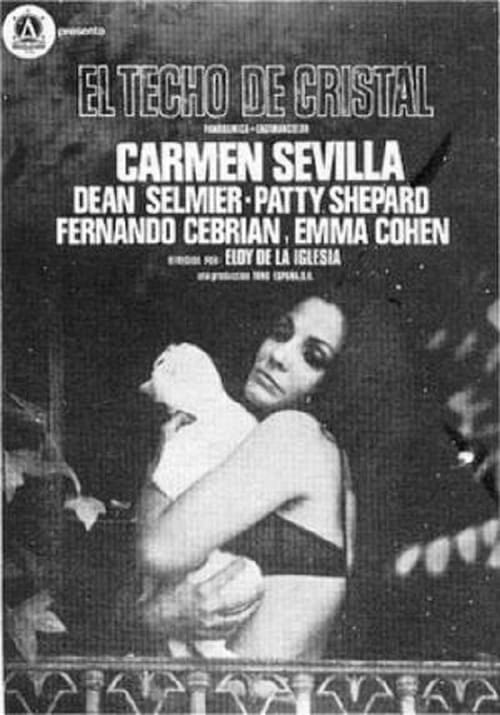
A lonely housewife hears a man’s footsteps in the apartment above her late at night. The upstairs neighbor insists it is her husband who has returned from business but her explanations are soon contradicted. The woman begins to think her neighbor has murdered her husband.
A Nobel prize winner returns to his natal city looking for his home.
Alfredo Di Stéfano plays himself, not as a soccer player but as a man, husband and father. This is a personal portrait of the mythical athlete, in the decline of his career. Film made to the greater glory of the football player Alfredo Di Stefano. In principle it is a portrait of manners of the life of the athlete at the time of professional retirement. Filmed by Luis Marquina, " The Battle of Sunday " mixes the form of a conventional film with the topics of biographical documentaries. However, the film was an important public success, given the importance of Di Stefano in Spanish football.
Evelino Galindo, the serious owner of a porcelain store, argues with the womanizer jeweler Orcajo for an insignificant game of dominoes. Evelino, enraged, challenges him the next day to a duel in the gym. But after meditating a bit he starts to get scared. That is why, with the help of his friend Leoncio, he sharpens his wit to find a way to escape from combat. However, the situation is becoming more complicated.