Directing
Brava Gente was a television series aired by TV Globo in Brazil between 2000 and 2003, initially as a special year-end. The program was adapted from stories and national stories, and plays by famous playwrights, screenwriters and signed by a number represented by several actors and actresses. The genres of the stories varied each week with the style of each director or author. Brava Gente in the stories ranged from comedies and dramas. In all 53 episodes were shown, broadcast on Tuesday nights.
Twenty years after City of God, Buscapé recounts how conflicts between police, traffickers, and militias impacted the community.
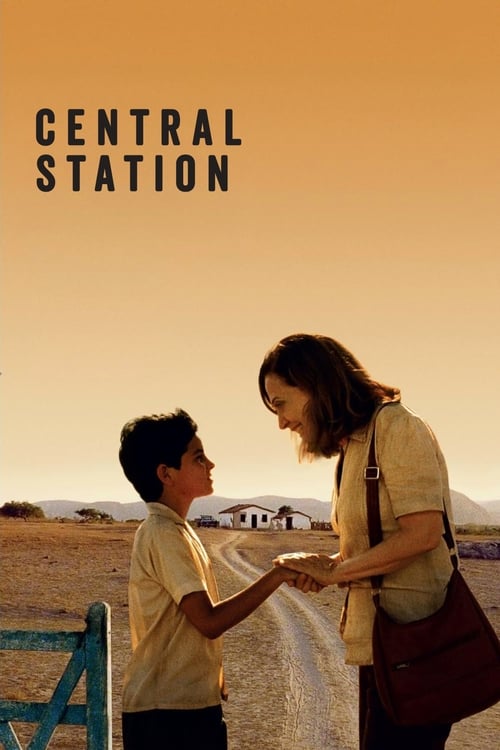
An emotional journey of a former school teacher, who writes letters for illiterate people, and a young boy, whose mother has just died, as they search for the father he never knew.
A pair of mice attempt to board Noah's Ark: Vini, a charismatic poet with terrible stage fright, and Tito, a talented and charming guitarist. When the rains come, only one male and one female of each species is allowed on Noah's Ark. With the help of an ingenious cockroach and fate's good luck, Vini and Tito sneak their way onto the Ark and together avert a showdown among the ships carnivores and plant eaters. All the while, the animals perform a series of classic songs inspired by world renowned poet, Vinicius de Moraes. Can these talented stowaways use music to break the tension and help these cooped up creatures survive the 40 days and 40 nights together?
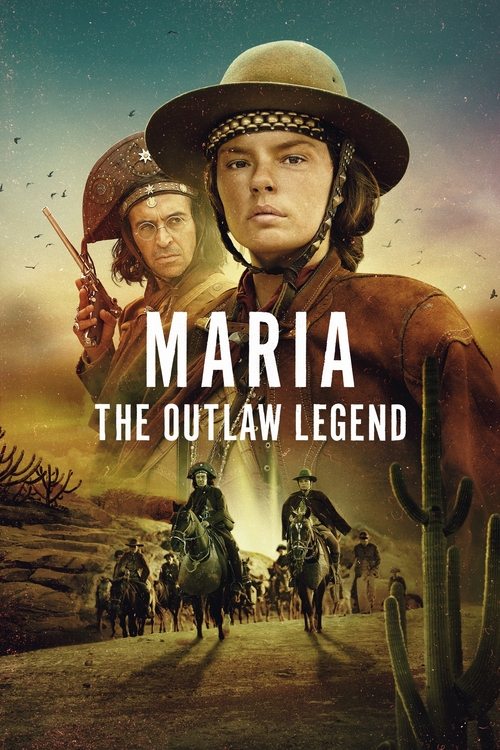
Maria de Déa, Lampião's companion and first woman in the Cangaço, is a fearless young woman who dares to have a voice in a group of outlaws. In a life of escapes and armed disputes, Maria faces a pregnancy and is subdued to the harshest law of the Cangaço: handing over her baby to be raised by someone else. She begins to live between life in the group and the hopeless desire to raise her daughter.
Alice is a 26-year old woman, who moves to São Paulo after her father's unexpected death. In this intense and eclectic city, she starts to live life to the fullest, discover pleasures, chalk up successes and fearlessly face her failures.
No description available.
After eight years of a political exile imposed by the Brazilian military dictatorship, sociologist Herbert de Souza returns to his homeland. Alongside democracy activists, he faces the arrival of AIDS and puts the devastating impact of hunger under the spotlight. Overcoming his fragile health and personal tragedy, he creates the largest social awareness campaign in Brazilian history.
In the mid 90s, Luís Cláudio Freitas is forecast as the great promise of the Brazilian boxing. His younger brother, Acelino "Popó" Freitas is new in the career so nobody takes him seriously.
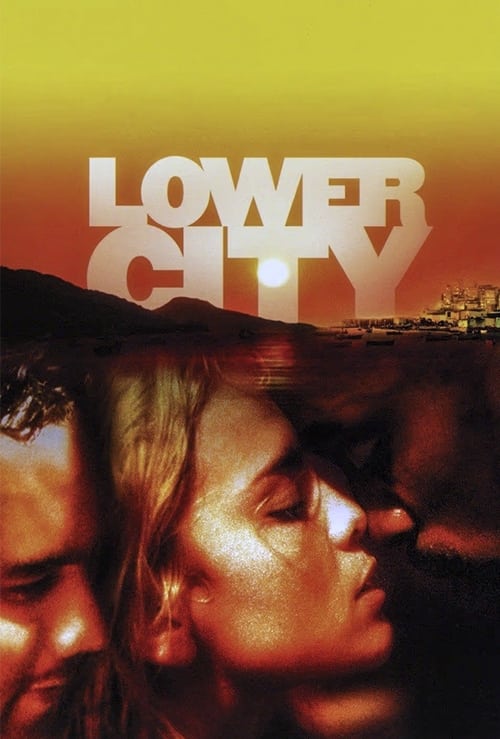
Best friends Deco and Naldinho co-own a cargo boat in Brazil's Salvador da Bahia. They give a ride to a sultry prostitute named Karinna, and soon both men fall prey to her considerable sexual charms, pushing the bounds of their friendship to the limit.
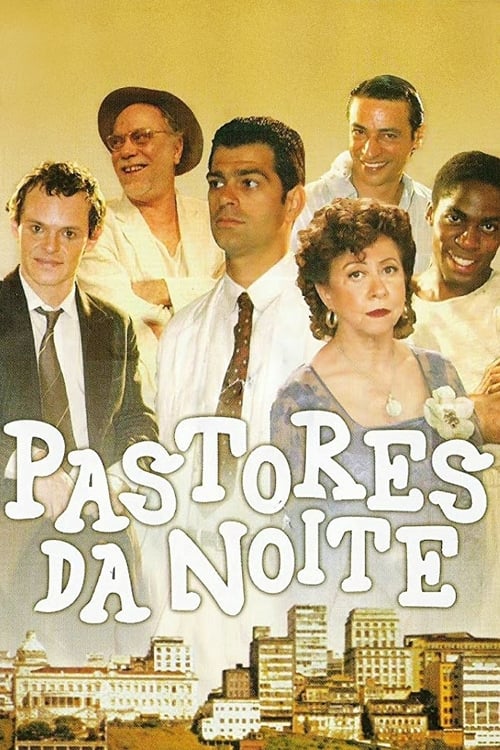
The Night Shepherds universe is inhabited by prostitutes, priests, rogues, saint's parents and street vendors. For a very Brazilian people who fight every day for survival and only rely on the solidarity spirit and friendship of each other. The seductive Cabo Martim, the romantic Curió, the noble Massu, the artful Foot of Wind and the Jesuit master live their adventures in four independent episodes, which are completed in their poetry and the strength of each story.
Three brothers find themselves sharing a home with the alluring new wife of the middle sibling. As they become infatuated with the same woman, a complex and enthralling tale ensues in this tropical paradise.
After failing to be admitted into the OSESP Orchestra, a talented violinist is forced to give music classes to teenagers in a public school. He soon finds his world transformed by the power of music and friendships formed with his pupils.
The documentary recounts the trajectory of the boxers Reginaldo "Holyfield" and Luciano "Todo Duro", who found in boxing a way to escape misery and became two of the greatest idols in the sport. The rivalry between them mobilized the states of Bahia and Pernambuco in the 1990s. For more than 20 years they both hated each other so much that they could not share the same space without attacking each other. They faced each other 6 times, with 3 wins for each side. During the filming, the enemies, already over 50, decided to face each other for the last time.
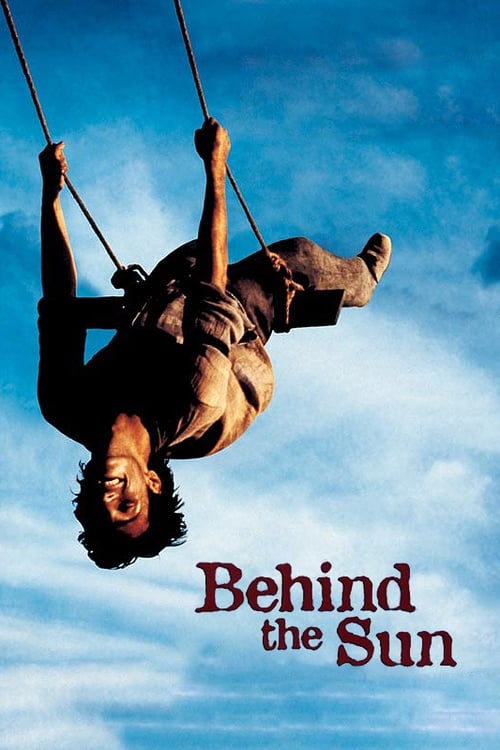
Brazilian badlands, April 1910. Tonho is ordered by his father to avenge the death of his older brother. The young man knows that if he commits this crime, his life will be divided in two: the twenty years he has already lived and the few days he has left to live, before the other family avenges their son's death. He is torn between fulfilling his ancestral duty and rebelling against it, urged by his younger brother Pacu. That's when a tiny travelling circus passes through the vast badlands where Tonho's family lives.
In the favelas of Rio de Janeiro of the 1930s, João Francisco dos Santos is several things — son of slaves, ex-convict, thug, homosexual and adopted father for a number of pariahs. João expresses himself on the stage of a cabaret as Madame Satã.
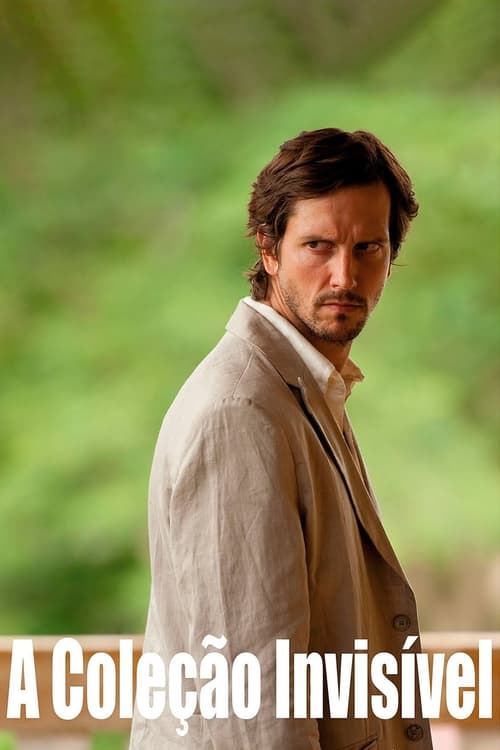
The young Beto ventures to the Brazilian countryside in search of a collection of rare drawings. There he meets Samir, the collector, and his family ruined by the demise of the cocoa plantations. The journey and the encounter will irrevocably change the young man’s soul.
The friendship between Jorge Amado, Dorival Caymmi, and Carybé, artists who were largely responsible for creating an image of the culture of Bahia that persists to this day, and who believed that the strength of their work lay in documenting what they saw on the streets.