Alejandro Saderman
Directing
Biography
Alejandro Saderman (Buenos Aires, June 23, 1937) is an Argentine filmmaker and documentary filmmaker living in Caracas (Venezuela).

Known For

A fugitive bursts into the home of two Catholic nuns. In an attempt to save his life, they hide him from the marauding military patrols, despite the danger they face if they are caught.
Knocks at My Door

In the wake of a banking crisis, four middle class friends throw a 'white glove' hold up, only to find out that their bank has already gone bankrupt.
Little Thieves, Big Thieves

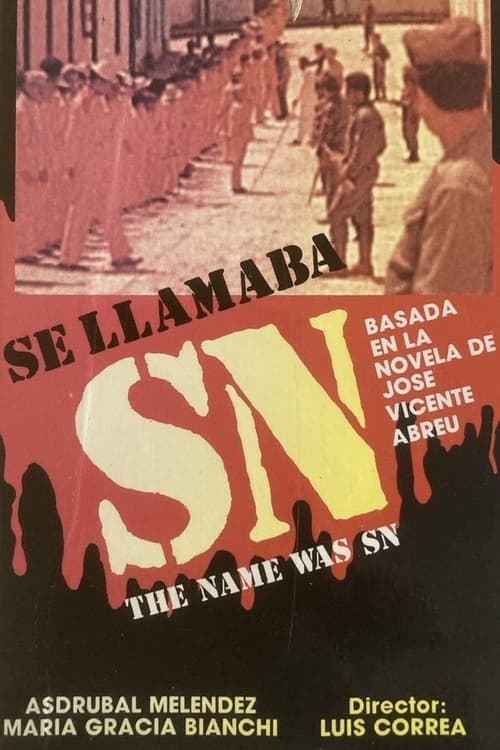
As José Abreu “Guanipa” is transferred with a group of prisoners to the Guasina camp in the Orinoco Delta, he recalls the torture he was subjected to by SN (National Security) henchmen in order to obtain information about the resistance. In Guasina, the prisoners are subjected to forced labor while they plan their escape. Guanipa is released after signing the bond and the rest of his companions remain in the camp.
Se llamaba SN

A meditation on the representation of history. Five centenarian veterans of the Battle of Mal Tiempo, fought during Cuba's war for independence from Spain, are assembled to share their memories and instruct actors and technicians in recreating their experience on film.
Hombres de Mal Tiempo

No description available.
El último bandoneón

A documentary about the photographer Anatole Saderman, made by his son.
Anatole, decálogo de un retrato

Have you ever wondered how contemporary dance dancer should be prepared to meet the demands of this discipline? Know the intense work of the members of the contemporary dance group DANZAHOY, through the testimonies of their dancers at a time when Venezuela was a cultural reference
Invitación a la danza
"Gold of Cuba" is a documentary by Argentine filmmaker Alejandro Saderman that shows the development of Cuba through the promotion of its main industry: sugar. From the discovery of America to the figure of Reinaldo Castro, National Hero of Labor as a sugarcane cutter, the film discusses the introduction of mechanical harvesters, including the African slave labor that would later be replaced, with the abolition of slavery, by Chinese sugarcane cutters.