Editing
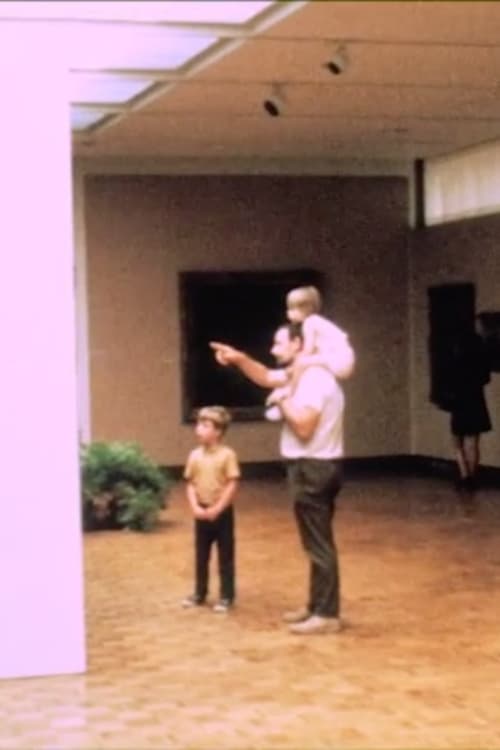
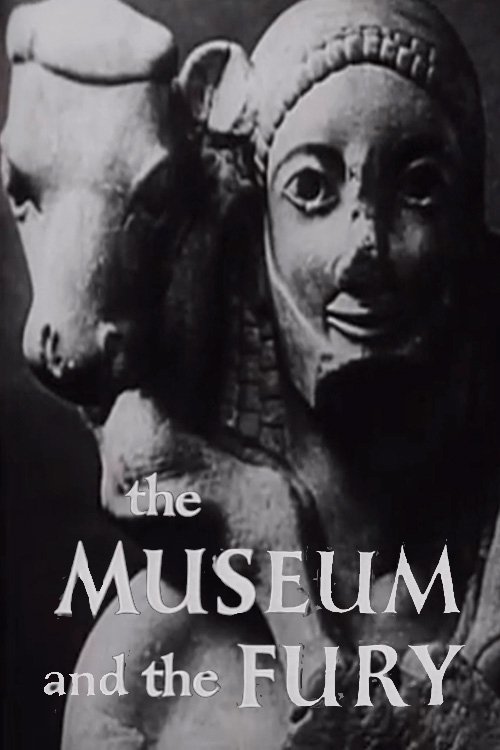
How the art in the Detroit Institute of Art connects to life's experiences and the neighborhood.
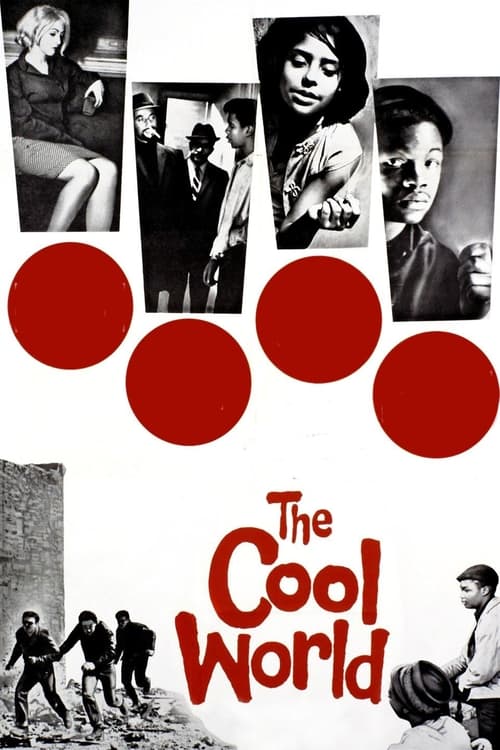
A fifteen-year-old boy wants to buy a gun from an adult racketeer named Priest, in order to become president of the gang to which he belongs, and to return them to active "bopping" (gang fighting) which has declined in Harlem.
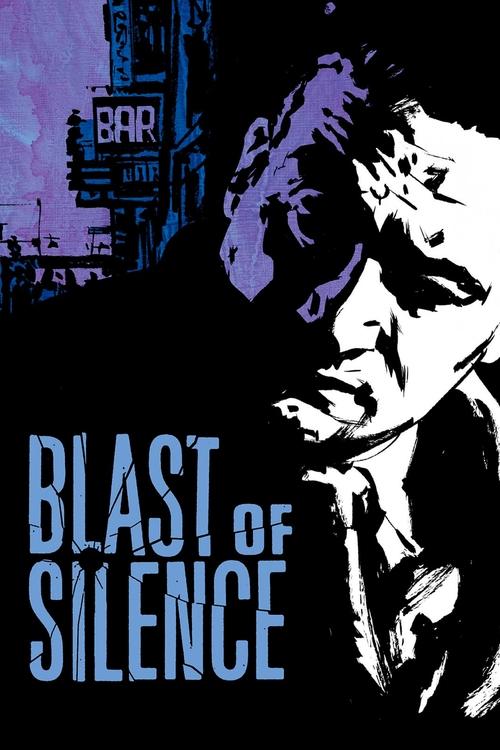
A hired killer from Cleveland has a job to do on a second-string mob boss in New York. But a special girl from his past and a fat gun dealer with pet rats get in his way.
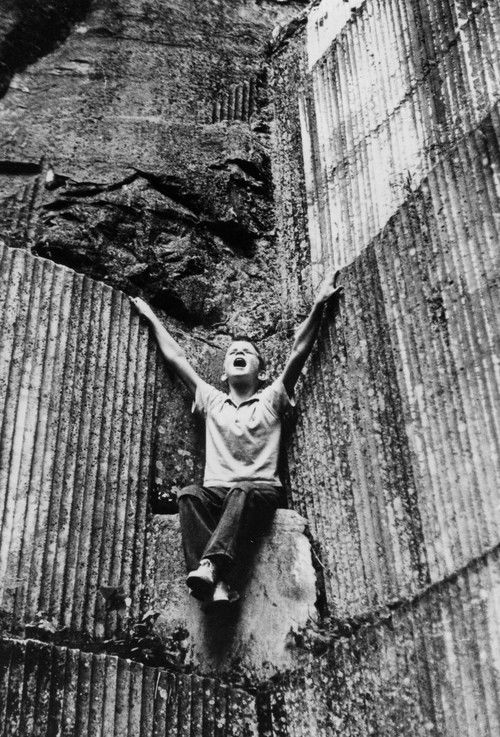
In 1964, National Educational Television decided to make a program as a memorial to President Kennedy. Since he had been assassinated just a year before, it seemed unnecessary to recite the events of his death again. Executive Producer, Brice Howard, discussed with Hurwitz the possibility of making a film for television that, instead of engaging the assassination head on, would deal with the inevitablity of mortality and its trauma. Essay On Death uses a story of a camping trip by a father and son to weave the thoughts about death that intercede in our everyday affairs. The commentary is made up of writings, ancient and modern, on the life and death. Beautifully realized, it succeeds at a task that mainstream television rarely attempts.
This documentary has interviews with actors and the director as they arrive for the 1968 New York world premiere of "Finian's Rainbow."
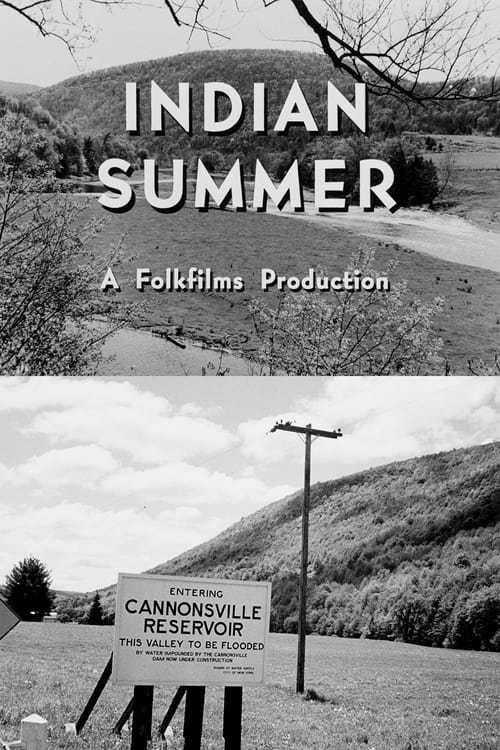
On the first hot day of summer, an old farmer goes fishing just as he has done for many years on the West Branch of the Delaware River. A young boy, his frequent fishing companion, eagerly takes him to see the first giant bulldozers, which are to begin construction on the Cannonsville Reservoir. In order to provide more water for the cities, the vast project will flood the valley. The old man goes to the general store and walks the length of the valley to talk about his concerns, but most people do not support him. The young people of the valley celebrate at a barn dance. The old man resists eviction with his unloaded flintlock. The next day, he watches as the houses and farms are burned to clear the way. His friend, the fiddler, picks him up and takes him and his few belongings away.
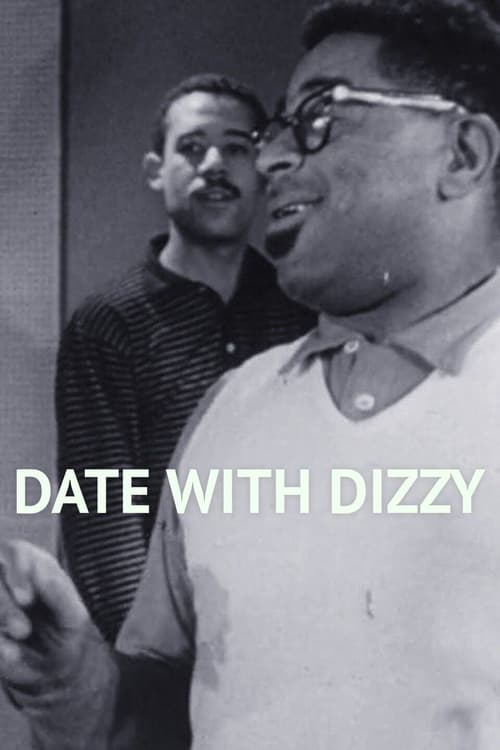
A Hubley stand-in instructs iconic trumpeter Dizzy Gillespie on scoring a short commercial for an instant rope ladder.
A documentary about the film-maker's wife and co-worker, Peggy Lawson, who died in 1971.
A look at the daily business of U.S. President John F. Kennedy, with a focus on some of the political issues he faces six weeks into his term. Preserved by the Academy Film Archive in 2007.
This documentary features footage from the "Prayer Pilgrimage for Freedom," a civil rights demonstration at the Lincoln Memorial on May 17, 1957. It also includes interviews with attendees, and scenes from the Montgomery bus boycott, Harlem, New York, and segregated areas in the South.
From the perspective of the Auschwitz-Birkenau State Museum, documentary material, amongst this the freeing of the camp and the Nuremberg Trials with clips from films which were produced shortly after the war, and pictures of museum visitors are assembled into an essay about memory.
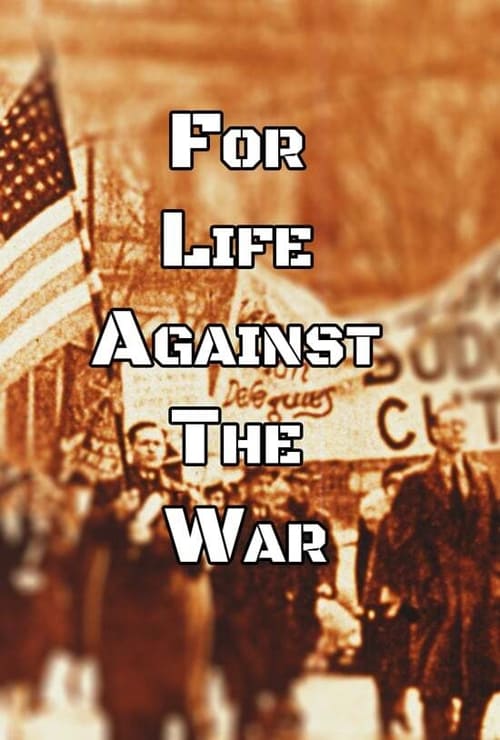
First shown on January 30, 1967, FOR LIFE AGAINST THE WAR was an open-call, collective statement from American independent filmmakers disparate in style and sensibility but united by their opposition to the Vietnam War. Part of the protest festival Week of the Angry Arts, the epic compilation film incorporated minute-long segments which were sent from many corners of the country, spliced together and projected. The original presentation of the works was more of an open forum with no curation or selection, and in 2000 Anthology Film Archives preserved a print featuring around 40 films from over 60 submissions.
No description available.
A young boy from Chinatown befriends an elderly Central Park carriage driver in this children's drama. Their relationship takes a sad turn when the driver's horse dies, and the young boy bands together with his friends to try and cheer up the deeply depressed old man.
Following his use of art, painting and sculpture, in his work of the previous decades, Hurwitz took on a project for the American Foundation of the Arts aimed on deepening and enriching, for art students, the way in which we see. Working with his second wife, the editor Peggy Lawson, he made four short films comprising The Art of Seeing Series. The films, made without words, are beautiful poems to the pleasure of sight. This is the second part of his series.