FEEL IT.STREAM
Jerzy Stefan Stawiński

Jerzy Stefan Stawiński

Writing

Biography

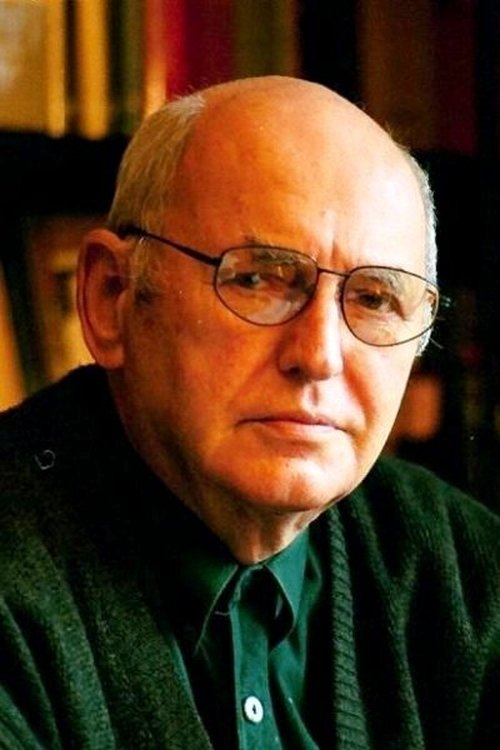
Jerzy Stefan Stawiński was a Polish screenwriter and film director. Beginning in 1957 he had written or co-written 29 films. He wrote a segment of the film Love at Twenty, which was entered into the 12th Berlin International Film Festival. He grew up in the Żoliborz district of Warsaw.
Known For

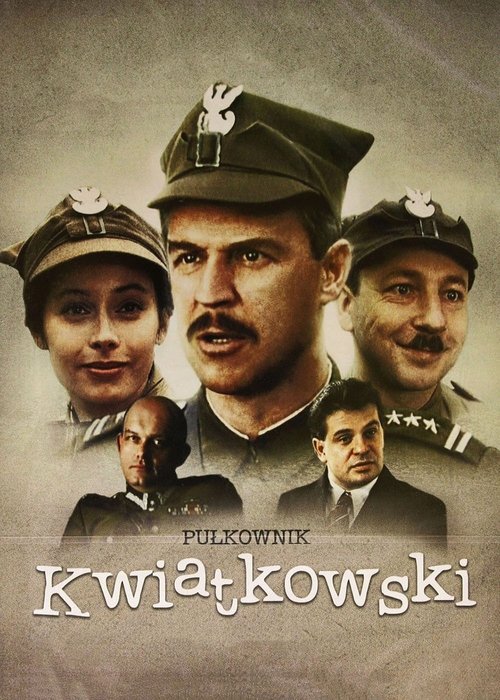
Colonel Kwiatkowski
6.7

Military doctor Kwiatkowski, serving in a barracks hospital on the Western Territories, is rewarded with a week’s leave after successfully operating on Colonel Kiziora of the UB. He and his friend steal a truck bound for Warsaw, where among the ruins of his former home he meets his prewar neighbor Krysia, instantly falls in love, and, after a brawl with a Russian officer at a dance in the surviving “Polonia” hotel, pretends to be a high-ranking UB colonel to save face.

Colonel Kwiatkowski

1996
Theatre Macabre
3.0

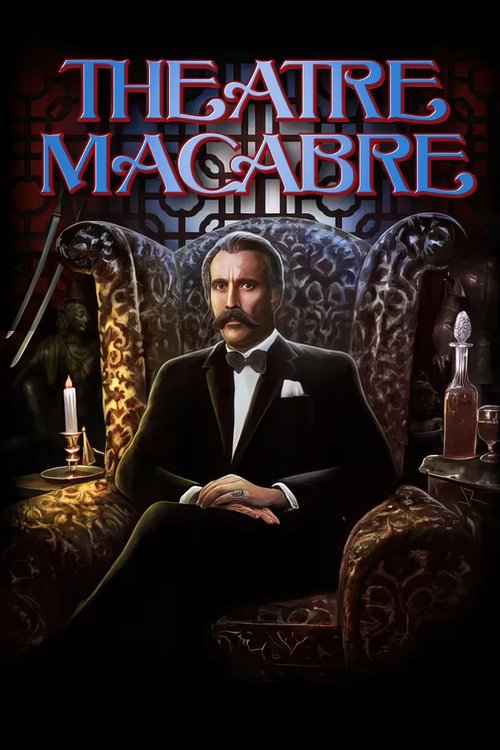
Christopher Lee hosts this horror anthology series from Poland with stories from various classic authors.

Theatre Macabre

1971
Kanal
7.7

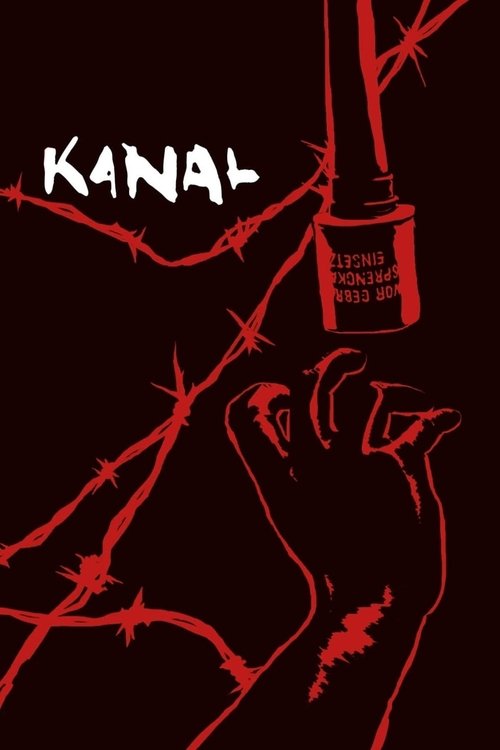
In the last few days of the Warsaw Uprising during World War II, a modest group of Resistance members remains. The band must take refuge in the sewers under the orders of leader Zadra, but it's only a matter of time before they will have to emerge. However, when they try, they are met only with intense hostility from the Nazis. Despite their attempts stay resolute through immense mental strain, it becomes increasingly apparent that they may be doomed.

Kanal

1957
Rush Hour
6.3

A terminal diagnosis forces a career-obsessed advertising executive to rethink his priorities, relationships and outlook on life.

Rush Hour

2006
Love at Twenty
6.8

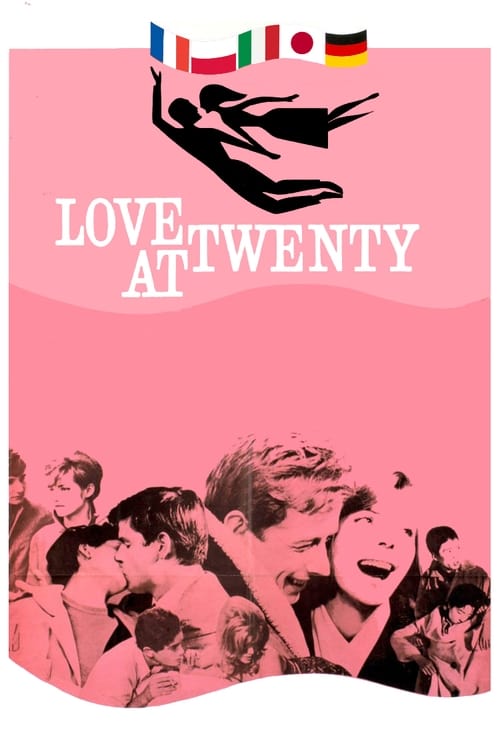
Love at Twenty unites five directors from five different countries to present their different perspectives on what love really is at the age of 20. The episodes are united with the score of Georges Delerue and still photos of Henri Cartier-Bresson.

Love at Twenty

1962
Rush Hour
5.5

The life of engineer Maksymowicz changes dramatically when he accidentally learns that he is terminally ill.

Rush Hour

1974
Man on the Tracks
6.9

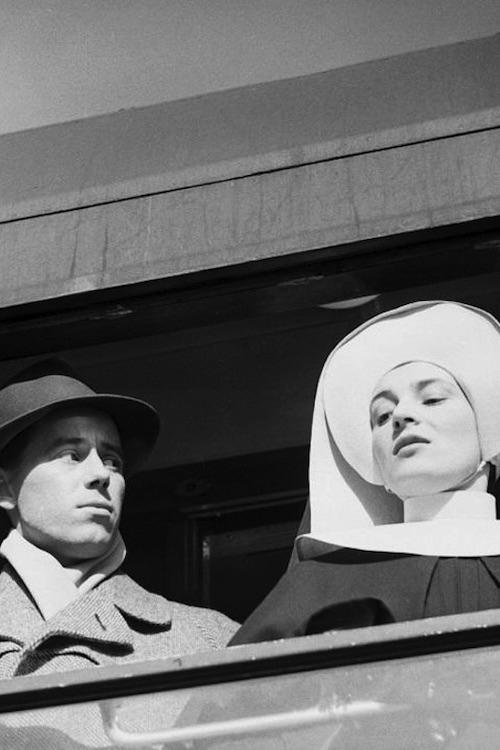
One night in 1950 a passenger train runs over a man, who turns out to be the veteran train engineer Władysław Orzechowski, knows for his old ways and stern demeanor. As the inquiry panel tries to deduce why would a man like Orzechowski jump in front of a moving train several of the people involved in the case are interrogated, each telling their own version of the story. Can the panel arrive at the truth in a world where workers unite, inferior coal is a badge of honor, and the old order is suspect?

Man on the Tracks

1957
Knights of the Teutonic Order
7.2

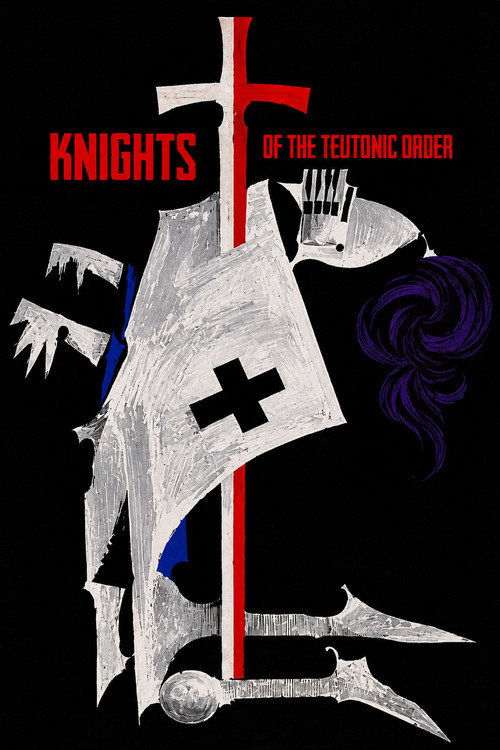
A tale of a young impoverished nobleman, who with his uncle returns from a war against the order of the Teutonic Knights in Lithuania. He falls in love with a beautiful woman and pledges an oath to bring her "three trophies" from the Teutonic Knights.

Knights of the Teutonic Order

1960
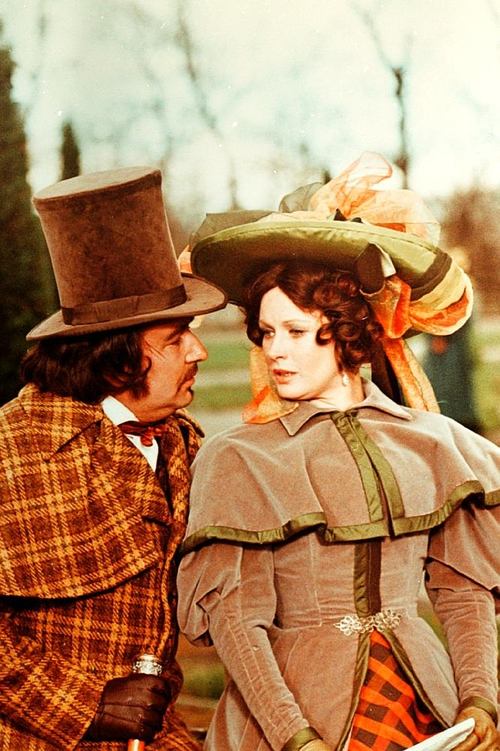
Wielka miłość Balzaka
7.7

No description available.

Wielka miłość Balzaka

1973
Bad Luck
6.8

To convince the prison warden against releasing him, a middle-aged Polish man recounts his life, one he considers to have been characterized by exceptionally bad luck.

Bad Luck

1960
5 dni z życia emeryta
N/A

An adaptation of Jerzy Stefan Stawiński’s novel "13 Days in the Life of a Retiree: The Diary of Adam Bzowski", depicting the exemplary life of a Polish intellectual (born well before the war) and his ancestors.

5 dni z życia emeryta

1985
We'll Go to the City
7.3

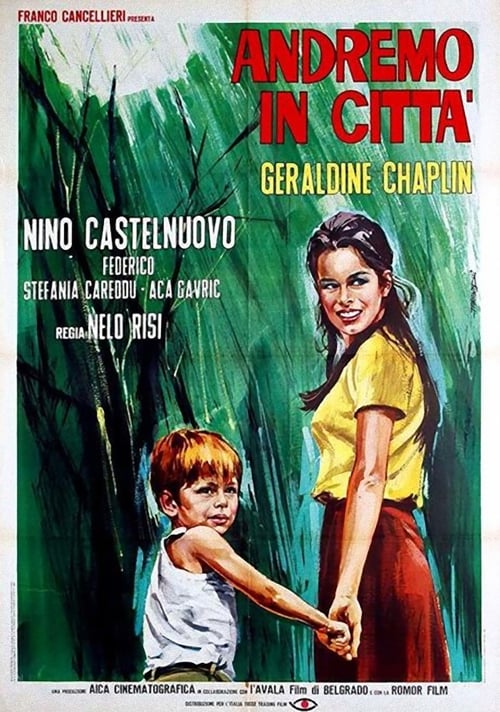
"Andremo in città" (We'll Go to the City) is a 1966 Italian drama film directed by Nelo Risi. It is based on the novel of the same name by Edith Bruck, Risi's wife. Bruck, a Hungarian concentration camp-survivor, settled in Italy after the Second World War and wrote about her experiences in autobiographical and fictional formats.[1] The film stars Geraldine Chaplin and Nino Castelnuovo.

We'll Go to the City

1966
The Birthday
8.5

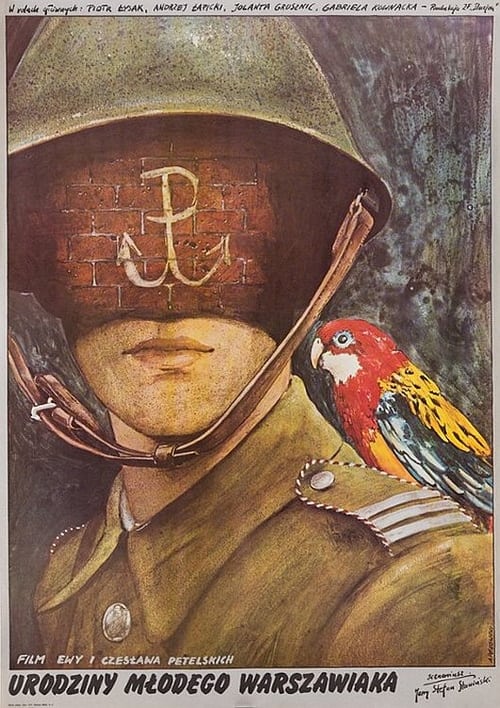
The four sequences in the film cover four days in a life of young Warsaw lad in September 1938, 1939, 1943 and 1944. In the first sequence Jurek decides not to study in the Sorbonne but enlists in a Polish military school instead. In the second sequence the war starts and Warsaw is occupied. In the third sequence he works in the underground resistance. The final sequence takes place during the Warsaw uprising.

The Birthday

1980
Citizen Piszczyk
5.9

This film is a sequel to Munk's Zezowate Szczescie and it's much the same, only more so. The film begins in a cinema, where the last scenes of Zezowate Szczescie are being shown. Born unlucky, a victim of the errors and distortions of Stalinism, he is released in 1956. He meets a politically feverish woman, her influential parents, and finally becomes the father of her child. But bad luck, or perhaps an unlucky era, will not let him forget.

Citizen Piszczyk

1989
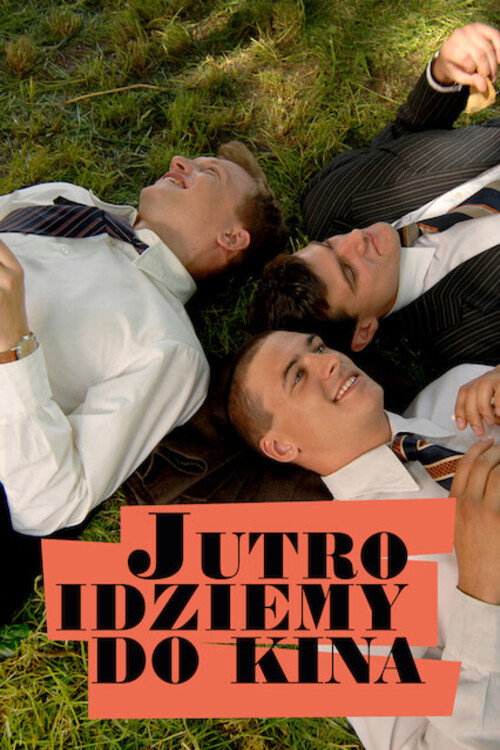
Tomorrow, We're Going to the Movies
7.1

Three high school graduates prepare to start the next chapter of their lives, but the outbreak of World War II may derail their dreams forever.

Tomorrow, We're Going to the Movies

2007
The Attempt
7.0

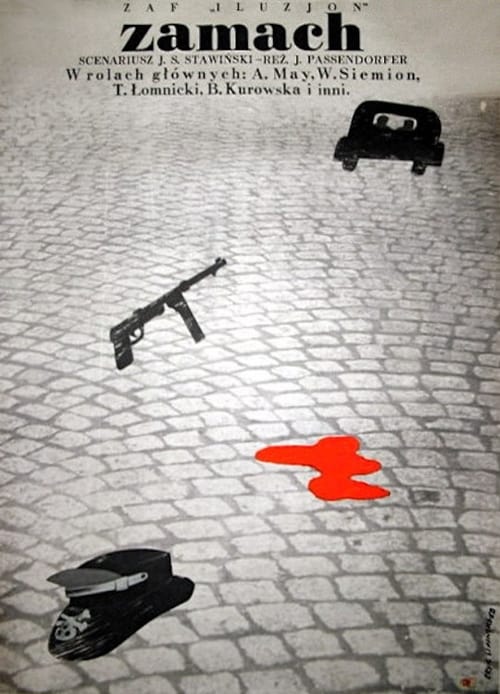
Set in the occupied Warsaw, the film tells the story of the mission carried out by the student underground resistance group to execute the hated SS General Franz Kutchera.

The Attempt

1959
Operation Arsenal
6.8

In Nazi-occupied Warsaw, teenage scouts Alek, Rudy, and Zośka risk their lives pulling down a swastika and hoisting the Polish flag atop the German “Zachęta” cultural center and then blowing up a mobile propaganda cinema.

Operation Arsenal

1977
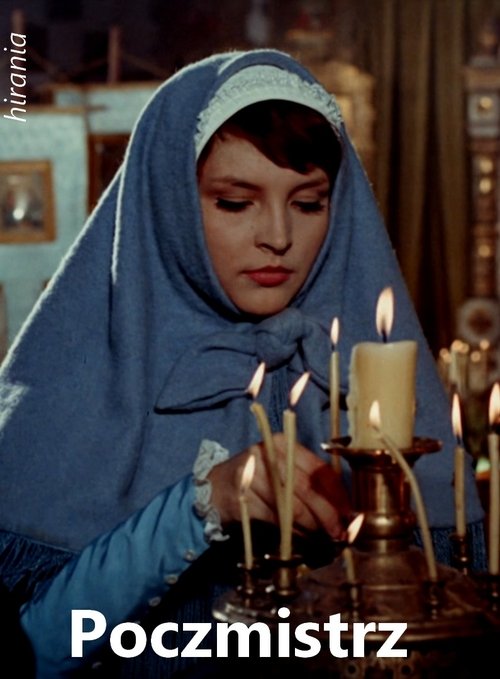
Poczmistrz
7.3

Post clerk's young daughter runs away from home with a tsarist officer.

Poczmistrz

1968
No image
6.0

On August 1, 1944, Warsaw holds its breath as Home Army couriers spread word that “W-hour” is at 17:00. A platoon under “Czarny” must assault German barracks without the expected backup—an order they follow at the risk of collective suicide.

Godzina W

1979
Penguin
6.3

A shy Warsaw university student is in love with a girl who pays no attention to him. Change comes after her intimate love letters are read publicly at a party.

Penguin

1965