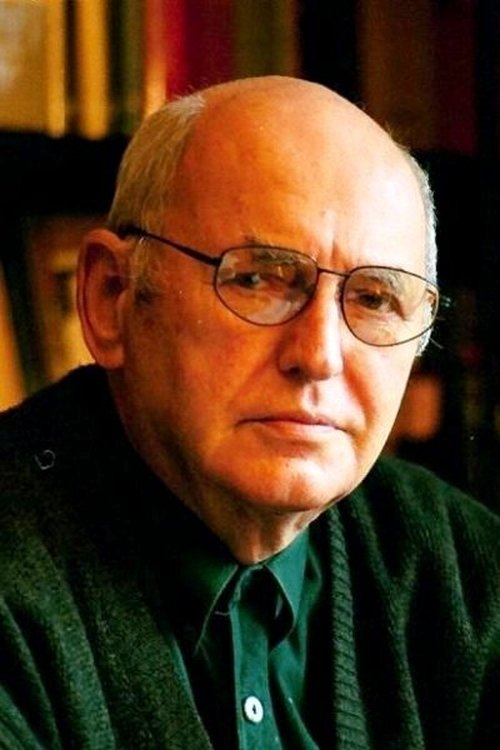
Jerzy Stefan Stawiński
Writing
Biography
Jerzy Stefan Stawiński was a Polish screenwriter and film director. Beginning in 1957 he had written or co-written 29 films. He wrote a segment of the film Love at Twenty, which was entered into the 12th Berlin International Film Festival. He grew up in the Żoliborz district of Warsaw.
Known For

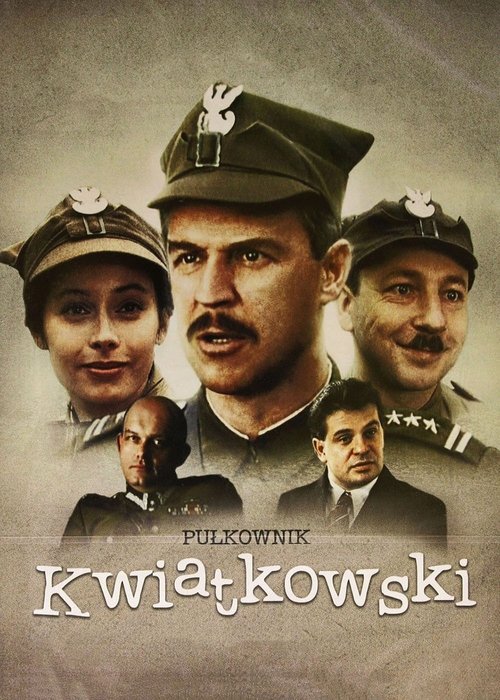
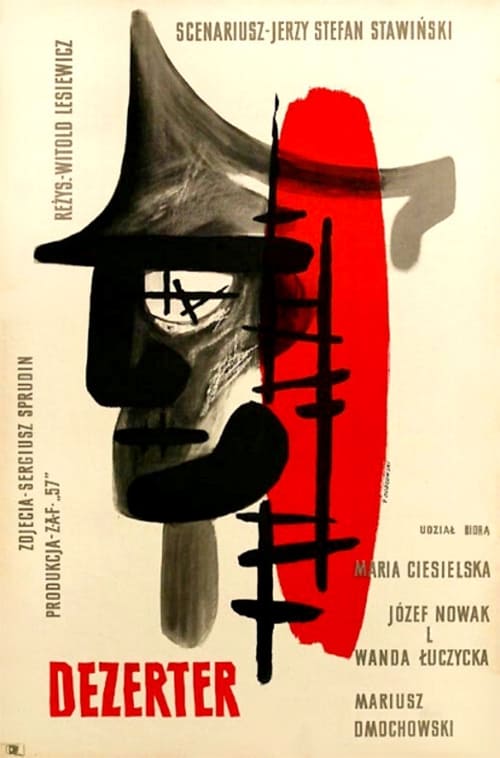
Military doctor Kwiatkowski, serving in a barracks hospital on the Western Territories, is rewarded with a week’s leave after successfully operating on Colonel Kiziora of the UB. He and his friend steal a truck bound for Warsaw, where among the ruins of his former home he meets his prewar neighbor Krysia, instantly falls in love, and, after a brawl with a Russian officer at a dance in the surviving “Polonia” hotel, pretends to be a high-ranking UB colonel to save face.
Colonel Kwiatkowski

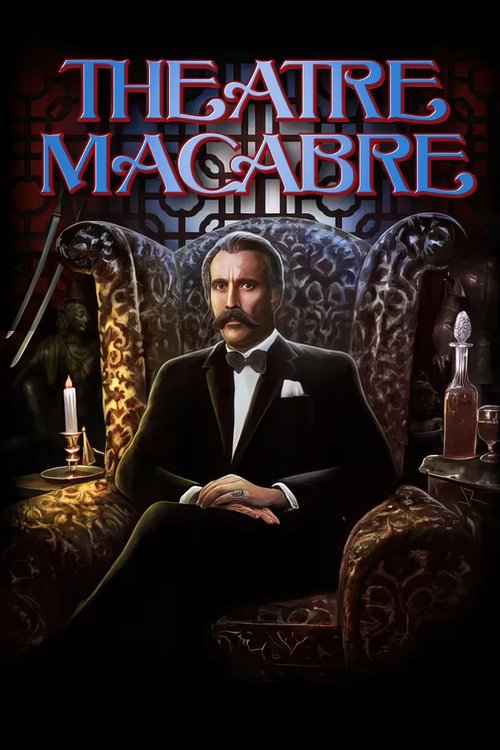
Christopher Lee hosts this horror anthology series from Poland with stories from various classic authors.
Theatre Macabre

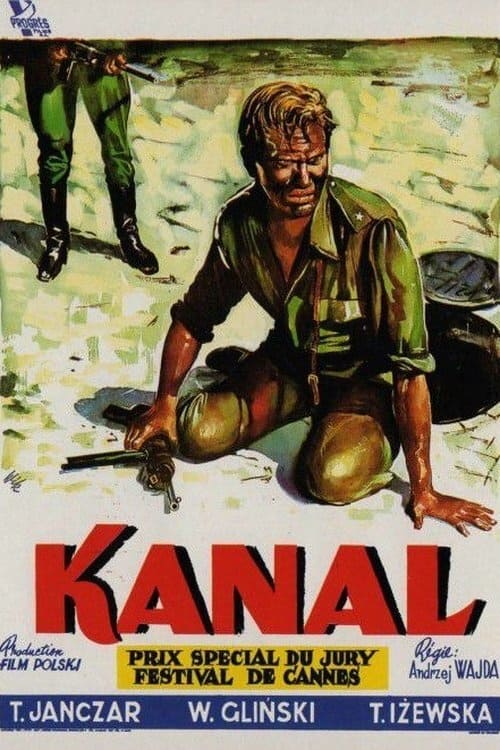
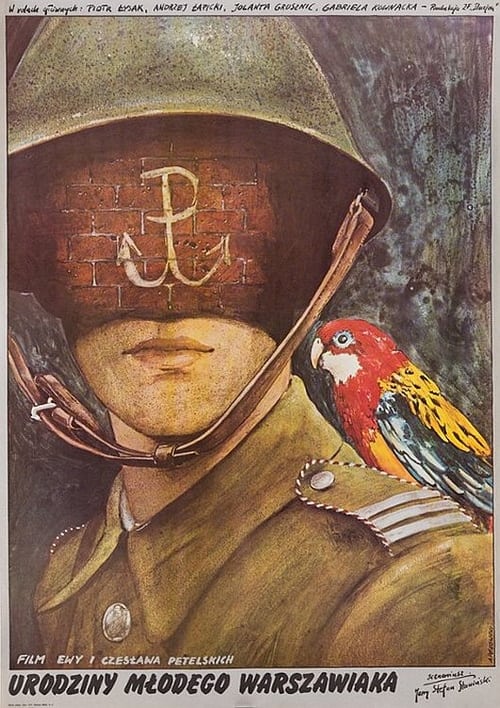
In the last few days of the Warsaw Uprising during World War II, a modest group of Resistance members remains. The band must take refuge in the sewers under the orders of leader Zadra, but it's only a matter of time before they will have to emerge. However, when they try, they are met only with intense hostility from the Nazis. Despite their attempts stay resolute through immense mental strain, it becomes increasingly apparent that they may be doomed.
Kanal

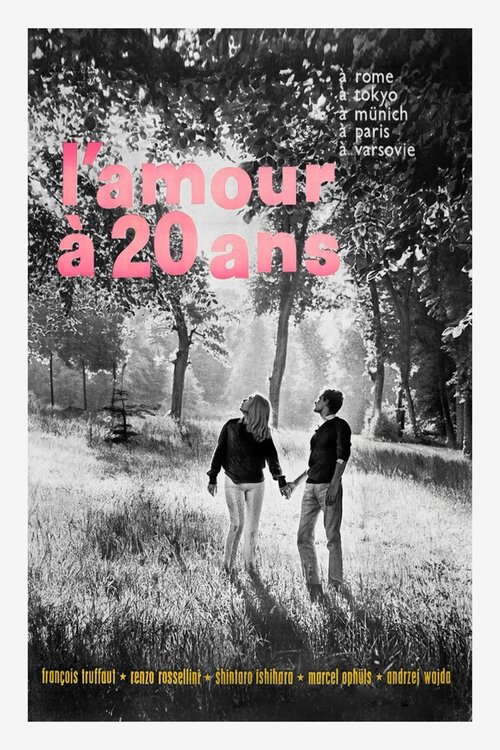
Love at Twenty unites five directors from five different countries to present their different perspectives on what love really is at the age of 20. The episodes are united with the score of Georges Delerue and still photos of Henri Cartier-Bresson.
Love at Twenty

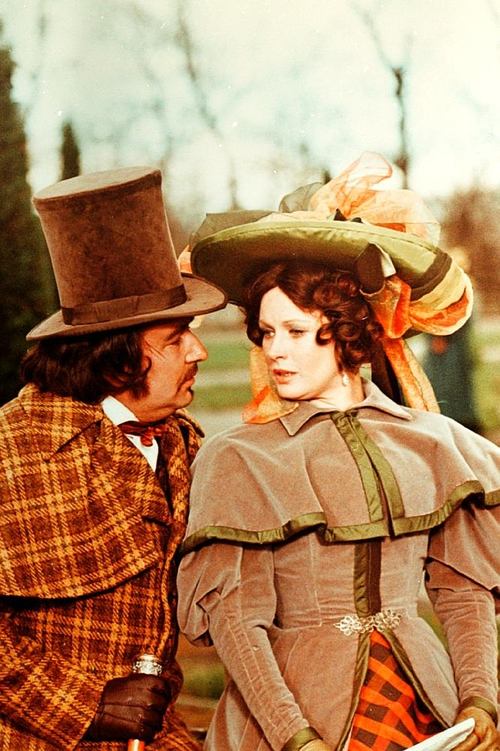
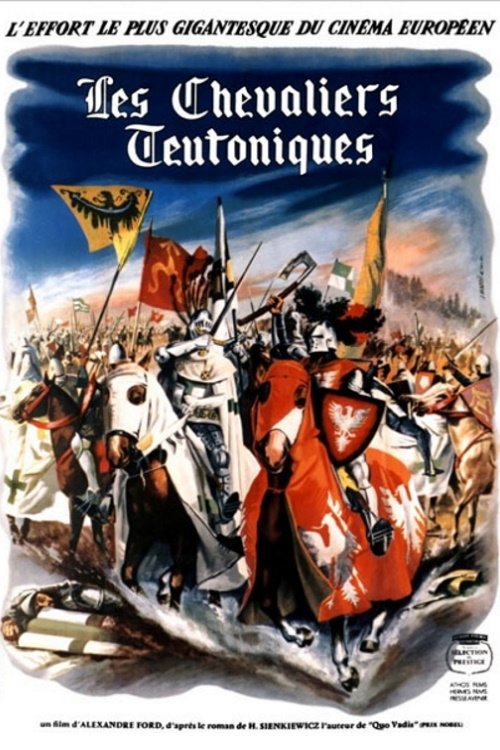
A tale of a young impoverished nobleman, who with his uncle returns from a war against the order of the Teutonic Knights in Lithuania. He falls in love with a beautiful woman and pledges an oath to bring her "three trophies" from the Teutonic Knights.
Knights of the Teutonic Order

A terminal diagnosis forces a career-obsessed advertising executive to rethink his priorities, relationships and outlook on life.
Rush Hour

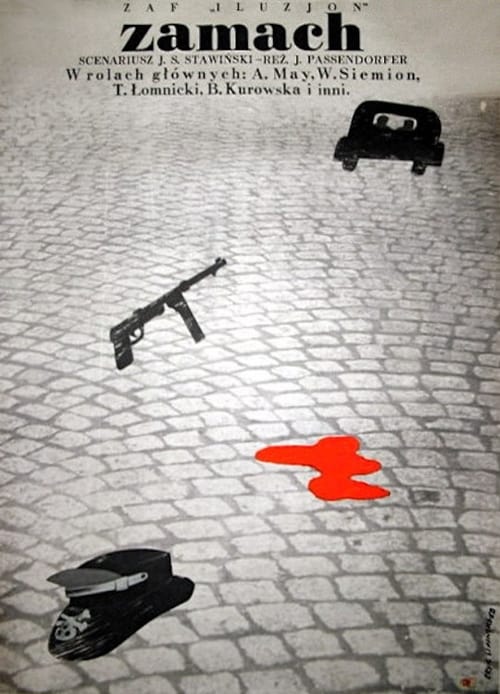
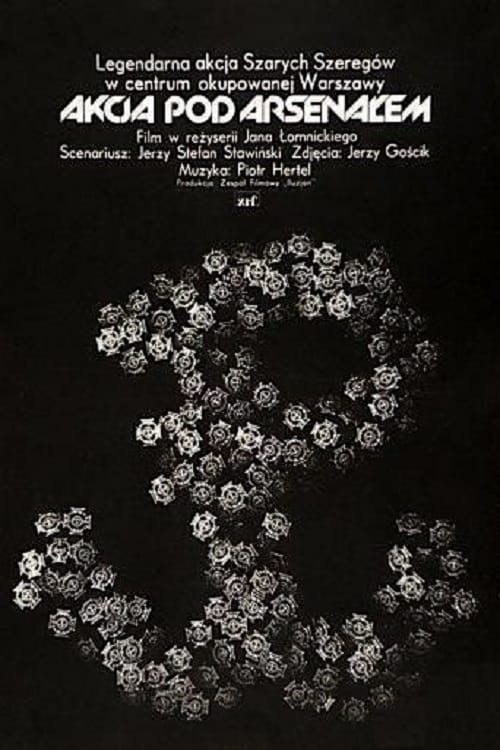
In Nazi-occupied Warsaw, teenage scouts Alek, Rudy, and Zośka risk their lives pulling down a swastika and hoisting the Polish flag atop the German “Zachęta” cultural center and then blowing up a mobile propaganda cinema.
Operation Arsenal

A timid bank clerk is pressured by gangsters, his girlfriend and his fellow employees to help steal the bank's supply of dollars.
Fortune

Tells two tales set during WWII: A seemingly feckless and selfish man finally takes up arms in the national struggle against the Nazis. Set in a POW camp, Polish inmates cling to their hopes for an eventual escape, encouraged by the legendary escape of one of their own.
Eroica

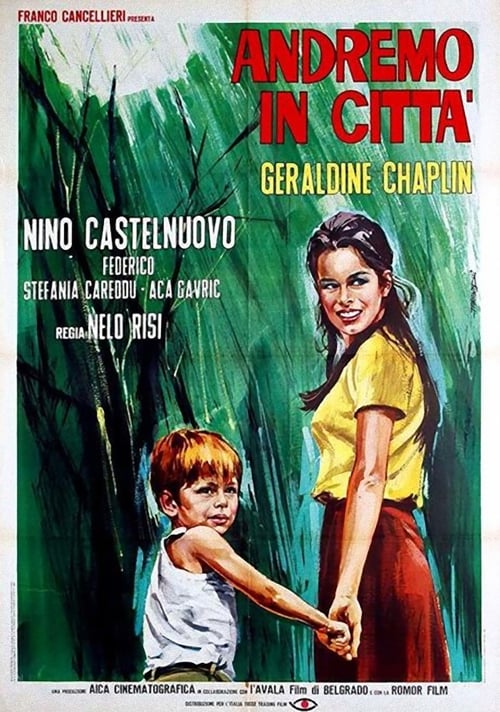
"Andremo in città" (We'll Go to the City) is a 1966 Italian drama film directed by Nelo Risi. It is based on the novel of the same name by Edith Bruck, Risi's wife. Bruck, a Hungarian concentration camp-survivor, settled in Italy after the Second World War and wrote about her experiences in autobiographical and fictional formats.[1] The film stars Geraldine Chaplin and Nino Castelnuovo.
We'll Go to the City
On August 1, 1944, Warsaw holds its breath as Home Army couriers spread word that “W-hour” is at 17:00. A platoon under “Czarny” must assault German barracks without the expected backup—an order they follow at the risk of collective suicide.
Godzina W

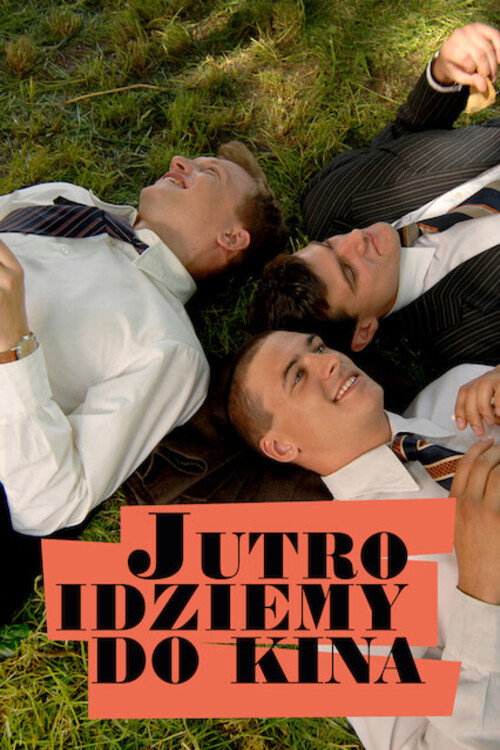
Three high school graduates prepare to start the next chapter of their lives, but the outbreak of World War II may derail their dreams forever.
Tomorrow, We're Going to the Movies

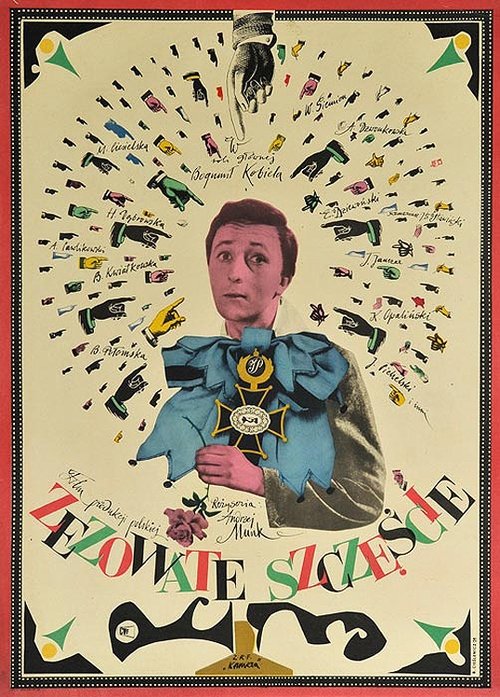
To convince the prison warden against releasing him, a middle-aged Polish man recounts his life, one he considers to have been characterized by exceptionally bad luck.
Bad Luck

Three short segments about love, all set in Warsaw’s Civil Registry Office at the corner of Nowy Świat and Aleje Jerozolimskie, against a vivid backdrop of early 1960s city life.
No More Divorces

A film director uses a South American premiere of his latest picture to reconnect with his old friends from the Warsaw Uprising, the protagonists of his movie.
Pogoń za Adamem

The life of engineer Maksymowicz changes dramatically when he accidentally learns that he is terminally ill.
Rush Hour

Further fate of Dzidzius Górkiewicz, the protagonist of Andrzej Munk's film "Eroica". After retiring, Górkiewicz moved to a small town near Warsaw. After years filled with doing numerous, not always clean businesses, he leads a quiet, honest life of a provincial. A group of local businessmen see him as an ideal candidate for the new mayor. Gorkiewicz himself is undecided about what to do. Then he dreams of a meeting of the municipal council, where he wants to present his program.
Straszny sen Dzidziusia Górkiewicza

Based on real events story of stealing methyl alcohol causing mass poisoning in town.
It Started Yesterday

This film is a sequel to Munk's Zezowate Szczescie and it's much the same, only more so. The film begins in a cinema, where the last scenes of Zezowate Szczescie are being shown. Born unlucky, a victim of the errors and distortions of Stalinism, he is released in 1956. He meets a politically feverish woman, her influential parents, and finally becomes the father of her child. But bad luck, or perhaps an unlucky era, will not let him forget.
Citizen Piszczyk

Chevalier de Charentes goes to Poland on a double mission.