Pierre Schaeffer
Sound
Biography
Pierre Henri Marie Schaeffer (14 August 1910 – 19 August 1995) was a French composer, writer, broadcaster, engineer, musicologist, acoustician and founder of Groupe de Recherche de Musique Concrète (GRMC). His innovative work in both the sciences—particularly communications and acoustics—and the various arts of music, literature and radio presentation after the end of World War II, as well as his anti-nuclear activism and cultural criticism garnered him widespread recognition in his lifetime. Amongst the vast range of works and projects he undertook, Schaeffer is most widely and currently recognized for his accomplishments in electronic and experimental music, at the core of which stands his role as the chief developer of a unique and early form of avant-garde music known as musique concrète. The genre emerged in Europe from the utilization of new music technology developed in the post-war era, following the advance of electroacoustic and acousmatic music. Schaeffer's writings (which include written and radio-narrated essays, biographies, short novels, a number of musical treatises and several plays) are often oriented towards his development of the genre, as well as the theoretics and philosophy of music in general. Today, Schaeffer is considered one of the most influential experimental, electroacoustic and subsequently electronic musicians, having been the first composer to utilize a number of contemporary recording and sampling techniques that are now used worldwide by nearly all record production companies. His collaborative endeavors are considered milestones in the histories of electronic and experimental music. Schaeffer was born in Nancy in 1910. His parents were both musicians (his father a violinist; his mother, a singer), and at first it seemed that Pierre would also take on music as a career. However his parents discouraged his musical pursuits from childhood and had him educated in engineering. He studied at several universities in this inclination, the first of which was Lycée Saint-Sigisbert located in his hometown of Nancy. Afterwards he moved westwards in 1929 to the École Polytechnique in Paris and finally completed his education in the capital at the École supérieure d'électricité, in 1934. Schaeffer received a diploma in radio broadcasting from the École Polytechnique. He may have also received a similar qualification from the École nationale supérieure des télécommunications, although it is not verifiable as to whether or not he ever actually attended this university. ... Source: Article "Pierre Schaeffer" from Wikipedia in english, licensed under CC-BY-SA 3.0.

Known For

No description available.
Discorama

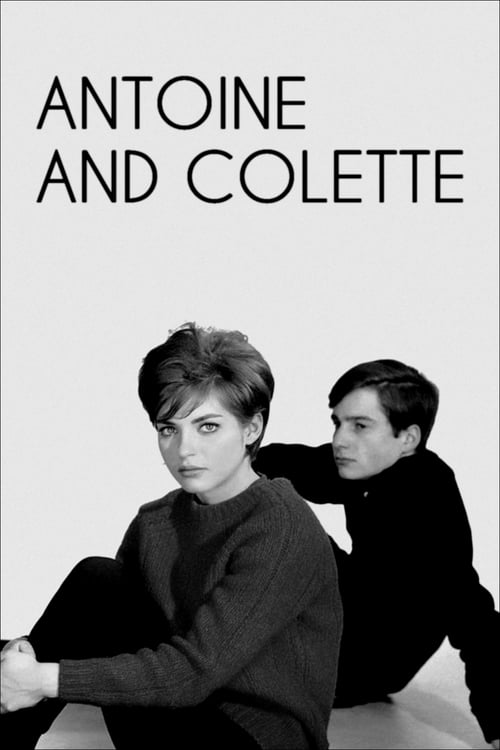
Now aged 17, Antoine Doinel works in a factory which makes records. At a music concert, he meets a girl his own age, Colette, and falls in love with her. Later, Antoine goes to extraordinary lengths to please his new girlfriend and her parents, but Colette still only regards him as a casual friend. First segment of “Love at Twenty” (1962).
Antoine and Colette

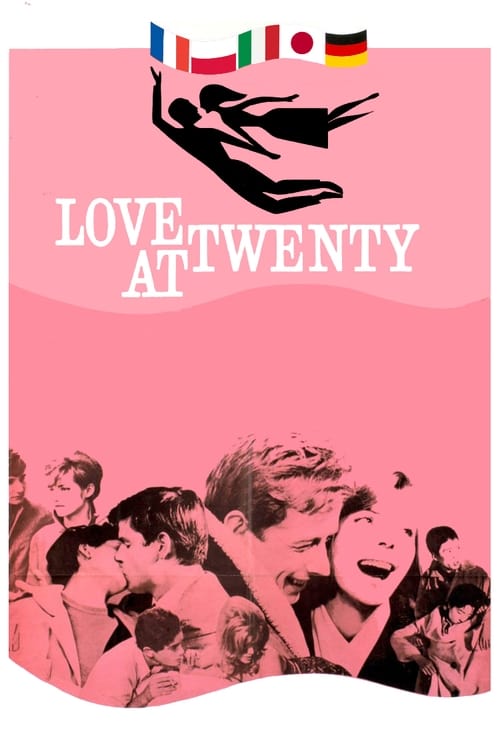
Love at Twenty unites five directors from five different countries to present their different perspectives on what love really is at the age of 20. The episodes are united with the score of Georges Delerue and still photos of Henri Cartier-Bresson.
Love at Twenty

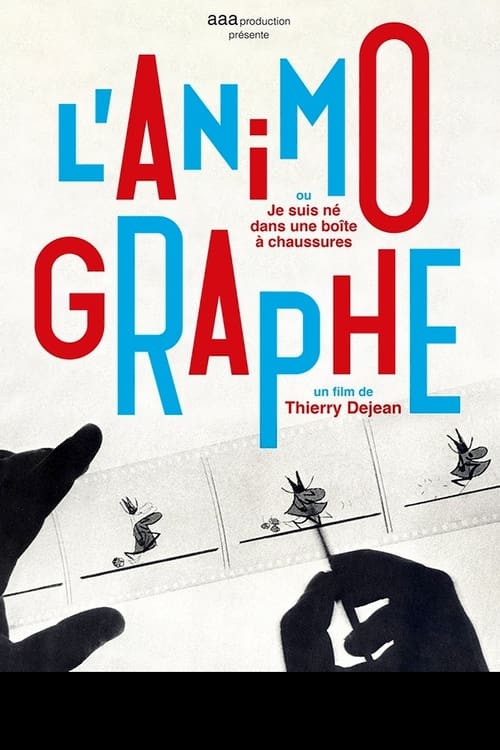
The amazing story of the animograph, a machine created in France in the sixties by the cartoonist and self-taught inventor Jean Dejoux (1922-2015), whose creation was intended to revolutionize the animation industry.
The Animograph, or I Was Born in a Shoebox

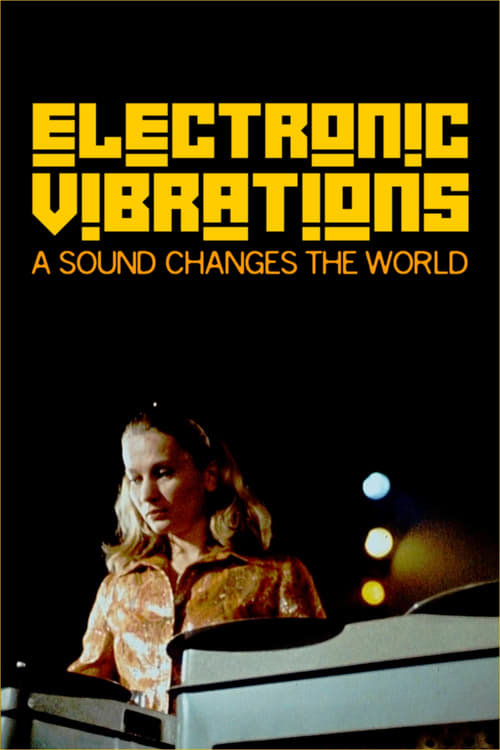
The amazing story of electronic music: its epic journey from its origins in Europe, at the hands of the great artists of the post-war classical avant-garde, to the great post-industrial cities of the USA, where this genre of genres took over music stores, shady clubs and, eventually, the big stages.
Electronic Vibrations: A Sound Changes the World

A portrait of the artist as a "sublime demon with the archangel's face", with an innovative musique concrète soundtrack.
Leonardo Da Vinci The Tragic Pursuit of Perfection

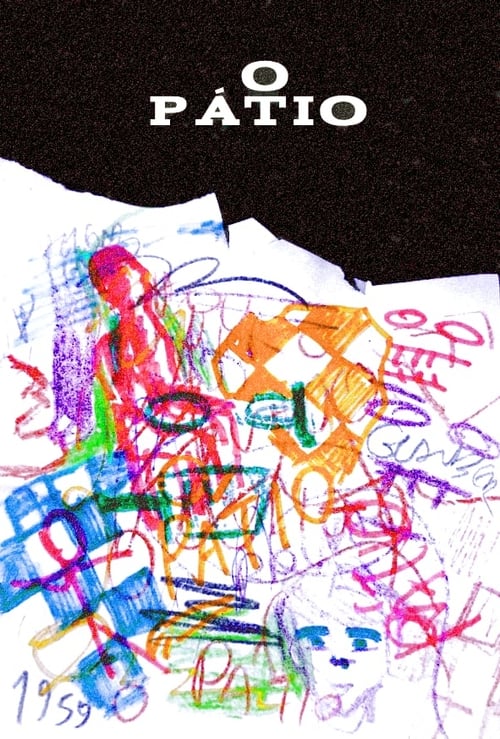
A man and a woman are laying on a chess-like patio. Both are trying to reach each other in the best way they can. However, for some odd reason they don't get on their feet, they don't talk to each other, and the only sounds heard are voices coming from a radio and strange sounds that seem to indicate something's about to happen.
O Pátio

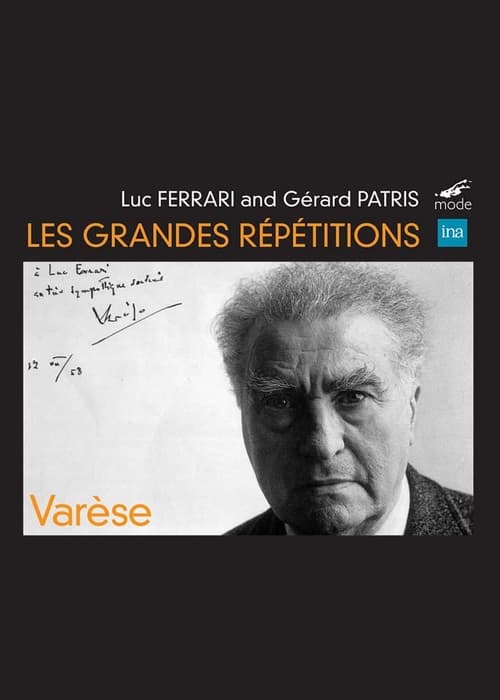
Edgard Varèse died on 6 November 1965, a few days before the filming of the rehearsal of his work "Déserts" which he had to attend.
The Great Rehearsals: Homage to Edgard Varèse
The "Symphony for a man alone" was composed from 1949 to 1950 by Pierre Schaeffer and Pierre Henry, and then finalised in 12 movements by Pierre Henry in 1951. This is the first major work of musique concrete. In 1955, Maurice Béjart has made the first ballet of musique concrète.
Symphony for One Man Alone
Based on two poems by Rafael Alberti, Garabatos (“Scribbles”) is a reflection on childhood, education and the demise of innocence. Music by Pierre Henry, Pierre Schaeffer and Edgard Varèse.
Garabatos

The images of this short film are linked to the concrete music by Michel Chion, and let the monologue of Saint Antoine (Pierre Schaeffer's voice) unfold and offer itself completely. The imagery, presented in parallel pictures, is intended to be earthy and close to nature, rediscovering, when necessary, the material which is offered in a metaphor surrounded by mists. At the sound of the gunshot, concrete in the music, occurs this break in the discourse, and the image, like this gunshot, finds the Asian connotation of death. And the dream raises the human form, then a face which offers itself before disappearing in the tumults of an imaginary sea. The earth seen from the sky then the sky itself take us very far (Robert Cahen)
La Voix

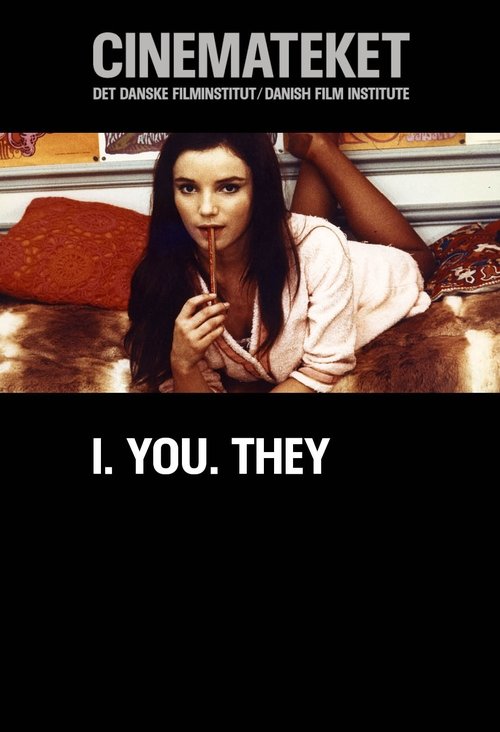
Little did this pretty brunette know when she applied for a babysitting job that her employer was an artist and that everything at his place differed from the outside world. What struck her the most was to find out that her boss had shrunk his wife and kept her in the fridge in order, as he said, to keep her safe from a hostile world!
I. You. They.

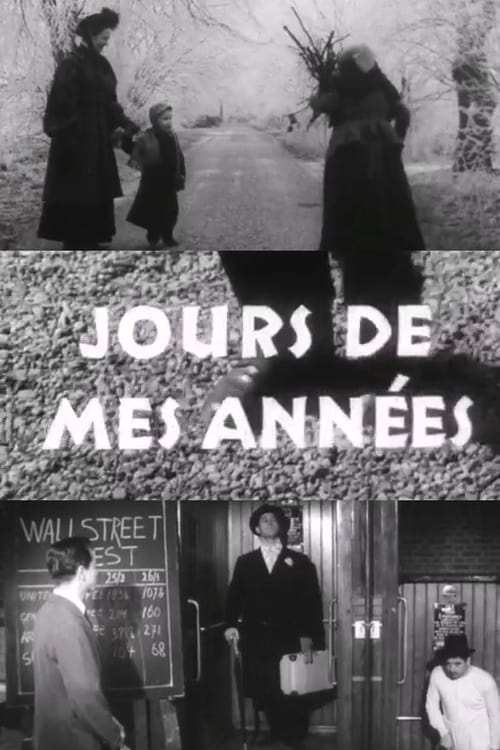
An experimental short film that evokes moments in the life of a man recreated through the magic of memory. Made from documents from various sources, this film is composed of several scenes: the stages of the day and of life between joy and carefree youth, the cruelty of the working world, the horror of war. The final result is put into perspective with the birth of a child, perpetuating the cycle of life.
Jours de mes années
Tones of experimental music lead us into the National Museum of Ethnology in Leiden. An extensive collection of exotic masks is hanging on the walls while the night watchman makes his rounds. But not for long: the masks are waiting for the moment when they can reveal their imposing selves to the viewer. A collection of masks from different parts of the world shows its true face: shocking, charming or sinister. Max de Haas brings the faces to life through his camera-eye. Impressive light-and-dark effects and a chaotic music track enable the masques to tell their own stories, even when nobody is wearing them.
Maskerage
No description available.
Le trièdre fertile
Pierre Schaeffer presents the Research Department of the RTF of which he is director. It calls for researchers from different backgrounds with an interest in science, art and social sciences.
Pierre Schaeffer lance un appel aux chercheurs

The film is an apology of movement, made here by a short editing pushed to the extreme.
Animated Objects

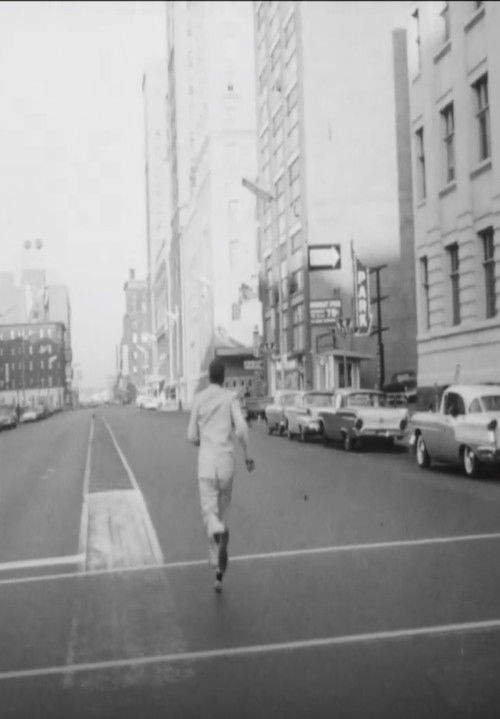
A man is relentlessly pursued by a sinister shadowy figure, whom he cannot elude. Cornered with nowhere left to flee, he faces his tormentor and is shocked to discover his identity. A nightmarish allegorical tale about the destructive tendencies in high-pressure modern society.
Run!

The pace is the oscillation that results from the maintenance of a sound, the internal rhythm of its sound structure, which makes it live and change from its emission until its extinction. In this study, the painter Raymond HAINS attempts a visual transposition of this acoustic law by filming his works through fluted lenses directly attached to the camera creating optical vibration effects that animate the shapes and colors and produce a colorful rhythm.