Directing
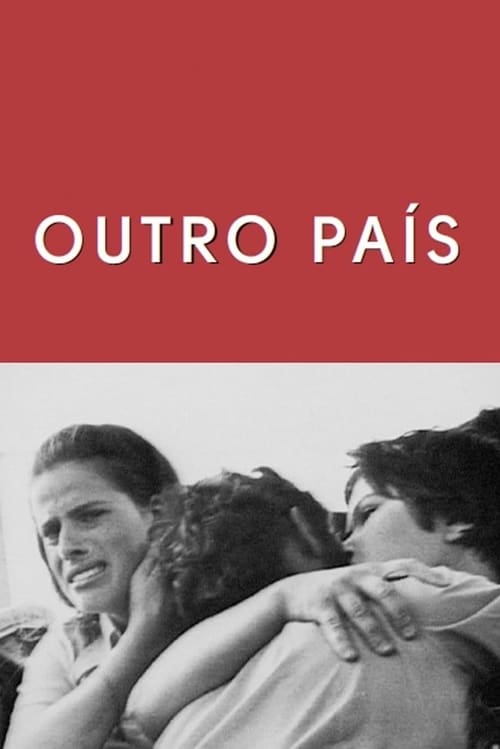
In 1975, Thomas Harlan's crew filmed Torre Bela's homestead occupation, in the center of Portugal. Three decades later, RED LINE revisits this emblematic film of the Portuguese revolutionary period: in which way did Harlan interfered in the events that seems to naturally develop in front of the camera? What was the impact of the film on the lives of the occupants and the memory of that period?
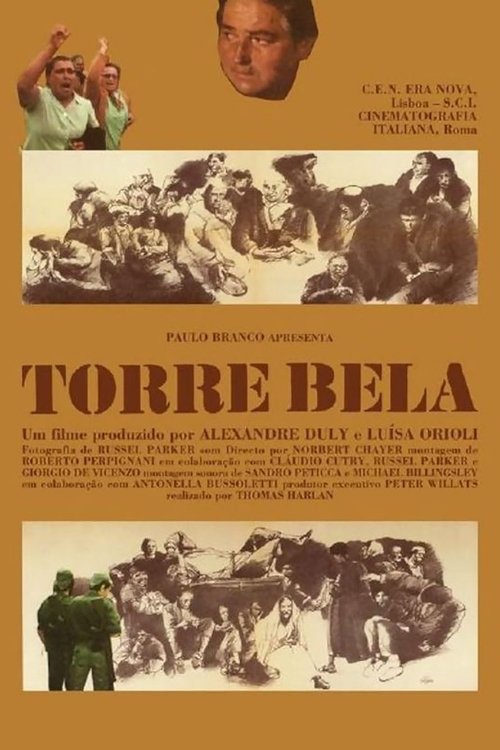
The rise and fall of a revolutionary cooperative movement established in a large private farm in Ribatejo, Portugal, from March to December 1975 (most part of the land occupations occurred in Alentejo, promoted by the communist party). In direct speech, sometimes to the camera, sometimes among themselves, the uneducated rural workers expose their misery, their suffering, their hopes, and ultimately their despair - when a socialist government orders the restitution of the land to their primitive owners, and these transform the land into a hunting reserve.
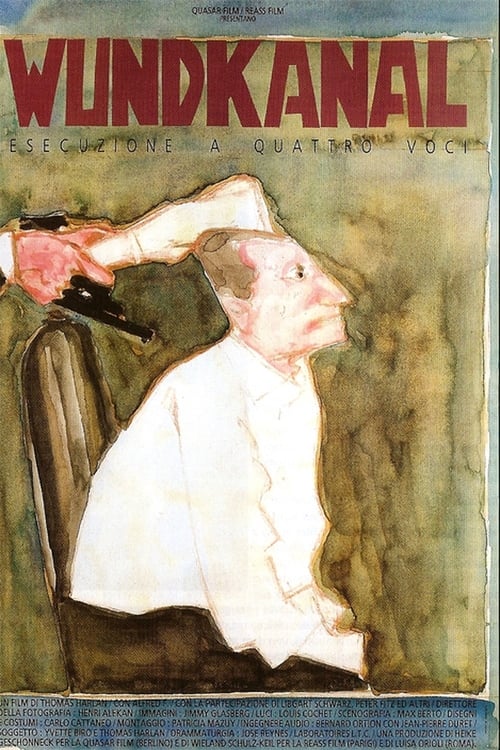
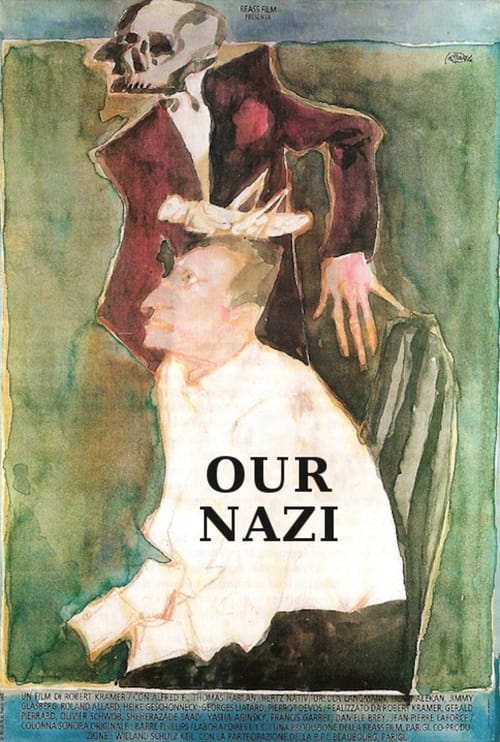
An old man is kidnapped. His interrogation uncovers the biography of a mass murderer: The 80 years old man was a SS leader and responsible for the killing of thousands of people in the Soviet Union. He also "invented" an evil technique of eliminating political prisoners: the manipulated suicide. Thomas Harlan reconstructs the history of a bureaucratic murderer, he also develops a direct connection between the Nationalsocialism and the treatment of prisoners of the RAF terrorists in the Stuttgart isolation prison. Robert Kramer filmed the shooting of Harlan's Wundkanal: Notre Nazi documents a social experiment in which the children of Nazis and of victims meet a real culprit. The reality seems to be stronger that the fiction in Harlan's film. (Edition Filmmuseum)
In Our Nazi, we are plunged into a situation we barely, and only slowly, understand: the filming of Thomas Harlan’s experimental feature Wundkanal (1984), in which true-life ex-SS officer Alfred Filbert, now very old, is ‘put on trial’ for the camera, without him suspecting what is to come or why he is really there. Kramer’s confronting film is an essay about the sticky complicity of everyone present at this event, each bringing their own history, their own political ideology, their own desires to take revenge, to seek redemption or compassion, or just to put their heads down and ‘get the job done’ professionally, or (in the case of Filbert) to be a star, a part of the magnificent, magical, seductive world of cinema, even if it kills him.
The Portuguese Revolution (1974-75) seen through the eyes of some of the most important photographers and filmmakers that witnessed the event. Their dreams and expectations and what came out of the revolution. With outstanding historical footage.
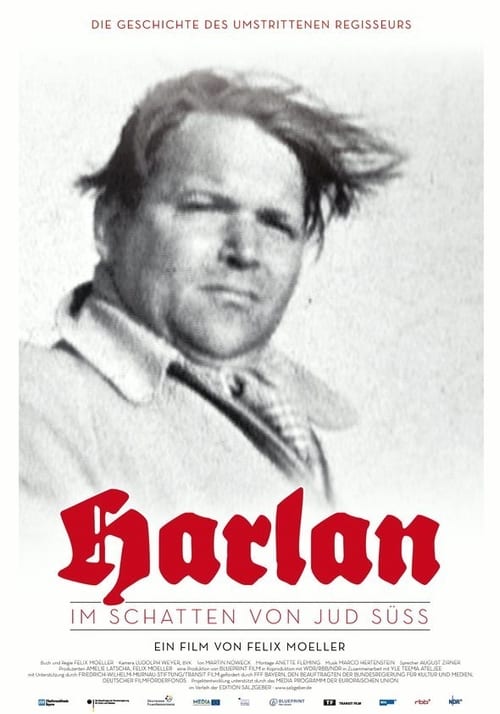
Though almost forgotten today, Veit Harlan was one of Nazi Germany's most notorious filmmakers. His most perfidious film was the treacherous anti-Semitic propaganda film Jud Süß - required viewing for all SS members. This documentary is an eye-opening examination of World War II film history as well as the story of a German family from the Third Reich to the present; one that is marked by reckoning, denial and liberation.
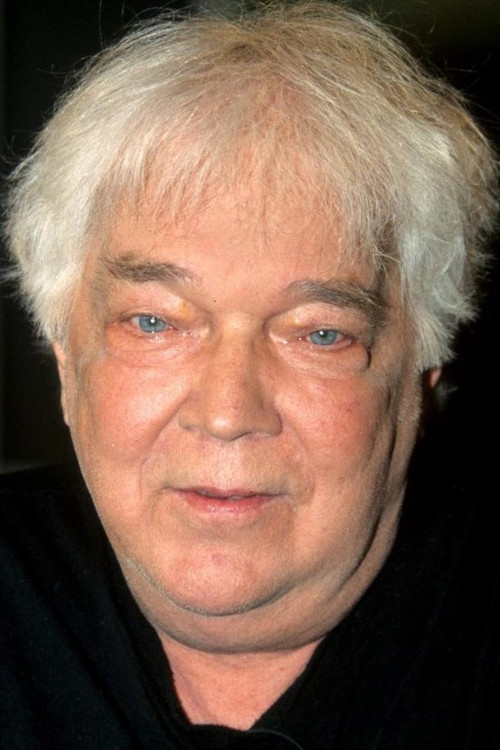
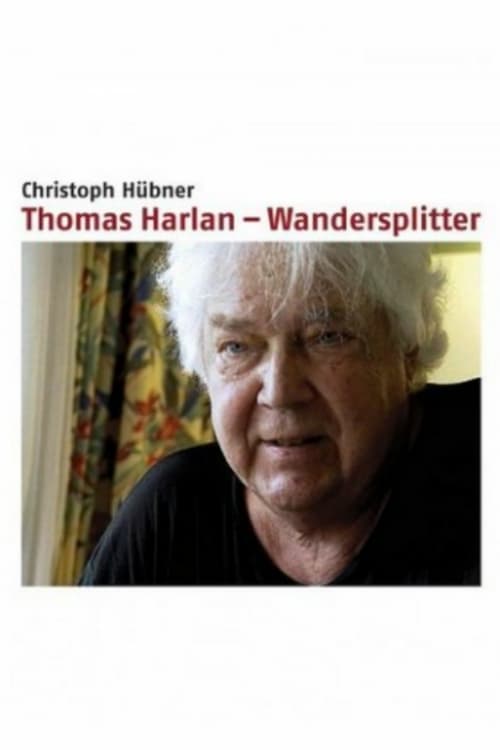
Thomas Harlan, filmmaker, author and revolutionary was born in 1929 in Germany. His father was the infamous propaganda filmmaker Veit Harlan, director of Jew Suess. During his childhood, as a result of his father’s closeness to the Nazi Party, the little Thomas came face to face with Hitler and Goebbels. Now an old frail man, Harlan lives in a respiratory clinic in Berchtesgaden. It is in this clinic in South Germany that he, along with documentary filmmaker Christoph Hübner, examines fragments of his past.
Souvenance is the film adaptation of a Haitian myth: the resurrection of the brutal revolutionary Emperor Jacques I of Haiti (Jean-Jacques Dessalines), who declared Haiti as an independent Empire in 1804, and who was assassinated in 1806.
During his stay in Italy, Harlan accepted a commission from Rai and created a ruthless portrait of society through an archetypal setting. This film, set in a Roman school and filmed inside a classroom during a lesson, is a ruthless portrait of students and Italian society after the end of the protest movements of previous years.