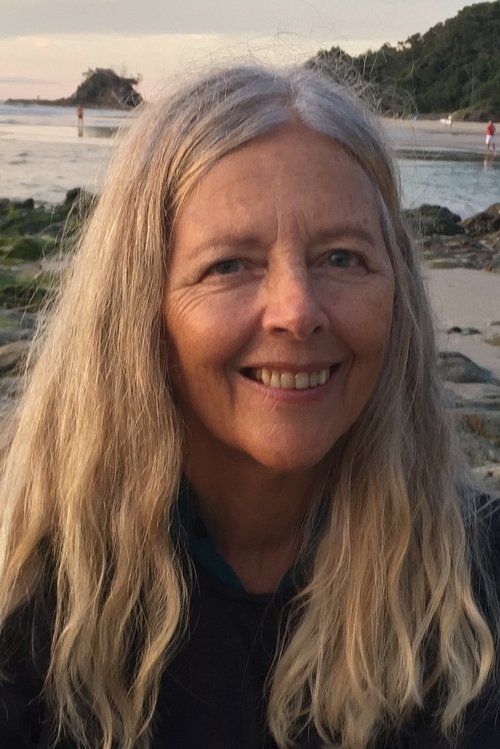
Helena Norberg-Hodge
Acting
Known For

A current affairs program that began airing on EBS in August 2021. Co-produced by the Ministry of Education, the National Institute for Lifelong Learning, and EBS, the program is part of the Korean MOOC (Korean Massive Open Online Course) program, which aims to disseminate world-class knowledge to the public amid the prolonged COVID-19 pandemic, which has widened the knowledge gap between classes and spread fake information on social media. Hear great thoughts from some of the world's leading minds right now, including Nobel Prize-winning economist Paul Krugman, Michael Sandel of What is Justice, and world-renowned conductor and pianist Daniel Barenboim.
Great Minds
On 1500 metres above sea level, on the slope of the mountain Hallingskarvet, stands "Tvergastein', the cabin of Norwegian philosopher Arne Naess. In his life he has spent nearly 12 years in this hut, where he wrote several books and essays on philosophy and ecology. In this film, Naess tells about the concept of 'deep ecology', which was first introduced by him in 1973. One of the basic tenets of deep ecology is that nature has a value in itself, apart from its possible use value to humans. Next to being a famous mountaineer, Naess has been a longtime activist in the environmental movement. He gives an inspiring account of his participation in blockades to prevent the Alta river in northern Norway (the area of the Sami, an indigenous people) from being dammed.
The Call of the Mountain

A feature-length documentary that follows a community in Australia who came together to explore and demonstrate a simpler way to live in response to global crises.
A Simpler Way: Crisis as Opportunity
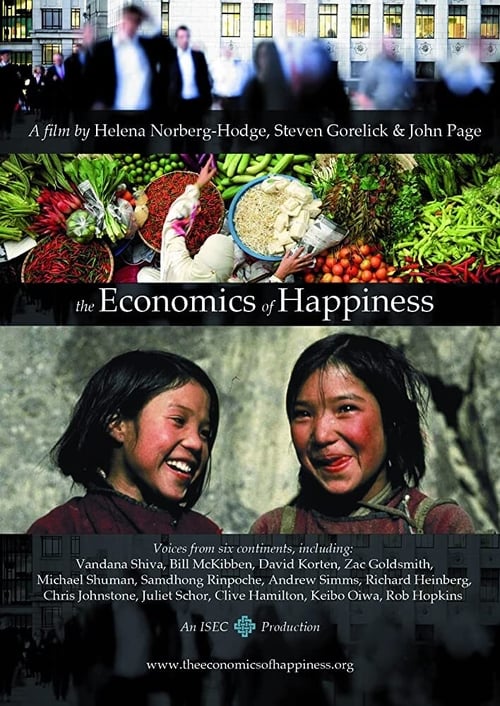
'The Economics of Happiness' features a chorus of voices from six continents calling for systemic economic change. The documentary describes a world moving simultaneously in two opposing directions. On the one hand, government and big business continue to promote globalization and the consolidation of corporate power. At the same time, all around the world people are resisting those policies, demanding a re-regulation of trade and finance - and, far from the old institutions of power, they're starting to forge a very different future. Communities are coming together to re-build more human scale, ecological economies based on a new paradigm - an economics of localization.
The Economics of Happiness
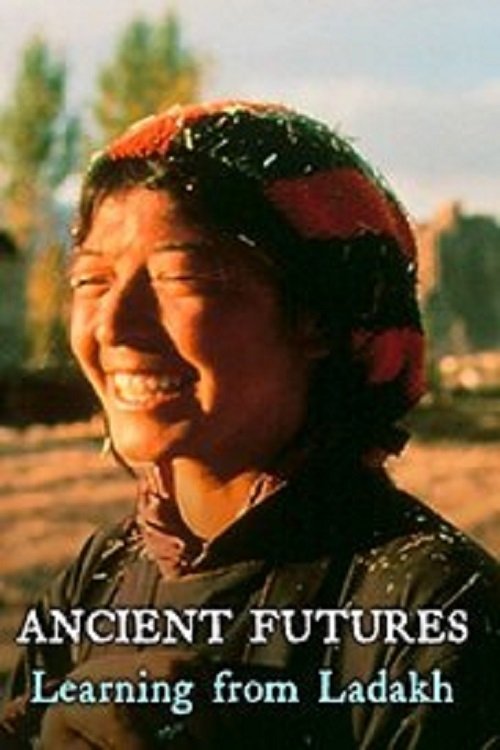
Ladakh, or Little Tibet, is a wildly beautiful desert land high in the western Himalayas. It is a place of few resources and an extreme climate. Yet, for more than a thousand years, it has been home to a thriving culture. Traditions of frugality and co-operation, coupled with an intimate and location-specific knowledge of the environment, enabled the Ladakhis not only to survive, but to prosper. Then came development. Now in Leh, the capital, one finds pollution and divisiveness, inflation and unemployment, intolerance and greed. Centuries of ecological balance and social harmony are under threat from modernisation. The breakdown of Ladakh's culture and environment forces us to re-examine what we really mean by progress - not only in the developing parts of the world, but in the industrialized world as well. The story of Ladakh teaches us about the root causes of environmental, social and psychological problems, and provides valuable guidelines for our own future.
Ancient Futures: Learning from Ladakh
No description available.