FEEL IT.STREAM
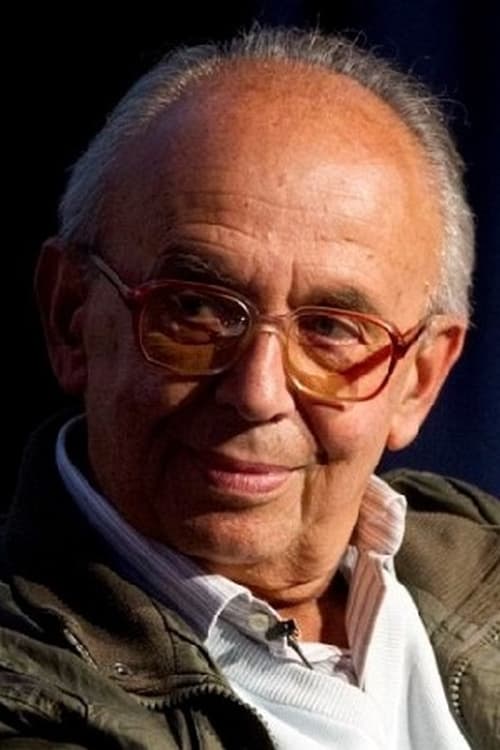
Peter Sasdy

Peter Sasdy

Directing

Biography

Peter Sasdy (born May 27, 1935) is a British film and TV director. As well as numerous TV credits, notably the Nigel Kneale-scripted The Stone Tape (1972), he directed several horror films for Hammer, including Taste the Blood of Dracula (1969), Countess Dracula (1971) and Hands of the Ripper (1971). He directed Pia Zadora in the cult classic The Lonely Lady (1983), for which he earned a Razzie Award for Best Director. From 1985 to 1987 he directed the Thames TV production of The Secret Diary of Adrian Mole Aged 13 3/4.
Known For

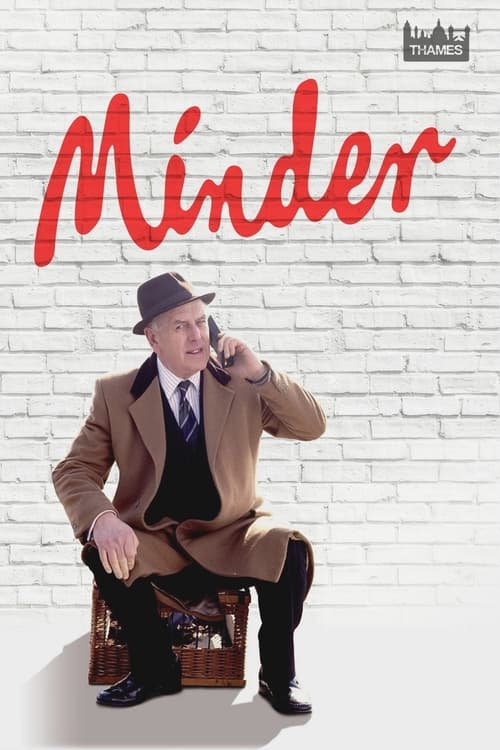
Minder
7.1

Roguish comedy drama following the misadventures of small-time crook Arthur Daley.

Minder

1979
The Wednesday Play
5.2

An anthology series of television plays which aired on BBC1 from October 1964 to May 1970. The plays were usually written for television, although adaptations from other sources also featured.

The Wednesday Play

1964
No image
N/A

Drama 61-67 is anthology drama series which took a different title, based on year of transmission, each year. It alternated with Armchair Theatre from ABC in the Sunday evening slot. The series was described at the time as epitomising ATV drama.

Drama 61-67

1961
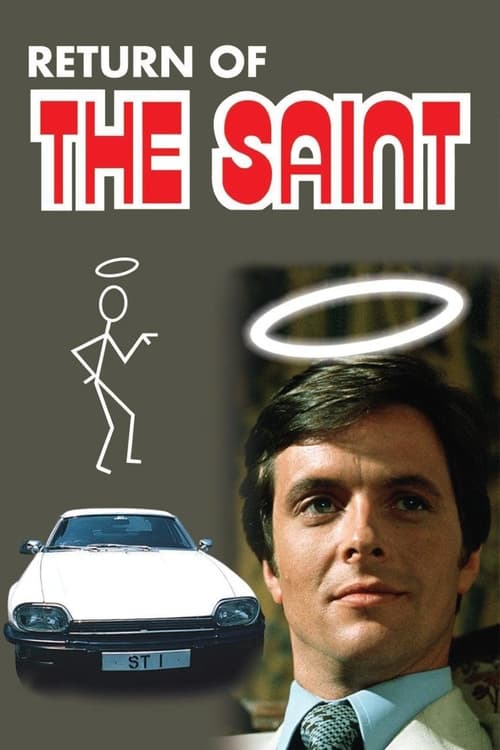
Return of the Saint
7.0

Follow the swashbuckling exploits of Simon Templar, a modern-day Robin Hood of sorts.

Return of the Saint

1978
Out of the Unknown
7.1

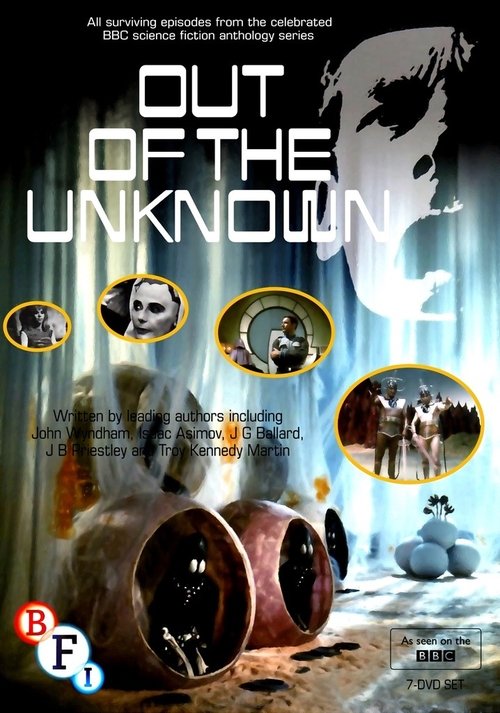
Out of the Unknown is a British television science fiction anthology drama series, produced by the BBC and broadcast on BBC2 in four series between 1965 and 1971. Each episode was a dramatisation of a science fiction short story; some were created for the series, but most were adaptations of already published stories. The first three years were exclusively science fiction, but that genre was abandoned in the final year in favour of horror and fantasy. A number of episodes were wiped during the early 1970s, as was standard procedure at the time.

Out of the Unknown

1965
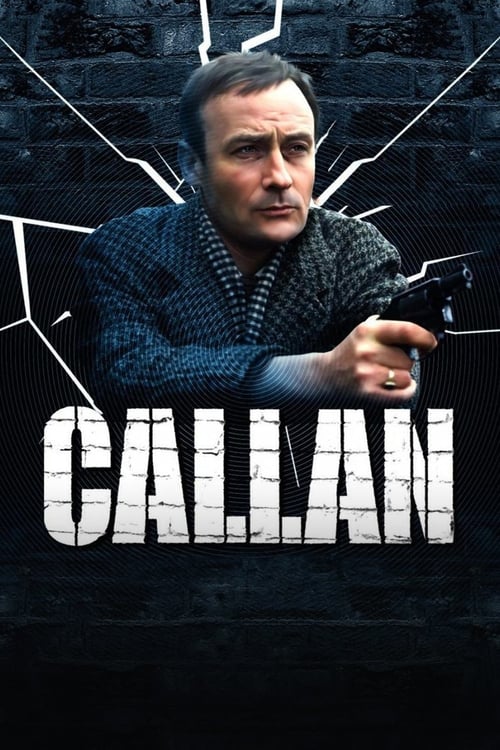
Callan
7.0

Callan is the title of a British television series set in the murky world of espionage. Originally produced by ABC Weekend Television and later Thames Television, it was aired on the ITV network over four seasons spread out between 1967 and 1972. The series starred Edward Woodward as David Callan, a reluctant professional killer for a shadowy branch of the British Government's intelligence services known as 'the Section'.

Callan

1967
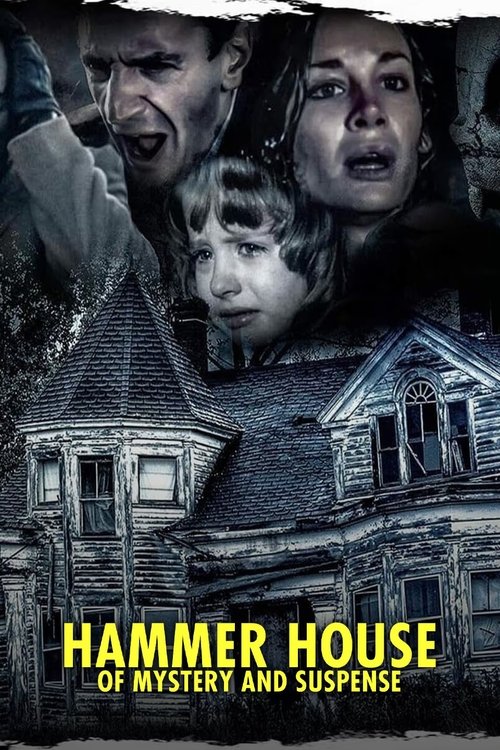
Hammer House of Mystery and Suspense
6.5

A short-lived anthology television series from Hammer Studios. Though similar in format to the 1980 series Hammer House of Horror, the Mystery and Suspense series had feature-length episodes, usually running around 70 minutes without commercials. Co-produced by Hammer Studios with 20th Century Fox Television, it is known in the United States as Fox Mystery Theater. Unlike 1980's Hammer House of Horror, all episodes feature American actors as either the leads or in key roles. It first broadcast in the UK on ITV in 1984, though was not simulcast and was shown in different timeslots throughout the various regions.

Hammer House of Mystery and Suspense

1984
Journey to the Unknown
7.0

A British television anthology series with a fantasy, science fiction and supernatural theme, similar to the American television series The Twilight Zone, and deals with normal people whose everyday situations somehow become extraordinary.

Journey to the Unknown

1968
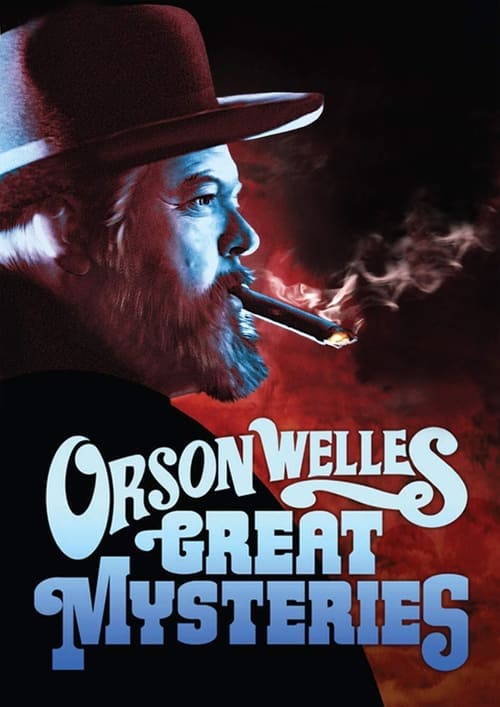
Orson Welles' Great Mysteries
6.8

Orson Welles’ Great Mysteries is a British television anthology series produced by Anglia Television for the ITV network and broadcast between 1973 and 1974. The series presents standalone adaptations of classic mystery, crime, and supernatural stories drawn from literary sources including Dickens, Conan Doyle, Wilkie Collins, Balzac, Maugham, O. Henry, and others. Each episode is framed by original introductory and closing sequences performed by Orson Welles, who serves as the series’ host and sole recurring on-screen presence. These segments, written and directed by Welles (uncredited), function as stylized narrative framing devices rather than dramatic participation in the stories themselves. The dramatic content of each episode is performed by separate casts and directors, with no continuing characters or serialized narrative, establishing the series as a unified television anthology rather than a collection of standalone films.

Orson Welles' Great Mysteries

1973
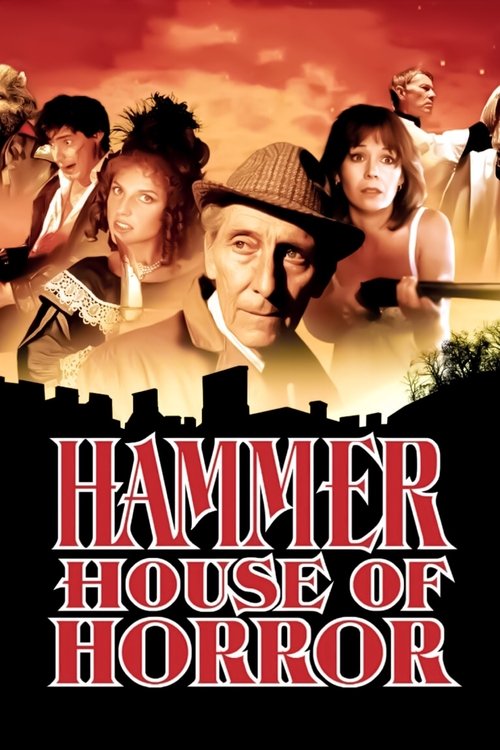
Hammer House of Horror
7.1

Each self-contained episode features a different kind of horror, varying from witches, werewolves, ghosts, devil worship and voodoo, but also includes non-supernatural themes such as cannibalism, confinement and serial killers.

Hammer House of Horror

1980
No image
8.0

Story Parade specialized in adaptations of modern novels. It was broadcast on June 5, 1964 and repeated on August 28, 1964. The teleplay was by Terry Nation (who invented "Blake's 7" and the Daleks in Dr. Who), and Elijah Baley was played by the late Peter Cushing. It also starred John Carson John Carson as R. Daneel Olivaw and Kenneth J. Warren. The master tapes of the program were erased, however a few clips from the production have turned up in various documentaries about Isaac Asimov's work.

Story Parade

1964
Arthur of the Britons
8.0

This series strips away the elaborate medieval view of Camelot, and presents Arthur as the chief of a small Celt tribe in Dark-Ages Britain, a century or two after the withdrawal of Rome. Arthur struggles to weave the scattered tribes of Celts, Jutes, etc. into a union that can effectively oppose the Saxon invaders who are arriving in Britain in growing numbers. He is aided by his adoptive father, Llud, and his foster brother, Kai, who is himself a Saxon foundling.

Arthur of the Britons

1972
No image
N/A

An anthology of 1920s set plays and musicals, transmissioned from 10 September to 10 December 1968 on BBC One.

The Jazz Age

1968
Lytton's Diary
7.5

Lytton's Diary is a 1985–86 British comedy-drama programme created and written by Peter Bowles and Philip Broadley. Produced by Thames Television for ITV, it originated as a single play on the anthology programme Storyboard before expanding into two popular series, known for their mix of glamour, intrigue, and social commentary. Bowles stars as Neville Lytton, a suave and successful Fleet Street gossip columnist for the Daily News. Lytton navigates the world of high-society scandals, political corruption, and personal challenges, balancing his professional life with his love life and his ambition to write a novel.

Lytton's Diary

1985
Ghost Squad
6.0

Ghost Squad, known as G.S.5 for its third series, was a crime drama series about an elite division of Scotland Yard that ran between 1961 and 1964. Each episode the Ghost Squad would investigate cases that fell outside the scope of normal police work. Despite the show and characters being fictional, an actual division did exist within the Metropolitan Police Service at the time. Inspiration for the series was taken from a book of the same name, written by John Gosling — a retired police officer and former member of the team. Although the real-life squad only operated in London, the fictionalised team travelled internationally; however — as was typical of the time — most foreign locations were actually a combination of stock footage and sets at Independent Artists Studio at Beaconsfield and Elstree Studios. Music was by Philip Green. The show was produced by ITC Entertainment, along with Rank Organisation TV and ATV. It was the first ITC show filmed to fit the one hour time-slot — setting the trend for the majority of ITC's future output. Another common ITC trait was to feature an American, in this case Michael Quinn, in a leading role so as to increase the chances of international sales. At 6' 3", Quinn often towered over his co-workers. This was especially noticeable in the first series title sequence showing him walking through a crowd walking in the opposite direction. He frequently smoked in the show as did many others. The second series had a different title sequence and Neil Hallett sometimes replaced Quinn. Hallett looked more like a spy while Quinn looked a bit like a playboy. Quinn was replaced by Australian actor, Ray Barrett in the third series. Ray Austin played Billy Clay in and was also Stunt Director on all series bringing the action to life. Austin went on to become a renowned TV director in Hollywood and the UK.

Ghost Squad

1961
Londoners
N/A

London itself takes the starring role in this series of plays from the BBC – a role which varies between hero and villain, enchantress and harpy. The series features extensive location filming, ranging from Soho to the Law Courts, Wembley to the docks. Of the twelve episodes, eleven are believed to be lost.

Londoners

1965
No image
7.0

A completely lost BBC1 drama series centred on the King family, who love, live, fight and work around a harbour in the Thames estuary.

King of the River

1966
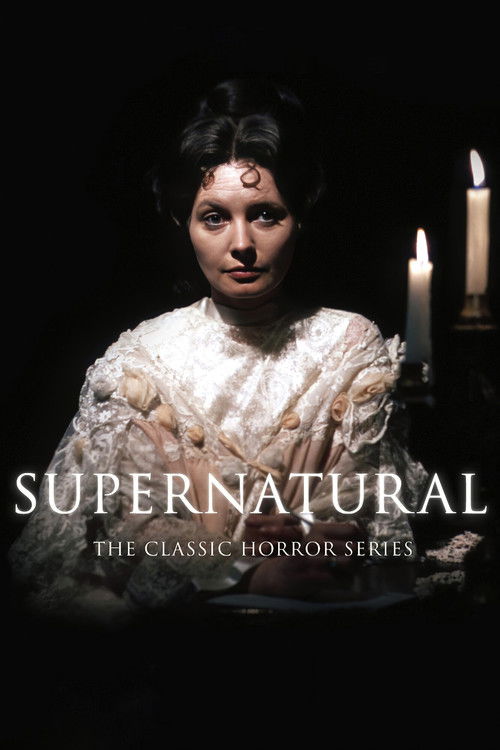
Supernatural
7.2

Supernatural is a 1977 British anthology television programme broadcast on BBC One. Each episode follows the Club of the Damned, where a prospective member is required to tell a horror story, and their application would be judged on how fright factor. Applicants who fail to tell a sufficiently frightening story are killed.

Supernatural

1977
Armchair Theatre
6.0

Armchair Theatre is a British television drama anthology series of single plays that ran on the ITV network from 1956 to 1974. It was originally produced by Associated British Corporation, and later by Thames Television from mid-1968.

Armchair Theatre

1956
The Gold Robbers
7.5

Tough cop Detective Chief Superintendent Cradock is assigned to track down and bring to justice the criminals behind the daring theft of five and half million pounds worth of gold bullion from an airfield in the South of England.

The Gold Robbers

1969