Acting
Denise Espíndola Weinberg (Rio de Janeiro, April 26, 1956) is a Brazilian actress.
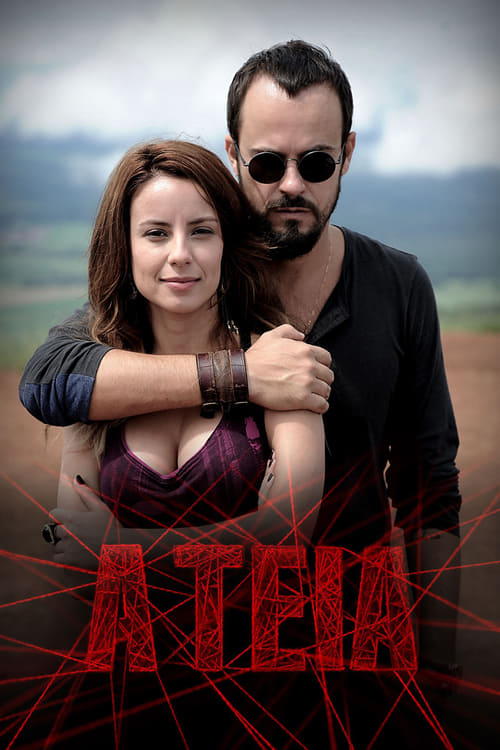
In this retelling of a real case, a former escort discovers her wealthy husband's infidelity and struggles to cope as betrayal poisons their marriage.
Amor Eterno Amor is a Brazilian telenovela produced by Rede Globo and exhibited in the schedule of 18 hours. Written by Elizabeth Jhin and directed by Roberta Richards, Fábio Strazzer, Luciana Oliveira Paulo Ghelli, Pedro Vasconcelos and Rogério Gomes, it was released on March 5, 2012, ending on September, 7 of the same year, replacing A Vida da Gente.
The plot tells the history and daily life of the Lemos Family between the 1920s and 1940s. Júlio works in a fabric store and has the ambition of getting rich to offer his family a good life. His wife, Lola, does everything she can to keep her family together, because she believes that this way they can move on.
In 13 episodes, the series of fiction "Family Issues" portrays the life of Peter, a family court judge that you will find that there is a very common routine. He has a troubled past - his mother still abandoned child - and still carries family problems as his brother's fight to get rid of drugs and hospitalization of the father who is dying. While Peter faces its own family dilemmas, see passing before him in the courtroom, complex family dilemmas: ex-spouses who strive for material goods or custody, children rejected and unrecognized and other surrounding cases. Intoxicated by a need to do justice, Peter develops out of court and investigative dark side that puts you at risk.
To maximize economic productivity, the Brazilian government orders elderly people to move to remote housing colonies. A 77-year-old woman refuses and embarks on a journey through the Amazon that will change her destiny forever.
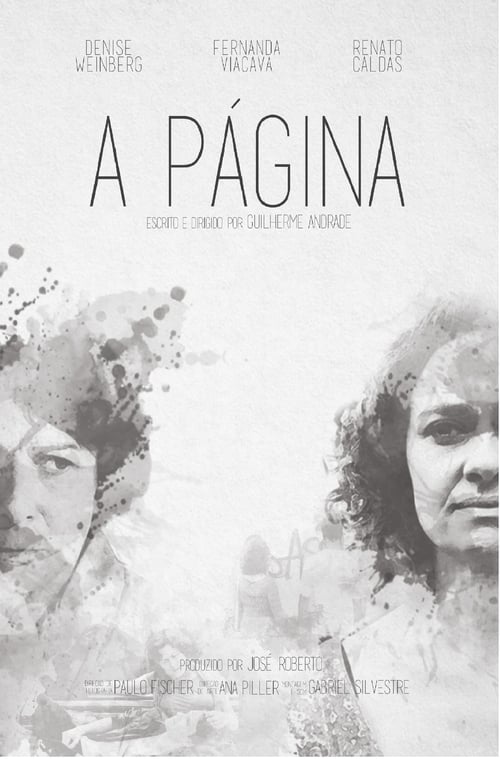
No description available.
A group of women gets together on social media to expose the sexual harassment they all suffered from a renowned specialist in reproductive medicine. The saga of perseverance and courage of these women begins when one of them decides to talk and reveal what was until then confined by the doctor’s office walls.
Singer Dalva de Oliveira and composer Herivelto Martins lived intensely, both on stage and in their personal lives. Their thirteen-year marriage and the conflicts that intensified upon their separation contributed to a significant body of artistic and cultural work. Author: Maria Adelaide Amaral.
Felício, an old comedian, is in decadence after his partner Mandarim's suicide. When he finds out his former love Paloma has died, he leaves São Paulo and heads for the faraway State of Piauí, North of Brazil, in search of a new partner. He believes that if he manages to find him, the good times will return.
Singer Maysa defied the conventions of her time from the 1950s to the 1970s, becoming a star and living her romances and heartbreaks intensely.
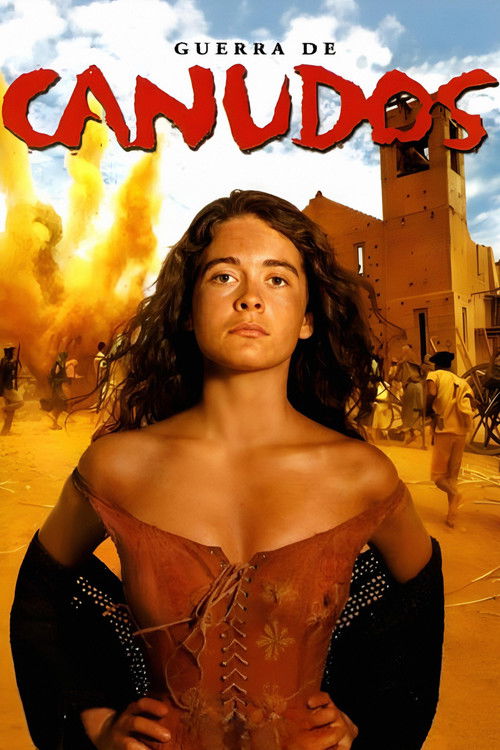
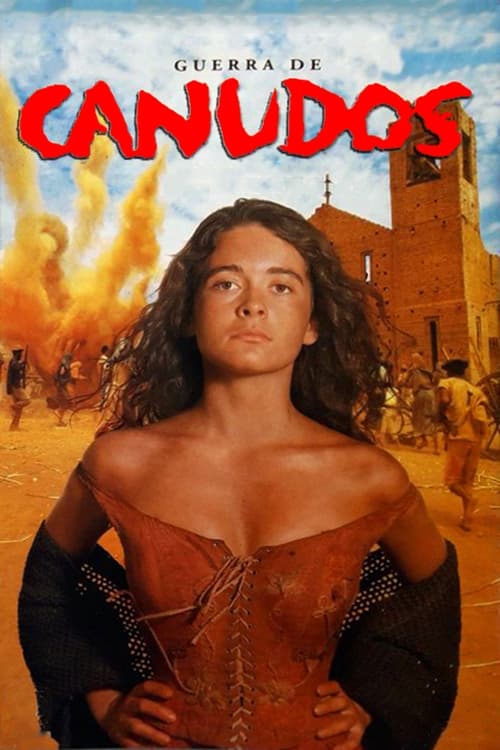
Guerra de Canudos is a 1997 Brazilian film, of the drama genre, directed by Sérgio Rezende. It was shown in miniseries format on TV Globo, between December 16 and December 19, 1997, in 4 chapters, replacing "Decadência", and being replaced by "Dona Flor and Her Two Husbands", being the first time that the broadcaster adapted the exhibition of a feature film in this format, an expedient that became be used more frequently since then.
Em Cena – A Arte da Interpretação is a documentary series that deconstructs the actor's craft, revealing the creative process of the biggest names in theater, film, and television through the journey of preparing for a role.
In the periphery of São Paulo, the pregnant single mother Cleuza works as maid in the apartment of a middle-class family. Each of her sons has a different unknown father: the oldest, Dênis, has a baby son that lives with his mother and he works as motorcycle courier.
A man who grew up an orphan finally gets to meet his father: The psychopath Dr. Josef Mengele, the Auschwitz surgeon who performed genetic experiments on concentration camp refugees during WWII.
The life of Brazilian actress Odete Lara, muse of the movement called Cinema Novo in Brazil, who exchanged stardom for a quiet and religious life.
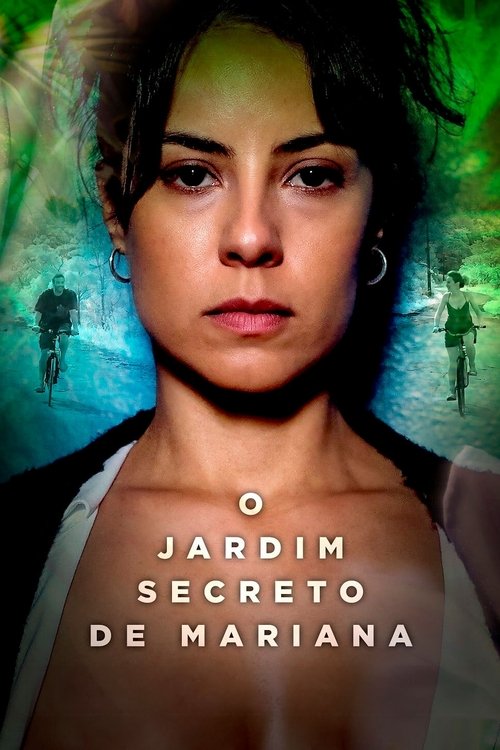
João (Gustavo Vaz) and Mariana (Andreia Horta), a couple in love who have their relationship interrupted in an untimely manner. Five years after their abrupt separation, he decides to go with his gut and sets off on a long bike journey to try to convince her that the romance should never be over. The love, which still exists between the two, is then called into question.
In a mosaic of human relationships and day-to-day situations, men and women of different ages feel a pressing need to reinvent themselves. As they cross each other's paths, they all are at a turning point in their lives.
The body of a dead transgender woman is being prepared by others trans people for the burial. Later it is delivered to the original family, that decides to bury her as a man. A trans person cortege moves toward the wake to reclaim the deceased’s built identity.
At the end of the 19th century, a poor family comes to the rural Canudos, a community led by Antônio Conselheiro, seen by many as a holy prophet. Their ways bother the powerful people of the region, and the newly founded Republic sends their army to destroy the settlement, which culminates in one of the bloodiest wars in the history of Brazil.
Two mothers, a crime. Two sides of the same story and the hard process of moving on after losing the anchors of their lives.